
In 2025, 659 people were killed in traffic crashes on Washington state roads — more than 10% fewer than the year before (737) and substantially below the record high in 2023 (809), the Washington State Traffic Safety Commission reported. The positive trend marks a second consecutive year of decline, but the overall number of fatalities remains well above pre-pandemic levels, when about 500 deaths were recorded annually. Officials stress that each lost life is a tragedy and that the goal remains the same: zero deaths.
The reduction came primarily from declines in the so‑called "fatal four" risk factors: impaired driving, speeding, distraction, and unbelted occupants. That classification is especially important in Washington, because despite the overall drop in crashes, the share of crashes involving distracted drivers (due to smartphones) and impaired drivers (by alcohol or marijuana) remains above the U.S. average. The state actively uses this framework for targeted campaigns, such as increased patrols on dangerous corridors and educational programs. The share of fatal crashes involving impaired drivers fell from 50% to 45% (297 cases), although lab test results are still pending in several dozen investigations. Alcohol remains the most common cause of impairment (57%), followed by cannabis (22%) and methamphetamine (8%). Speed‑related fatal crashes dropped from 250 to 189, and distraction‑related fatal crashes fell from 138 to 103.
It is worth noting that after Washington legalized recreational cannabis in 2012 (one of the first U.S. states to do so), crashes involving drivers under the influence of marijuana rose sharply — estimates vary, but increases of 30–50% over the decade have been reported. The share of fatal crashes where drivers tested positive for THC increased in particular. In response, the state set a per se THC blood limit (5 nanograms per milliliter), trained police to recognize signs of cannabis impairment, launched public information campaigns warning that "high driving" is as dangerous as drunk driving, and increased patrols near cannabis retailers. However, precise testing for marijuana impairment remains difficult, prompting debate about the laws' effectiveness.
At the same time, a worrying record was set: fatal crashes involving drivers aged 70 and older reached 112 — 22 more than in 2023. In response, lawmakers included $100 million in the state's 2029–2031 transportation budget for safety improvements on hazardous road segments. Additionally, from December 7–11, 2025, the state will hold its first "Senior Driver Safety Awareness Week," and the Department of Licensing will create a dedicated website with resources and an online tool for older drivers to self-assess their skills.
Pedestrian and bicyclist fatalities decreased from 170 to 160, and motorcyclist deaths fell from 113 to 103. Fatal crashes involving young drivers (ages 15–24) also declined, from 183 to 170. Nevertheless, young people remain one of the most vulnerable groups — they are statistically more likely than other age groups to be involved in serious crashes.
Experts link the post‑pandemic surge in crashes to several factors. On one hand, the pandemic prompted riskier driving behavior: drivers sped more often and drove impaired more frequently, and alcohol sales rules were temporarily relaxed. On the other, police enforcement dropped sharply during that period. Enforcement has improved over the past two years. According to the Commission, in 2025 police conducted more than 57,000 traffic enforcement checks across the state thanks to budget‑funded high‑visibility programs — nearly double the number in 2022 (31,500).
Despite improvements, the state faces a serious problem: Washington ranks last in the nation for police officers per capita — about 1.5–1.6 officers per 1,000 residents versus the national average of 2.3. Several factors contribute. After George Floyd's murder in 2020, public pressure in Seattle to depoliticize and reallocate police budgets increased, leading to funding cuts and officer turnover. State policies also impose strict certification and training requirements, which slow new hires, and liberal laws — for example, limits on use of force and mandatory independent reviews of all incidents — have reduced the appeal of police work for many candidates. As a result, vacancies have risen and staffing levels have fallen over the past five years. That significantly limits the ability to fully enforce traffic laws, acknowledges Commission representative Mark McKechnie. Legal issues add complexity: an effort this year to lower the legal blood alcohol limit from 0.08% to 0.05% (as in Utah) stalled in the House of Representatives, though the Senate approved it. Lawmakers have promised to revisit the proposal in 2027.
Commission Chair Shelly Baldwin, commenting on the positive trend, urged residents not to let down their guard: "As we approach the summer months, when fatal crashes traditionally rise, I beg everyone on the road: drive only sober, obey the speed limit, don't use your phone while driving, and buckle up." Despite the encouraging numbers, Washington's roads are still far more dangerous than before the pandemic, and officials say they will continue the push toward zero deaths.
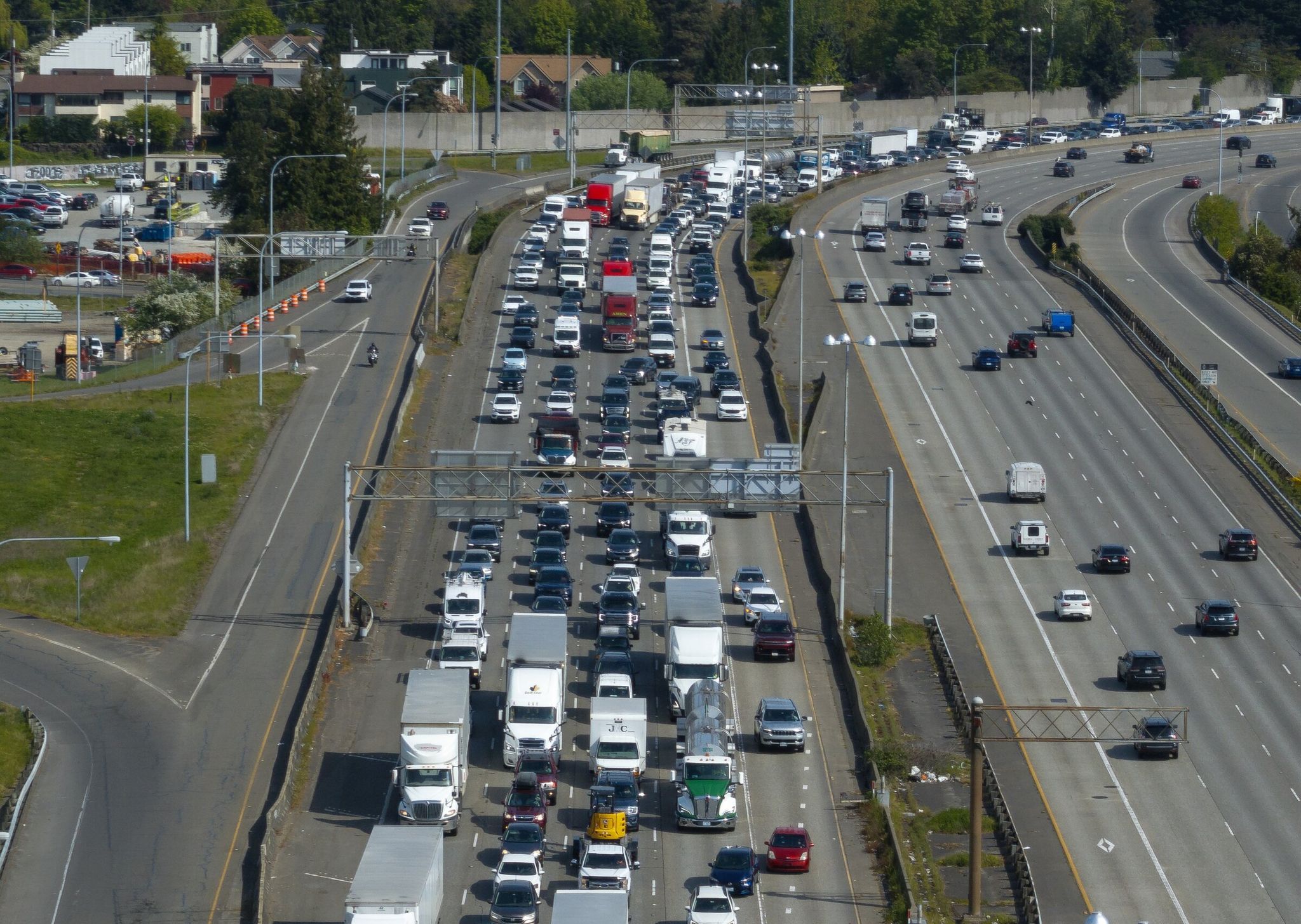
Based on: Deaths on WA roads drop again, but remain higher than before COVID