
The COVID-19 pandemic brought one of the biggest changes to our working lives — a mass shift to remote work. Where it had once been rare, remote work overnight became the norm for hundreds of thousands of people. This transformation was especially pronounced in King County, Washington, but not all residents benefited equally.
Census data show that in 2019, before the pandemic, only about 7% of King County’s working residents (89,000 people) worked from home most days. The peak came in 2021, when 452,000 people, or 38% of the workforce, were working remotely. By 2024 that figure had fallen to 21% (271,000 people), still three times the pre-pandemic level, since many companies kept hybrid arrangements.
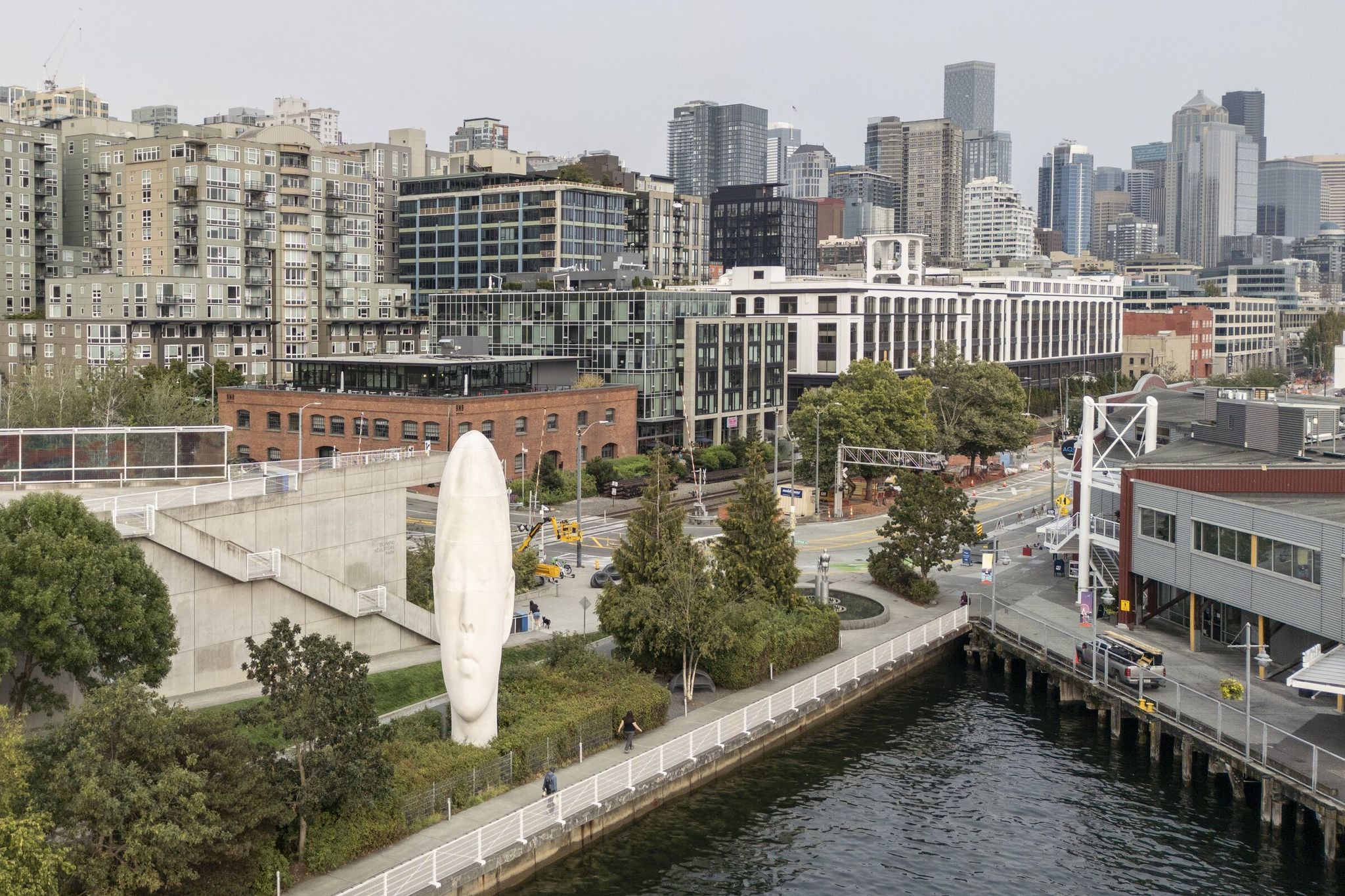
The highest percentages of remote workers are concentrated in affluent, highly educated neighborhoods where office occupations dominate. The absolute leader is a tract in the Belltown area of central Seattle, near the Olympic Sculpture Park — a public space with art and bay views that symbolizes the modern urban environment attracting highly paid professionals. There, 61% of working residents (about 1,600 of 2,600) work remotely. That’s explained by a high share of IT workers (35%), whose jobs are digital by nature and require only a computer and internet access.
Second and third places are also held by affluent neighborhoods closely tied to the tech sector: the Uptown/Westlake area near Amazon’s campus (56% remote workers, 33% IT workers) and the Somerset neighborhood in Bellevue (51% remote workers). The presence of Amazon’s large headquarters complex, built out since the 2010s, transformed nearby areas from quiet zones into vibrant commercial and residential centers, triggering steep housing price increases and infrastructure development. These locations have many managerial and tech occupations that relatively easily adapted to remote work.
At the same time, the lowest share of remote workers (around 3%) is observed in less affluent parts of South King, such as East Hill in Kent or Redondo-East in Federal Way. This socioeconomic split has deep historical roots tied to redlining practices that restricted where communities of color could live in the south, and to the tech-driven economic boom centered in downtown and in suburbs like Bellevue. High tech wages drove up the cost of living near the center, while South King remained more affordable but with less investment in infrastructure and public services. There is a high share of workers in jobs requiring physical presence: transportation, logistics, retail, and service industries. For example, in one Kent tract 27% of workers are employed in transportation and 25% in service occupations.
Thus, the census data clearly show that the shift to remote work, accelerated by the pandemic, exacerbated existing socioeconomic inequality in King County. The ability to work from home has largely become a privilege of highly paid knowledge workers, while service and manual workers were denied that flexibility.
Based on: Remote work transformed King County, but not evenly, census data shows