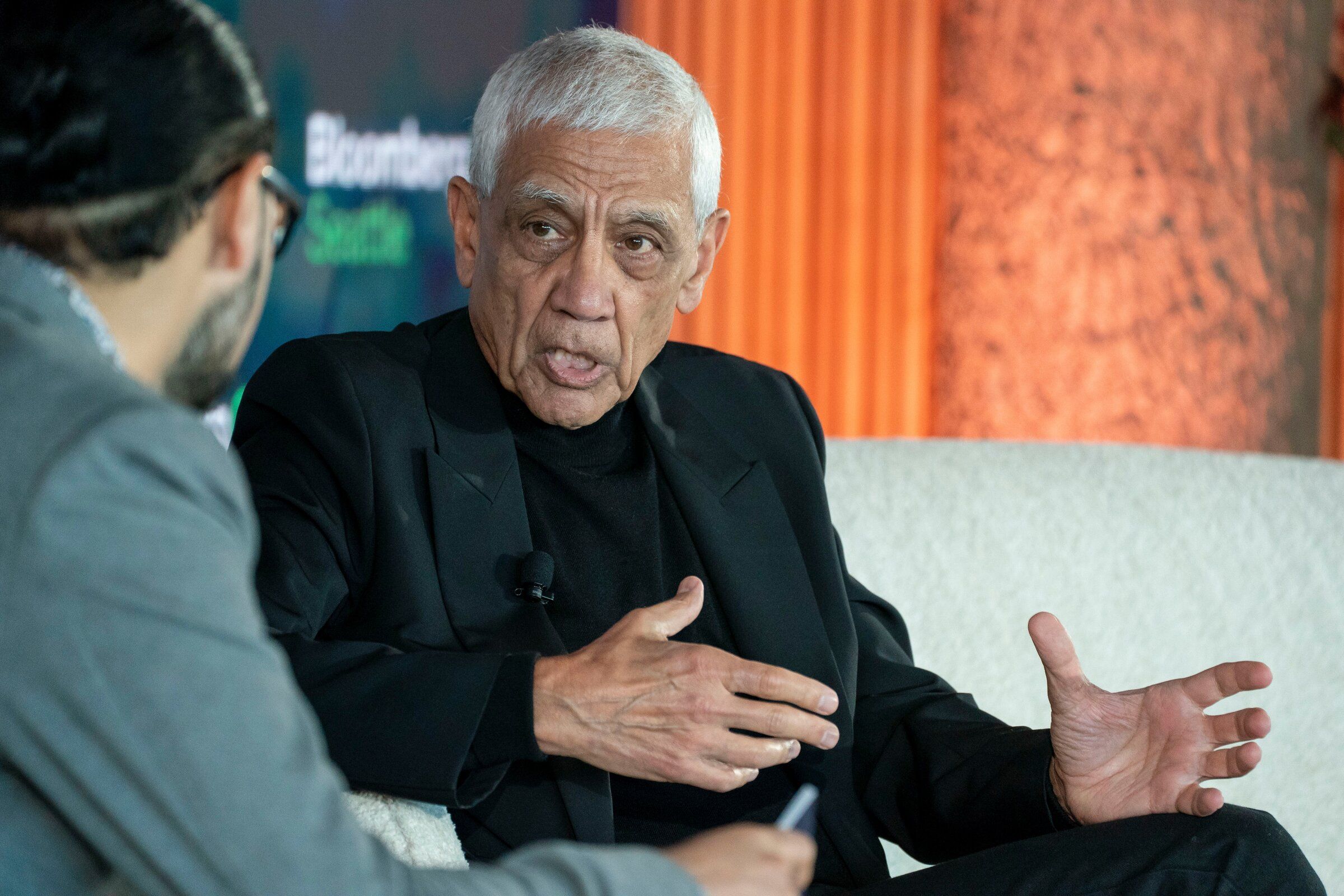
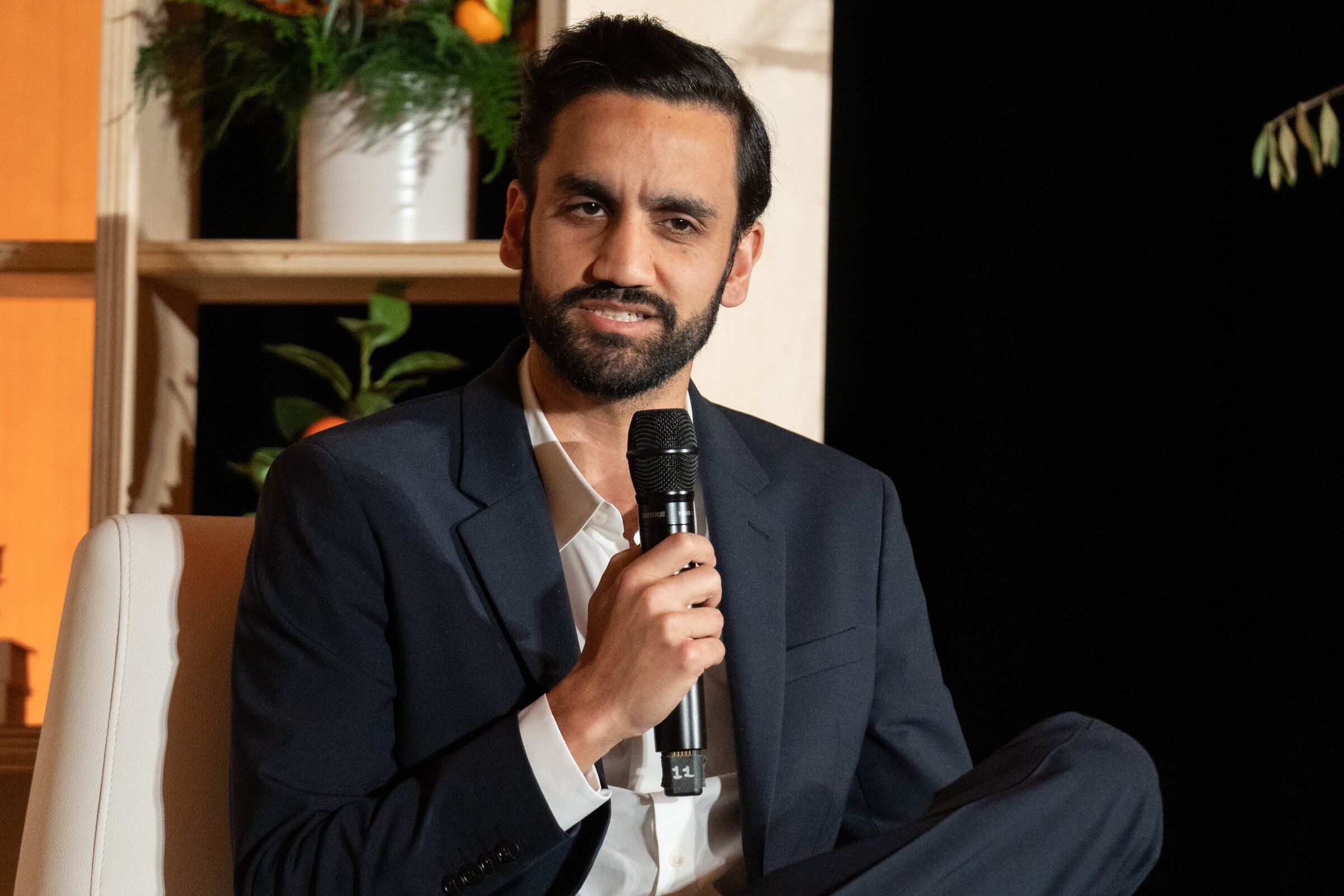
In today’s edition: a historic sale of the Seattle Seahawks to the Hosla family for a record $9.6 billion, along with a look at the Seattle Mariners’ plans to trade one of their starting pitchers to strengthen the roster.
Seattle Seahawks Sale: The Hosla Family Acquires the Club for a Record $9.612 Billion
At last, the biggest suspense of the summer for the Seattle Seahawks has been resolved—who will become the team’s new owner. The estate of Paul Allen, who died in 2018, has announced that it reached an agreement with a group led by the Hosla family—Vinod and Niru, along with their son Neil. The deal amount, according to confirmed reports, is $9.612 billion, an absolute NFL record for a club. The previous record belonged to the Washington Commanders, sold for $6.05 billion in 2023. By comparison: the Denver Broncos went for $4.65 billion in 2022, and the current Seahawks valuation by Forbes stood at $6.7 billion. In other words, the price is more than double the value of the Broncos and 60% higher than the Commanders. It is also a huge leap from the $194 million Paul Allen paid for the team in 1997.
Vinod Hosla, 71, a native of Pune, India, came to the United States in 1976, earned an MBA at Stanford, and became a co-founder of Sun Microsystems. His wife Niru, who will become the controlling owner, is also from India and moved to America shortly after their wedding in 1980. Their son Neil—also a Stanford graduate—is the founder and CEO of Curai, a platform for virtual primary and urgent care. Interestingly, Vinod and Neil Hosla attended San Francisco 49ers games for about three decades, which led to them buying a 3.1% stake in that club in summer 2023. That interest is what drove them to enter the bidding for the Seahawks when the team became available in February.
The approval process is fairly straightforward. The agreement will be sent to the NFL’s eight-member finance committee, chaired by Kansas City Chiefs owner Clark Hunt, which includes, among others, Robert Kraft of the New England Patriots. The committee would then forward the document to a vote of all 32 owners. According to ESPN and confirmed sources, a special meeting to approve the sale is expected to take place on August 26. At least 24 votes are required for approval. That date is exactly two weeks before the Seahawks’ season opener on September 9 against the Patriots at Lumen Field, which would allow the deal to be officially finalized and press conferences to be held before the games begin.
There’s no reason to believe the agreement won’t be approved. The Hosla family has already passed NFL scrutiny when purchasing a minority stake in the 49ers—such a practice, Sportico notes, “gives them familiarity with the league—and vice versa.” The league will also review other members of the investment group, whose names have not been disclosed yet, but sources say former Seahawks players are not part of it. Under NFL rules, a controlling owner must hold at least 30% of the shares, the share held by private equity funds cannot exceed 10%, and the group can be no more than 25 people. The maximum amount of debt is $1.5 billion. The finance committee will check compliance with these criteria, then send the deal to the owners for a vote. The last two sales—of Denver in 2022 and Washington in 2023—were unanimously approved by all owners after passing the committee.
Rumors of “significant interest” in the team, as described in an NFL memorandum, have been confirmed. Sources say the final decision came down between the Hosla family and a group led by Wyc Grousbeck and Aditya Mittal, who currently serve as executives of the Boston Celtics. Todd Boehli’s group, the owner of a stake in the Los Angeles Dodgers, reportedly participated but did not make it to the final round. At least two other groups showed interest at different stages. Notably, Steve Ballmer, owner of the Los Angeles Clippers and a Seattle resident, did not participate in the bidding.
The $9.612 billion price didn’t surpass the $10 billion paid for the Los Angeles Lakers in October 2023 (a record for North American sports franchises). There were rumors the Seahawks could break that record, and many in the NFL hoped they would, because it would raise the value of all teams. But even the current figure is hard to imagine compared to Paul Allen’s original investment. Under his will, all assets had to be sold and the proceeds directed to charity. Exactly which organizations will benefit from the sale of the Seahawks is still unknown, though the information may be released later.
Naturally, a question arises: should lifetime 49ers fans—one of the Seahawks’ key rivals—be concerned about them becoming the team’s owners. Seattle has already seen problems in sports ownership history. The Bering family tried to move the Seahawks to Los Angeles in 1996, and the Sonics relocated to Oklahoma City in 2008. However, as the argument goes, nobody pays $9.6 billion to destroy a business. The chances of a move are virtually zero. The club has a lease agreement with Lumen Field through 2031, with three 10-year extension options. Of course, the new owners could assess the stadium and request upgrades if necessary, but that is unlikely to be an immediate priority.
Initial reactions to the deal are positive. King County council member Pete von Reichbauer, who helped organize the sale of the team from the Berings to Paul Allen, said the Hoslas would “bring the same tradition of excellence that the Norrdströms started and the Allens continued.” Vinod Hosla himself, in a statement, acknowledged that the family will likely be viewed as outsiders and promised to “earn the trust of the Seahawks organization and its fans.” One way to do that would be for at least part of the family to relocate to Seattle. That question remains open for now.
In an article by the Seattle Times Seattle Times, five key questions are addressed in detail: the approval timeline, the likelihood of approval, the true level of interest, expectations on price, and concerns about the past owners. The conclusion is obvious: a new era is dawning for the Seahawks, and despite some skeptical notes, everything points to the deal being finalized soon—and the team remaining in Seattle.
Seattle Mariners Ready to Trade: The Fate of Their Top Pitchers Is in Question
The Seattle Mariners are going through a rough stretch. A team currently sitting at 47 wins and 49 losses is on a five-game losing streak and trails the American League West division leader, the Texas Rangers, by 1.5 games. As front office staff wraps up the MLB draft, fans are waiting for the All-Star break to let the emotions cool down. But once the draft ends, the front office can focus on the trade market. According to USA Today reporter Bob Nightengale, the Mariners are signaling to other teams that they are willing to trade one of their valuable starting pitchers for a reliever from the bullpen and a right-handed hitter—most likely Louis Castillo. The club does have an excess of starting pitchers: they’re using a six-man rotation, and their system also features the top pitching prospect Cade Anderson.
The idea of trading a starting pitcher may scare fans, but it actually makes sense. A six-pitcher rotation is unusual; that kind of “logjam” requires a release valve—either a trade or moving someone to the bullpen. And if, after the sale, one of the remaining starters gets injured, Anderson is ready to step in. In addition, if baseball is still being played in 2027 (a nod to potential issues with labor agreements), the Mariners would have as many as nine starting pitchers to manage with innings: Castillo, Anderson, Ryan Sloun, Logan Gilbert, Bryan Woo, Bryce Miller, George Kirby, Emerson Hancock, and Logan Evans—recovering from Tommy John surgery. That, too, is simply too many.
The most obvious trade candidate is 33-year-old Luis Castillo. He is set to earn nearly $25 million next season, with a conditional option for 2028. Because of his age, salary, and uneven performance, the Mariners would most like to give him up. But teams looking to buy him are also least interested for the same reasons. Nightengale notes: “If the Mariners trade him, they’re not going to get everything they want. If a team takes on all of Castillo’s money, the Mariners won’t get valuable players. And if they get the players they need, they’re going to have to swallow a big chunk of the salary—or all of it—just so Castillo doesn’t play for it. It’s complicated.”
What about the other candidates? Logan Gilbert is under contract only through 2027. If Seattle doesn’t plan to give him a long-term deal, a trade could be justified, even if it wouldn’t be popular. And if the club is genuinely concerned that the 2027 season could be derailed, the case for trading Gilbert becomes even stronger. Instead of Gilbert, Seattle could trade George Kirby, who is under contract through 2028—another move that might not be popular, but not everyone can be kept, and Anderson and Sloun are already on the way. In his analysis for Yahoo Sports, the reporters emphasize that the current situation is a logistical puzzle: the team has an abundance of talent at starting pitcher, but a lack of bullpen and offensive help. In the end, the decision will be a compromise, and fans should get ready for the possibility that one of their favorites leaves Seattle in the name of roster balance.
Seattle Mariners Set Their Trade Approach
The Seattle Mariners are approaching an extremely important moment of the season. With less than two weeks left until the MLB trade deadline, the club’s leadership appears to have already told the leagues what they intend to do. In a Yahoo Sports Yahoo Sports report, it is noted that the Mariners enter Sunday’s games with a record of 47 wins and 49 losses—far from ideal, but still within reach of the playoffs. That “in-between” situation—an underwhelming result but not a lost chance—is what has baseball’s entire world wondering whether Seattle will be selling or buying on the trade market.
The key development is that the Mariners allegedly “made their trade stance clear”—in other words, they let other clubs know whether they’re willing to part with players for the future or, alternatively, whether they’re seeking reinforcements for a late-season push. The phrase “making trade stance clear” is sports-media jargon: it means the front office no longer has its intentions shrouded in mystery and has openly indicated which players it considers available. In today’s realities, that could mean Seattle either decided to “reset” and sell veterans with expiring contracts, or—conversely—plans to add pitchers or offensive players to chase a wild-card spot.
Looking at the numbers: the gap behind the division leader (likely Houston or Texas) isn’t catastrophic, and in a weak AL West, anything is still possible. Still, 47–49 is a poor mark for a team that reached the playoffs last year. The challenge is that after an unexpected general manager departure in spring and a stretch of injuries, the offense’s overall production has left much to be desired. So selling might be more sensible for long-term success, but fans and the organization likely want to try to save the season. Mariners baseball operations director Justin Hollander (his quotes aren’t included in the article, but the context is clear) is facing a difficult choice: either strengthen the roster now or stockpile talented prospects through trades involving key pieces such as a starting pitcher or an outfielder.
For readers who aren’t familiar with MLB intricacies, it’s worth explaining that the trade deadline is usually at the end of July, and after that date clubs can’t trade players with each other until the end of the season. “Sellers” are teams that decide not to compete this year and trade experienced players for young talent; “buyers,” on the other hand, hand over prospects for “right now.” Seattle, caught between two fires, risks both missing the playoffs and losing valuable assets. The Yahoo Sports publication offers a hint: if the club has already declared its position, deals could follow literally in the coming days.
For now, based on publicly available information, the Mariners are actively probing the market for pitchers and also looking for outfield help. If their “clear stance” means they’re open to selling, one of the first to be put on the block could be someone from the starting rotation. If they’re buyers, it could be a strong hitter they pursue. Either way, the decision will have long-term consequences for the franchise. Fans are waiting for specifics, and the Yahoo Sports article is only the first signal that the pause is over.