
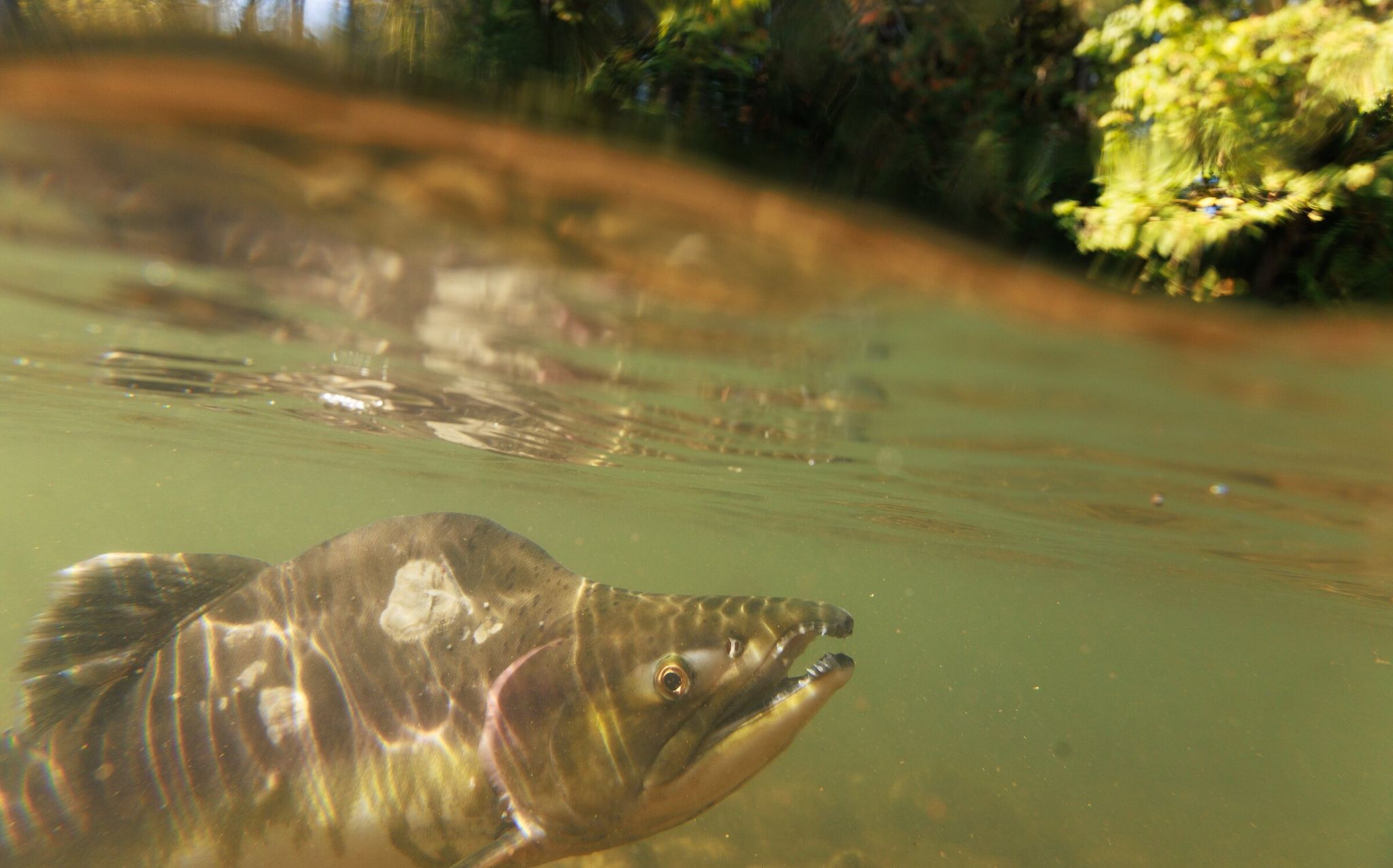
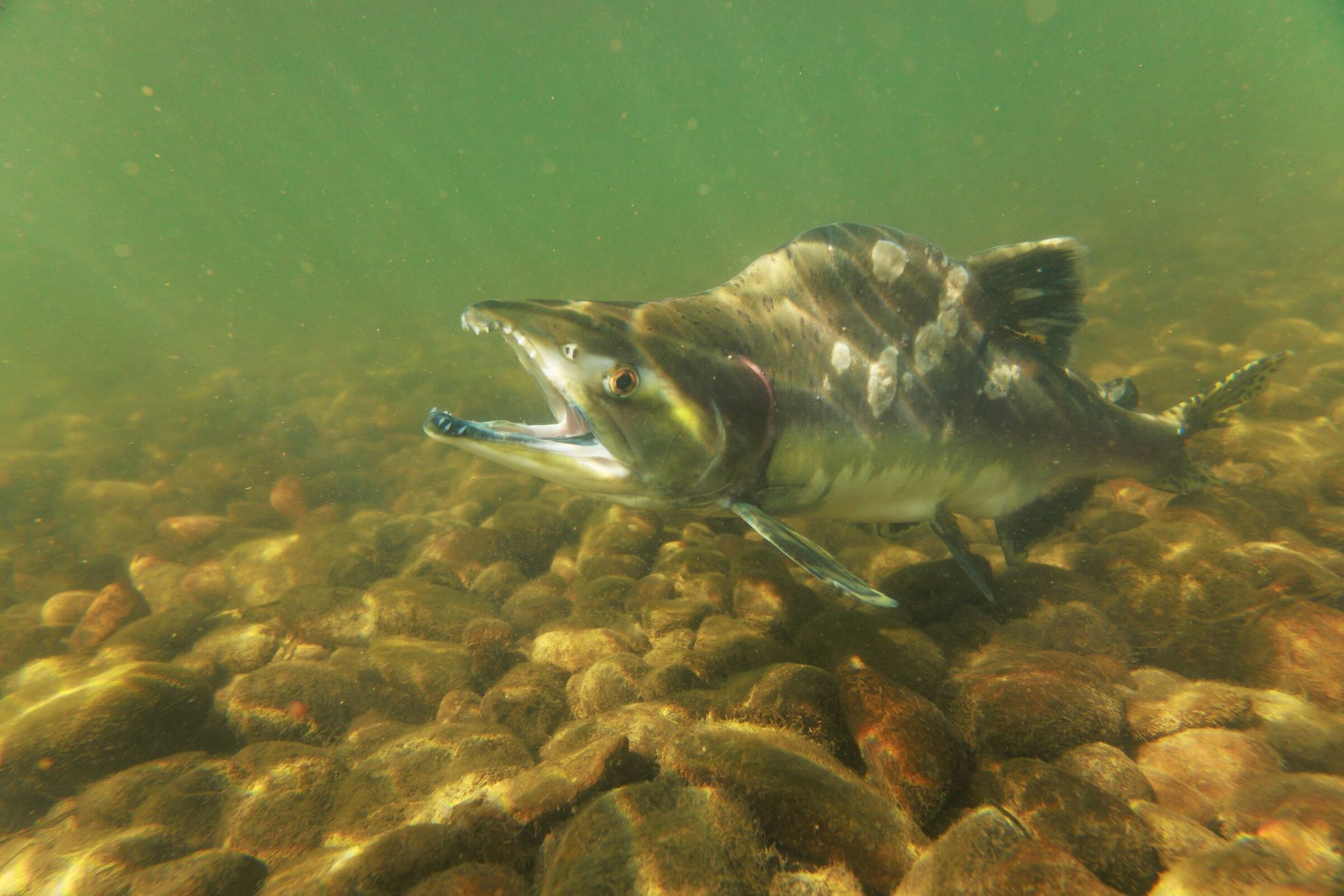
In a changing climate, pink salmon, the smallest of the Pacific salmon, has become an unexpected "winner." Its numbers in the northern Pacific have surged, and it now makes up nearly 80% of all adult salmon returning to rivers to spawn. That boom, however, is an alarming sign of a deep imbalance in the marine ecosystem.
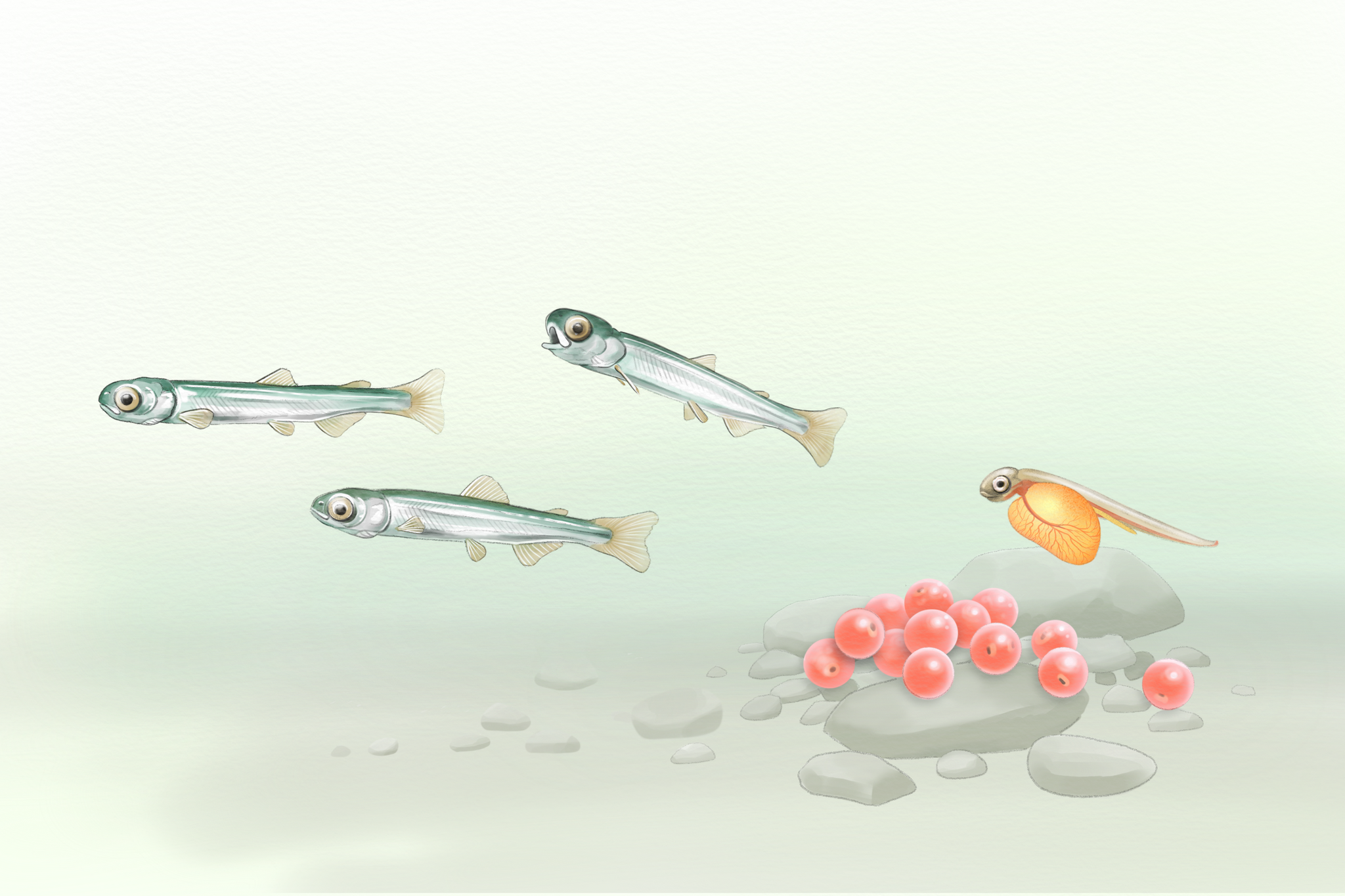
Pink salmon’s success is explained by its unique two-year life cycle. Unlike other species, pink salmon fry head to sea almost immediately after hatching, avoiding river hazards: warm water, dams and polluted estuaries. In the ocean, where conditions so far remain favorable for them, they grow quickly.
Humans play a major role in this demographic explosion. Hatcheries, especially in Alaska, release about a billion pink salmon fry into the ocean each year, artificially inflating their numbers far beyond what wild systems would produce. Large hatcheries also exist in the Puget Sound region, for example the Muckleshoot tribal hatchery on the White River or the state facility on Hatchery Creek. They were historically created to offset losses of natural spawning caused by dams and habitat degradation.
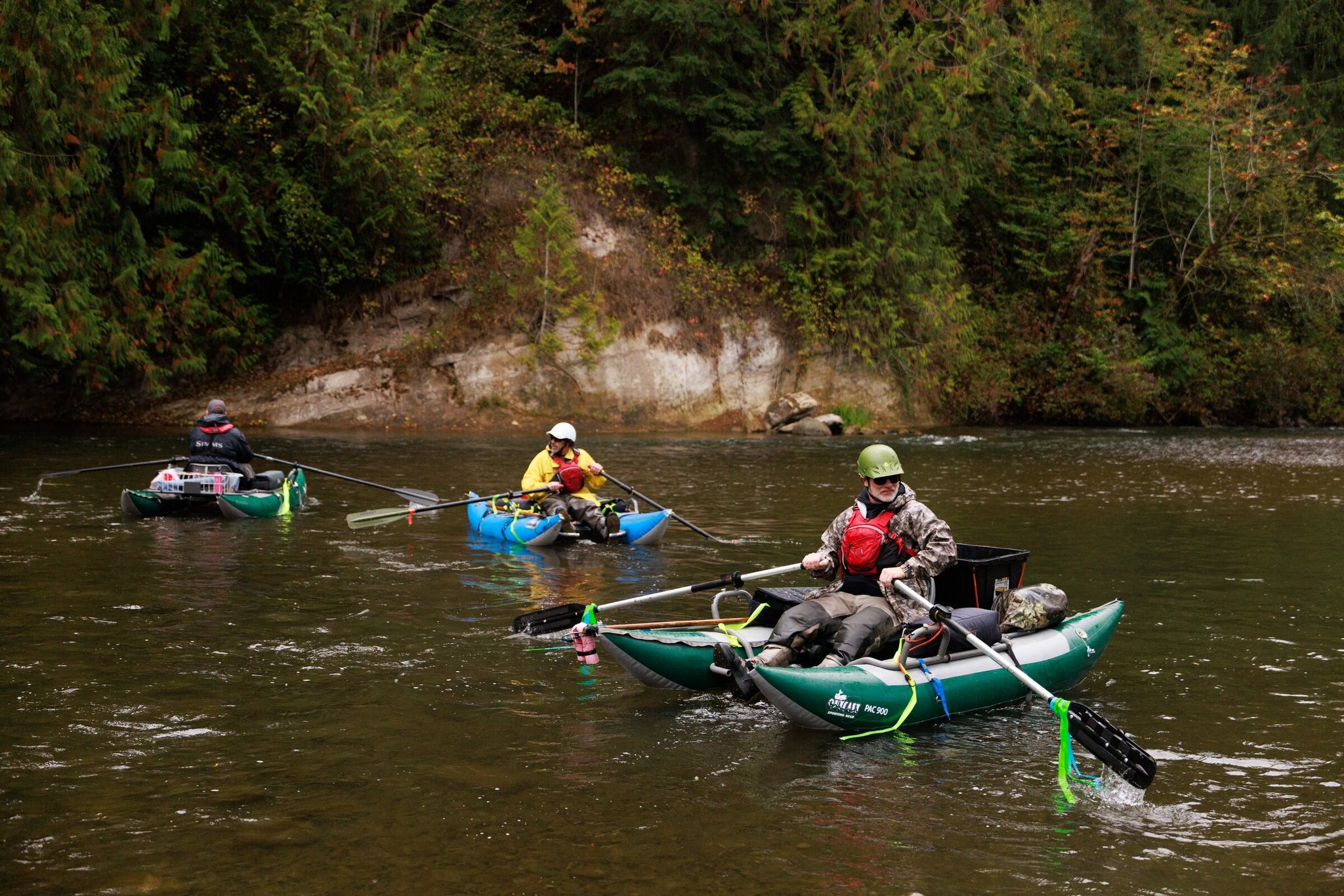
The story of the Green-Duwamish river system — a large watershed that begins in the Cascade Range and flows through Seattle’s industrial areas — is a vivid example of how people have altered salmon habitat. This system plays a key role in the city’s water supply and flood control. Rivers have been blocked by dams, such as the Howard Hanson Dam on the Green River, which block migration routes. Channels have been straightened and floodplains drained for development. The lower Duwamish, historically straightened and channelized for industrial use, remains heavily polluted. Similar straightening and concrete-hardening projects on other urban waterways have destroyed natural floodplains, increased flood risk and worsened water quality.
While pink salmon thrive, larger and more valuable species such as Chinook are suffering. Chinook, vital to orcas, ecosystems and people, face overheated rivers, reduced snowpack and blocked migration routes, spending much more time in freshwater. For Washington tribes such as the Muckleshoot and Suquamish, Chinook have deep cultural, spiritual and economic importance and are guaranteed by treaty rights. In commercial fisheries, they are also among the most valuable species, supporting a multimillion-dollar industry.
In the ocean, billions of pink salmon aggressively compete for food. Studies show that in years of high pink salmon abundance, the stomachs of Chinook, sockeye and coho are often empty and their growth rates and survival decline, creating a food shortage for all.
This directly affects populations. For example, Chinook returns to Puget Sound rivers — a large inland inlet off Washington whose rivers serve as critically important spawning grounds — are on average 39% lower in the years when adult pink salmon abundance peaks.
Predators are also indirect victims. The health of southern resident orcas — a small, genetically distinct population living in Puget Sound waters that feed mainly on fatty Chinook (up to 80% of their diet) — also fluctuates on a two-year cycle, synchronized with pink salmon cycles. Declines in Chinook numbers directly affect the mortality and birth rates of these orcas, putting them at risk of extinction.
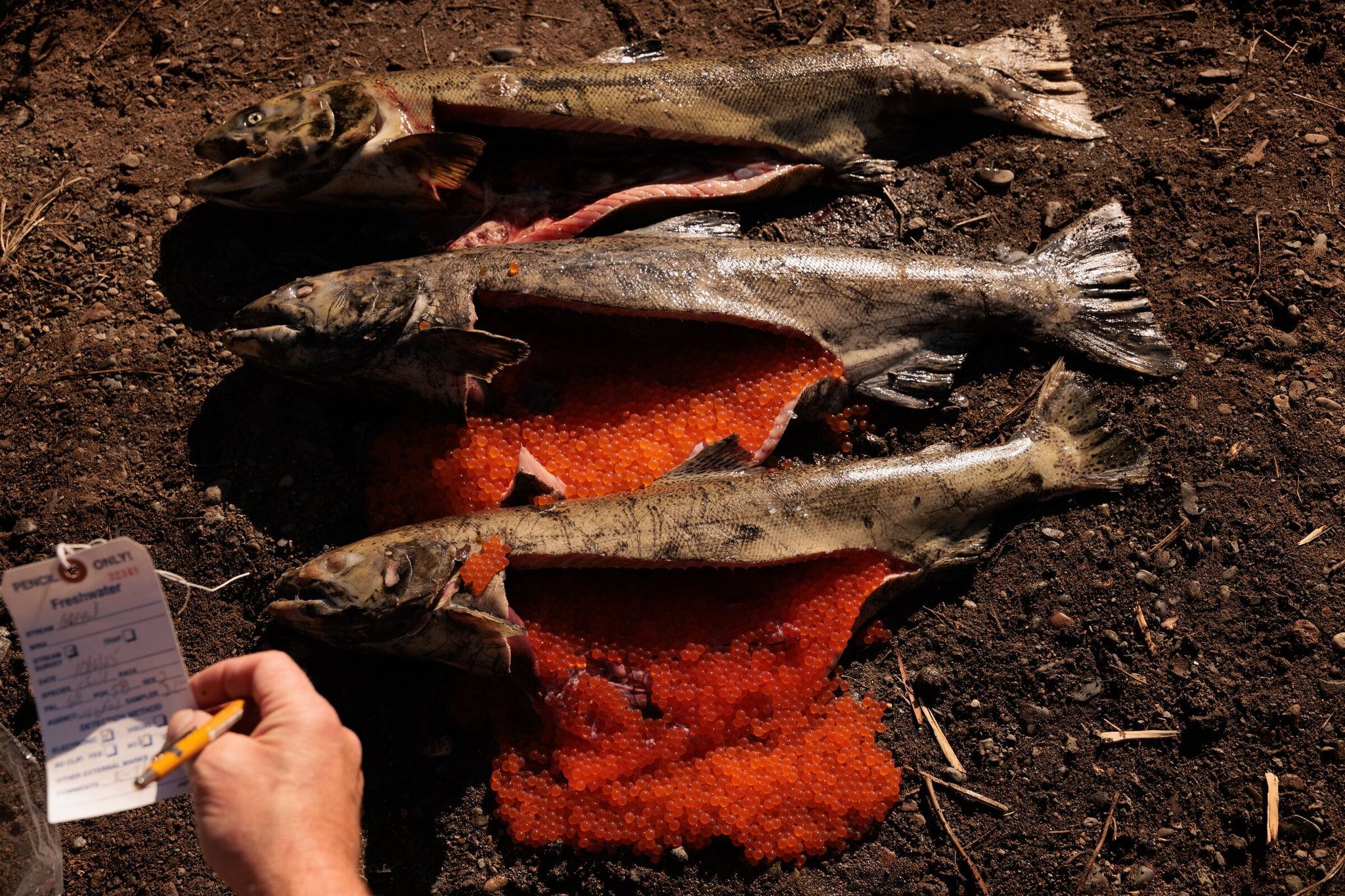
On the Green River, biologists note another troubling trend: high pre-spawn mortality of female Chinook in years when spawning grounds are overcrowded with pink salmon.

Based on: Why this salmon species, unlike others, is booming in the Northwest