
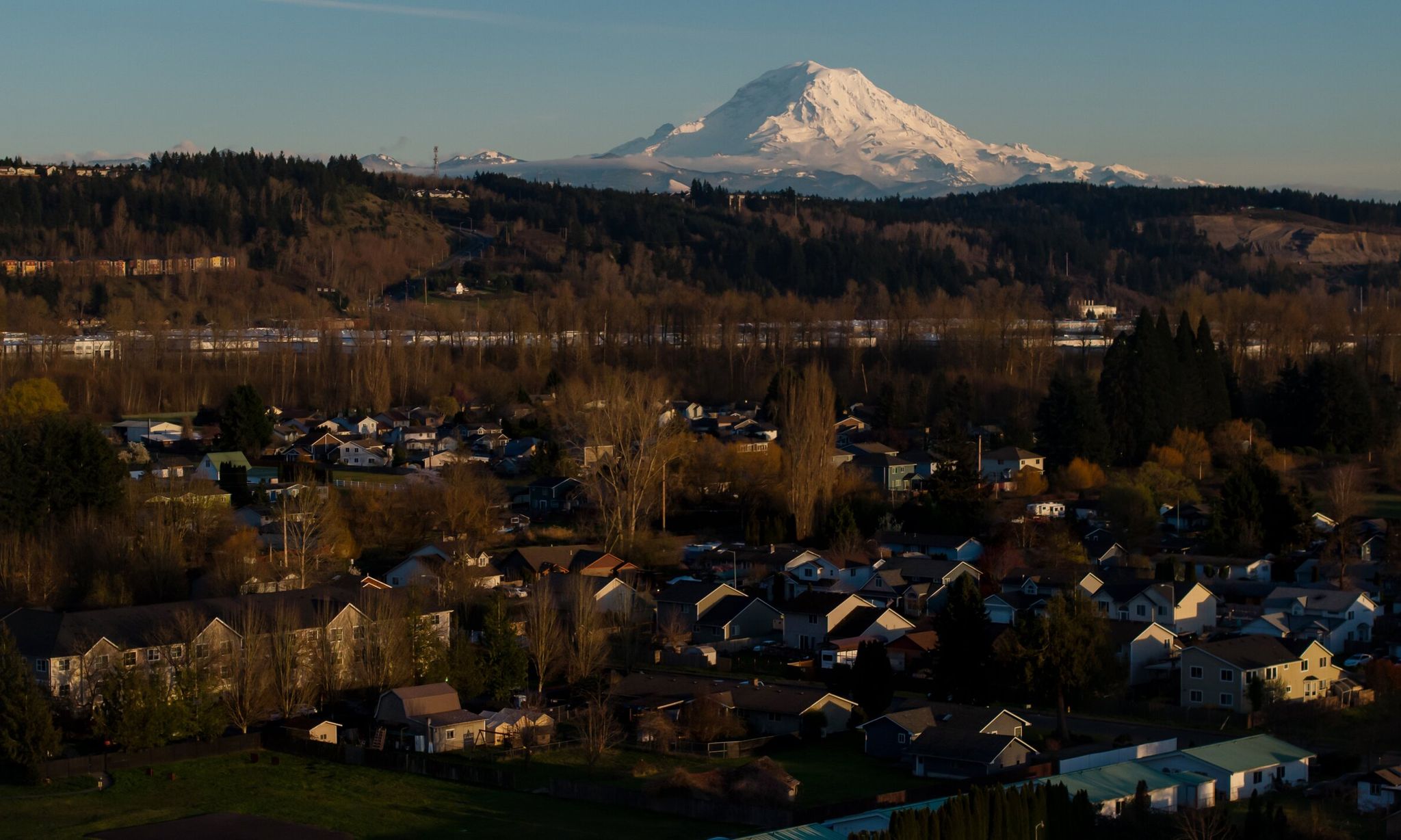
In December 2023, when powerful atmospheric rivers hit Western Washington, the city of Pacific in King County became an epicenter of destruction. Atmospheric rivers are narrow bands in the sky that carry huge amounts of water vapor from the tropics — comparable in volume to the Amazon River. They are typical for Western Washington in winter, as moisture-laden Pacific air masses hit the Cascade Range and are forced upward, cooling and dropping days of heavy precipitation.
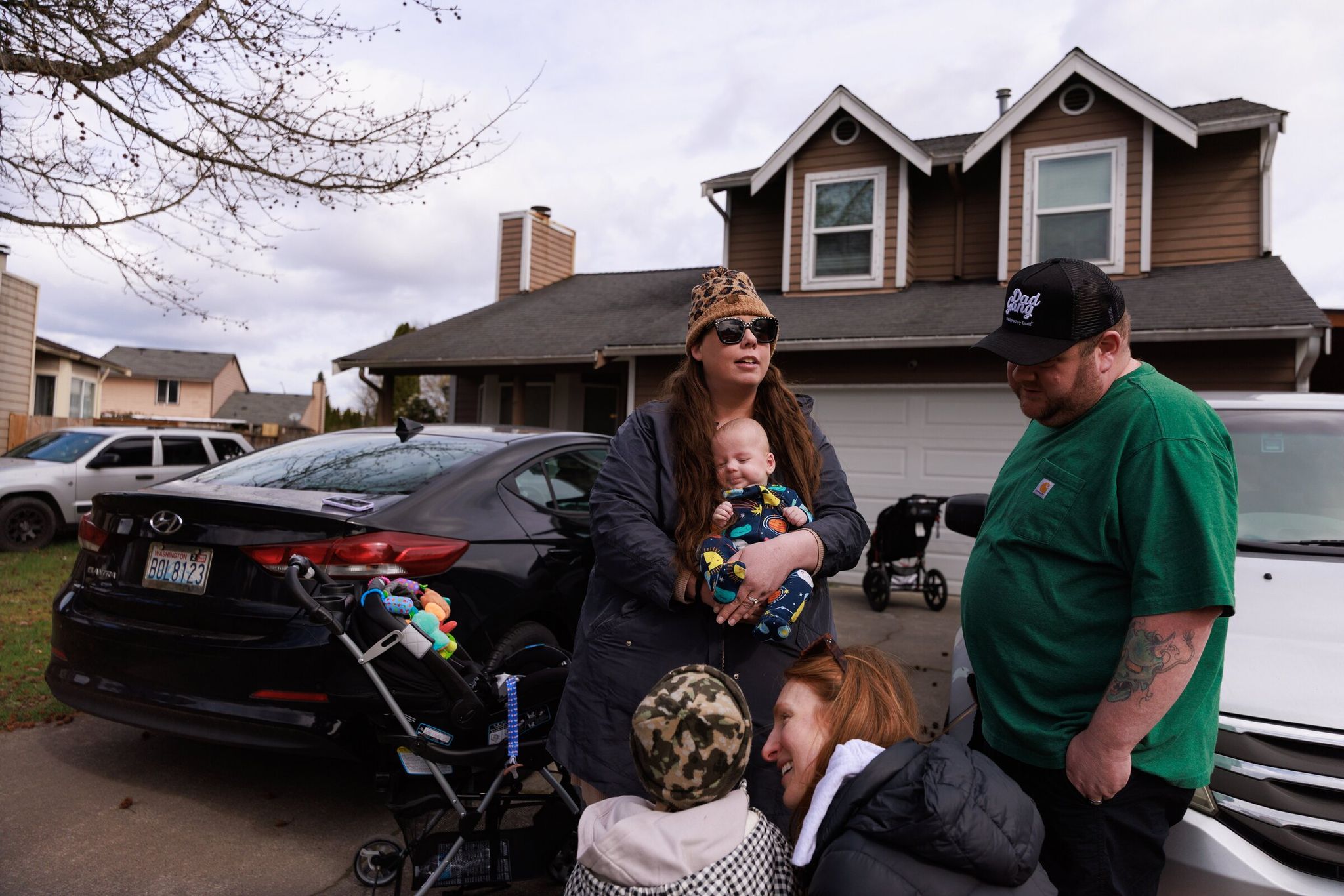
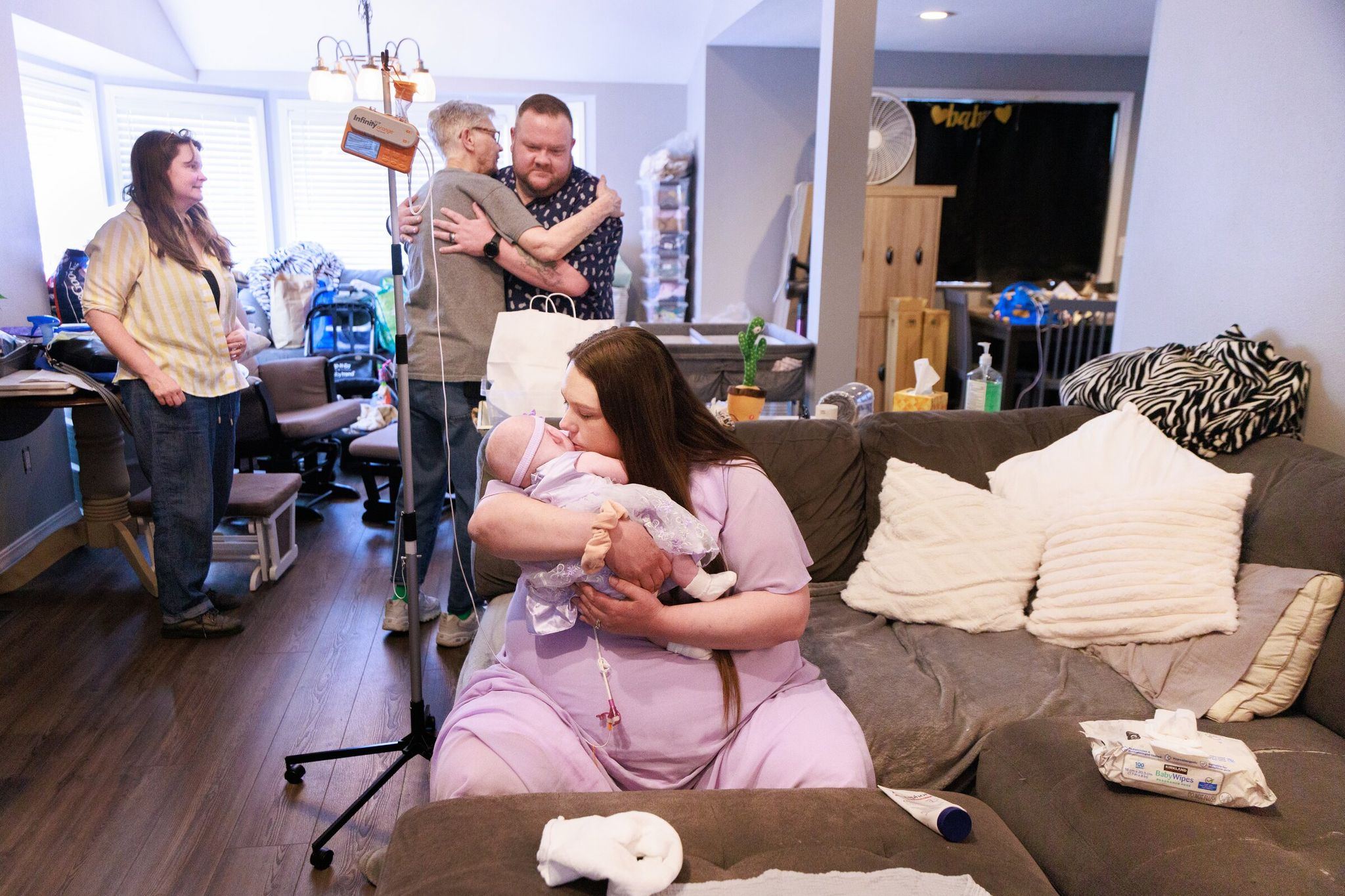
Jessica Adams and Kevin Week had just returned home after 2½ months at Seattle Children’s — the region’s largest pediatric medical center, serving patients from four states. Their premature twins were born there. Son Jackson was discharged, but daughter Maxine remained in intensive care with a rare heart defect. City officials assured residents the levees were “stable,” but that same night the White River breached temporary HESCO barriers that had been installed 17 years earlier.
Those December storms were part of a series of atmospheric rivers — a phenomenon intensified by climate change. More than 100,000 people were evacuated, one woman died, and about 4,000 homes were damaged. Pacific, home to roughly 7,100 people, was among the hardest hit: water inundated hundreds of homes, many of them uninsured. In the U.S., standard homeowners’ insurance does not cover flood damage — a separate policy from the National Flood Insurance Program (NFIP) is required. Residents often skip it because of cost and a false sense of security, believing their home is outside risk zones. Flood maps are also out of date and do not reflect current threats. Months later, some residents had not returned, debts mounted, and aid from authorities, they say, was minimal.
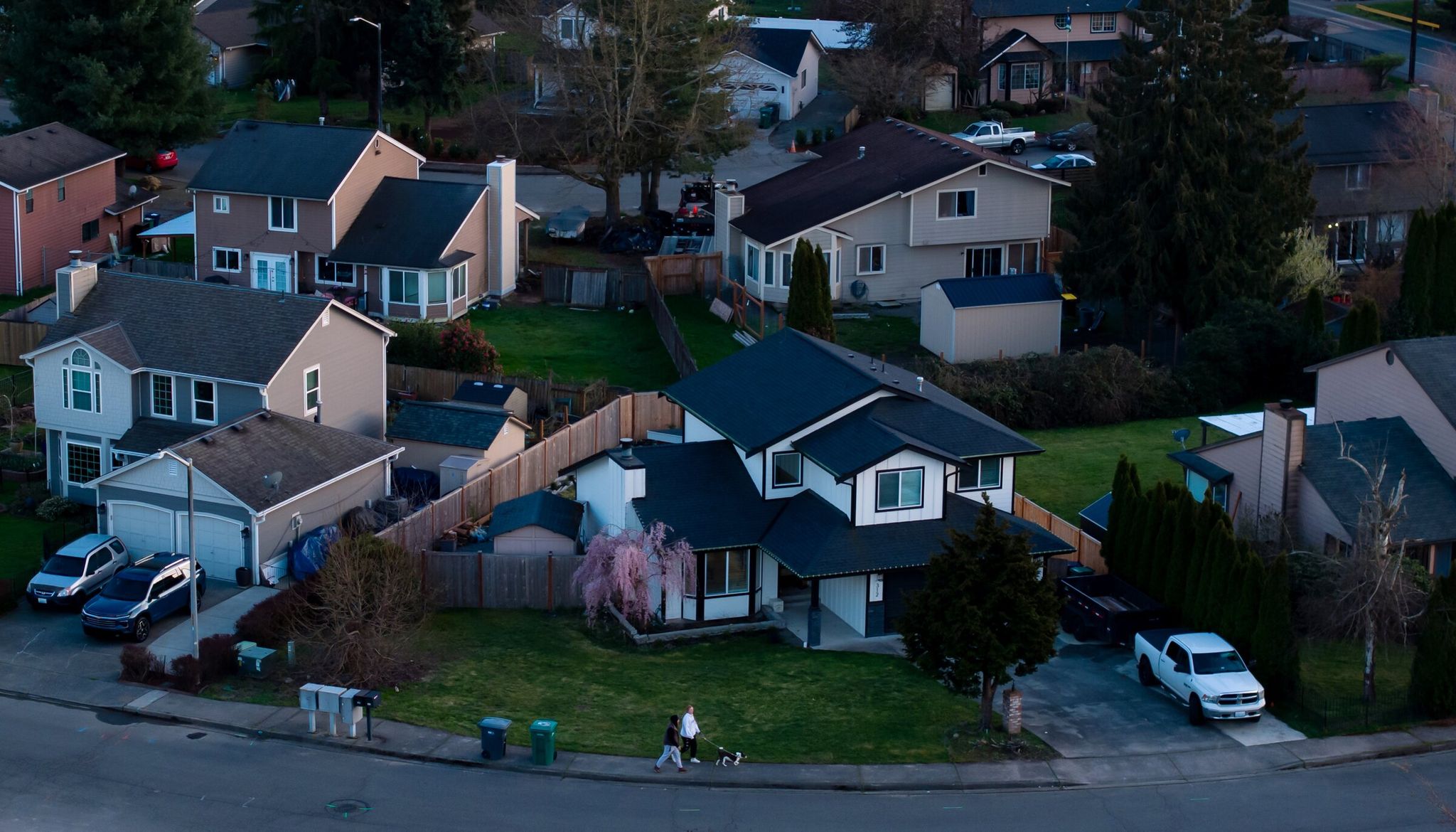
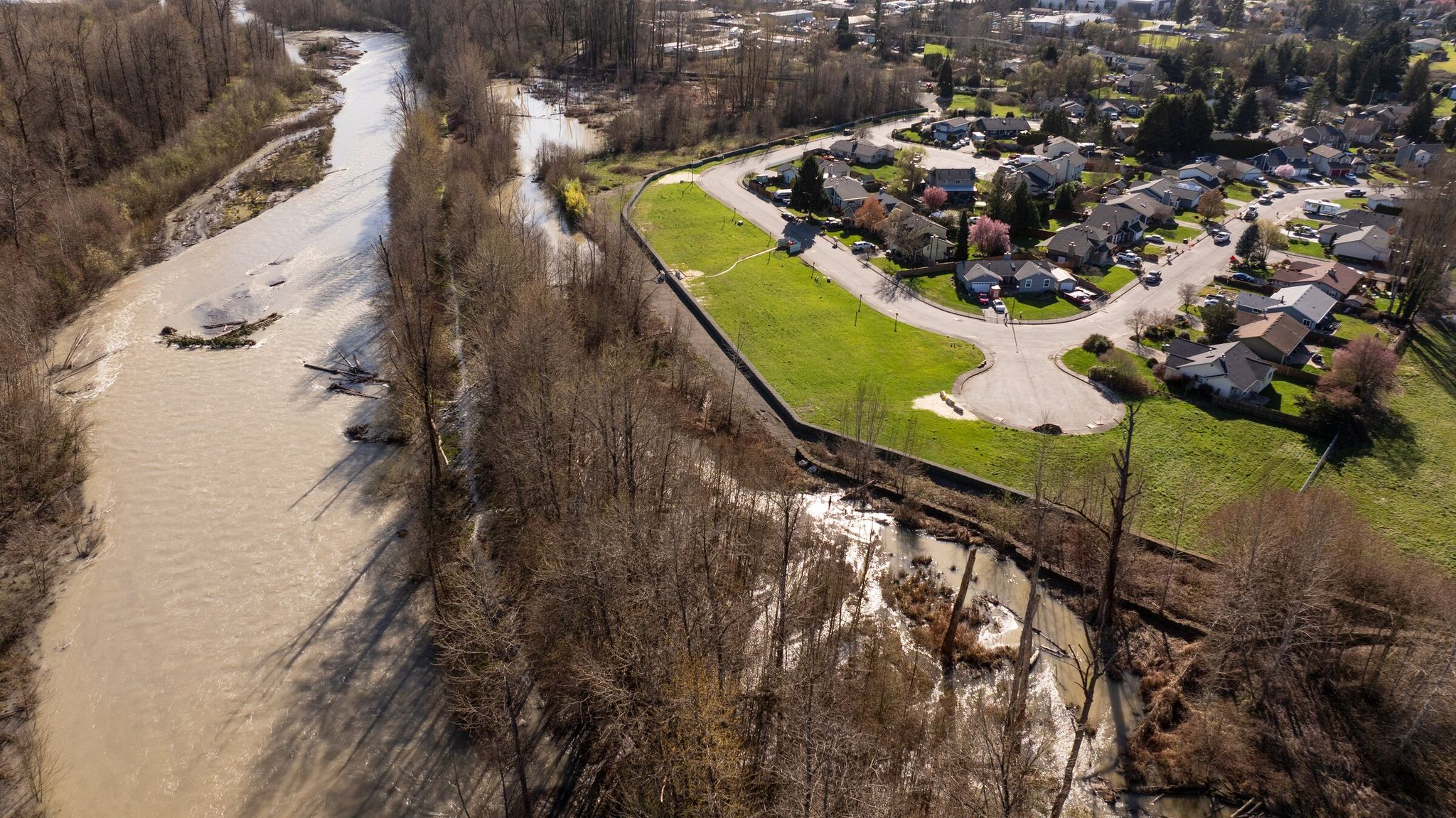
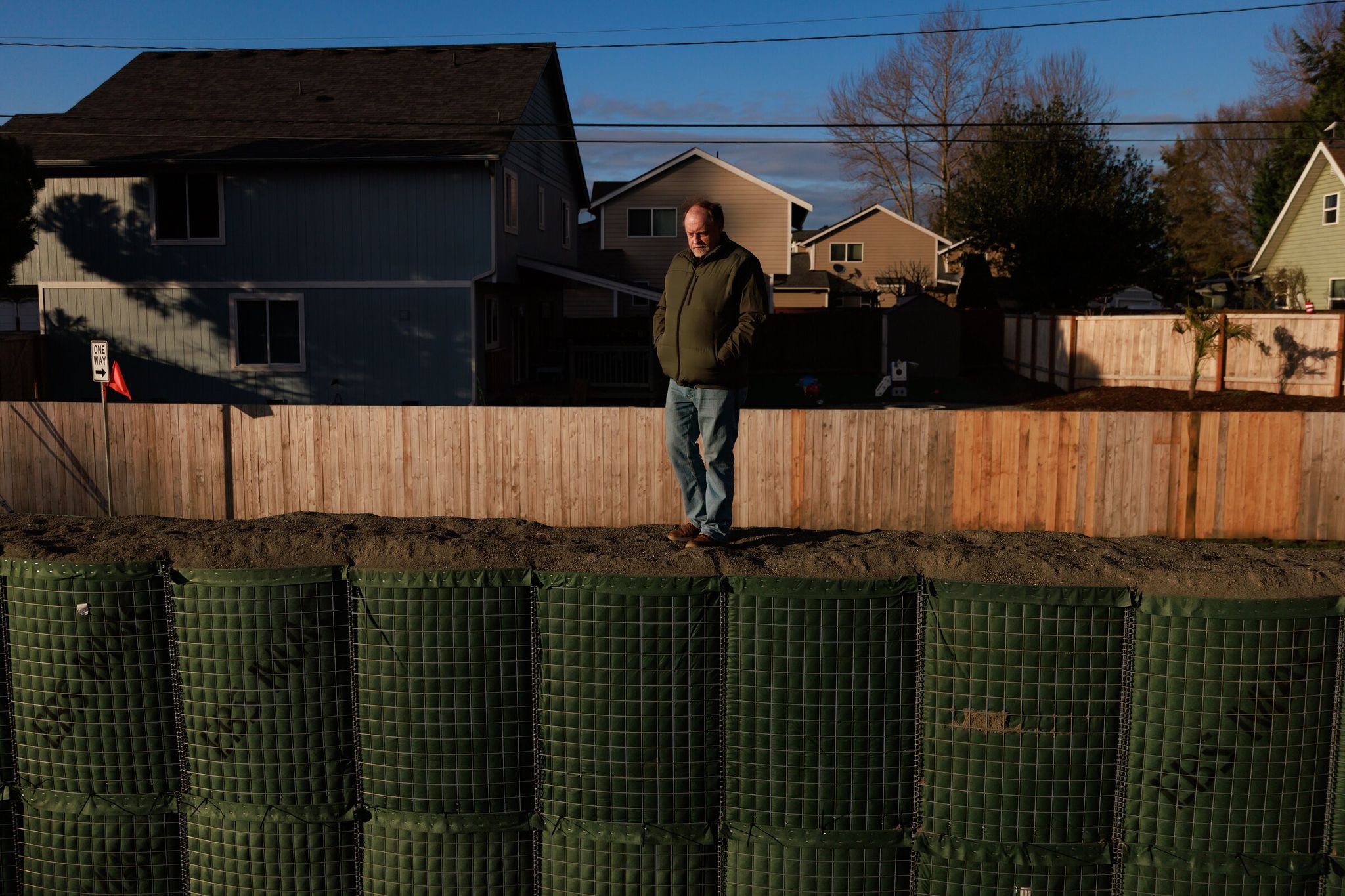
For Adams and Week, Pacific had represented the dream of affordable housing. They bought a house on White River Drive in 2022, placing their hopes for a growing family in it. But a mile of aging HESCO barriers along the river proved to be a weakness — a temporary measure intended to last about five years. HESCO units are modular metal-mesh containers lined with geotextile and filled with sand or gravel. They’re used as a temporary solution because they’re inexpensive, quick to install and mobile. Permanent levees require years of planning, costly geotechnical studies and approvals from multiple agencies. These HESCO structures were now severely worn, and the city lacked funds to replace them.
The long-awaited pregnancy had been difficult: the twins were born at 34 weeks; Jackson weighed just over two kilograms, and Maxine only 1.3 kg. She was diagnosed with pulmonary vein stenosis — a rare disease in which the veins carrying blood from the lungs to the heart are narrowed. The girl will need years of operations, and despite medical advances, mortality can reach 40%. The family struggled with debt and anxiety, clinging to small victories.
Adams and Week’s neighbors were also planning for the future. Trevor Curtis and Emmy Guerra were setting up a nursery for their first child. None of the families had flood insurance — their homes lay outside the official “100-year” floodplain. Yet it later emerged those houses had been affected in 2009. Authorities estimate up to 2.6 million Washington residents live in risk zones, but only about 2% have insurance.
The trouble began upstream, where the Desimone levee in Tacoma broke — an old earthen structure not designed for the extreme volume of water brought by the same atmospheric river. When Adams and Week were driving Jackson home, they saw flooded neighborhoods. In response to the threat, the county organized around-the-clock patrolling of levees, including HESCO barriers in Pacific. But it was there that the worst broke.
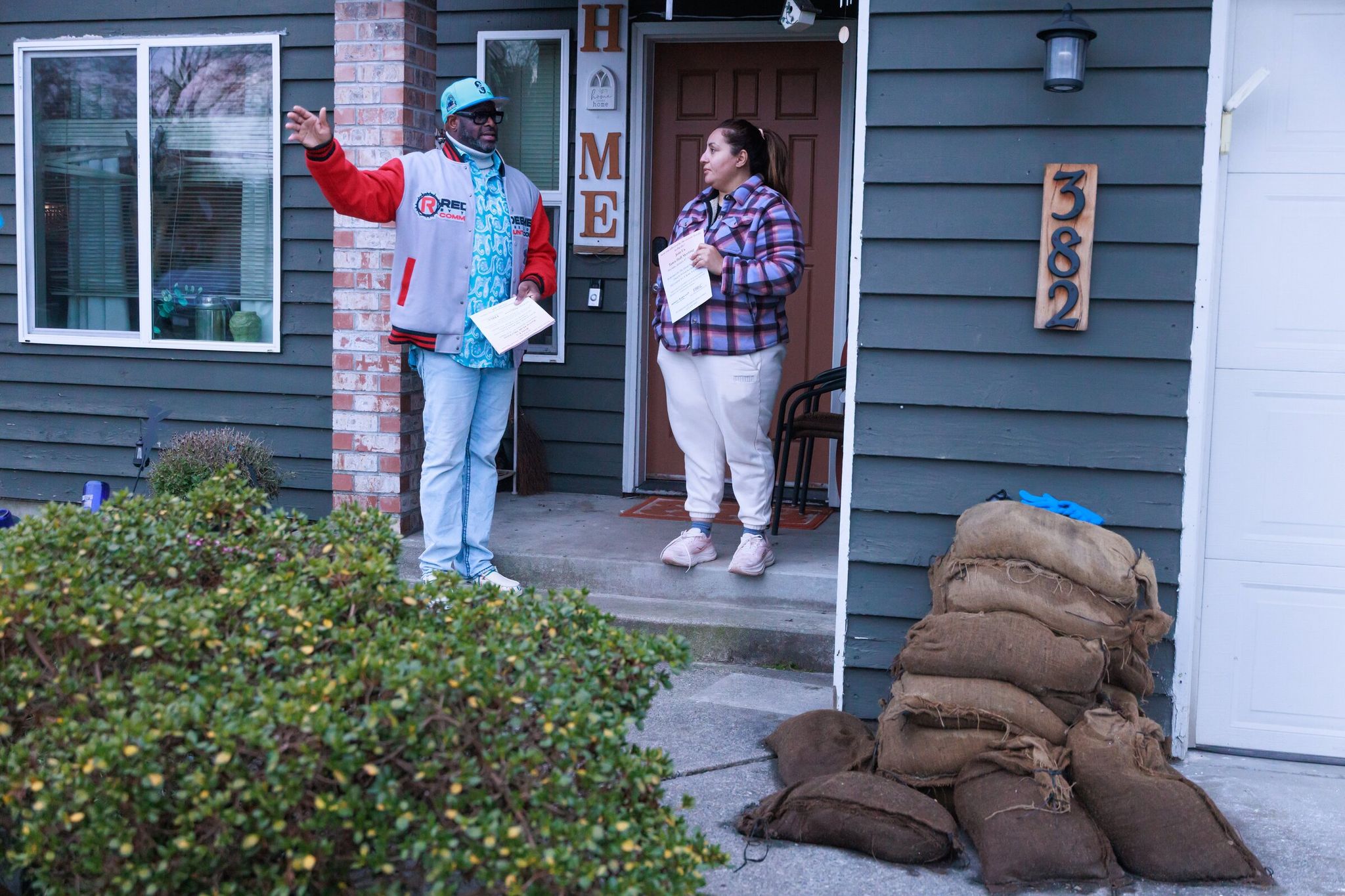
Around midnight, environmental scientist Josh Kubo noticed a small leak through two barriers. He tried to plug it with sandbags, but water surged with great force. Kubo and colleagues began knocking on doors, urging residents to evacuate. Adams and Week woke to the alarm, saw water on all sides, grabbed their son, the dog and bags, and fled to her parents’ house in Covington.
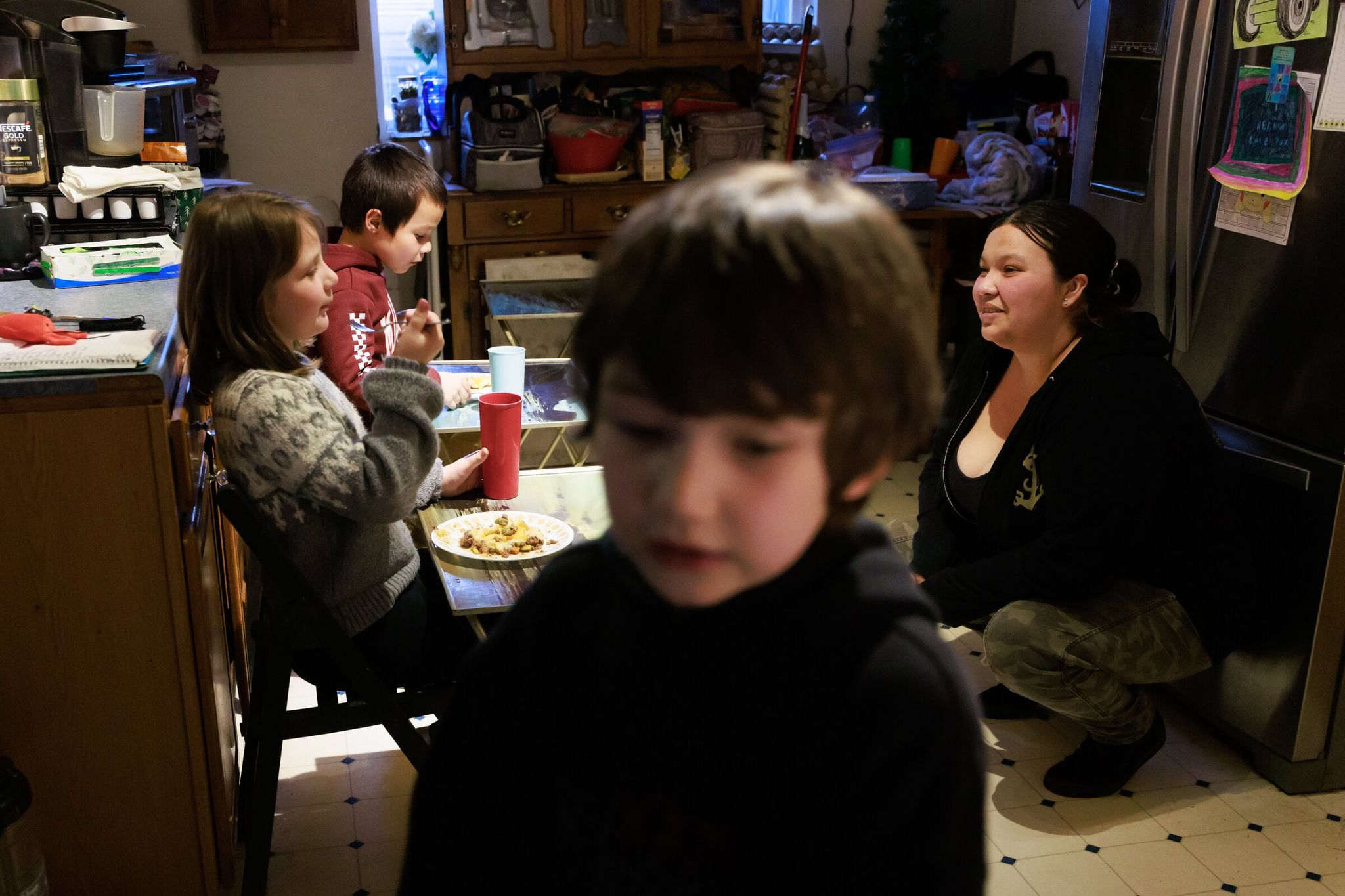
The evacuation was chaotic. Michelle Lane barely got out with her three children and not even shoes. She carried her sons on her shoulders while the eldest daughter held the dog. Hours later, Adams and Week watched surveillance cameras show water pouring into their home. Residents later gathered at a church to discuss a potential lawsuit against authorities — damages ran into the tens of thousands of dollars, and aid was lacking.
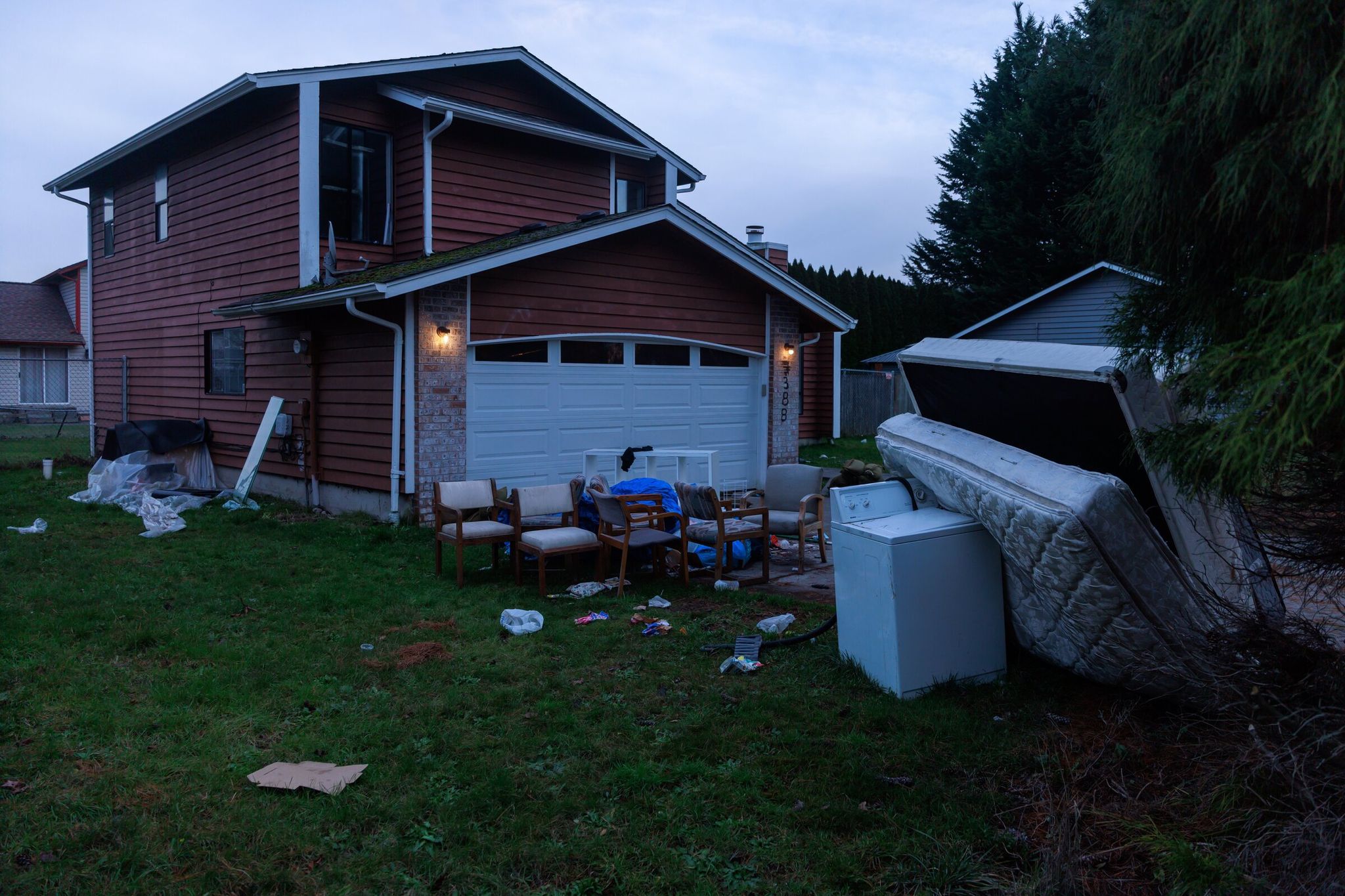
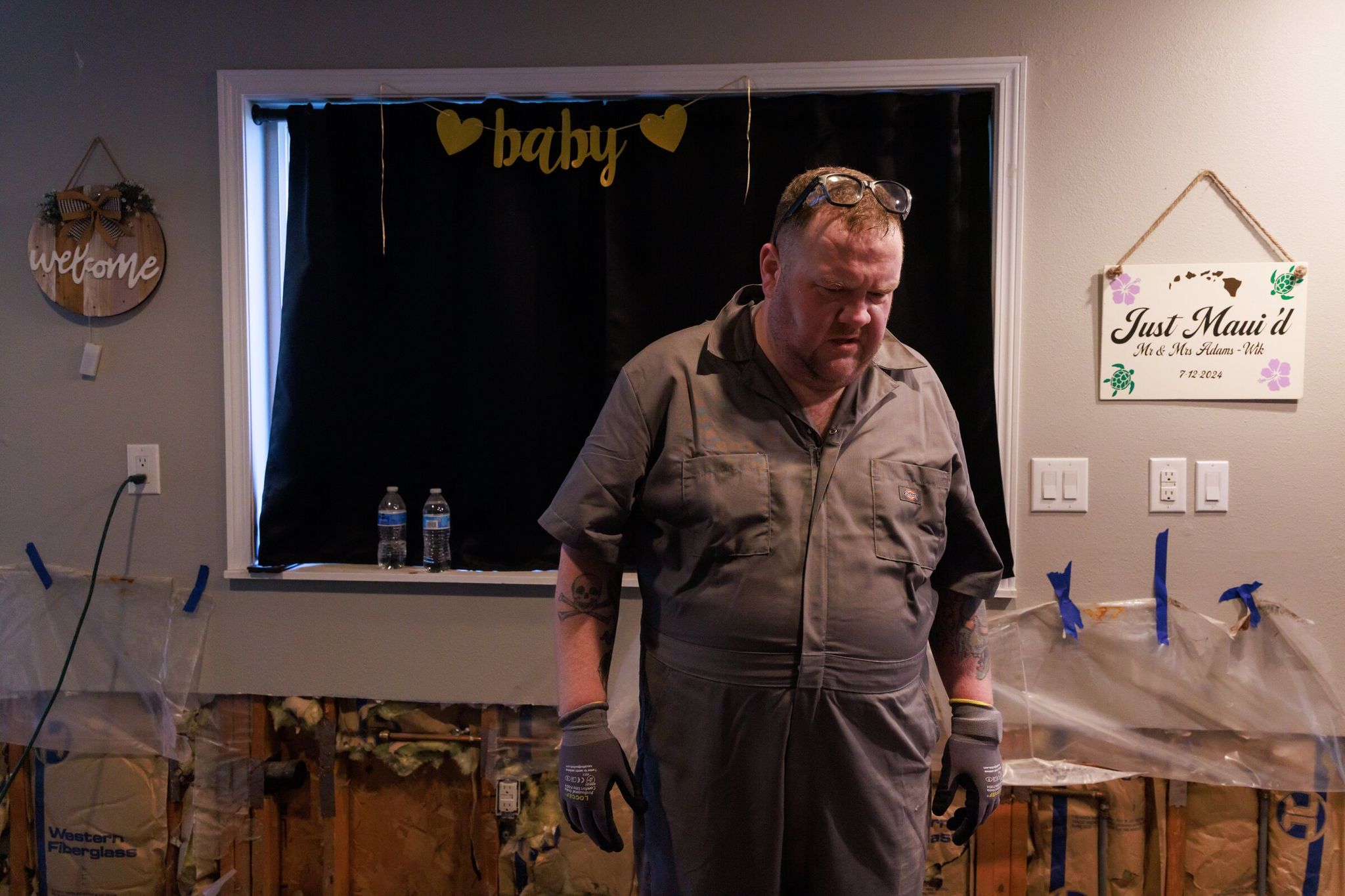
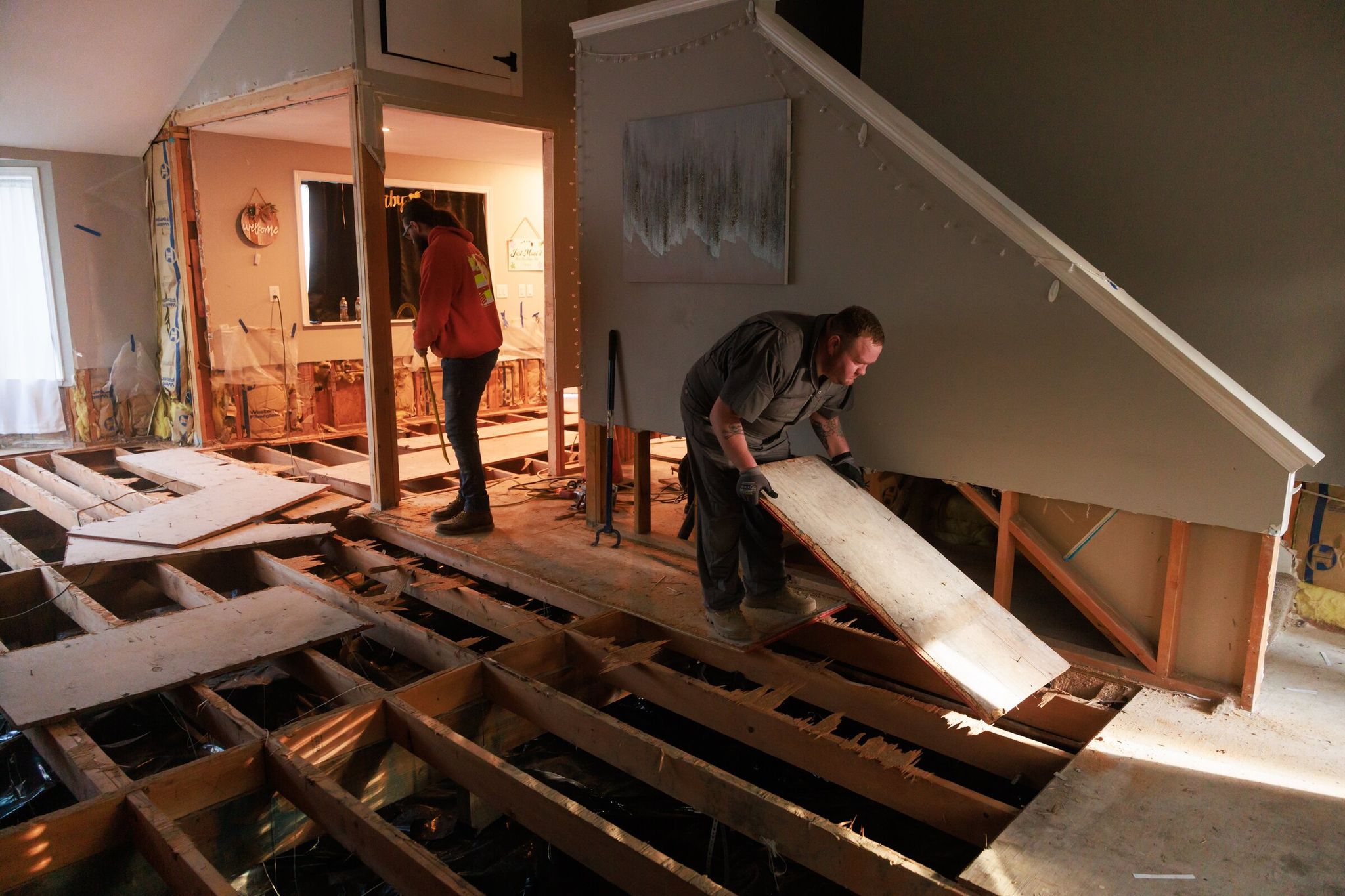
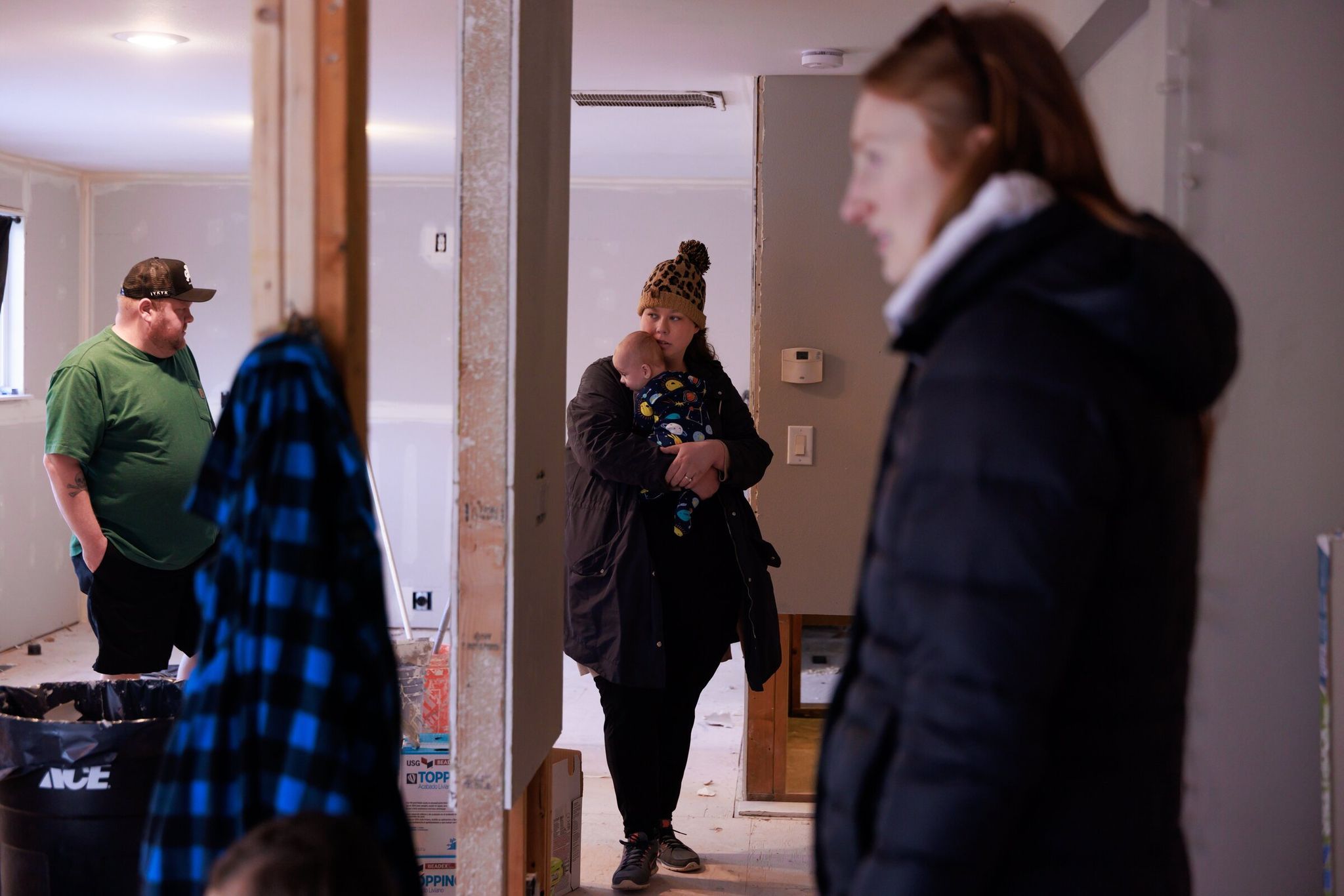
Houses looked intact from the outside but were destroyed inside. People hauled out wet furniture, clothes, photo albums and gifts onto lawns. The city quickly removed garbage bins to prevent the area from becoming an unofficial dump — formally, removal of debris from private property remains the responsibility of homeowners, even when caused by a disaster. Adams and Week rebuilt slowly while Maxine remained hospitalized. They lived in a motel, helped by relatives and strangers, but the city demanded hundreds of dollars in permits for repairs.
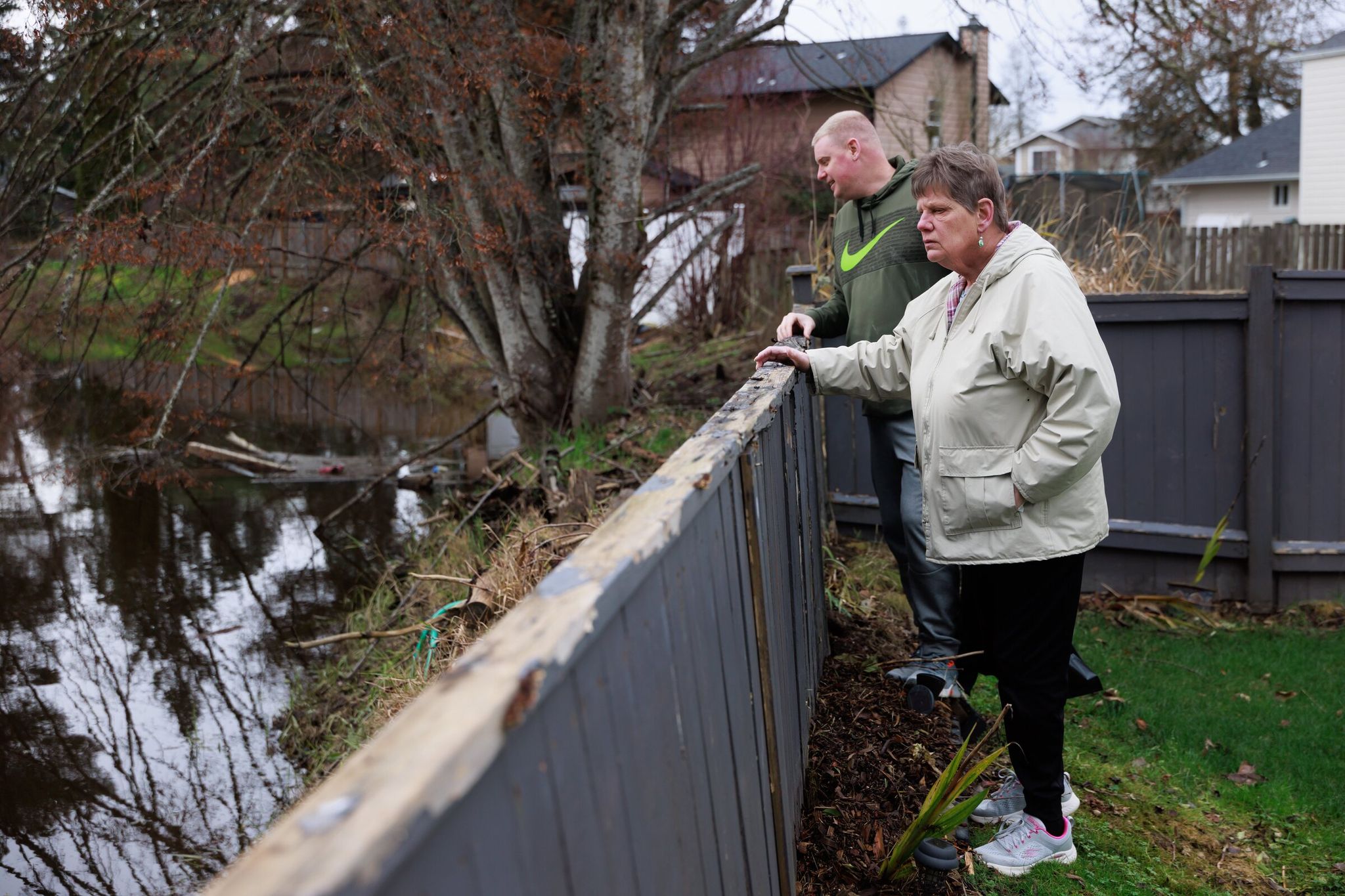
Mayor Vic Kave acknowledged the levee problem had been known for a long time: the county stopped dredging in the 1980s because of environmental restrictions and funding cuts. Regular removal of gravel and sediment from the channel had increased its capacity, and stopping that work led to sediment build-up — the channel became shallower, and during floods water had nowhere to go but over the banks. In 2009, flooding already washed away some homes, and temporary HESCO barriers were installed then. But a permanent solution was never adopted — it would cost about $300 million.
After the December breach, the county again installed similar barriers — this time at a cost of $4 million. County Flood Control Fund director Michelle Clark said she couldn’t explain why the old barriers hadn’t been replaced sooner. The fund finances construction and maintenance of permanent flood protections, river monitoring and environmental projects, but replacing temporary barriers with permanent ones requires environmental review, coordination with landowners and budget allocation — a process that takes years. Mayor Kave called the current choice “wasting money on a bad solution” and wrote to the president warning that “temporary





Based on: WA flood victims’ struggle offers a warning for cities behind urban levees