
Activists in Portland seeking a full ban on hunting and fishing in Oregon have reached a key milestone. Initiative Petition No. 28, filed to expand animal cruelty laws, has collected more than 126,000 signatures, exceeding the 117,000 required. The paperwork has been submitted to the office of the secretary of state, where the signatures will be checked for validity. Oregon’s citizen initiative system, established in the early 20th century, is a form of direct democracy that allows citizens or groups to propose new laws or constitutional amendments without going through the legislature. If an initiative gathers the required number of valid signatures, it is automatically placed on the ballot at the next election.
The petition seeks to eliminate entirely the exceptions that currently allow hunting, fishing, animal agriculture and scientific research involving animals. Activists insist that any harming, breeding or killing of animals should be considered a crime, except in cases of self-defense or veterinary care, including sterilization and euthanasia. “We seek to protect animals’ right to life and bodily autonomy,” the campaign website states.
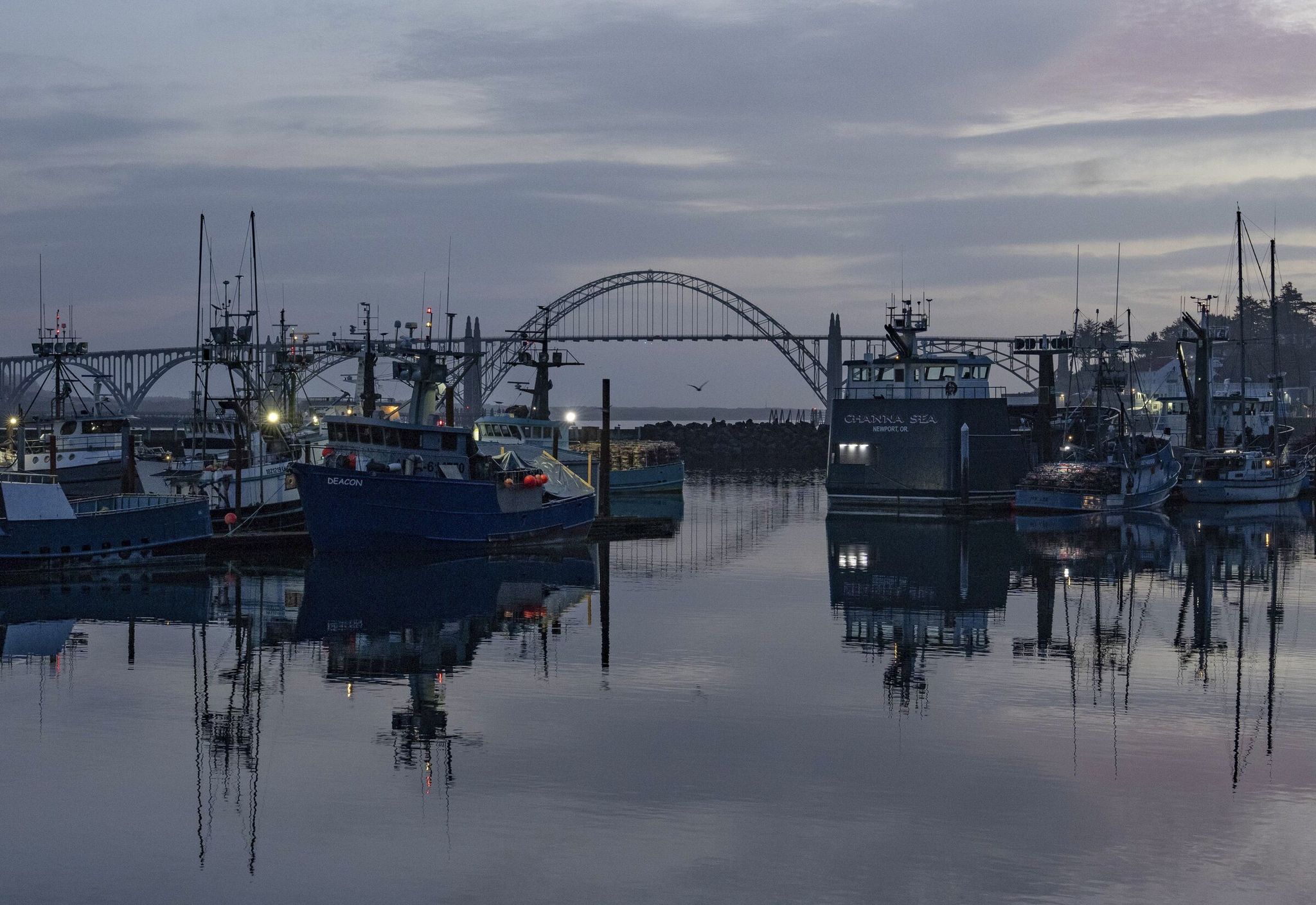
However, such a radical step could deliver a crushing blow to the state’s economy. Oregon beef exports alone generated $127 million in 2023, while the fishing industry provided $517 million in household income and supported more than 10,300 jobs. In addition, scientific research at state universities—which brings billions of dollars into the state budget—would be jeopardized.
All major industry groups have opposed the petition: the Farmers Association, the Hunters Association, the Sportsmen’s Alliance and the Cattlemen’s Association. Paradoxically, the initiative has been condemned by both Democrats and Republicans. Democratic Governor Tina Kotek, who served 15 years in the state House of Representatives before her election—including nine years as speaker—stressed that the petition “risks criminalizing ordinary agricultural practices that are critical to the economy.” Her Republican challenger, Christine Drazan, called it “an attack by the governor’s allies on the state’s economy.” Both parties see the petition as a threat to the funding system for conservation, and they recognize that many rural residents and Oregon’s Indigenous peoples rely on hunting and fishing for food and cultural tradition.
Experts note that a ban would also undermine funding for wildlife management programs, which are traditionally supported by hunting and fishing license sales. In the U.S., including Oregon, wildlife management is funded under the so-called North American conservation model. About 60–80% of the Oregon Department of Fish and Wildlife’s budget comes from hunting and fishing license sales, as well as federal excise taxes on firearms, ammunition and fishing gear. Those funds are used not only to manage game populations but also to protect endangered species, restore habitat, support scientific research, fund anti-poaching efforts and run educational programs. If the ban is adopted, the system would collapse: without license sales the primary funding source would dry up, forcing the state either to sharply cut conservation programs or find new sources of revenue. To mitigate impacts, the petition provides for a transitional fund to retrain workers who lose their livelihoods, but critics remain unconvinced.
Oregon’s initiative system allows citizens to put measures on the ballot without legislative approval, and signature gathering continues through July 2. Because some signatures may be invalidated, activists will seek to collect more than the minimum. If the petition does make the November ballot, the state will face a heated debate over the limits of animal rights and the economic practicality of such a ban.
Based on: Oregon petition to ban hunting and fishing moves closer to ballot