
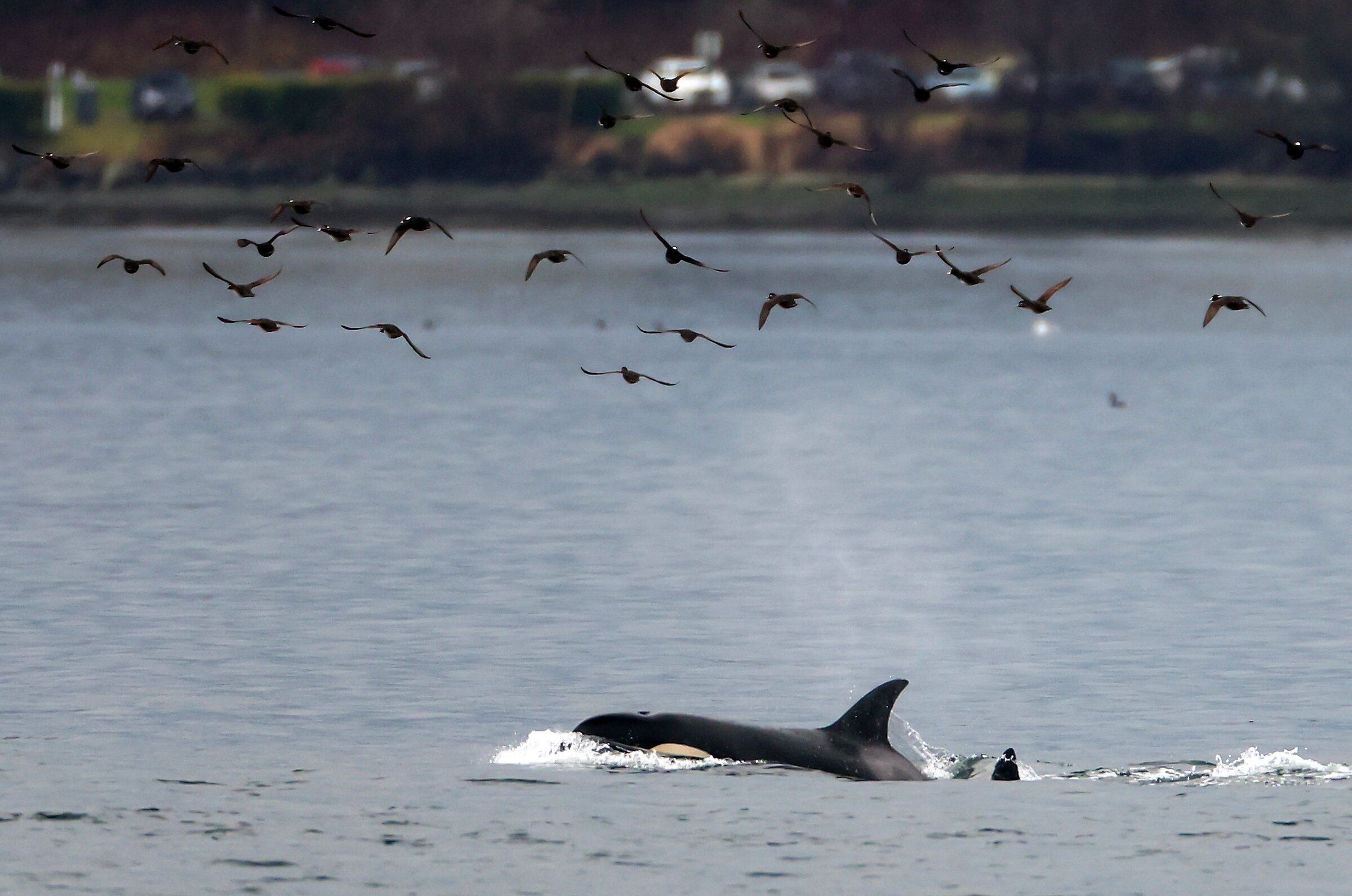
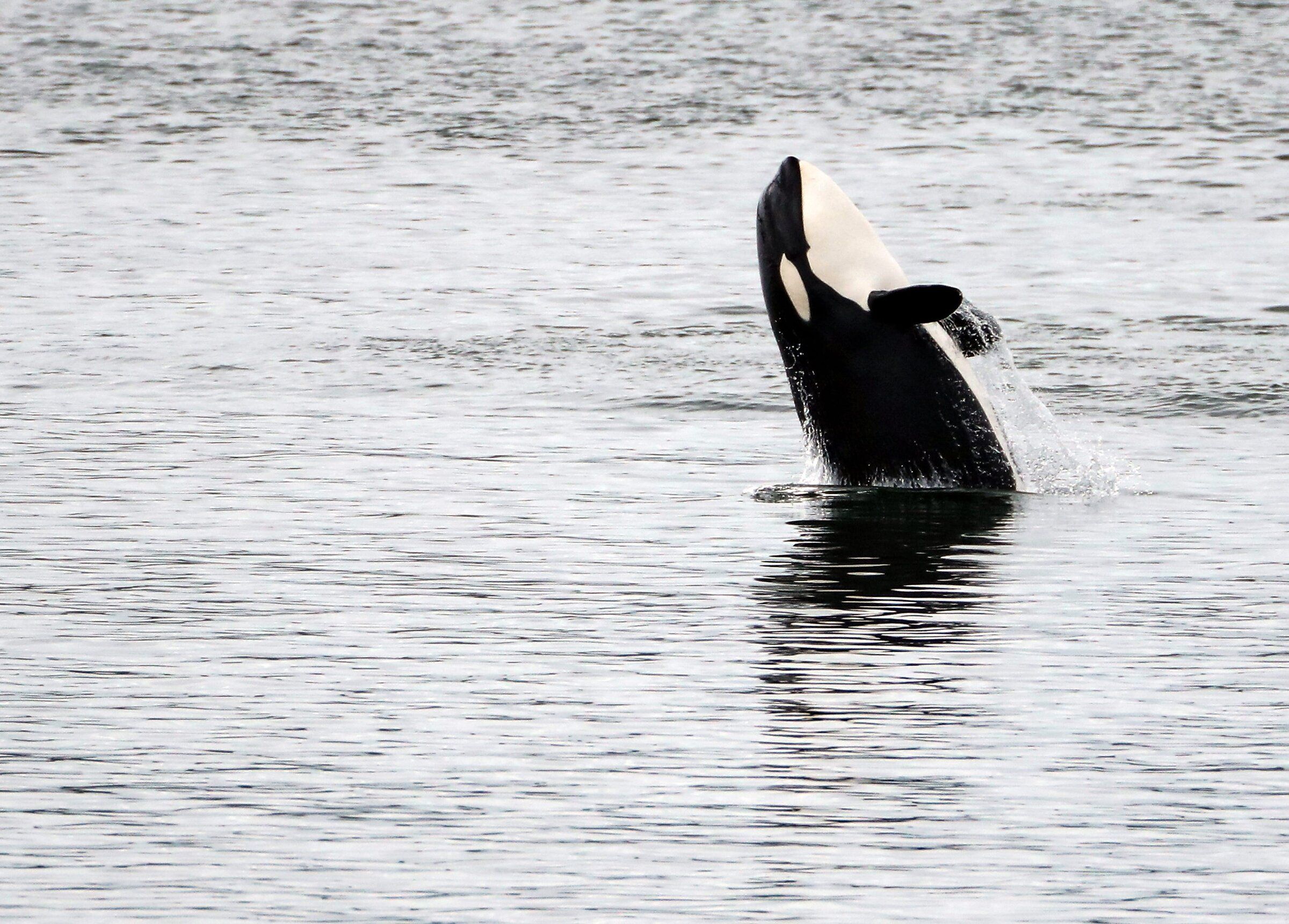
A new study from the University of Washington has found that the likelihood of seeing Bigg’s-type orcas (also known as transients) in Puget Sound has risen sharply over the past decades. From 1978 to 2022, the odds of spotting this particular ecotype — one that feeds on marine mammals rather than fish — increased from 4% to 66%. While the population of southern residents, a fan favorite that feeds on salmon, still faces major challenges.
The scientists analyzed data from a range of sources: reports from citizen scientists, logs from whale-watching operators, observations by specialists, and acoustic detectors (hydrophones). This made it possible to track changes in the presence of two main orca ecotypes in state waters. Southern residents travel in large groups and have complex dialects, while Bigg’s orcas are less social and hunt seals and other marine animals.
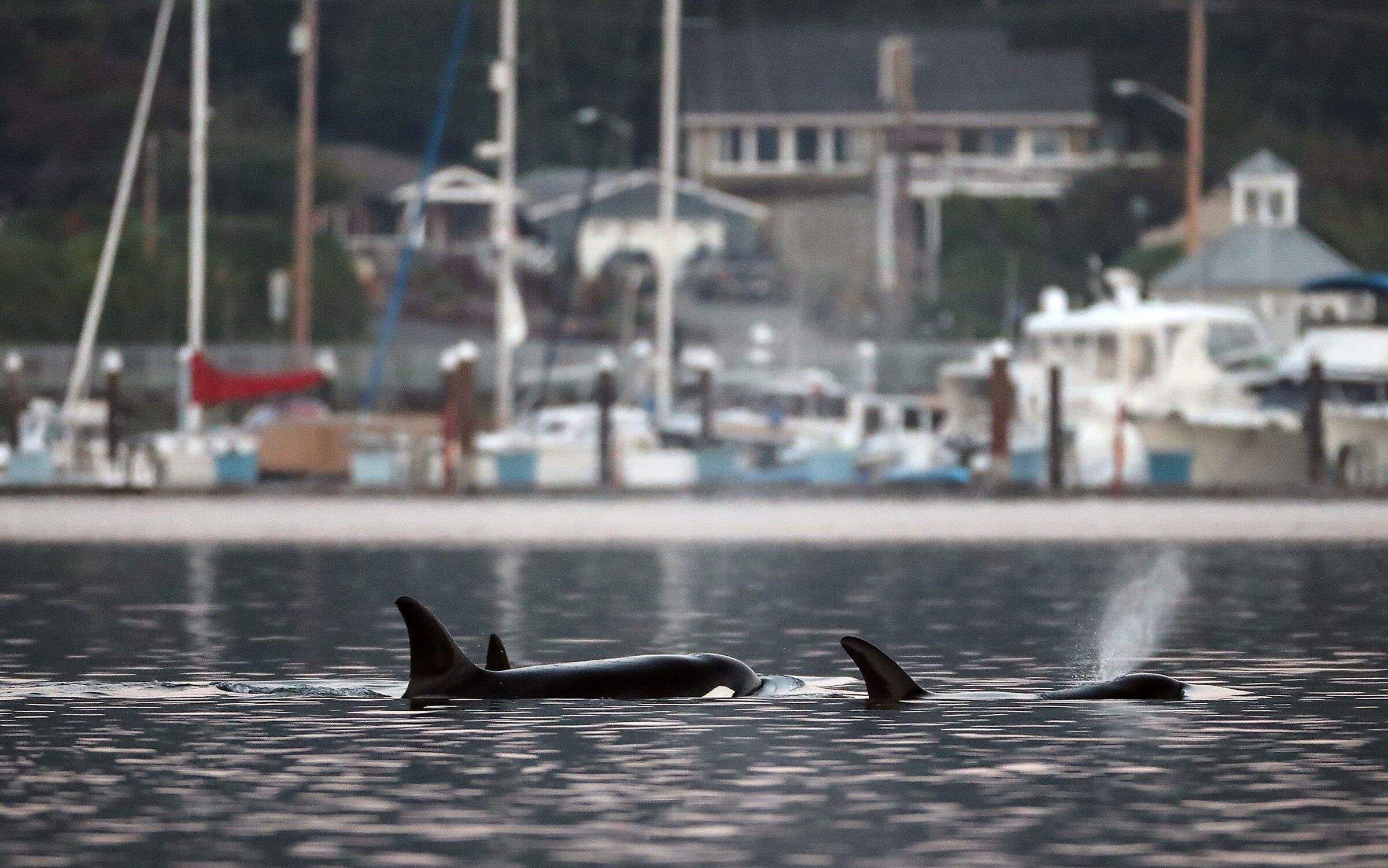
The population of southern residents, which consists of three pods (J, K and L), numbers just 74 individuals as of 2025. Pod J remains stable, while K and L are declining. These orcas are especially important to the region’s Indigenous peoples, particularly the Coast Salish, who revere them as spiritual beings. Southern resident orcas, found exclusively in these waters, have become a symbol of the Pacific Northwest due to their unique genetic lineage and the threat of extinction. Their presence in Puget Sound has proved highly variable: the highest likelihood of spotting them (70%) was recorded in 2001, while the lowest (23%) was seen in 2019.
The main cause of the decline in southern residents is a shortage of chinook salmon — their main prey. These orcas evolved by specializing in that specific type of salmon, which is efficient in terms of size and fat content. But chinook numbers have fallen dramatically. In addition, high levels of contaminants such as PCBs (polychlorinated biphenyls) build up in the orcas’ bodies. When there are fewer fish and the whales lose fat, the toxins are released into the bloodstream, disrupting development, hormones and immunity, and passing from mother to calf. The high PCB levels in Puget Sound waters are tied to the region’s history as a hub of heavy industry — shipbuilding, aerospace (including Boeing plants), and electronics — where PCBs were used as insulators and cooling fluids. Waste was dumped into the bay for decades, and because PCBs persist, they still accumulate in seabed sediments and food chains.
Researchers note that Puget Sound’s ecosystem has changed significantly since the 1970s. Lead author Zoëy Rand emphasized the importance of monitoring these changes for everyone who lives near the bay and looks after it. The increase in Bigg’s orcas is a sign that the food chain is shifting toward marine mammals, possibly due to changes in fish availability and climate factors.
For those hoping to see southern residents, they should head to the San Juan Islands in December–January, when the chances of spotting them are highest. Located in the Salish Sea northwest of Seattle, the San Juan Islands are known for clean waters and a rich marine ecosystem. Because they are close to Seattle and have well-developed ecotourism infrastructure, they are considered one of the best places to watch orcas. To help science, researchers also urge everyone to become citizen scientists: install the Whale Alert app and report any orca sightings. This data will help researchers better understand marine life and track its well-being.
Based on: This type of orca is increasingly likely to be spotted in WA waters, new research shows