
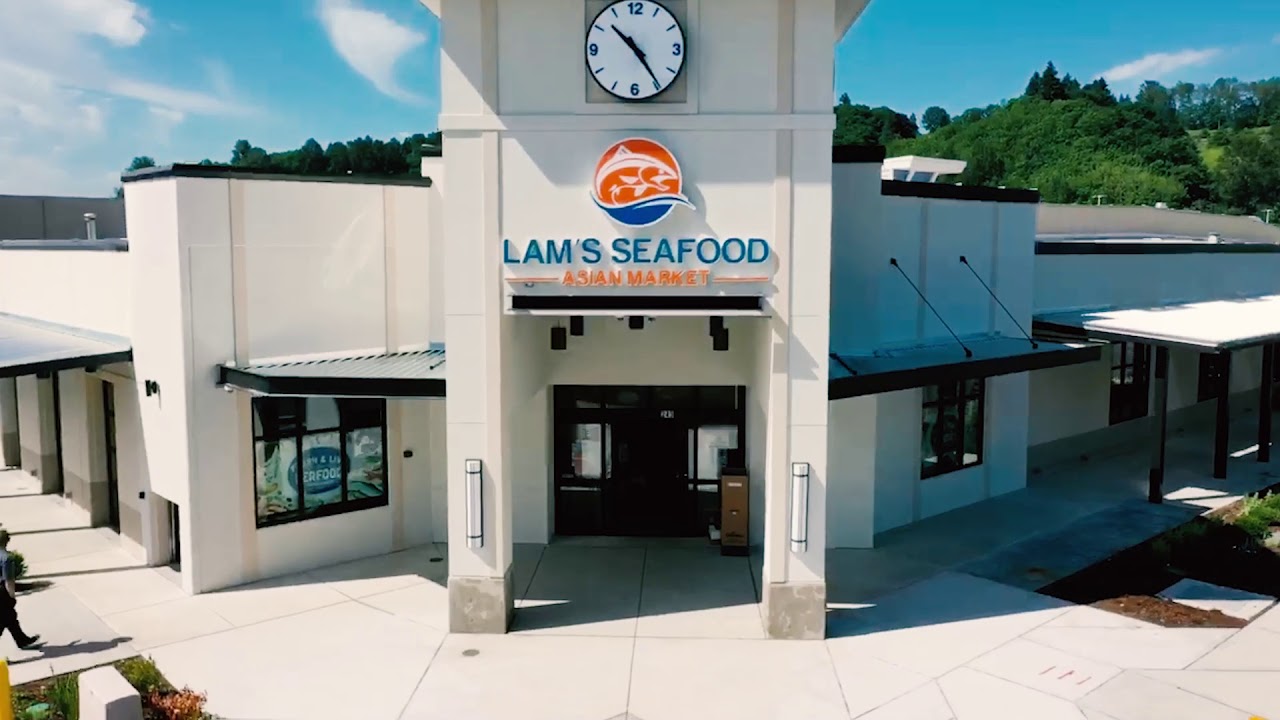
Lam’s Seafood, a Seattle store that has operated in Little Saigon for many years, became a target after a video by right-wing blogger Nick Shirley presented an unsuccessful attempt to pay with an EBT card as evidence of fraud. Store management says the video misinterpreted a routine bulk order of canned meat and that the transaction never took place. Meanwhile, employees are receiving abusive calls, one cashier has taken several days off because of the unwanted attention, and the owners say they have lost revenue and may file a lawsuit.
On Wednesday, October 8, Shirley published a video about alleged trafficking of EBT food-assistance cards in the Chinatown–International District and Little Saigon. In one segment, filmed on September 20, he visits Lam’s Seafood with a Vietnamese-speaking woman and tries to pay for a purchase with an EBT card. The register displays an amount of about $120; the blogger describes it as the price of a can of Spam and a package of sushi and concludes that the store is supposedly involved in a benefits-cashing scheme. By Friday, the video had been viewed nearly 600,000 times.
But Teizi Mersai, Lam’s Seafood’s operations manager, explains what viewers saw differently. According to him, the woman was asking not for a single can but for a case of Fortune luncheon meat—canned meat sold both individually and by the box—with spring rolls added to the order. The can viewers see on the counter was needed by the cashier to process the boxed order. The payment failed because Shirley did not have the correct PIN, and the group left the store without the goods. “There was no transaction,” Mersai says.
The distinction between one can and a case was nearly invisible in the logic of the viral video, but it became central to the store. Mersai says employees cannot decide, based on a customer’s appearance or their own suspicions, who is allowed to purchase permitted products with an EBT card. If workers notice signs of benefits resale in the parking lot, he says, they photograph the people involved and submit the material to the Washington State Department of Social and Health Services, or DSHS.
Food-assistance fraud in the area is neither imaginary nor a minor detail of urban life. In October 2025, Seattle police announced the arrests of 11 people following an investigation into schemes in which EBT cards—or goods purchased with them—were bought from homeless and addicted people for cash, sometimes for roughly half their face value. The food and household goods were then resold to private individuals, restaurants and businesses in King and Snohomish counties. However, the police announcement did not accuse Lam’s Seafood or identify it as a participant in those schemes.
For Little Saigon, the dispute is unfolding against the backdrop of a longer and more painful history. The owners of Lam’s have already said they have lost roughly a third of their revenue in recent years because of petty crime, customers’ anxiety and the perception that the neighborhood has become unsafe to visit for shopping. Local business owners estimate that the number of Asian and Vietnamese businesses there has fallen over two decades from roughly 200 to 80. The store, which grew out of a family shop of less than 700 square feet in the early 1990s, moved to South King Street in 1997 and was taken over by the Nguyen family in 2015. Its displays of fish, vegetables, spices and Southeast Asian products were part of the neighborhood’s everyday infrastructure long before the current internet scandals.
Now that longstanding vulnerability has taken on a new, digital form. Since the video was published, the store has received calls not only from regular customers but also from people employees had never encountered before, who berate them and accuse them of deception. The cashier shown in the video had to take several days off work. Mersai recorded a response video inside the store, demonstrating how boxed orders are processed and trying to bring the dispute back to what actually happened at the register—not to the convenient story it became on social media.
Mersai says he tried to contact Shirley by email and through social media but received no response; the blogger also did not respond to a local television station’s request for comment. Lam’s Seafood is considering legal action, although the store itself appears to prefer a simpler resolution: having the video deleted or corrected. On Friday, Mersai thanked customers who still came in for fish, greens and familiar products. For a small store, it was an act of ordinary courtesy—and at the same time an attempt to preserve normal life in a place where one misread receipt had quickly become a public verdict.



Based on: Seattle grocery fights back against right-wing influencer