
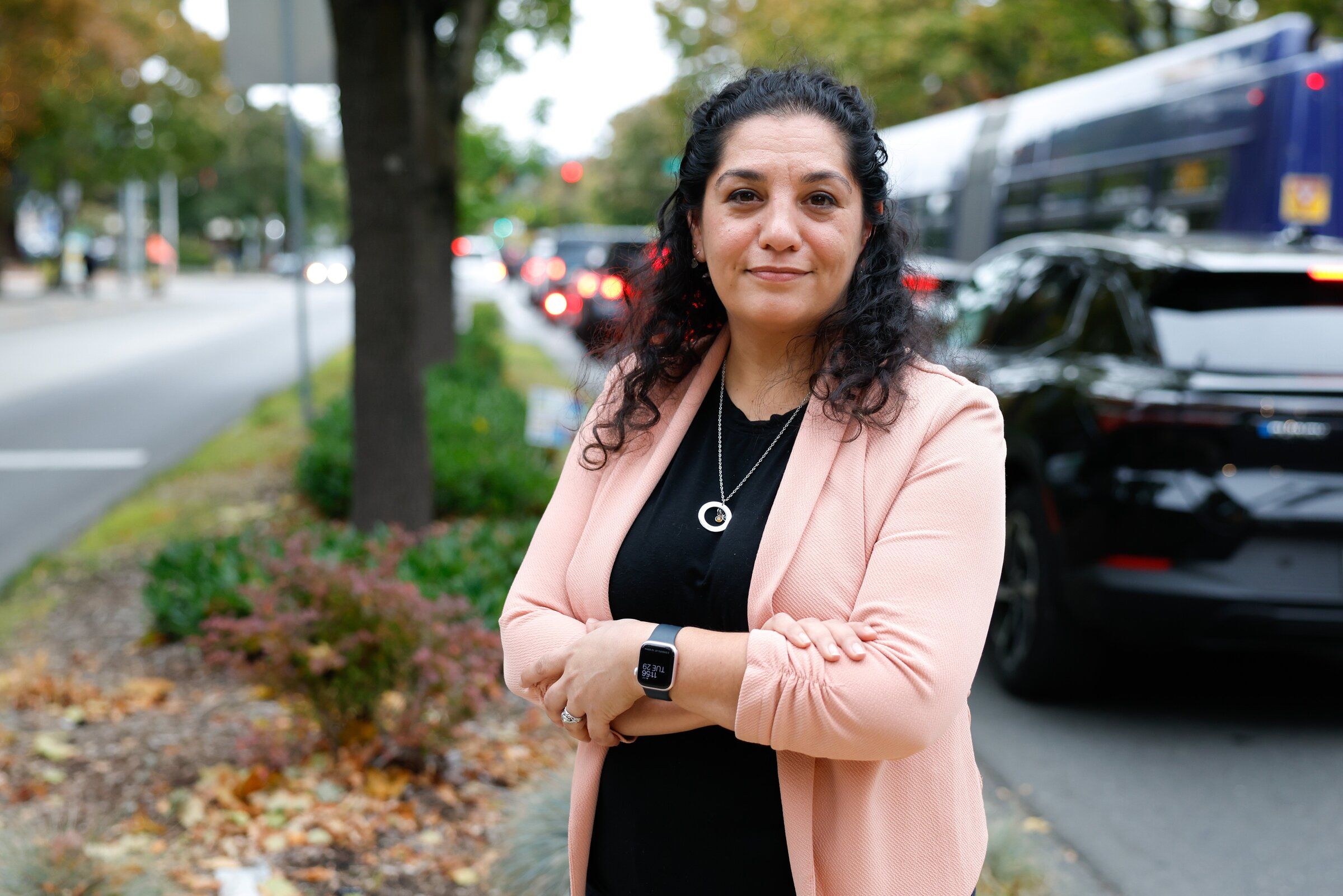
Nilu Jenks, a community activist from Lake City and staffer at FairVote Washington, defeated Julie Kang in the special election for Seattle City Council District 5. According to the latest published vote count, Jenks received about 58.6 percent, compared with Kang’s 41 percent; King County is scheduled to certify the election on November 24. The victory gives progressives another prominent voice at City Hall after their successes in the 2025 elections—and also puts Jenks on the spot to show quickly that talk of housing affordability, transportation and public safety can translate into the city’s day-to-day work.
District 5 covers Seattle’s northernmost reaches: Broadview, Bitter Lake, Greenwood, Lake City, Northgate, Maple Leaf and Pinehurst. In a city where politics is often measured block by block, it is an area of particularly visible contrasts: new light-rail stations alongside streets without sidewalks, expensive development alongside families losing access to basic groceries and a pharmacy, and talk of progress alongside residents’ concerns about Aurora Avenue.
The special election followed the departure of Cathy Moore, who announced her resignation in June 2025 and left the council in July, citing health and personal reasons. The council appointed former council member Deborah Juarez to the vacant seat, but only until the 2026 election. Jenks will now serve out the remainder of the term, which expires at the end of 2027. Next fall, she will have to face voters again—this time to win a full four-year term.
Jenks was already known in local politics before this campaign: in 2023, she ran for the same district but did not make it through the primary. This time, her result was quite different. She received about 54 percent in the August primary, comfortably ahead of three rivals, and widened her lead over Kang in November. In the official voters’ pamphlet, Jenks described herself as the daughter of Iranian immigrants, a mother of two, a Lake City resident and an organizer working on electoral reform.
Her campaign focused on fairly down-to-earth issues. Jenks pledged to push for the construction of 1,000 affordable homes in the district, improve safety on Lake City Way and Aurora Avenue, support small businesses, expand public transit and address gaps in access to food. That last issue took on particular urgency after the closure of the Fred Meyer store in Lake City—the neighborhood’s only full-service supermarket with a pharmacy. For families without a car, this was not a symbolic inconvenience but the loss of a familiar route to get food and medicine.
Julie Kang, an educator and former banking executive who has lived in the district for about 30 years, emphasized different priorities: a tougher, more targeted approach to street disorder, police presence, addiction treatment and combating human trafficking. Both candidates called for increasing police staffing and strengthening the city’s CARE team, which sends civilian specialists to crisis calls. But Kang supported using surveillance cameras in problem areas, while Jenks opposed expanding their use and advocated alternative tools for public safety.
The contrast between the candidates mattered more than the familiar “left versus moderate” framing. Kang, endorsed by The Seattle Times editorial board, Councilmember Bob Kettle and former Council President Sara Nelson, promised to bring practical attention from city government back to North Seattle. Jenks was backed by King County Democrats, labor unions, the Working Families Party, environmental groups and several sitting City Council members. Her campaign argued that public safety is inseparable from housing, reliable transportation, effective social services and trust in institutions—especially in a city where fear of disorder often becomes the dominant language of politics.
Jenks’s victory does not erase the challenges that defined this short election season. Residents are still demanding answers to shootings, the exploitation of sex workers and the visible street crisis along Aurora Avenue; Lake City is waiting for basic services to replace those it has lost; and Seattle’s budget continues to force good intentions to compete with one another. But the vote shows that even in a district considered more cautious than many parts of central Seattle, the promise of making the city both more affordable and more humane proved compelling. For Jenks, this is less a finish line than a brief pause before the work—and another campaign in 2027.


Based on: Nilu Jenks wins City Council seat in North Seattle special election