
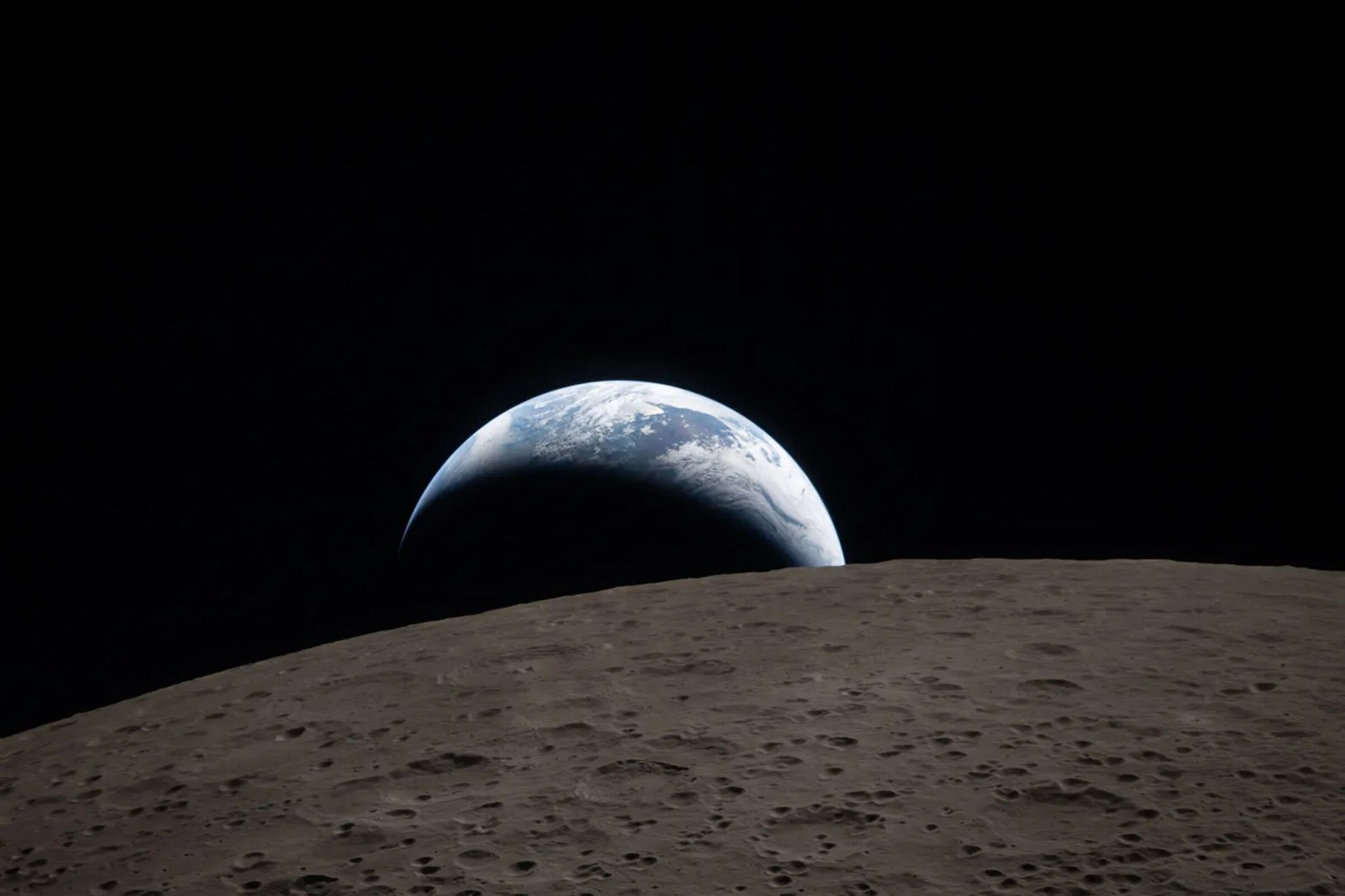
Researchers at Washington State University (WSU) — which, unlike the Seattle-based University of Washington (UW), is historically a land-grant institution with its main campus in Pullman and a focus on agriculture and the basic sciences — have created an innovative test for astronauts. The university is connected to the Seattle region through campuses in Everett and Spokane, online programs, and collaborations with local tech and medical companies. The device is intended to address disrupted sleep in space, where microgravity and the lack of a natural day–night cycle often throw human circadian rhythms off balance, leading to insomnia.
The test is a paper strip costing just $2 onto which a drop of finger-prick blood is applied. A special 3D-printed reader, connected to a smartphone, detects fluorescent melatonin nanoparticles — the hormone that regulates sleep–wake cycles — and delivers a result in just 10 minutes. This is a revolutionary solution compared with traditional methods that required sending samples to a lab and took several days.
Partly funded by NASA, the development will be useful not only in space missions but also on Earth. As researcher Annie Du notes, the technology will be helpful for the military, medical personnel, shift workers, and people with sleep disorders by allowing schedules to be optimized. Annie Du’s team already has experience creating similar test systems: their prior work focused on assessing smoke exposure for firefighters. This area is particularly relevant to Washington state because of more frequent wildfires, especially east of the Cascade Range, where droughts increase risks and worsen air quality, posing health threats to firefighters and the public.
The melatonin-monitoring device is currently undergoing clinical trials, and it will be several years before it reaches the commercial market. Scientists hope that in the future it could form the basis of a continuous monitoring system similar to glucose meters for diabetics.
Based on: WSU melatonin test could help astronauts slumber in space