
Washington Governor Bob Ferguson, who previously served as the state attorney general from 2013 to 2024, is preparing to sign a law that will significantly simplify the process for young people with foster care experience or who have faced homelessness to receive state financial aid for higher education. As the state’s chief executive, Ferguson has consistently supported expanding social programs, and this broadly backed legislative initiative will automatically grant this group of students eligibility for the state’s largest grant program.
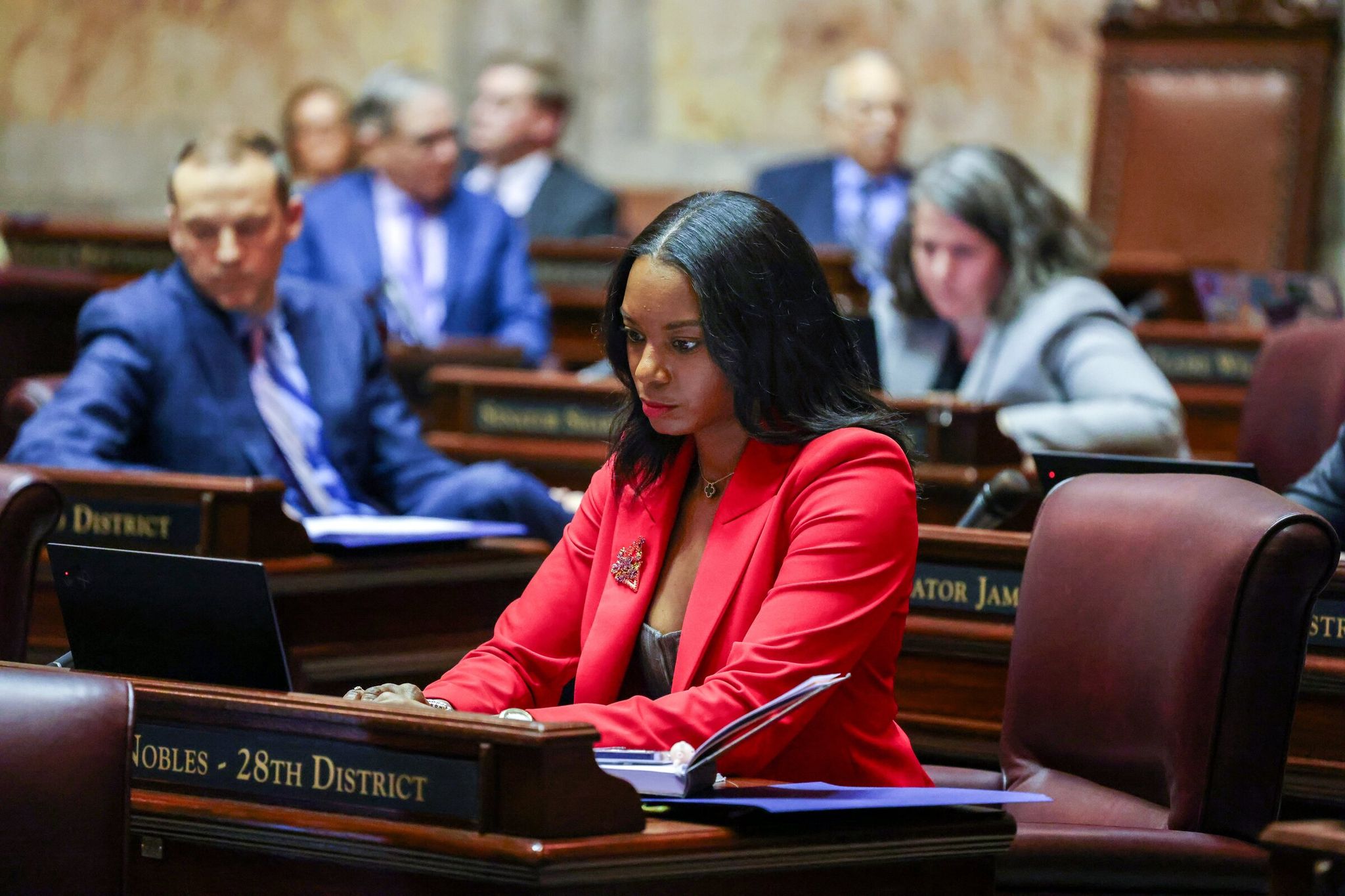
The law, known as Senate Bill 5963, was introduced by Senator T’wina Nobles, who represents the 28th legislative district. Her personal experience growing up in a troubled family and overcoming hardships directly motivates her work on laws supporting vulnerable youth. The core of the initiative is that students already eligible for the special support program “Passport to Careers” will automatically gain access to the Washington College Grant. This will spare them from having to navigate lengthy bureaucratic procedures.
The initiative was designed to eliminate systemic barriers this vulnerable group of youth faces on the path to education. “These young people already face huge obstacles,” Senator Nobles said. “The law makes the financial aid process clearer and more accessible so they don’t miss out on support simply because the system is complicated.”
The Washington College Grant is the state’s largest financial aid program. It is intended for Washington residents who attend community and technical colleges, four-year institutions, or apprenticeship programs. The new rules will take effect for students applying for aid beginning in the 2026–27 academic year.
The “Passport to Careers” program referenced in the new law already supports former foster youth and young people who have experienced homelessness without parental care. It helps with tuition payments, covers some living expenses while enrolled, and provides career counseling services. In practice the program provides financial aid, mentoring, and resources to obtain education or job training. However, its implementation faces challenges: larger cities like Seattle have more available schools and employers, while rural counties have limited options, and youth often contend with transportation barriers, a digital divide, and a lack of local employment partners.
The bill passed the state legislature with overwhelming bipartisan support. Nearly all senators and representatives voted in favor. The lone opponent was Republican Jeremy Dufault, who said the state should focus tax resources on more pressing issues like road repair and supporting the health care system.
In practice, the new law means eligible students no longer have to wait months for confirmation of their grant eligibility after submitting a federal financial aid application (FAFSA). Instead, their eligibility for the maximum Washington College Grant will be confirmed immediately, giving them financial certainty for years to come.
This is especially important for the youngest participants in the program. A child placed in foster care at age 13 could already be guaranteed full payment for their future college or retraining program. Young people qualify for the Passport to Careers program if they were in state or tribal foster care after age 13, or experienced unaccompanied homelessness (without parental care) in the previous school year, provided they enroll in an educational institution before turning 21. The term “tribal foster care” in Washington refers to the right of federally recognized tribes, such as the Tulalip or Muckleshoot, to independently manage foster care matters for children from their communities. Tribes work with state agencies through special agreements to provide culturally sensitive support to youth.
Based on: More WA foster, homeless youth to get tuition help