
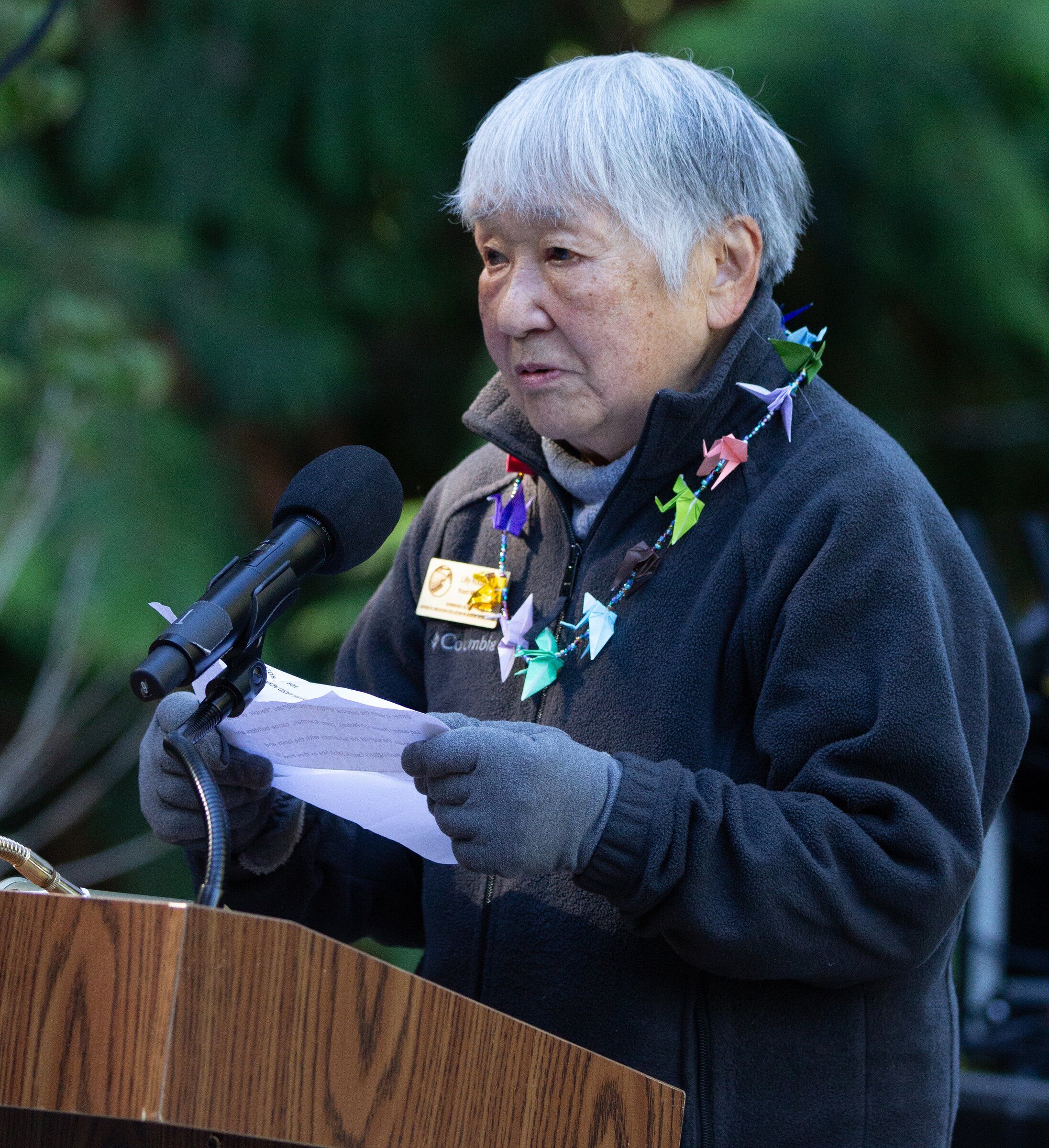
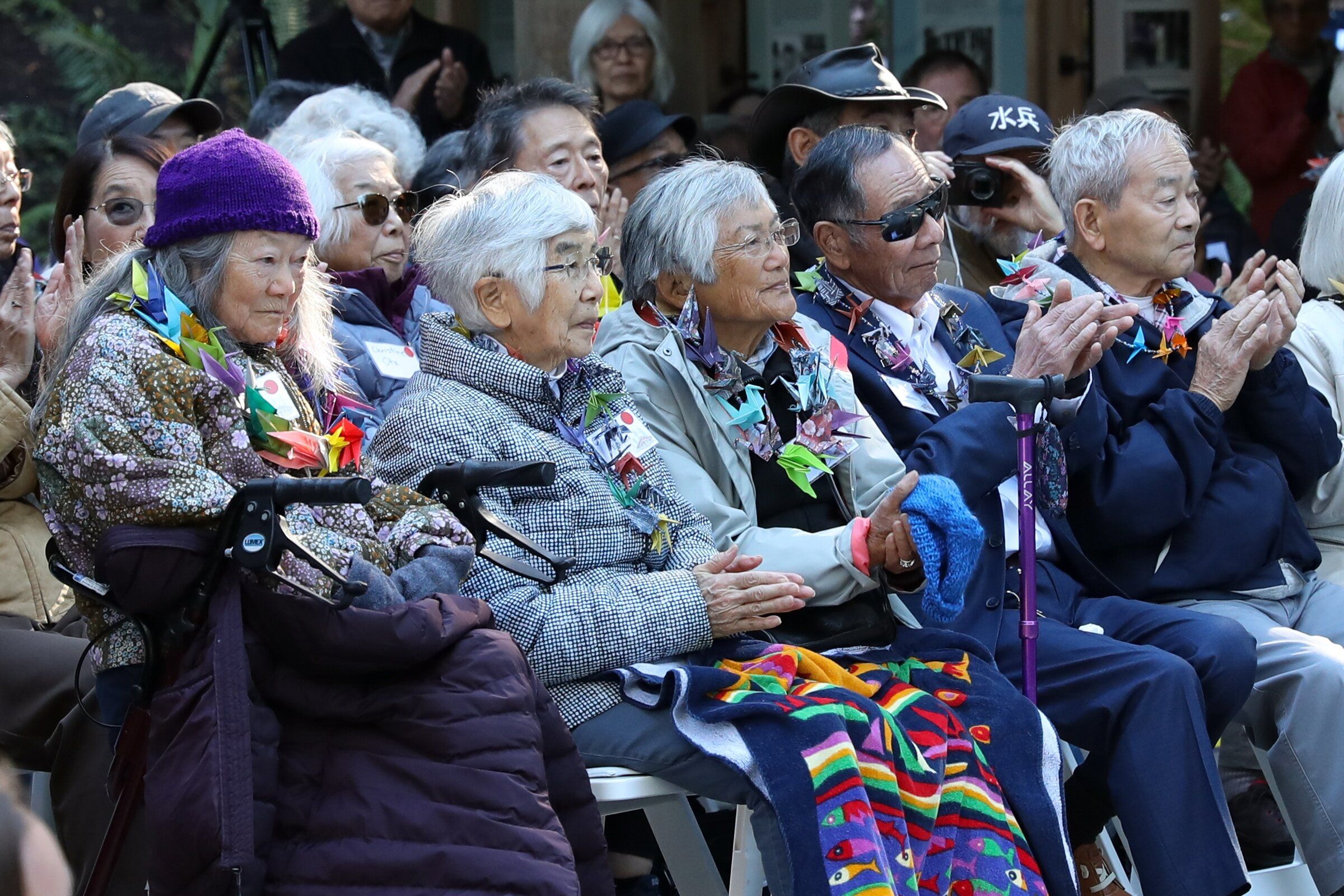
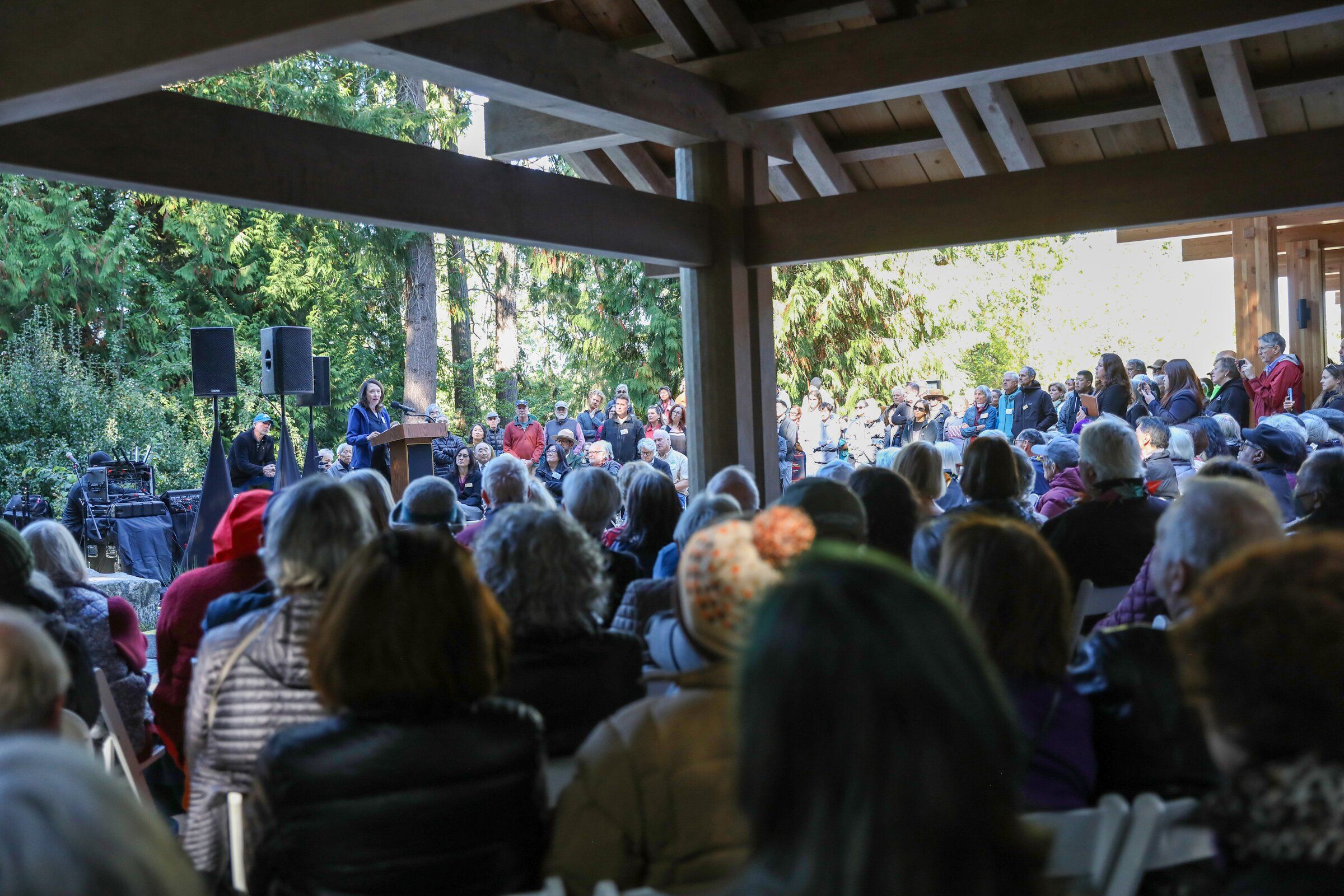
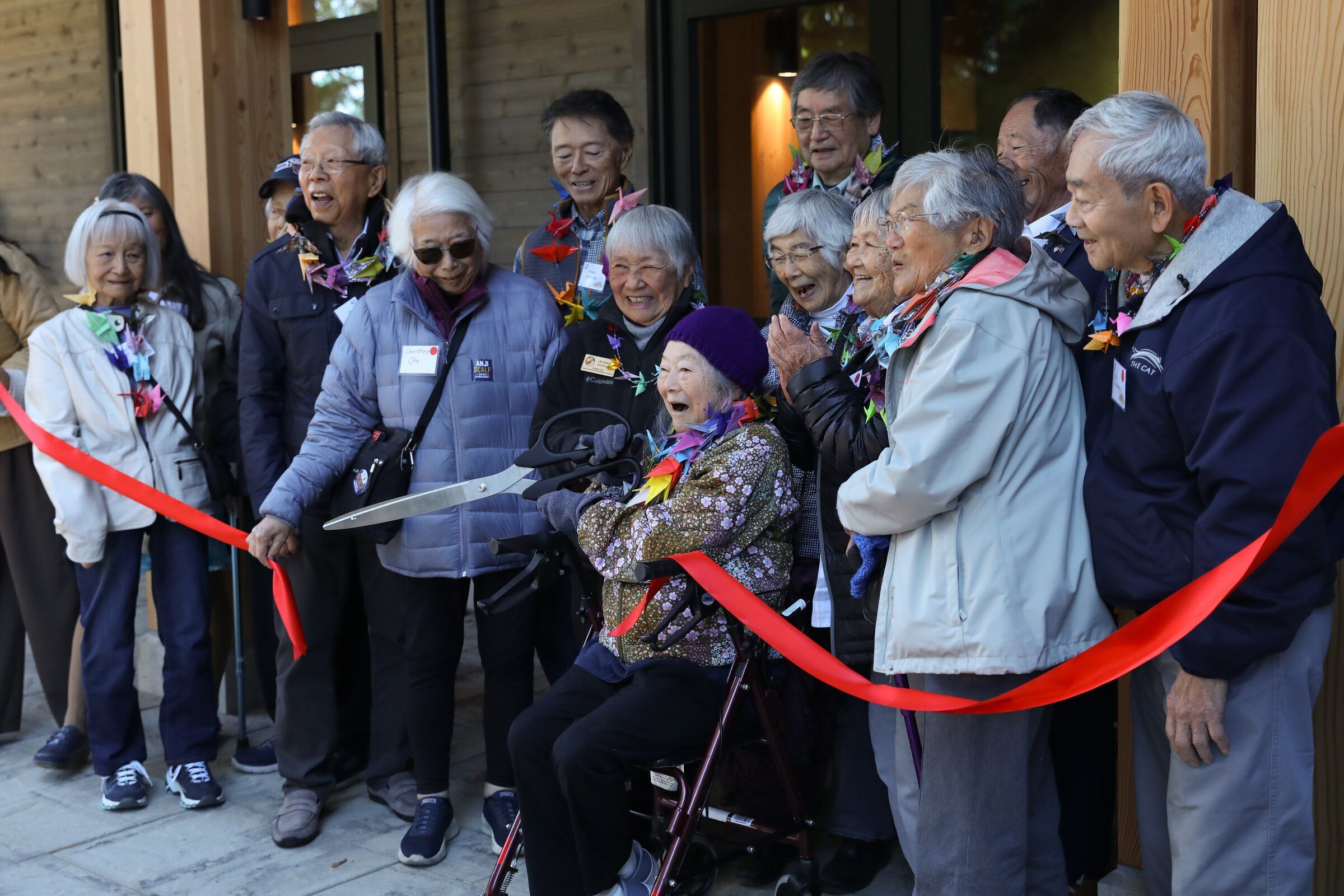
A new visitor center for the Japanese American Exclusion Memorial opened on Bainbridge Island, Washington. The ceremony brought together about a dozen survivors of the incarceration camps, including 92-year-old Lillie Kodama. In March 1942, when she was 7, U.S. authorities removed her family and more than 270 other Japanese American island residents. The night before, her mother told the children they were going on a trip to Seattle, trying to hide her anxiety.
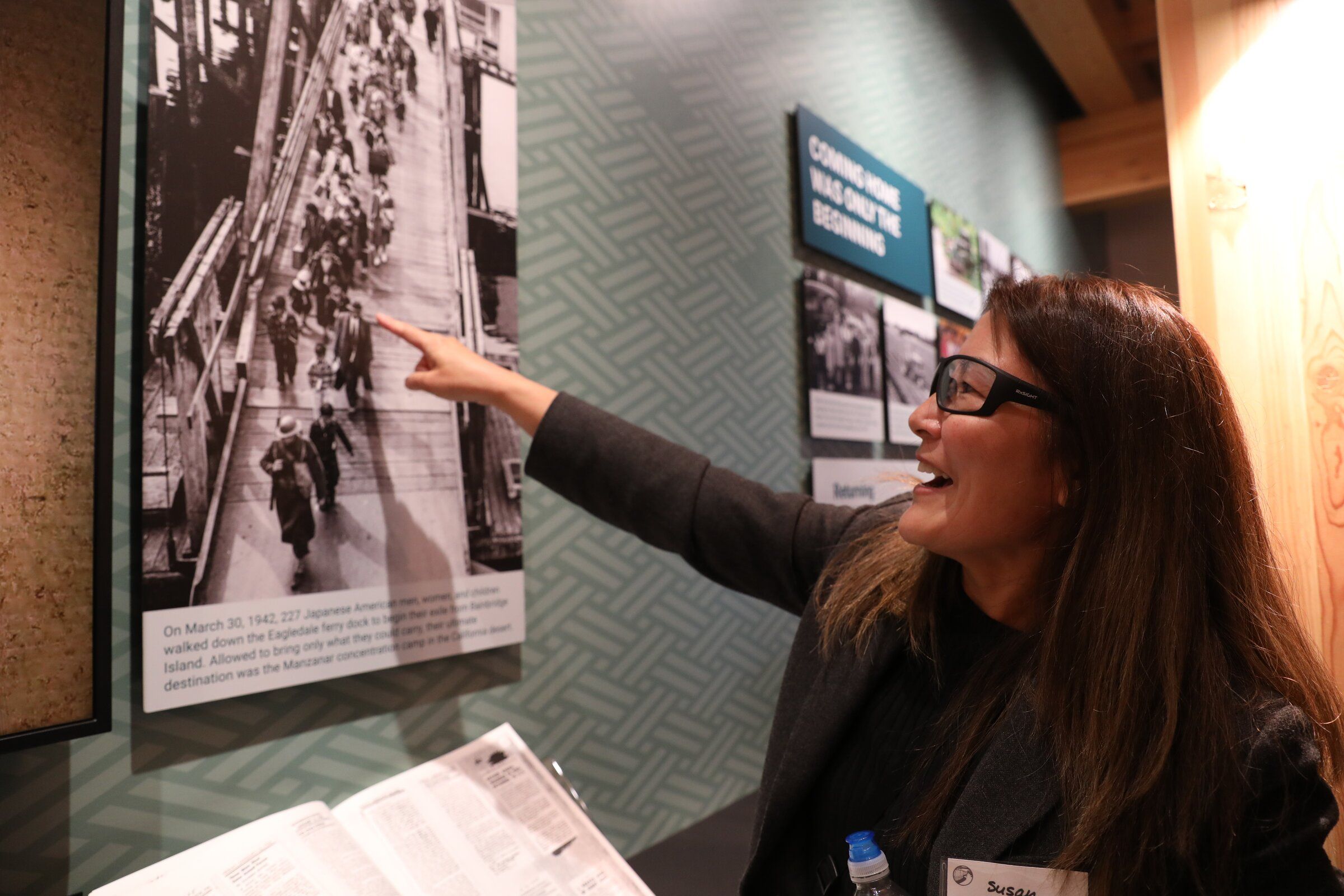
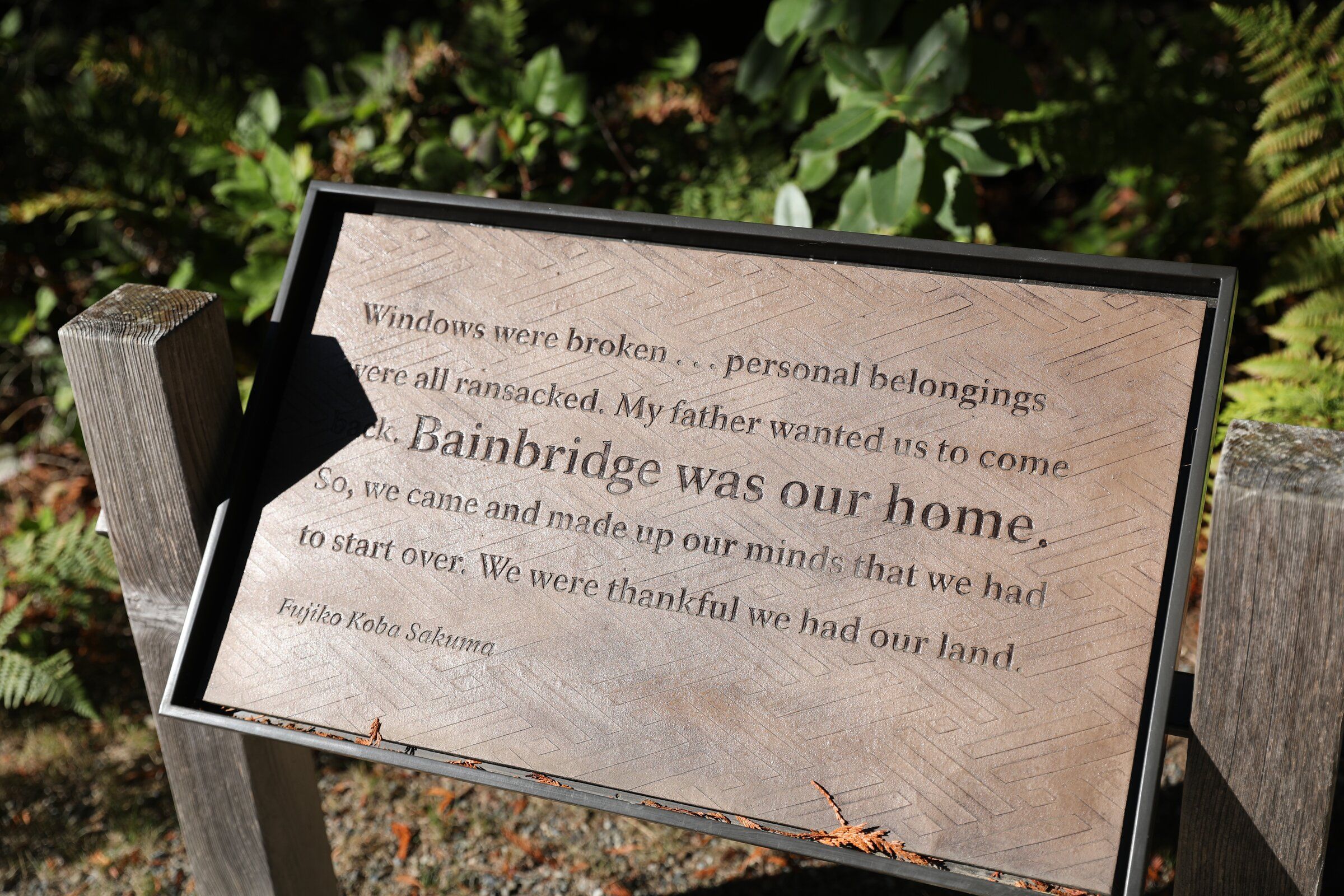
After the attack on Pearl Harbor, the U.S. government imprisoned more than 100,000 Japanese Americans in camps without judicial proceedings, citing national security concerns. Bainbridge Island residents were sent, among other places, to Minidoka camp in Idaho, where families lived in cramped quarters with little privacy and modest living conditions. Kodama, the sister of community activist Frank Kitamoto, said she saw the memorial for the first time and could not hold back her tears.
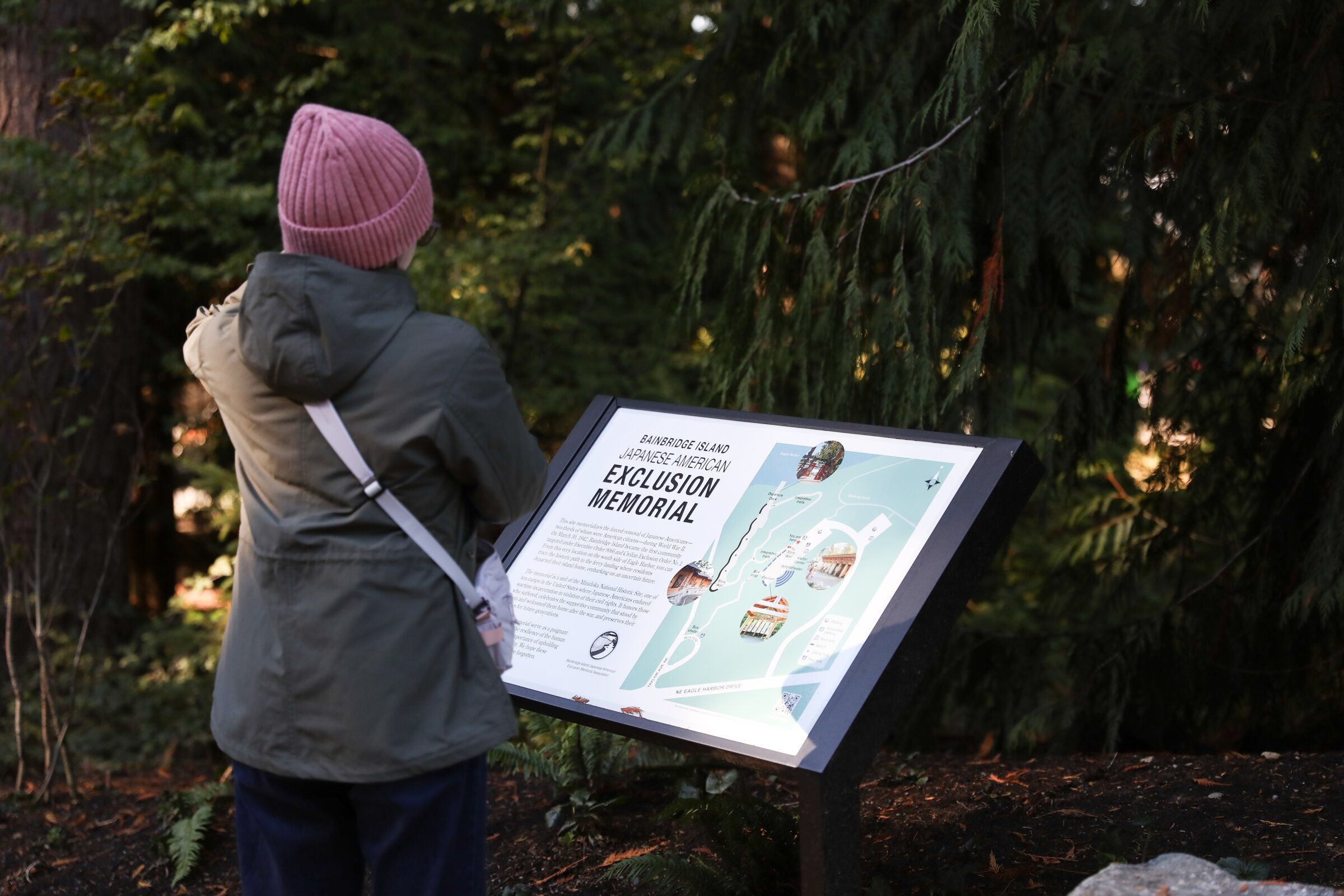
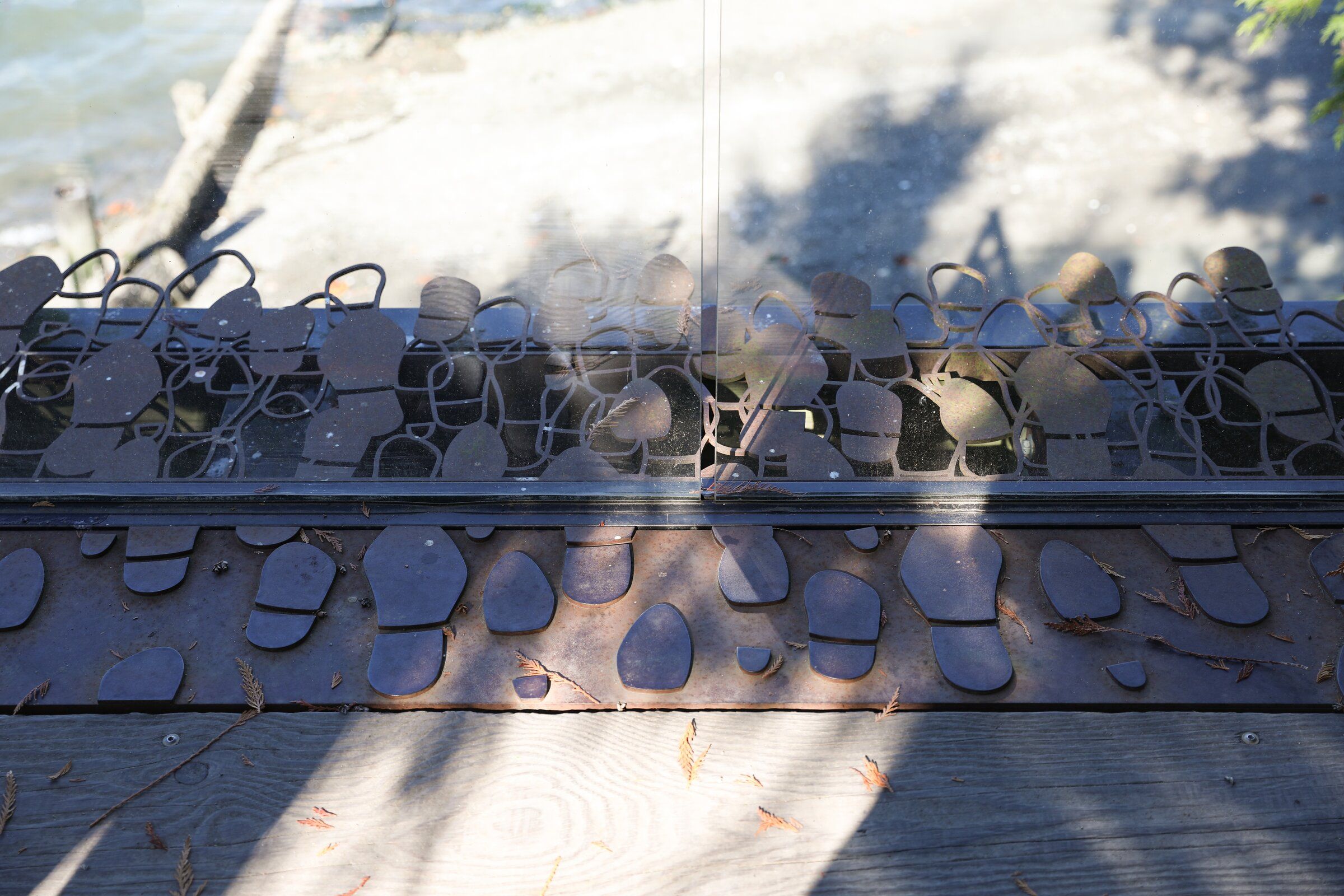
In 2008, the memorial was designated a U.S. national historic landmark because of its exceptional importance to understanding wartime incarceration, racial discrimination and the history of civil rights advocacy. The designation is given to sites that retain a direct connection to important events or people of national significance and allow the past to be studied, rather than sites with only local historical value.
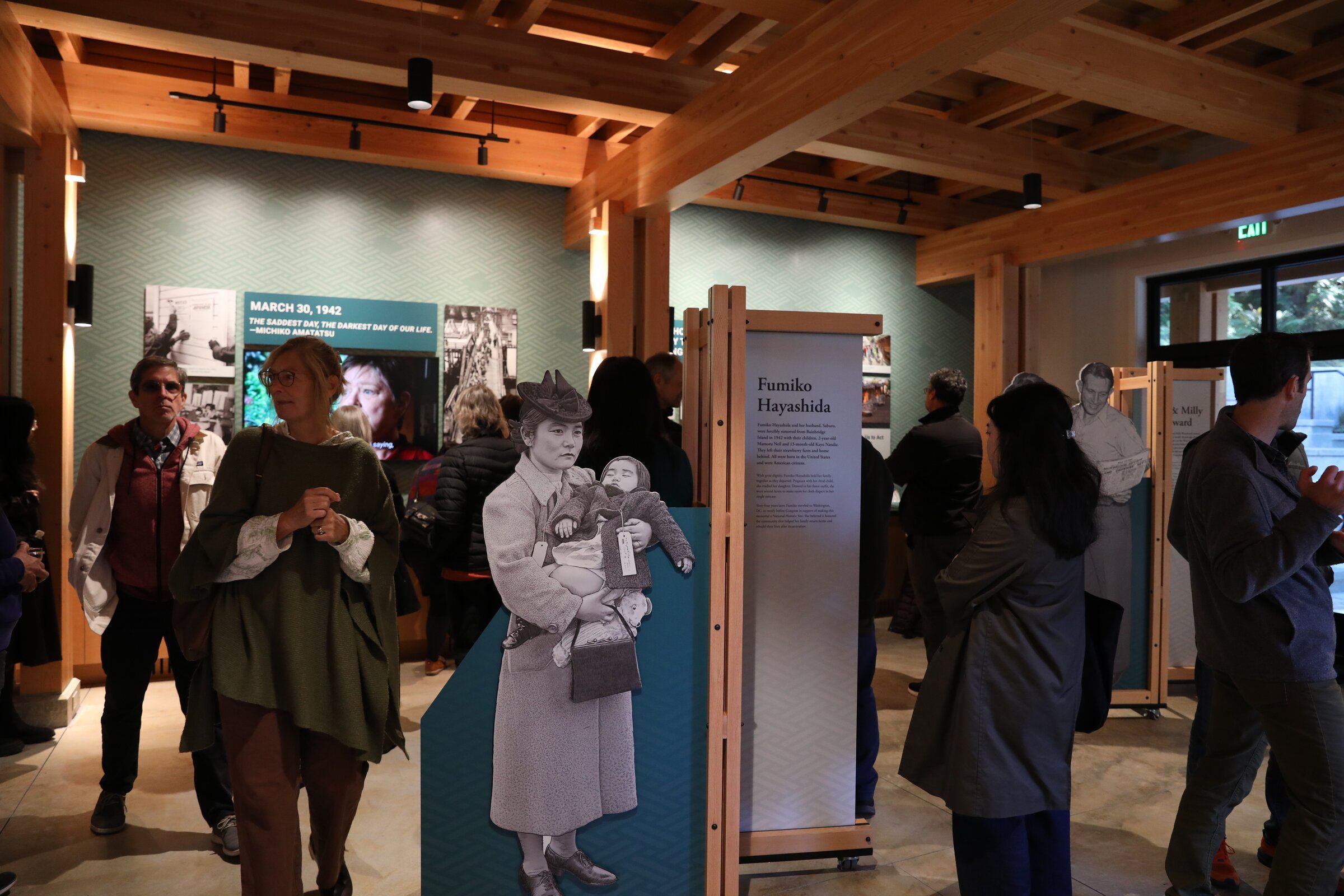
At the ceremony, Sen. Maria Cantwell called the mass removal “a difficult and shameful chapter” in U.S. history. Bainbridge Mayor Clarence Moriwaki recalled Fumiko Hayashida, whose photograph with her infant on the day of the removal became a symbol of incarceration. Hayashida advocated in Congress for the creation of the memorial and lived to see it receive official national status.
The Bainbridge Review played an important role in maintaining the prisoners’ connection to the island. It was one of the few American newspapers to openly criticize the forced removal and continue covering the fate of residents sent to Minidoka. The newspaper reminded them of home and showed that some neighbors had not forgotten them and opposed the injustice. Local residents also sent letters and packages, visited those incarcerated and sometimes safeguarded their homes, farms and property until the families returned.
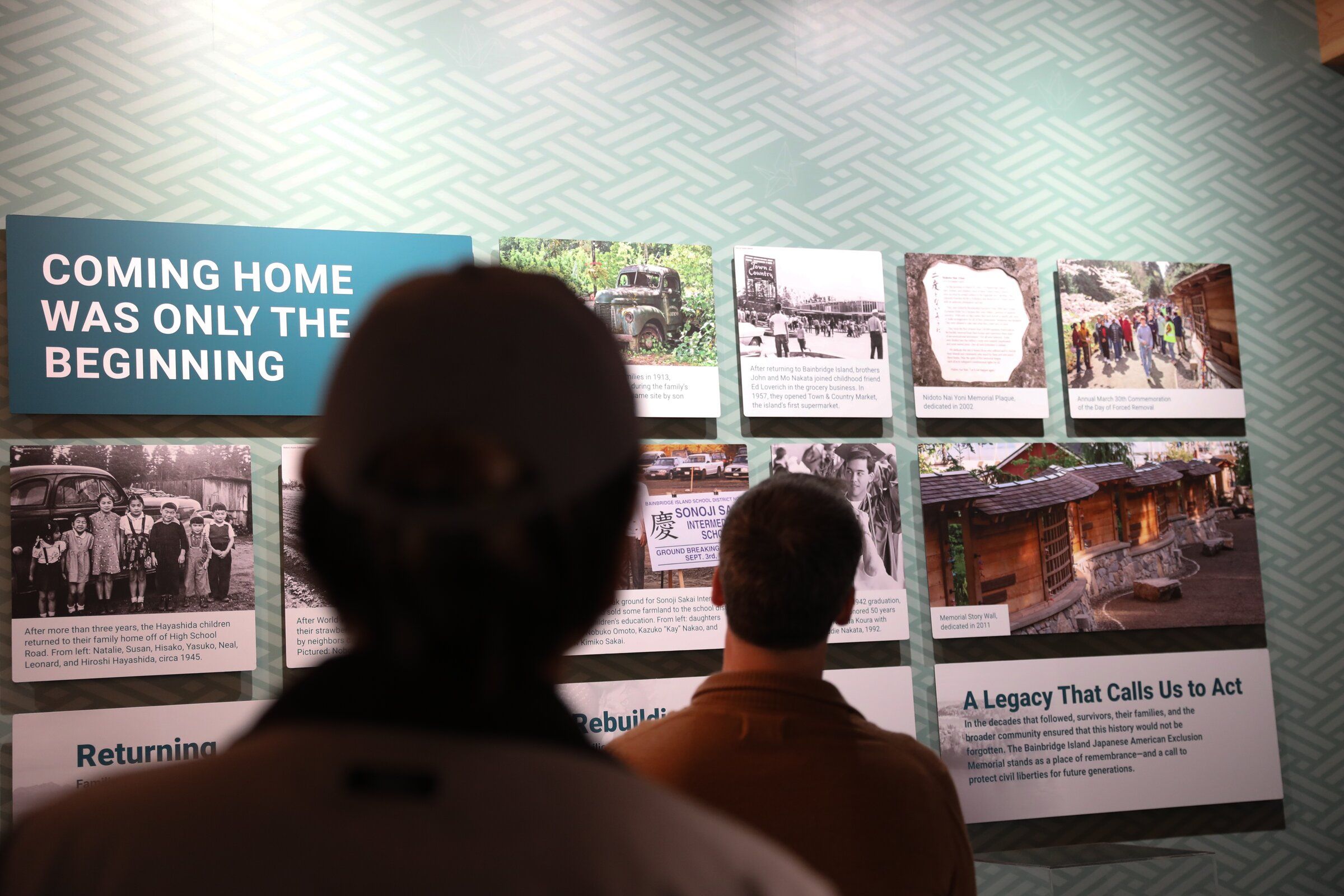
The center’s opening comes amid current debates over mass detentions and security measures. Kodama is especially troubled by the separation of children from their parents; she said having her mother beside her helped her in the camps. The new center will host lectures, workshops and temporary exhibitions, support research and preserve personal stories. Exhibits include photographs and materials from the Bainbridge Review; after the ceremony, the names of 12 survivors were read aloud.

Based on: At Bainbridge center, lessons of Japanese incarceration feel apt today