
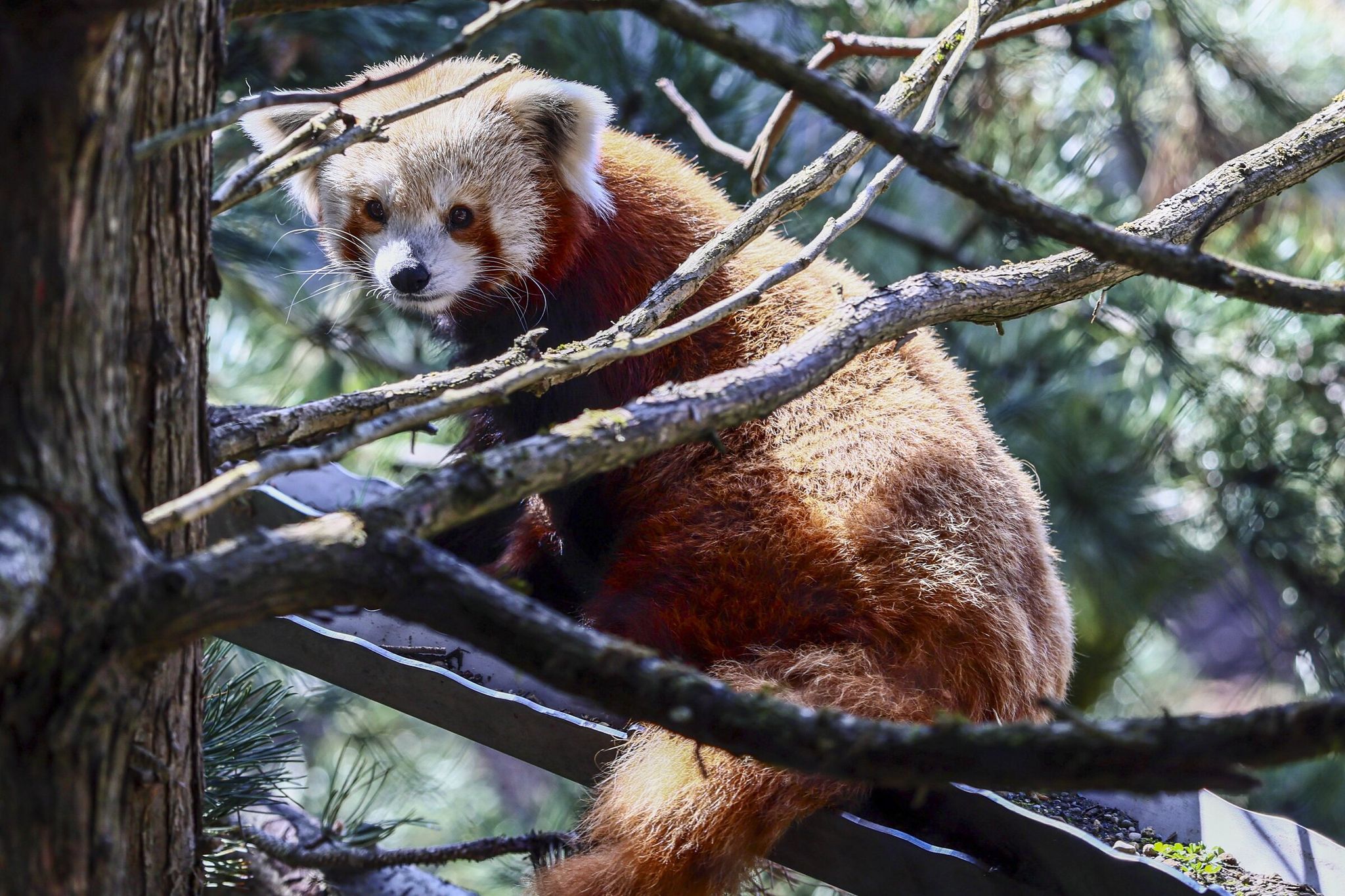
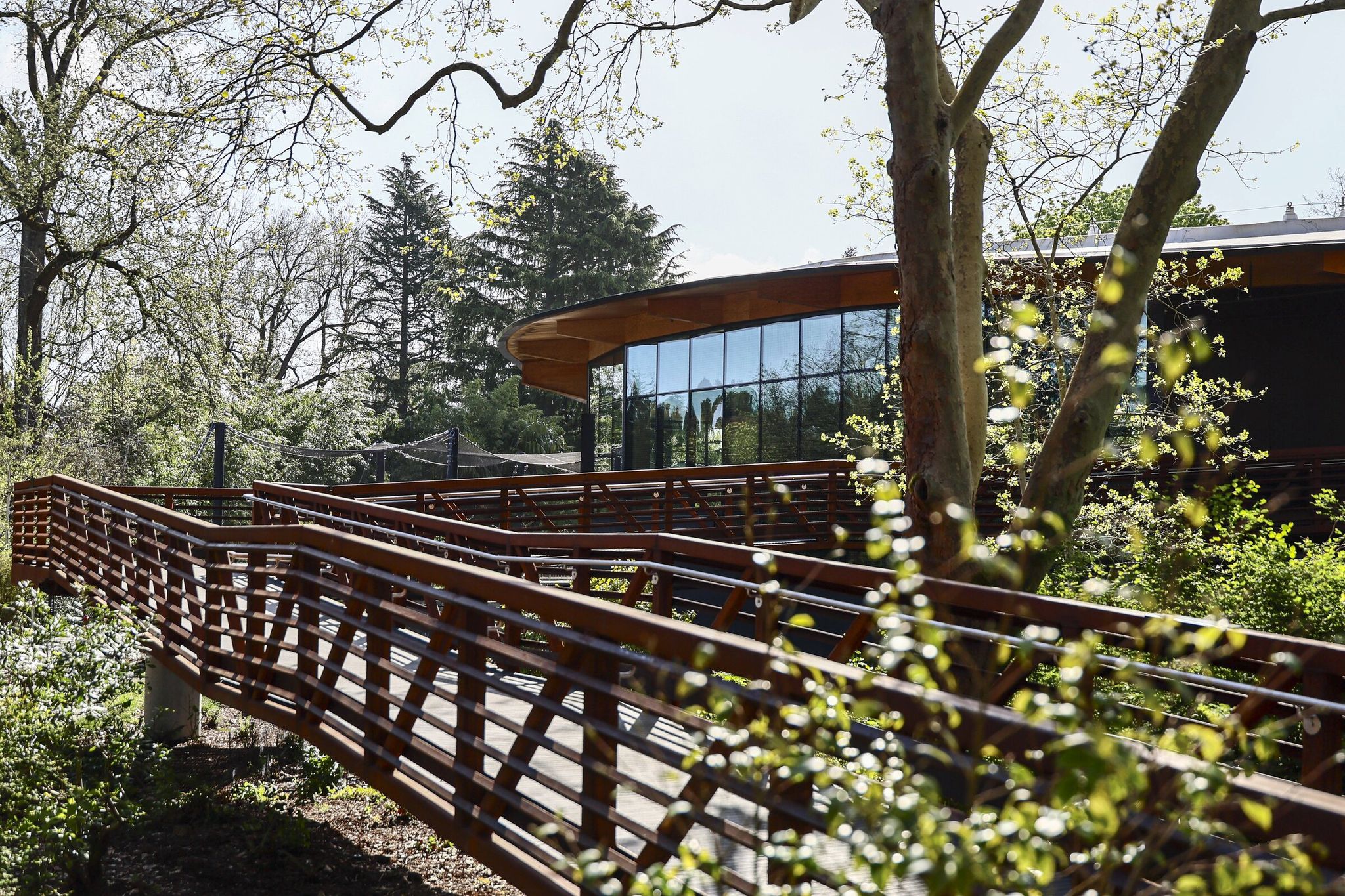
Woodland Park Zoo in Seattle is preparing to open a unique exhibit, the Forest Trailhead, located right at the west entrance. Visitors will be able to stroll along a suspended trail through the tree canopy and see tree kangaroos and a red panda — animals that haven’t appeared at the zoo in the last ten years. The exhibit will be a central element of the program to conserve these rare species.
The project is built on the Tree-Kangaroo Conservation Program launched in 1996. The zoo partners with communities in Papua New Guinea, helping protect one of the world’s last intact cloud forests. As senior program director Lisa Dabek noted, more than 40 staff in Papua New Guinea share the excitement of opening this exhibit, which connects Seattle with the forests and people on the other side of the Pacific.
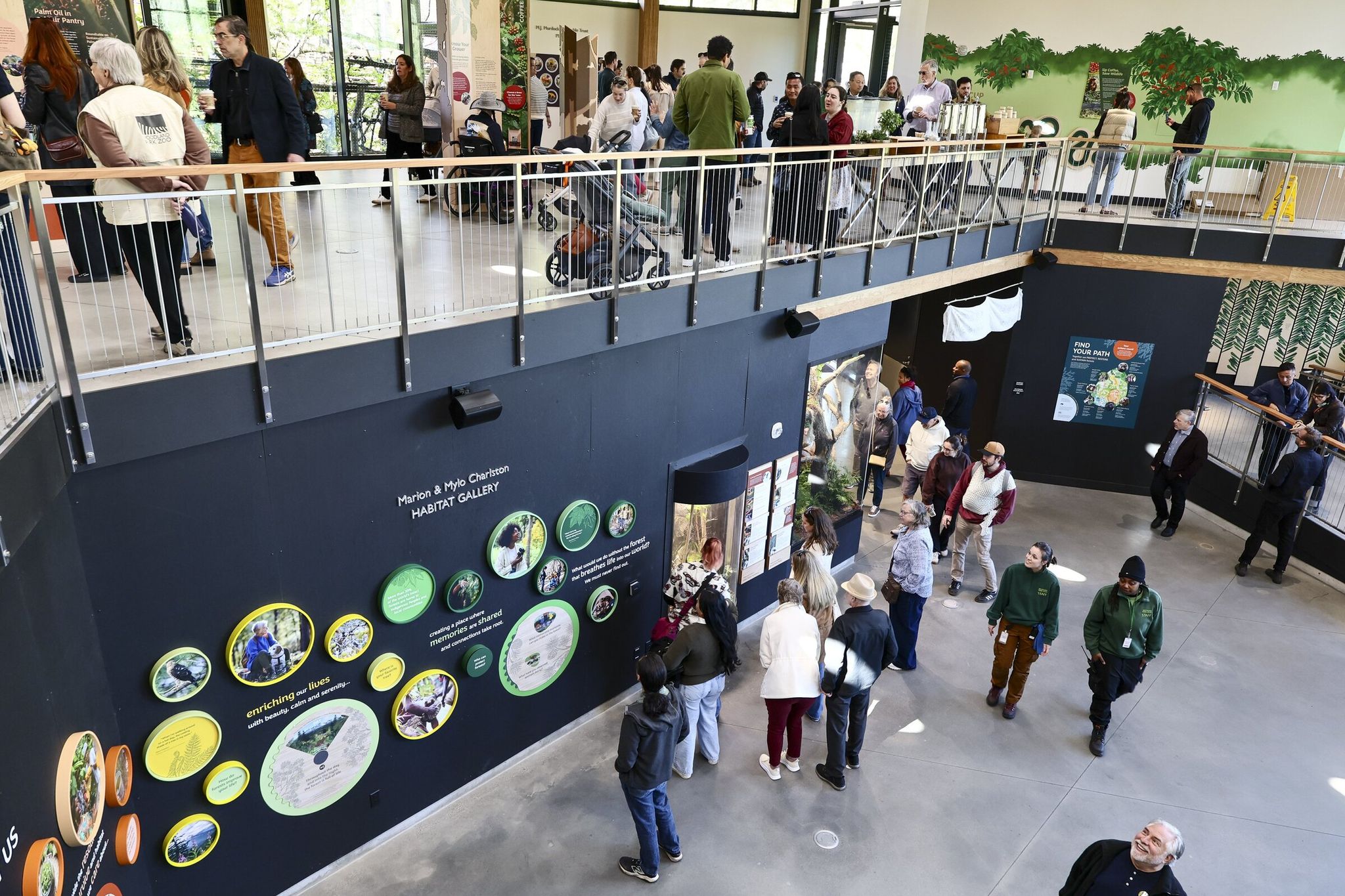
The Forest Trailhead will open to the public May 1, with members getting early access April 28–30. The two-level space, fully accessible to people with disabilities, will operate year-round from 10 a.m. to 6 p.m. Entry to the exhibit is included with zoo admission or membership. The new building, more than 1,100 square meters, is surrounded by a hectare of outdoor habitats.
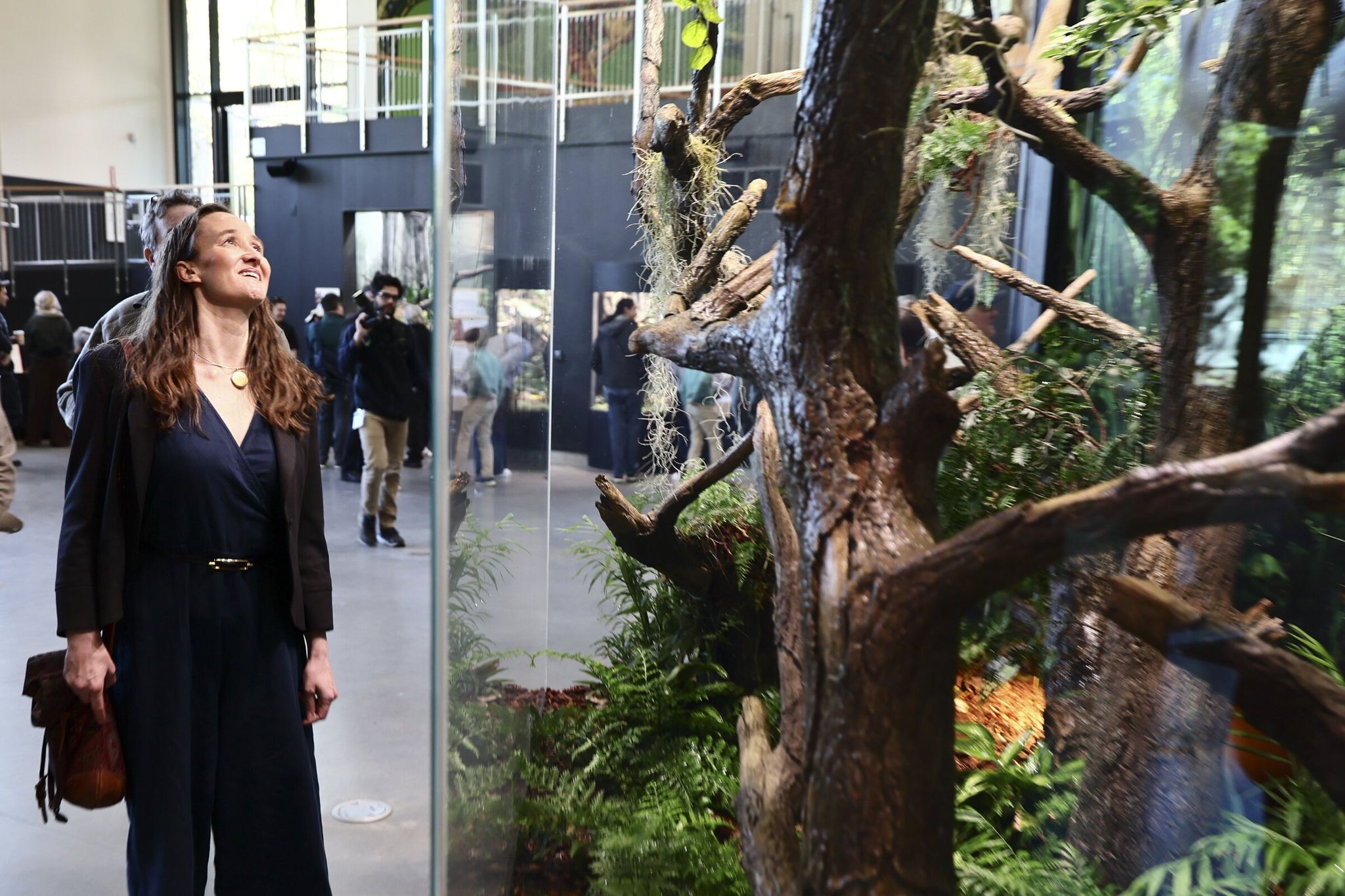
In addition to tree kangaroos and the red panda, guests will see kea parrots from New Zealand and nearly 20 species of reptiles, amphibians and fish. The exhibit offers a multisensory experience: visitors will be able to inhale scents of coffee and vanilla, evoking everyday products that come from forests, including areas affected by logging. According to Rebecca Whitem, head of visitor engagement, this helps people recognize their connection to the global ecosystem. The aroma of coffee is especially symbolic: Seattle, the home of Starbucks, is a hub of the global coffee industry that directly affects tropical forests. While mass demand drives forest clearance for monoculture crops, local companies are investing in sustainable supply chains, certification programs and forest restoration. The scent thus serves as a reminder of the city’s dual role as a center of consumption and a place for seeking nature-conservation solutions.
The $40 million construction was made possible by the “Forests For All” campaign, which involved more than 100,000 private donors. Seattle Mayor Bruce Harrell called the project the result of years of collaboration between the zoo and the city parks department, “rooted in a shared commitment to conservation, discovery and public access.” Although the zoo is operated by a nonprofit, the city remains the landowner and provides baseline funding through the municipal budget. The parks department oversees project compliance with city standards and environmental regulations. The city’s and department’s involvement reflects the view of the zoo as a public good — it provides educational programs for schools, preserves biodiversity and is a tourist attraction that brings economic benefits to the city. Local firm LMN Architects served as architect, and Sellen Construction handled the build.
Special attention was given to Indigenous cultural heritage. The pavilion features a vertical metal installation and a mural by artist Jason LaClaire of the Lammi and Nooksack tribes, who used traditional coastal Salish forms. The Coastal Salish are a group of about 20 tribes that for millennia have inhabited what is now Washington state, including the Seattle area. Their culture is rooted in a deep connection to forests, rivers and the ocean, expressed in woodcarving, weaving and spiritual ceremonies. For the Pacific Northwest region, Salish culture is not only a historical foundation but a living tradition — many place names, including Seattle, Tacoma and Everett, originate from Salish languages. Contemporary artists use traditional forms to remind residents and visitors of these peoples’ original ecological wisdom: the sustainable use of natural resources and respect for the forest as a living organism. Guests will also learn how to join international efforts to restore forests and protect their inhabitants.
Zoo president and CEO Alejandro Grajal emphasized that the Forest Trailhead is more than an exhibit — it’s a call to action: “Remember that you are the force for change. Your daily choices affect not only the Pacific Northwest, but the whole world. I hope this space inspires you to become an active participant in the future of our region, city and planet.”
Based on: Woodland Park Zoo to open new Forest Trailhead exhibit