
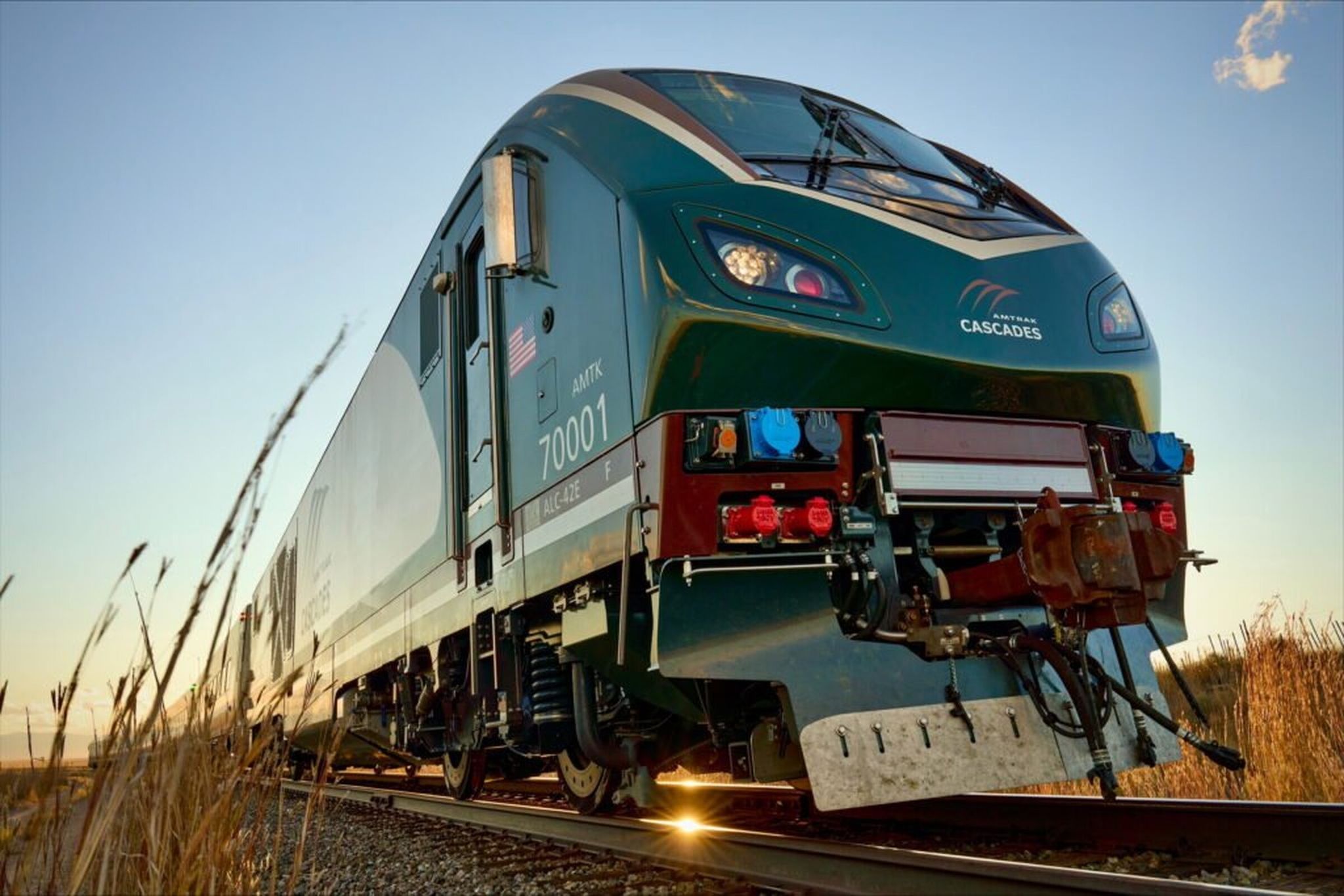
The busy Amtrak Cascades rail line, connecting cities in the U.S. and Canadian Pacific Northwest, will face a shortage of seats for the hundreds of thousands of fans traveling to matches for the 2026 FIFA World Cup. The new-generation "Airo" trains, which were supposed to increase capacity, will not be ready for service by the start of the tournament, creating additional logistical challenges in the region. This route is one of the few corridor projects that Amtrak actively funds and manages with the states of Washington and Oregon through their departments of transportation, which usually allows for planned development and modernization, but in this case could not prevent the delay.
Amtrak officials confirmed that despite successful testing, the company will not rush the new sets into service until they are fully ready. "We considered options, but it's critically important to ensure the train is fully ready to operate and crews are trained," said Amtrak Vice President Laura Mayson, noting that the Airo debut on the Cascades line is now expected only in late summer or fall 2026.
A total of eight new sets, two locomotives and one spare car will be delivered to serve the route. Amtrak Cascades will be the first route in the country to receive the modern cars as part of the nationwide fleet renewal program. However, the upgrade is overdue: the line has been operating with reduced capacity for more than a year after the retirement of aging 1980s-era cars.
The current situation is compounded by a nationwide shortage of passenger cars. "If we had more seats, we would sell them. Summer is a very busy season, and now there's the World Cup," explained Charles Hamilton, head of the advocacy group All Aboard Washington. The nonprofit group actively lobbies for expanded passenger rail in the state, pushing for increased frequencies, extended routes and infrastructure improvements. Hamilton also noted the huge success of the state program that offers free bus and train rides to youth under 18.
Seattle’s World Cup organizers estimate the region will receive up to 750,000 visitors over the tournament’s four-week span. Seattle will host six matches and Vancouver seven. Fan flows are expected to move between cities, putting pressure on roads and border crossings, especially during the peak summer tourist and cruise season. To handle the load, the city will rely on other major transit projects. By 2026, the Link light rail expansion into North, East and South Seattle will be completed. Washington State Ferries service across Puget Sound will be increased, more Sounder commuter trains will run, and King County Metro’s bus network will be improved with dedicated lanes.
Washington state officials asked Amtrak more than a year ago to add trips or cars for the tournament. But, as Amtrak communications director Kyle Anderson noted, because of the nationwide shortage of rolling stock, at best only one or two extra cars could be added across the entire Northwest corridor.
Meanwhile in Seattle, in the SODO neighborhood south of downtown near Lumen Field, construction continues on a new $300 million state-of-the-art rail maintenance facility. It is scheduled to be finished by early 2027 and will service Amtrak Cascades trains and Sounder commuter sets, integrating with nearby light-rail stations and bus routes. In the long term, state lawmakers have aimed to significantly increase the number of daily trips between Seattle and Portland, and between Seattle and Vancouver, by 2035.
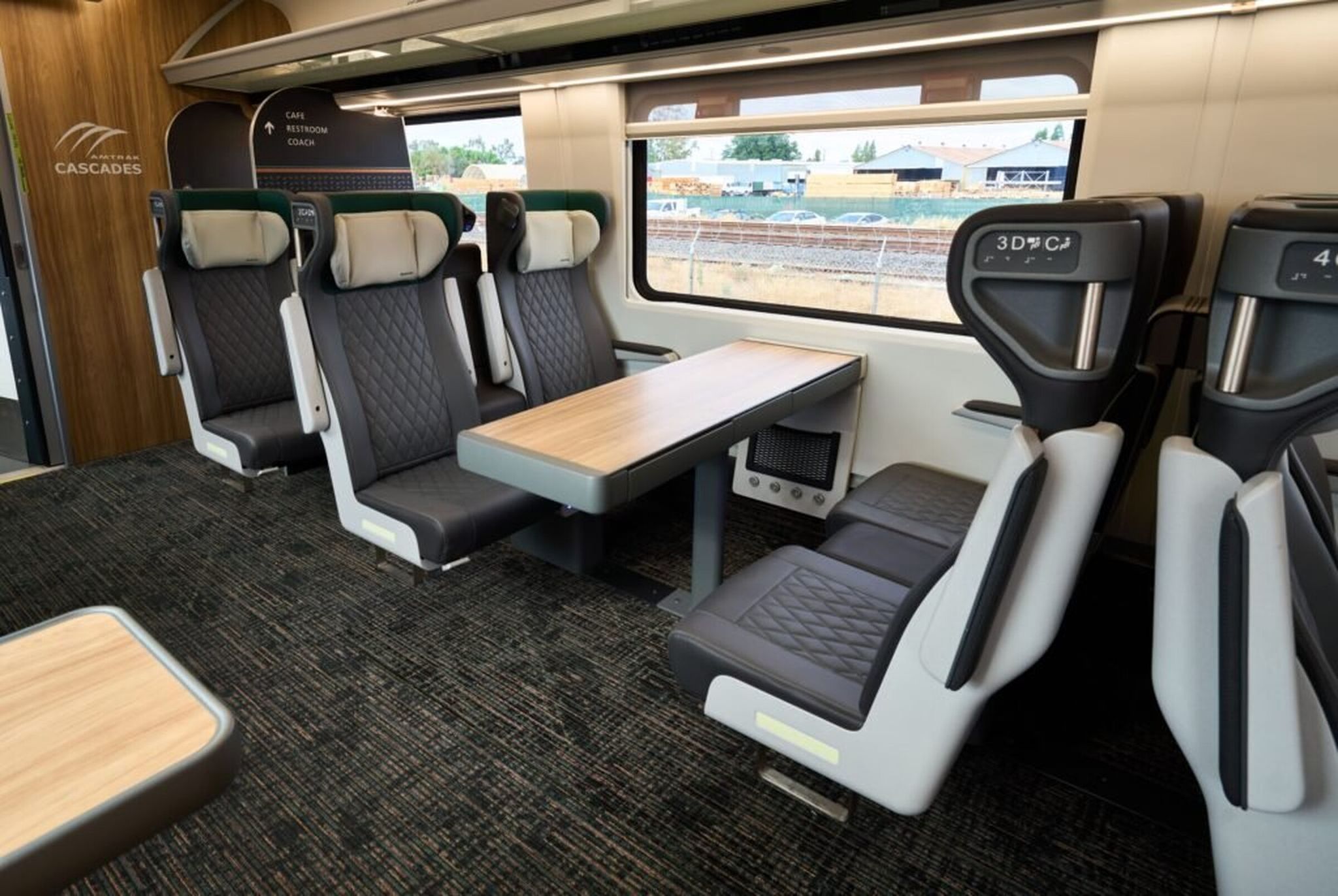
The new Airo trains offer a big comfort upgrade: 300 comfortable seats with individual power outlets, free Wi-Fi, modern lighting and digital displays. Café cars will have self-serve areas, and six roomy restrooms will feature touchless sensors. However, speeds will not increase because of track conditions, which are mostly owned by private freight companies, primarily BNSF Railway. Amtrak leases track time from them for its runs, but freight traffic has commercial priority, often causing delays, and the infrastructure is optimized for heavy freight consists rather than high-speed passenger operation.
Rail enthusiasts and riders are eagerly awaiting the new sets, which, Charles Hamilton said, look "magnificent." "When the new trains arrive, many of us will be ready to ride right away," he said. Despite the disappointment over the delay, the fleet modernization is seen as an important step for improving intercity service in the region.
Based on: New Amtrak trains coming soon to WA, but not in time for World Cup