
Months after the sudden shutdown of the Washington state chapter of the major mental health advocacy organization NAMI, details about the reasons and the next steps remain murky. This is the first time in NAMI’s history that an entire regional chapter has been dissolved in a state that has a sprawling network of 15–20 local affiliates covering different counties and cities.
Local NAMI affiliates in Washington cities — for example, NAMI Seattle — continue to provide services to people with mental illness and their families. Some regional functions have already been assumed by NAMI Seattle, including grant coordination and overseeing large fundraising events. In particular, it was handed the license for the annual charity run NAMIWalks, allowing local affiliates to manage funds and organize events based on local needs, thereby increasing their autonomy and effectiveness in the community.
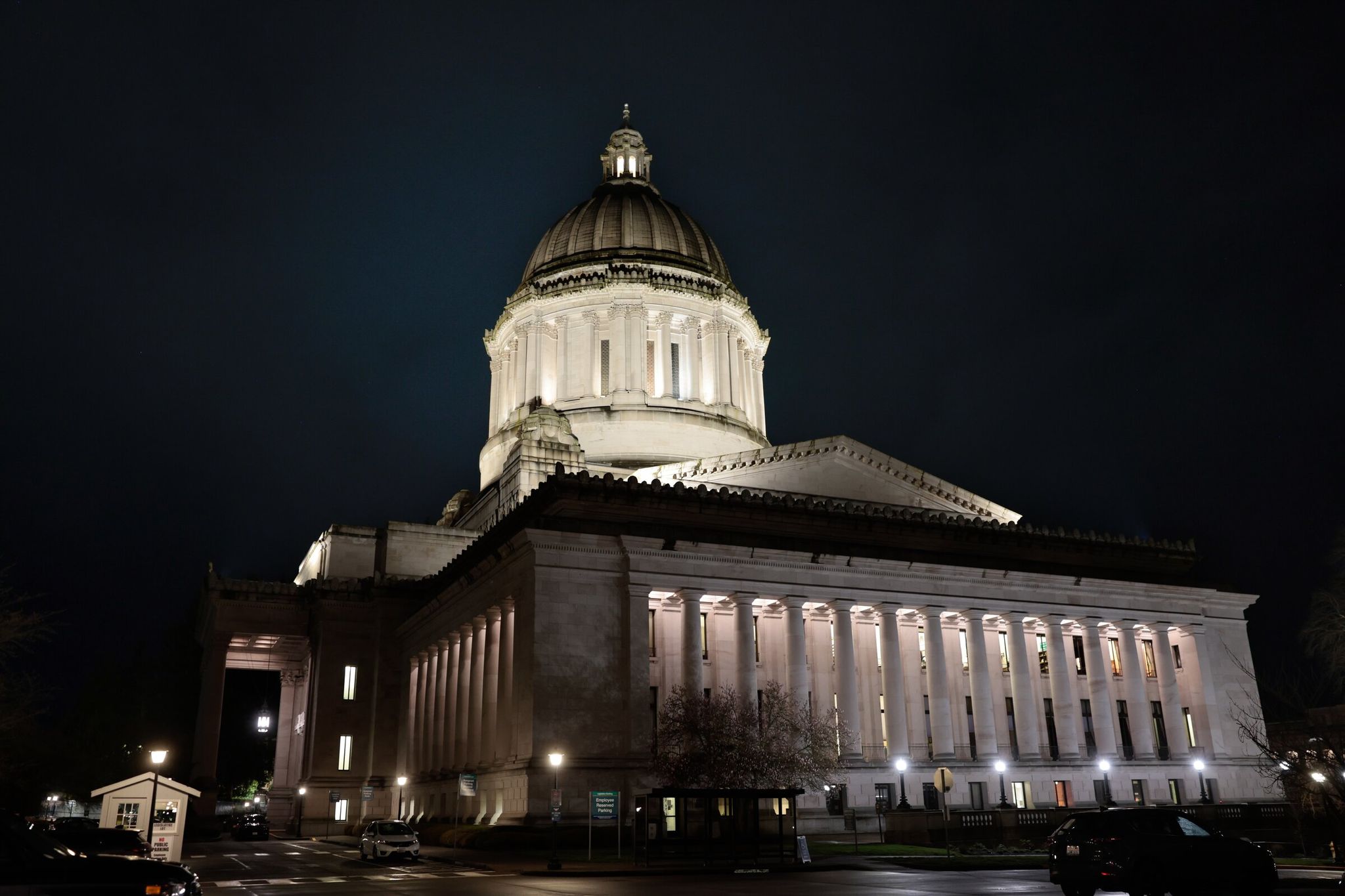
Nevertheless, NAMI’s national leadership has remained silent about the reasons for the dissolution. Previously, the chapter had engaged in lobbying in the state capital of Olympia — chosen as the capital in 1853 because of its central location in the Oregon Territory — and organized annual conferences. Lobbying in Olympia is critical because that is where laws on funding for psychiatric care, insurance coverage, and access to services are made. A February closure letter mentioned a “breach of principles of inclusivity and belonging” at a training conducted by NAMI Washington in 2024. Those principles imply creating an environment where every person, regardless of individual differences, feels accepted and valued.
According to Lauren Simonds, the former executive director of NAMI Washington, the incident occurred at a peer-support training. A participant was asked to leave the session because trainers were having difficulty understanding his spoken language. The organization offered to find another training in his native language. At the heart of the issue is NAMI’s national policy prohibiting the use of interpreters in trainings. Simonds says that rule “tied their hands” and had caused problems before. An external investigation by Archbright found no legal violations but confirmed that the policy creates barriers for non-English-speaking participants.
Six local affiliates sent a letter of grievances to the NAMI Washington board. The complaints included accusations of poor management and lack of support, although the former director says all questions were answered. In November 2024 Simonds resigned, stating that the “three-tiered structure of the organization stopped functioning in a healthy way.”
The national office plans to reestablish NAMI Washington within 6–12 months, creating a “sustainable structure based on community needs.” In the meantime, affiliates continue to operate. “We’re using the opportunity to rethink systems and consider how to improve them,” says Huynh Chaw (Huin Chor), executive director of NAMI Seattle. “How do we center equity and account for the real needs of the community and our affiliates?”
Based on: Why was NAMI Washington shut down? Details still sparse