
More than 300 refugees, asylum seekers and other recently arrived families must leave Thrive Center Tacoma—a former Quality Inn on South Hosmer Street that, since September 2024, has been a rare place in the state where housing was combined with help finding jobs, schools, documents and a permanent apartment. For residents, this is more than just another move: many came to the United States after a long journey, and their path to independence now once again depends on whether affordable housing can be found in the Puget Sound region.
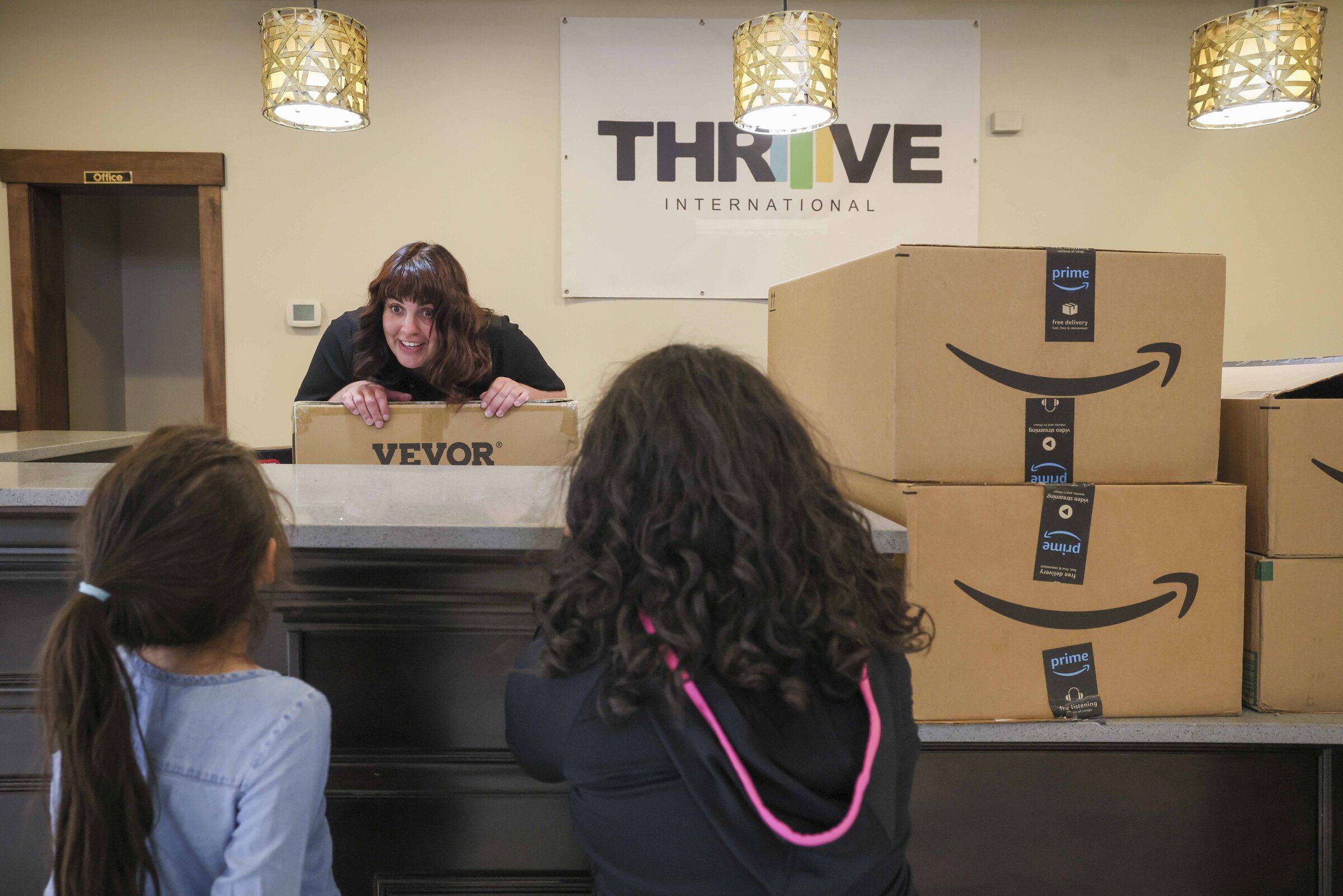
The building in south Tacoma is an unlikely symbol of a new life: a three-story roadside hotel near Interstate 5, it was designed with 115 rooms and once served the usual stream of travelers. But in fall 2024, Thrive International, a nonprofit serving refugees and immigrants, turned it into a transitional housing center. Families who had previously lived in encampments in King County moved there; they included people from Venezuela, Angola and other countries.
In its first few months, the center housed about 340 people. The number of residents later fluctuated, but in spring 2026 the organization said about 370 people were living in Tacoma. They were more than hotel guests: staff helped enroll children in school, navigate immigration procedures, access language and legal support, find jobs and rent housing on the regular market. The center employed multilingual staff, including people with firsthand experience of forced displacement.
Thrive’s model rested on a simple but fragile idea in today’s housing climate: families need not only a temporary room, but also several quiet months to earn money, understand the rules of a new country and find an apartment. The organization expected residents to gradually move into their own homes, freeing up rooms for other families. But for people just beginning to establish an income, Tacoma’s rental market remains almost impenetrable: tenants need a deposit, steady employment, credit and rental histories, and often a good command of English.
The threat of displacement is especially painful because Thrive Center Tacoma was conceived as a longer-term project. In 2025, the state Legislature allocated $2 million to the organization to purchase and stabilize the property. The total cost of the purchase and necessary work was estimated at about $10.7 million. But that funding was not enough: the organization still needed to raise a substantial portion of the amount to secure the former hotel and preserve it as transitional housing.
The building’s fate has long depended on the private market. The hotel was put up for sale in spring 2024 as a property suitable for conversion into apartments. Thrive leased the premises rather than owning them. That distinction between a home and a temporarily available building is now decisive: a program that helped hundreds of people escape homelessness is itself bound by the property owner’s deadlines and options.
The organization must quickly find residents separate apartments, other temporary accommodations and support from partners in Tacoma and Pierce County. These include schools, health care providers, employment services, immigration organizations, landlords and religious communities. But even with this network of support, it cannot be assumed that everyone will find new housing right away. Particularly vulnerable are large families, people with young children, those awaiting decisions in immigration cases, and those whose authorization to work is limited or still being processed.
The story of the former Quality Inn shows how quickly a community initiative can change the purpose of a familiar city building—and how precarious that change is when a roof overhead depends on leases and donations. Over two years, something like a small neighborhood took shape on South Hosmer Street: children went to school, adults found jobs, and families learned to live without a tent by the road. Now they will have to pack up again, and Tacoma must face a question that will not disappear when a hotel-room door closes: where are people supposed to go when a temporary home ends before a permanent one begins?


Based on: Tacoma migrant complex faces closure. Hundreds must move out