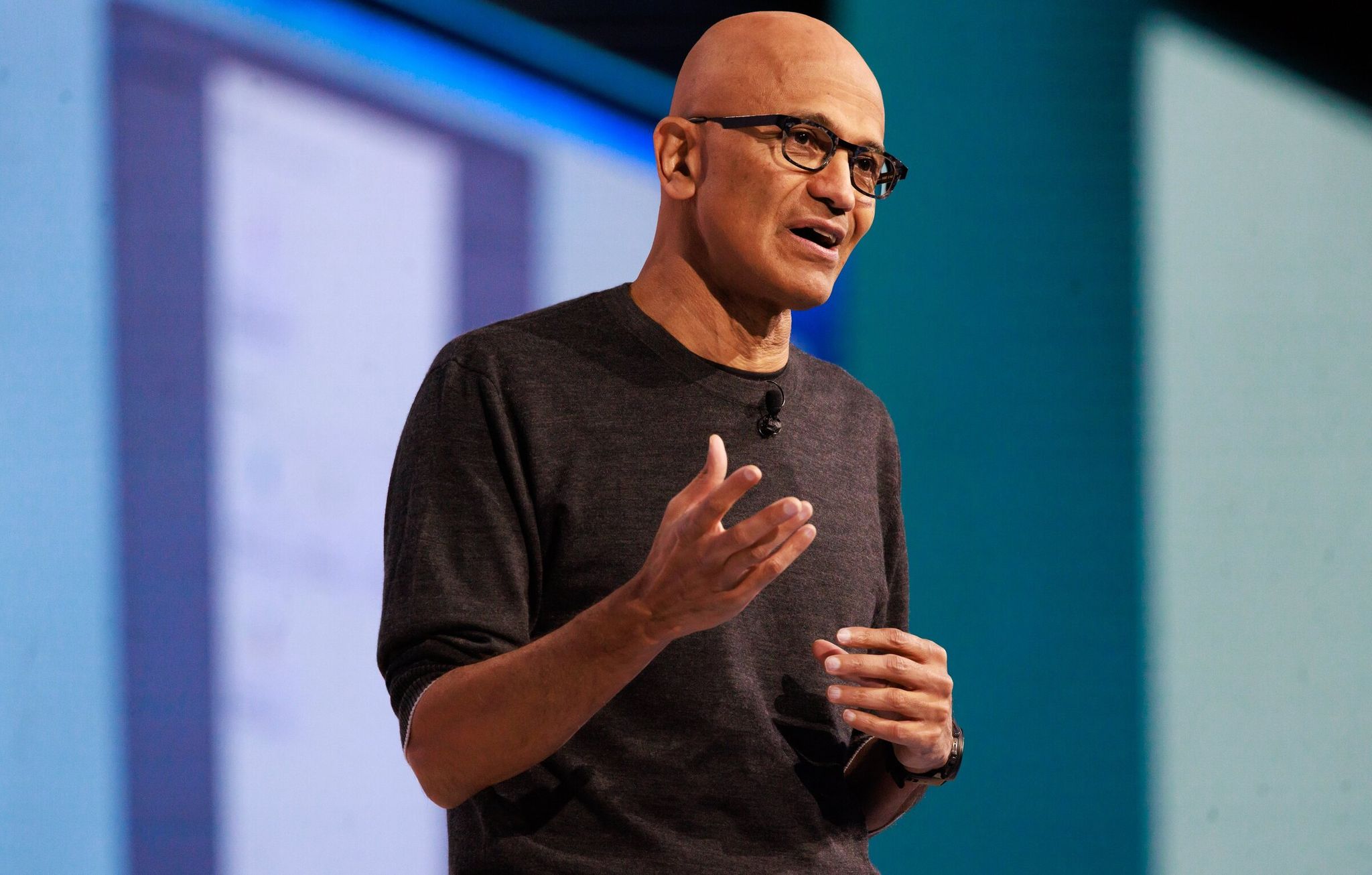
Microsoft has announced a new round of layoffs affecting 4,800 people, including within its Xbox division, as part of a restructuring amid investments in AI. In Seattle, three separate shootings occurred overnight, leaving six people injured.
Microsoft lays off 4,800 employees: major restructuring amid an AI race
Microsoft has announced a new round of cuts affecting around 4,800 people worldwide, including 605 employees in the state of Washington. The layoffs primarily target the gaming division Xbox and the company’s commercial units. It is part of the company’s long-term strategy to manage headcount in the face of massive investments in artificial intelligence. Notably, according to executives, the people laid off will not be replaced by algorithms—AI is changing the nature of work, but it is not becoming a direct cause of the cuts.
In an internal memo, Amy Coleman, vice president of human resources, emphasized: “These decisions are never easy, and I promise that we are constantly looking for ways to reduce the need for layoffs.” Still, as reported by The Seattle Times, the company is running major layoffs for the second year in a row, even as total headcount in Redmond remains stable at 52,000 employees.
The biggest impact was felt in Xbox’s gaming studio. Its head, Asha Sharma, told employees bluntly: “Our business today isn’t healthy.” Of the 4,800 layoffs, about 1,600 were in the gaming unit, and overall Microsoft plans to cut more than 3,200 positions there during the 2027 fiscal year. At the same time, the company is spinning off four internal studios into standalone units, while a fifth studio is in talks about fully exiting the corporation. Sharma linked the problems to “the most serious hardware crisis in the company’s history”—rising hardware costs driven by AI—as well as an unsuccessful decade-long strategy of building a content portfolio that did not deliver the expected returns. Xbox’s restructuring will last throughout the fiscal year, adding uncertainty for the remaining teams.
Although the overall number of layoffs looks significant, Microsoft is actively rolling out alternative methods to reduce staffing. As early as last month, the company offered voluntary severance packages to 8,750 employees, and about 30% of them accepted. In addition, over the past 12 months, roughly 3,600 new specialists were hired in Redmond, and more than 600 workers were able to be moved to other roles within the company. Microsoft President Brad Smith called redeployment a “key priority,” underscoring the company’s sensitivity to its role in the region. Redeployment refers to moving employees out of areas being reduced and into growing areas, most often those connected to AI. This approach helps preserve talent and reduce social tension, but it does not change the fact that some layoffs are unavoidable.
The economic backdrop for the cuts is clear. Microsoft’s capital expenditures for AI infrastructure are estimated to have exceeded $140 billion in fiscal year 2026 (which ended June 30). The race to lead in artificial intelligence requires huge investments in data centers, chips, and cloud services, forcing the company to look for savings elsewhere. Meanwhile, Coleman denied rumors that AI directly replaces people: she said the technology changes roles themselves and requires employees to keep learning. She urged staff to adapt: “Our customers need our help navigating this transition period, which means we have to learn and develop new skills ourselves.” In this way, Microsoft is cutting headcount, reinvesting the savings into AI, and trying to reskill the remaining workforce. As a result, those laid off make up about 2.1% of the company’s overall workforce of 220,000, but the consequences for corporate culture and employee morale—acknowledged by executives themselves—could be quite serious.
Microsoft cuts 4,800 employees
Microsoft has announced cuts of approximately 4,800 jobs, about 2.1% of its global workforce. The main reductions are in the commercial unit and in the Xbox gaming direction. In addition, the company is transferring four of its gaming studios under new management. In a notice sent to the Washington State Department of Employment Security, it states that about 600 employees based in the state will lose their jobs. The decision comes amid major changes in the technology industry that, according to leadership, are forcing the company to adapt its structure and redeploy resources.
Amy Coleman, Microsoft’s director of human resources, explained in a statement that the business is changing along with the world around it: the ways technology is developed, implemented, and used are transforming faster than ever. She emphasized that companies do not get to choose whether their industry changes—they can only decide whether they change along with it. As a result, Microsoft is adjusting resources and roles in order to continue delivering maximum value to customers. Importantly, according to Coleman, artificial intelligence does not replace the roles being eliminated, even as the company actively explores its capabilities. She added that some day-to-day tasks can now be automated, and all employees must keep learning, acquiring new skills, and adapting. The same message says that more than 30% of employees eligible for a voluntary retirement exit program took advantage of it.
It is worth recalling that last year Microsoft already carried out mass layoffs: in May 2025, 6,000 people were cut, and in July 2025, another 9,000. Over the course of the year, the company eliminated nearly 15,000 positions. At the same time, in the last 12 months, as Coleman noted, more than 4,000 employees were transferred to new roles within the organization. Microsoft’s total headcount is now about 220,000 worldwide. Experts link the current layoffs to a broader trend of optimization among large tech giants: companies are trying to focus on promising areas such as artificial intelligence, cloud services, and automation. As Coleman herself said in a statement to KIRO 7, Microsoft’s customers are also experiencing similar changes and expect the company to help them through this transformation—and you can only help others when you’ve gone through the same process. Such messages raise an important question: how far will AI-driven replacement of routine tasks go, and what price will workers pay for technological progress? For now, Microsoft is showing that it prefers to redeploy employees and close some areas in favor of others, and the number of layoffs over two years (about 20,000) makes the company one of the most active in restructuring.
Three overnight shootings in Seattle: six injured
News published on the KOMO News website reports three incidents involving shootings that occurred in Seattle overnight. Six people were injured to varying degrees. The information provided in the piece is extremely brief: essentially, it is a short item with a photo showing police at the scene in Ballard. However, some details can be gleaned from the page’s address: the shootings happened in Sodo (near a light-rail station), at a King County Metro bus stop, and in Beacon Hill. The article does not disclose the exact circumstances of each case, the identities of the victims, or the suspects—apparently the newsroom limited itself to a short operational update.
Even though the news text itself is minimal, the mere fact of three armed incidents in a single night is alarming. Like many major U.S. cities, Seattle continues to grapple with a problem of street violence. The lack of details may be explained by the fact that the update was released soon after the incidents, when the police had not yet finished gathering information. Authorities typically urge witnesses to contact the Seattle Police Department (SPD), but this brief note does not include such calls.
For readers unfamiliar with the city’s geography, it helps to clarify: Sodo (Sodo) is an industrial and warehouse district south of downtown, where stadiums and a light-rail station are located; Beacon Hill is a residential neighborhood on a hill southeast of downtown. Incidents like these are often tied to domestic conflicts or disputes between groups, but the exact reasons have not yet been named.
If viewed in a broader context, in recent years Seattle has seen a rise in the number of shootings, especially at night. Each such incident strains the healthcare system and law enforcement, and it also undermines residents’ sense of safety. Six injured in one night is a serious signal to city officials, who have repeatedly promised to increase patrols in problem areas.
In the absence of direct quotes and exact figures, this news item can be considered an initial notification. A more complete analysis will be possible once official police reports are released. The original publication is available here: Three overnight Seattle shootings leave six injured - KOMO.