
Until this fall, residents of the Olympic Peninsula who needed inpatient care during a mental health crisis had to wait in overcrowded emergency departments or travel hundreds of miles. The nearest beds were in Bremerton, and some patients were referred to other parts of the Puget Sound region, Spokane or Yakima.
The peninsula is sparsely populated and far from major medical centers, and its towns are spread across long distances. Trips can take hours, making not only hospitalization but also follow-up care difficult, especially for people without a car. Maintaining round-the-clock psychiatric facilities in the region is also challenging: there is a shortage of specialists and funding, and the number of patients does not always justify keeping such centers operating steadily.
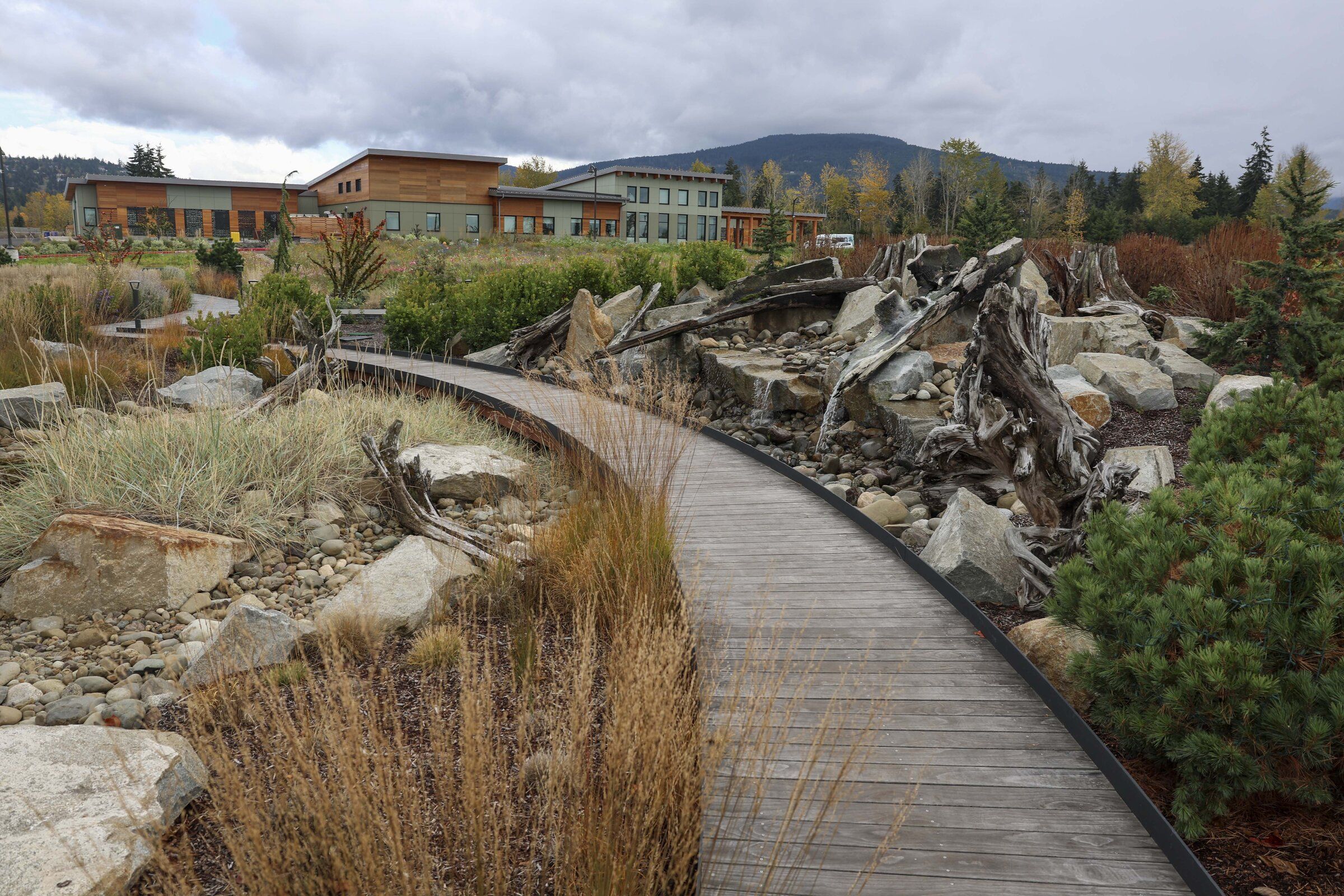
In late September, the Jamestown S’Klallam Tribe opened Jamestown Salish Seasons in Sequim, the first facility of its kind in the north of the peninsula. Evaluation and treatment centers for people with mental health disorders, known as E&Ts, provide urgent, short-term care during severe crises: they assess patients, stabilize them and, when needed, arrange inpatient treatment. Unlike general emergency departments, they specialize in mental health; unlike psychiatric hospitals, they are generally not designed for long-term treatment.
Salish Seasons can accommodate up to 16 people at a time and serves only patients who have agreed to be admitted voluntarily. Most similar facilities in the state accept people involuntarily committed for treatment because they pose a danger to themselves or others. In its first month, the center treated 12 people; three-quarters were covered by Medicaid, and one-third identified as Native American. Staff even traveled to remote communities to pick up patients so they would not have to wait a long time for an ambulance.
Local health care providers hope the center will help people get support before their condition deteriorates to the point that involuntary treatment is needed. Being treated close to home allows patients to stay connected with family and current providers, and makes it easier to arrange outpatient care after discharge. The center plans to work with organizations that provide mental health support in Port Angeles and Sequim.
The opening continues the tribe’s efforts to expand medical and social services for local residents. After Virginia Mason’s clinic in Sequim closed in 2001, the tribe established its own medical center, followed later by a dental clinic and an addiction treatment center. The tribe’s programs are open to people beyond its own membership; eligibility depends on the specific program and available space. The tribe’s health care operations now employ 305 people.
Salish Seasons cost $31 million to build and was funded through state appropriations and grants. Voluntary treatment, however, carries financial risks: state support for these programs is lower than for involuntary hospitalization.
At the center, patients undergo medical and psychiatric assessments, after which a treatment plan is drawn up. Each of its 16 rooms has a private bathroom. The program includes individual therapy, group activities, yoga, meditation and creative activities, as well as Native cultural practices. Patients stay an average of about 12 days—longer than at similar facilities elsewhere in the state. The center’s director said that giving one patient particular attention helped the person’s family feel that, at last, they had been heard and their loved one had received the care they needed.
Based on: New mental health center brings long-needed relief to Olympic Peninsula