Today's digest brings together three main Seattle topics: the contrast between Mark Zuckerberg's $300 million superyacht and mass layoffs at Meta, debates over light-rail development priorities amid a budget shortfall, and public reaction to a display of luxury against the region's economic hardships.
Luxury amid layoffs: Zuckerberg's yacht sparks strong reaction in Seattle
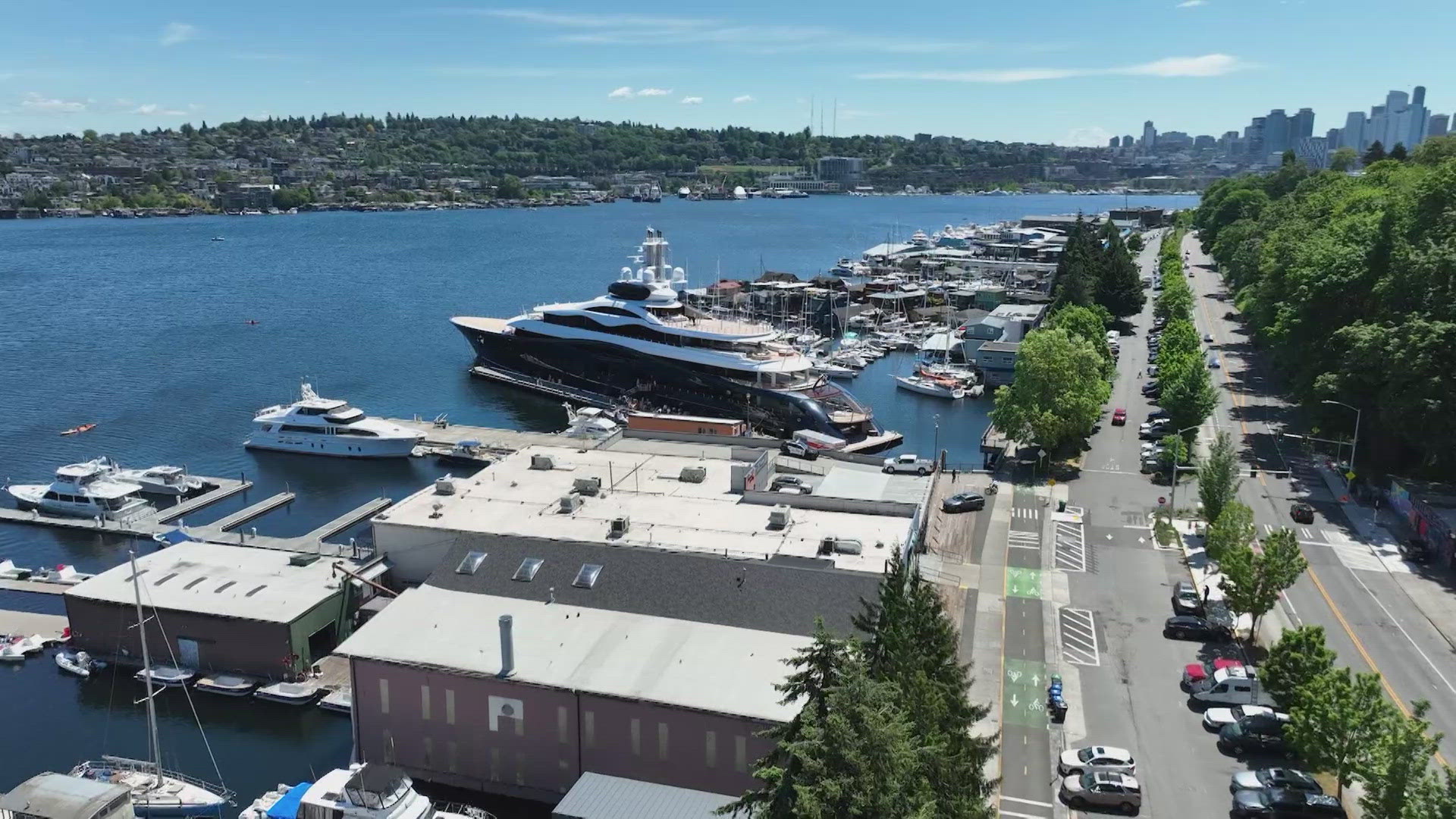
A massive superyacht associated with Meta CEO Mark Zuckerberg became a focal point in Seattle, drawing mixed reactions amid recent large-scale layoffs in Washington state. The vessel, named Launchpad, nearly 400 feet long, docked in Seattle waters on Tuesday and instantly became a kind of local attraction. People walking and biking along the South Lake Union waterfront stopped to photograph the yacht and watch crew members cleaning it from bow to stern. According to a KING5.com article, marine tracking data show the yacht has visited Seattle waters several times this year, including stops in March and January. On Wednesday the vessel remained at the dock.
The appearance of the luxury vessel coincided with Meta confirming about 1,400 job cuts in Washington state. The reductions affected 699 jobs in Bellevue, 259 in Seattle, 206 in Redmond and 231 remote positions. That timing ignited active discussion on social media and among residents. Opinions were split: some called the yacht a tourist curiosity and said it was the first time they'd seen such a large boat on Lake Union. Others expressed irritation, calling the yacht "ostentatious" and likening the display to Miami-style flaunting of wealth. Some locals learned of the yacht's arrival from Reddit posts and came to see it in person.
Seattle University economist Nick Huntington-Klein warned that Meta's layoffs could have broader economic consequences for the entire Seattle region. High-paid tech jobs support many related sectors — from restaurants to retail. "Especially in Bellevue, where about half of these layoffs occurred, in a relatively compact area, those effects can be seen most directly and quickly," the expert cautioned. Meta says the cuts are part of a broader company restructuring tied to AI development and business reorganization. Thus, while some Seattle residents are losing their jobs, their former boss is displaying a symbol of success, inevitably raising questions about fairness and the social responsibility of major corporations.
Luxury amid layoffs: Zuckerberg's yacht in Seattle
As Meta conducts mass layoffs affecting thousands of employees, its CEO Mark Zuckerberg's yacht is luxuriously docked in the heart of Seattle. The vessel called Launchpad is valued at $300 million and measures 387 feet in length. The situation provoked mixed reactions among locals, especially those who see firsthand the contrast between the CEO's huge expenditures and ordinary people's job losses.
The yacht was spotted on Lake Union, just a few blocks from Meta offices where reportedly about 1,400 employees in the Seattle region were recently laid off. The incident occurred amid news of a large company restructuring that Zuckerberg called a "year of efficiency." Local resident Jo Ellen Hathaway, who has lived on an old wooden boat for the past 40 years, watched the arrival of the giant vessel with irony. Her comment to KUOW was brief: "My only thought: he should donate a little money to the city, and then leave." Hathaway added that the boat was so large it "almost took up the whole channel when it went through."
GeekWire, which first noticed the vessel, reported that crew members said Zuckerberg himself was not on board. The Seattle Times also found social-media confirmations that the Meta CEO was elsewhere. Nevertheless, the mere presence of such a yacht in a city that has just seen mass layoffs creates a powerful visual dissonance. For those unfamiliar with the details, it's important to understand: $300 million is not just a big sum — it's roughly a year's payroll for several hundred engineers at Meta, making the yacht's appearance alongside layoffs a stark example of how executives' personal wealth can contrast with harsh corporate decisions.
The key takeaway is not merely the purchase of an expensive toy. It reflects a deeper problem: the tech industry, after a pandemic boom, is in a period of belt-tightening, while the executives making layoff decisions continue to live at a different level. Many employees who lost their jobs will likely view the news with irony that their former boss is traveling on a vessel costing more than the annual budget of some mid-sized companies. The situation highlights the growing gap between corporate rhetoric about "optimization for the future" and reality, when symbols of excessive luxury become part of the landscape in a city where hundreds are searching for new work.
Seattle council member proposes dramatic plan to save Ballard light-rail line
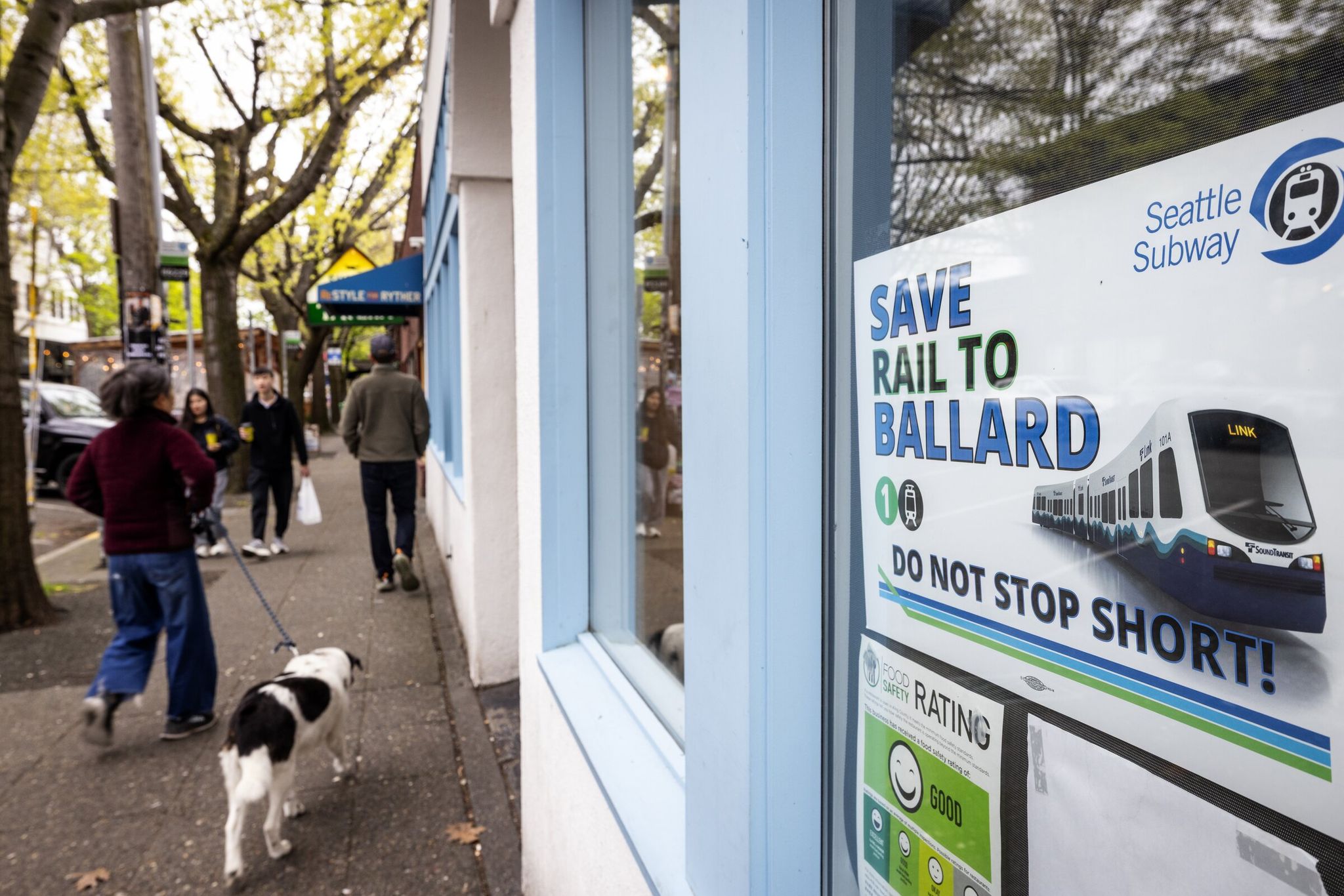
Seattle City Council member Dan Strauss has floated an unexpected proposal that could radically alter regional light-rail plans. Instead of beginning construction with a new downtown tunnel, as previously envisioned, he proposes prioritizing a direct connection from the densely populated Ballard neighborhood to downtown. The idea comes amid a pressing need to cut costs, as Sound Transit faces a long-term $35 billion shortfall. With a decisive vote by the transit agency's board scheduled for Thursday, a real fight over funding various projects has erupted, with each stakeholder defending their district's interests.
Strauss's proposal would build a light-rail line from Ballard to Westlake Station, allowing riders to transfer to an existing line heading south, for example to the airport. He argues that building a second downtown tunnel — itself an expensive project — makes little sense until there is a transit connection to one of Seattle's most densely populated neighborhoods. "Building a redundant line downtown where there's already light rail before connecting Ballard is inefficient," he said. However, the idea may face resistance from representatives of other areas, since a second tunnel is seen as a critical regional asset that would increase system capacity where trains converge from all directions. Meanwhile, Council Chair Dave Somers proposed fully funding the design of the Ballard line so it would be construction-ready when funds become available.
Alongside the battle over Ballard is a fight over the Graham Street station in south Seattle. Seattle Mayor Bruce Harrell and King County Executive Girmay Zahilay proposed an amendment to move that station into the "affordable" project category so it wouldn't be dropped entirely. Promised to residents back in 2016, the station was slated to open by 2031 and serve low-income communities. Seattle is prepared to contribute up to $30 million toward its construction in addition to $25 million already secured in federal funds. Zahilay, who grew up in the area, suggested funding the Graham Street station and the Boeing Access Road parking by redirecting revenue from an increase in the car-rental tax that the board plans to approve Thursday. That tax would rise from $0.80 to $2.17 per $100 of rental, bringing in about $8 million annually. The city of Renton, which has paid taxes for three decades without getting light rail and nearly lost a bus depot, also received attention. A late amendment proposed redirecting $100 million to that project and funding park-and-ride lots along I-405, where a rapid bus route could open within three years. As The Seattle Times reports, all these maneuvers occur against the backdrop of selecting priority projects under a massive budget shortfall.
The central question remains funding. Strauss suggests that about $10 billion that Sound Transit collects from Seattle, Shoreline and Lake Forest Park taxpayers could be used to build a six- or seven-station line from Westlake to Ballard. He believes that would cover the project's real cost. The downtown tunnel could then be financed with $7 billion from other districts, as well as federal grants, new taxes and savings. The full 7.7-mile line from SODO to Ballard was initially estimated to cost about $22 billion. Strauss notes Sound Transit has until early 2029 to determine all details, costs and funding sources before environmental studies are completed and federal grant applications are submitted. Thus, the Thursday vote will shape not only Seattle's transit future but also how multi-billion-dollar budgetary resources are allocated under severe constraints.