
We’re used to thinking that grief is only about death. But in fact, we mourn not only people, but also our dreams, plans, and whole imagined versions of the future. Losing a job, not being able to have children, a divorce, or even an empty home after the kids move out—all of these are also real losses that require mourning.
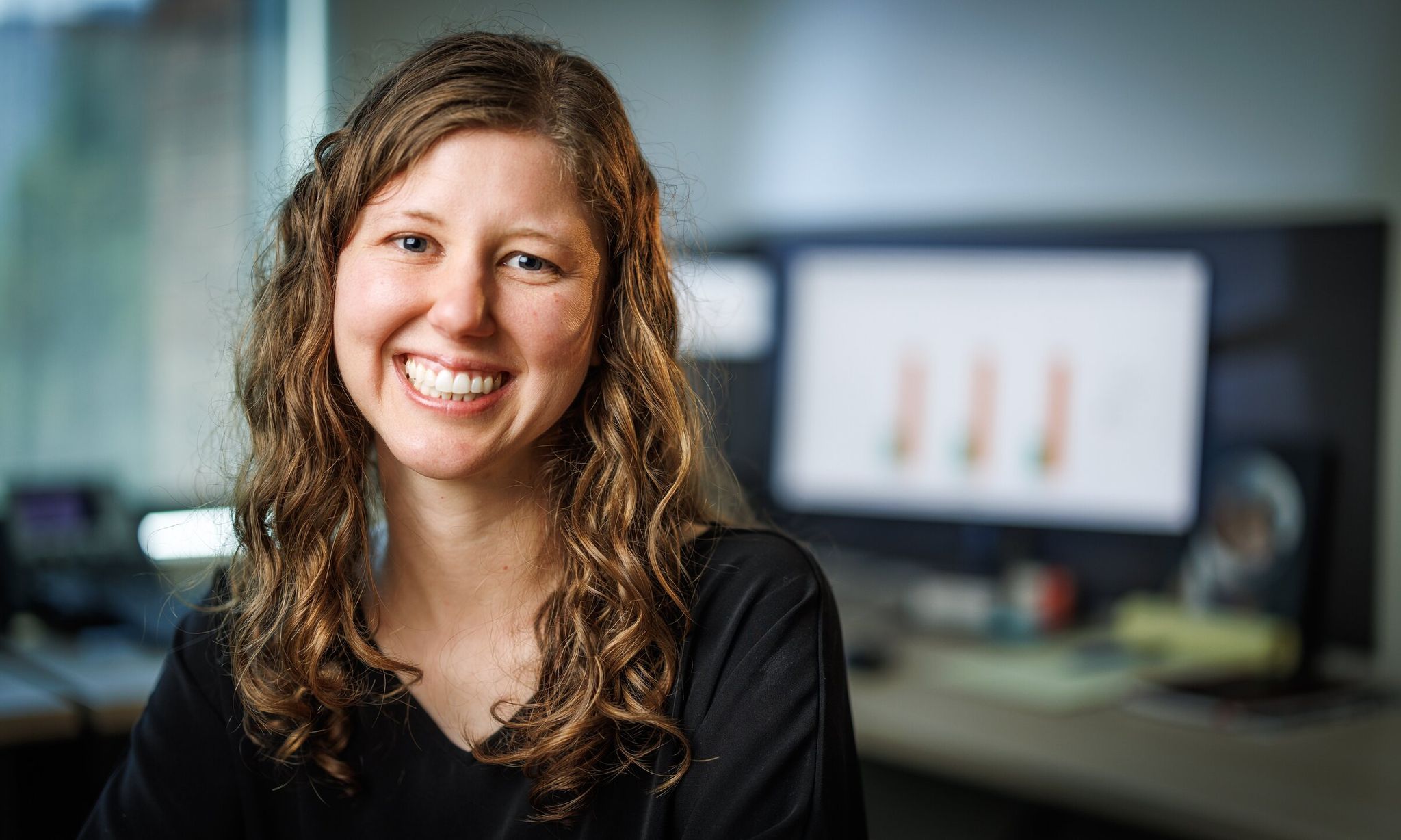
Social psychologist Megan Shen works every day with patients facing serious diagnoses at the Fred Hutchinson Cancer Center in Seattle. The center is one of the world’s leading institutions in the fight against cancer, known for pioneering advances in bone marrow transplantation, immunotherapy, and targeted therapy. It combines fundamental research with cutting-edge treatment and achieves breakthroughs every year, reflected in leadership rankings and funding from the National Cancer Institute in the United States. Megan Shen studies psychological responses to so-called “quiet losses”—the loss of a former way of life, physical abilities, social roles, or long-awaited plans due to illness. At the center, she develops and tests interventions that help patients live with and make sense of these losses: mindfulness techniques, journaling about experiences, and group support. Her work reduces psychological distress and improves the quality of life for people facing not-so-obvious but profound changes. She sees how cancer brings not only the fear of death, but also “small deaths”—the inability to travel, to have a child, or to retire on schedule. Even though these losses are not tied to someone’s passing, they cause deep pain.
These quiet losses happen repeatedly in everyone’s life. Yet society hardly teaches us how to cope with them. For death, there are funerals and rituals; for losing a career, health, or relationships, there are none. As a result, we often dismiss our pain by telling ourselves, “Others have it worse,” and we don’t give ourselves permission to grieve.
Avoiding grief doesn’t make the pain less—it only makes us suffer in isolation. Instead of hiding from losses, it’s important to learn the art of grieving as a life skill. If we learn to grieve well, it can make us more compassionate, resilient, and even happier.
The first step is to name your loss out loud. Admit: “I’ve lost this, and it hurts.” Without that acknowledgment, healing isn’t possible. There are no funerals for lost relationships or unfulfilled hopes, but we can create our own rituals: write in a journal, tell a friend, or talk about it in a supportive community.
The second step is finding small moments of joy and connection. Grief feels heavy, like a backpack that keeps pressing down. But you can learn to set it on the ground—just for a while. The author recommends keeping a “one joy a day” list: drink a cup of coffee with a loved one, work in the garden, go to a class. These tiny moments help you breathe amid the pain.
The third step is letting grief change you for the better. Many patients who have gone through serious illness begin helping others: bringing food to neighbors, writing encouraging notes, or organizing nonprofit organizations. In Seattle, for example, there are several such organizations that specialize in support for non-death losses: The Healing Center offers grief support groups, including loss of a job and divorce; Solid Ground helps with housing and employment after economic losses; Jewish Family Service runs programs for psychological counseling around divorce and career changes; Peer Seattle conducts peer support groups for people experiencing major life transitions. These nonprofits help people recognize and normalize feelings of loss that aren’t about a loved one’s death. Grief can expand our compassion and help us find new meaning.
When we learn to grieve openly and together, we not only heal ourselves—we also create a culture in which no one carries their burden alone. In Seattle, the death positivity movement, which promotes honest conversations about death and rejects taboos, provides a cultural foundation for boldly acknowledging all kinds of losses—not only those that are fatal. The community (for example, The Order of the Good Death) organizes death discussion circles and rituals that can be adapted to talking about losses from illness or layoffs as well. Grief stops being something you just have to endure—it becomes a source of growth, empathy, and deep human connection.
Loss is an inevitable part of life. But instead of fearing it, we can prepare for it, acknowledge its right to exist, and turn it into a path toward a more meaningful way of living. That’s when grief stops being only pain and becomes wisdom.
Based on: Grief isn’t just about death