
On the north plaza of Lumen Field — which will be called "Seattle Stadium" for the duration of the 2026 FIFA World Cup (FIFA rules prohibit commercial stadium names during the tournament, a standard practice for all host venues) — a nine-foot bronze sculpture titled "Living Spirit" was ceremonially unveiled. The monument, created by local artist Gerard Tsutakawa and installed permanently with a commemorative plaque from FIFA, symbolizes unity ahead of the six World Cup matches to be held there in June and July 2026.
The sculpture is an abstract bipedal figure: one side features smooth curves, the other sharp angles, joined by a circle at the top. According to the artist, it "symbolizes the unity of the world we all share." "Living Spirit" is the first work added to the stadium’s public art collection since 1999, highlighting the significance of the moment for the city.
Gerard Tsutakawa is a well-known Pacific Northwest sculptor, previously responsible for the "Glove" at T-Mobile Park and other works around Seattle. He continues the legacy of his father, George Tsutakawa, the internationally renowned sculptor and bronze fountain master from a Japanese-American artistic dynasty that has had a major influence on the city's cultural landscape. Among George Tsutakawa’s most famous works are the "Waiting" fountain at Seattle Center, the "Sun Dragon" fountain on Capitol Hill, and fountains in front of libraries and university buildings, where traditional Japanese motifs blend with modern abstraction to become symbols of multicultural Seattle. Seattle Deputy Mayor Brian Surratt noted that the new sculpture presents the city as a center of creativity and diversity.
"Living Spirit" will serve as the starting point for the "Seattle Unity Route" — a pedestrian path over six kilometers long that will pass through city neighborhoods, linking small businesses, restaurants, artworks, and cultural attractions. Organizers hope the route will allow residents and visitors to "better enjoy what makes Seattle special" and spread the benefits of the tournament to more neighborhoods.
Alongside the route, the SEA&WIN app was launched, operating similarly to Pokémon Go: users earn points by visiting designated locations and can win prizes, including tickets to World Cup matches. The tool is intended to drive visitor traffic to local communities even after the tournament ends, creating a long-term effect for the economy and culture.
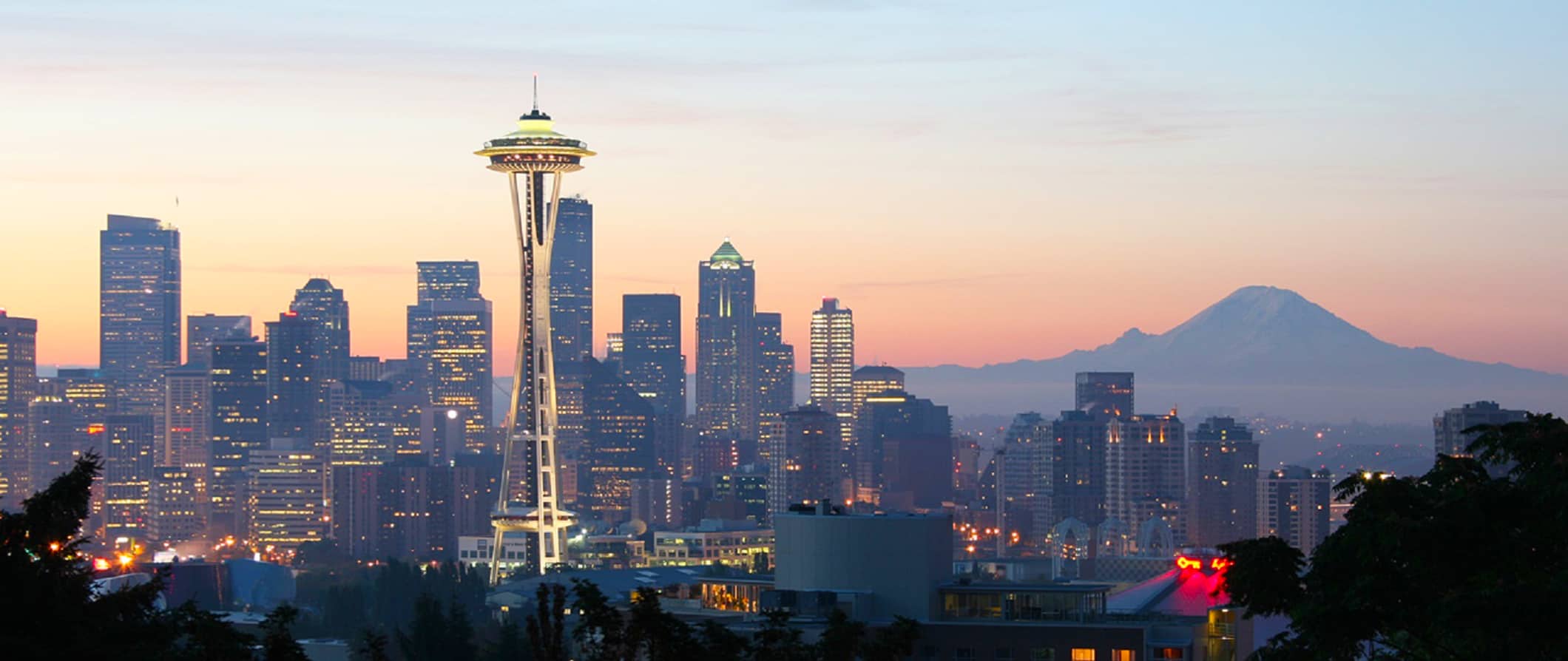
Peter Tomodzawa, CEO of the Seattle organizing committee, recalling the 1962 World's Fair "Century 21 Exposition," which turned Seattle into a showcase of futuristic technology and design — where the iconic Space Needle, monorail, and space-age exhibition pavilions were built, dubbing the city a "city of the future" — expressed hope that the 2026 World Cup will leave an equally powerful legacy. "This sculpture is what people will see when they come for the World Cup. It will present Seattle and our region as an example of unity," he emphasized.
Based on: Renowned artist's sculpture unveiled at Lumen Field - The Seattle Times