
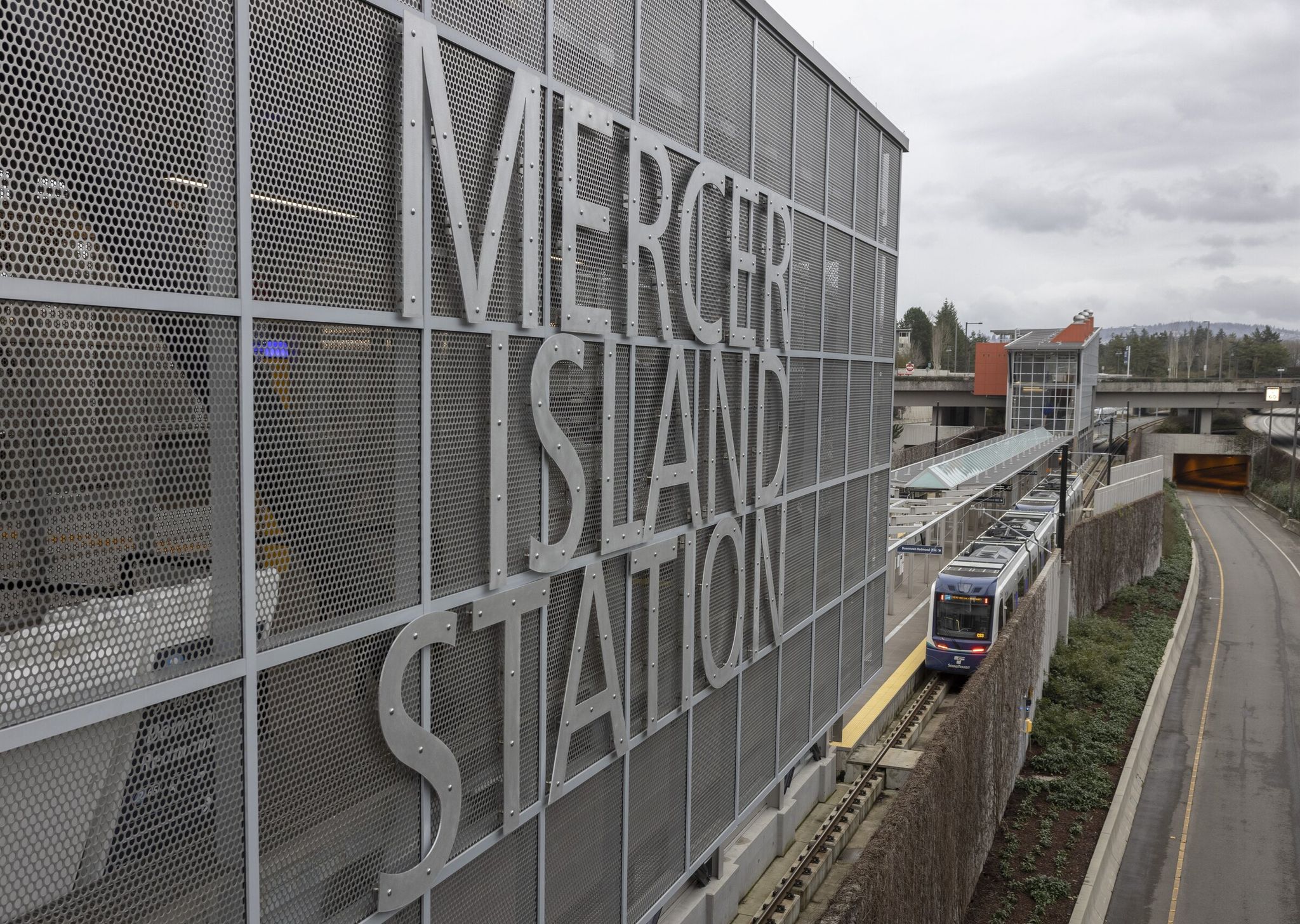
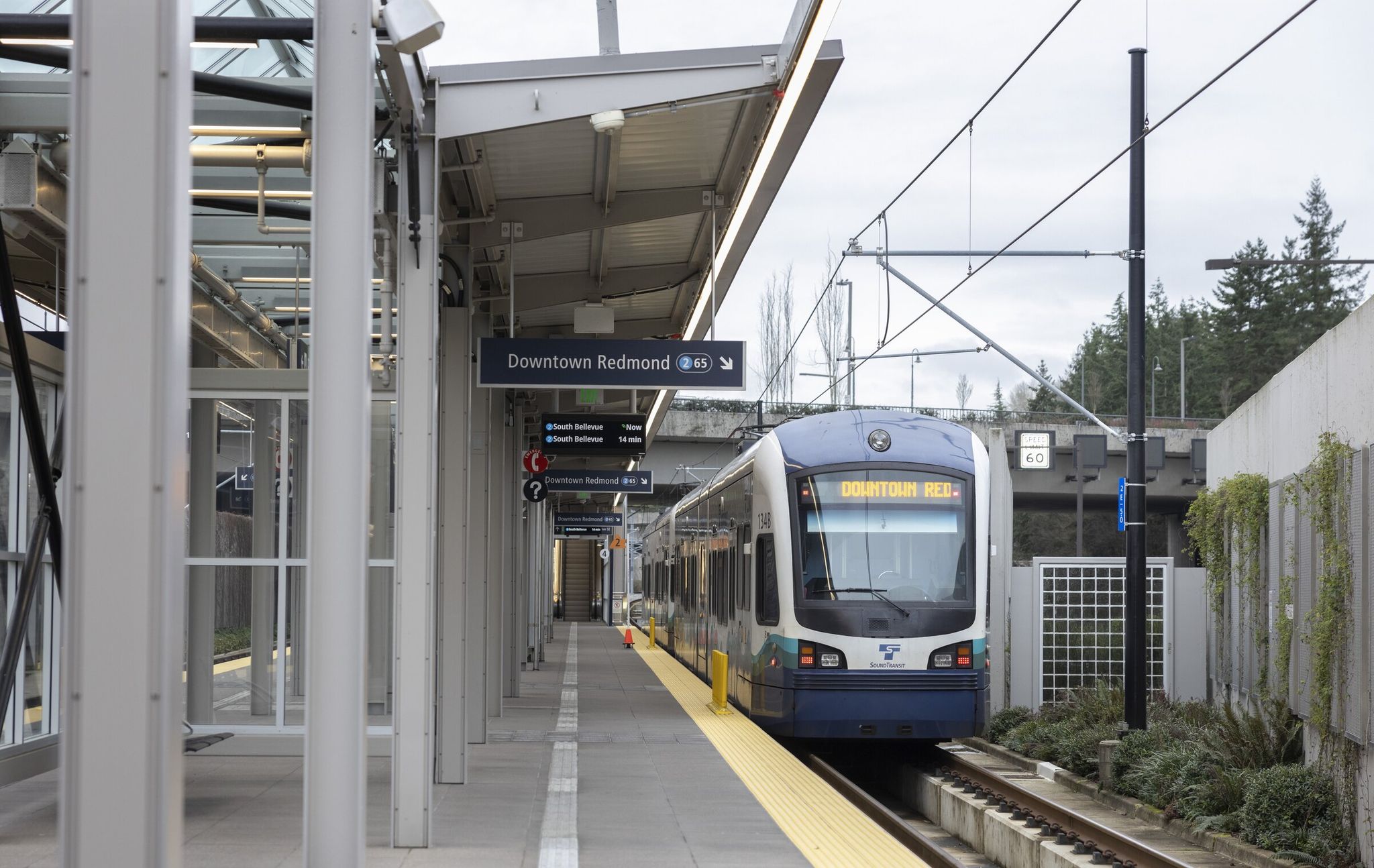
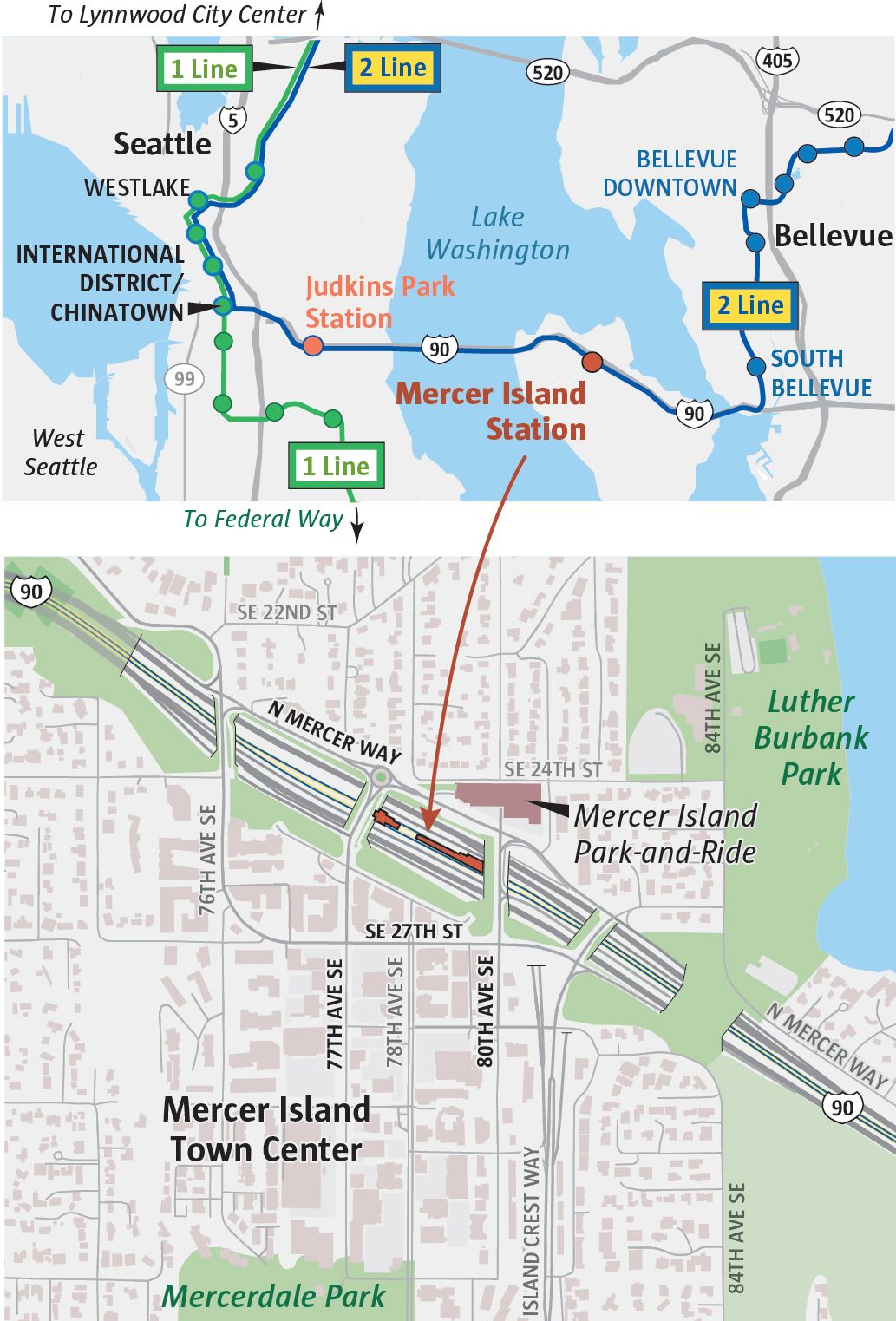
This Saturday, after many years of court battles and public debate, a light rail station will open on Mercer Island. Heated arguments about whether the island needed the project have given way to more down-to-earth questions about how residents will get to it, given a severe shortage of parking and very limited bus service.
The project, led by the main regional transit agency Sound Transit, initially met fierce opposition from some island residents and officials. Their concerns ranged from increased traffic and crime to the loss of the island’s unique secluded lifestyle. Mercer Island has historically developed as an exclusive suburb thanks to its natural beauty, isolation, and strict zoning rules, attracting affluent residents and creating an image of a wealthy enclave where the average home price reaches 220 million rubles. That image colored the debates with tones of elitism and fear of the “masses” with transit passes.
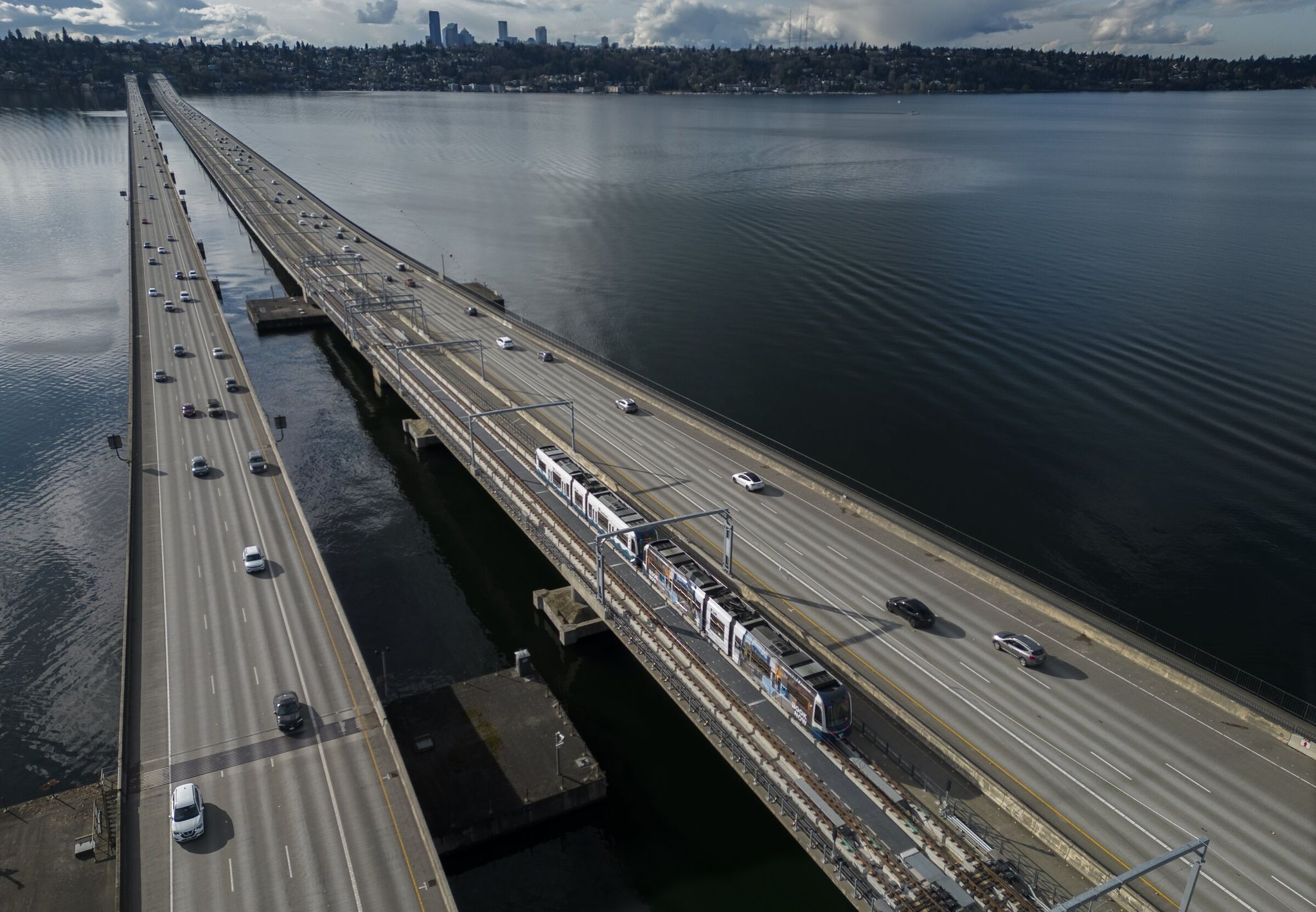
A particular flashpoint was the loss of a unique privilege — direct access to the I-90 express lanes for all cars from the island, regardless of the number of passengers. That perk, won in the 1980s, was critical for residents of the geographically isolated island, allowing quick trips to and from Seattle while bypassing usual congestion. Its loss, tied to the fact that in Washington such lanes are typically reserved for transit and multi-passenger vehicles, prompted a series of lawsuits by the city against transportation departments.
Legal battles with the influential agency Sound Transit, which manages long-term transit plans and distributes funding from local taxes and grants, lasted years. In 2017 the city dropped a lawsuit after an agreement in which the agency provided $10 million for traffic safety. But in 2020 Mercer Island filed a new suit alleging breaches of the agreement. The conflict ended with a new settlement under which the city paid the transit agency $2.1 million.
When the legal fights subsided, parking rose to the forefront. King County Councilmember Claudia Balducci notes that the island partly created its own problem by blocking construction of a larger parking garage at the station. Instead of the large garage proposed by Sound Transit, the city agreed only to a compact two-story structure, partially built into the ground.
That 447-space garage, built in 2008 for $16.8 million, filled up quickly and has been consistently over capacity since. Meanwhile, just one stop away at South Bellevue station, a 1,500-space parking lot is still not fully used. The contrast sharply illustrates the island’s limited approach to infrastructure.
Even on the eve of the opening not all residents are at ease. At a February city council meeting, council members, including Lisa Anderl, raised safety questions, expressing concerns about crime and drugs on the trains. In response, Sound Transit touted its security force, and city manager Jessie Bon reported stepped-up police patrols.
Practical access remains the main headache even for project supporters. Councilmember Julie Hsi, who supports the light rail, points out that the small parking facility and weak bus routes will complicate both attending the grand opening and everyday use of the system.
Currently the island is served by only two King County routes (204 and 630), operating on a flexible “flex service” or “route taxi” model. This arrangement, typical for low-density suburban areas, usually features less frequent service connecting residential neighborhoods to transit hubs, and is clearly insufficient for full integration with the new rapid rail station.
Based on: How Mercer Island learned to love light rail, or at least accept it