
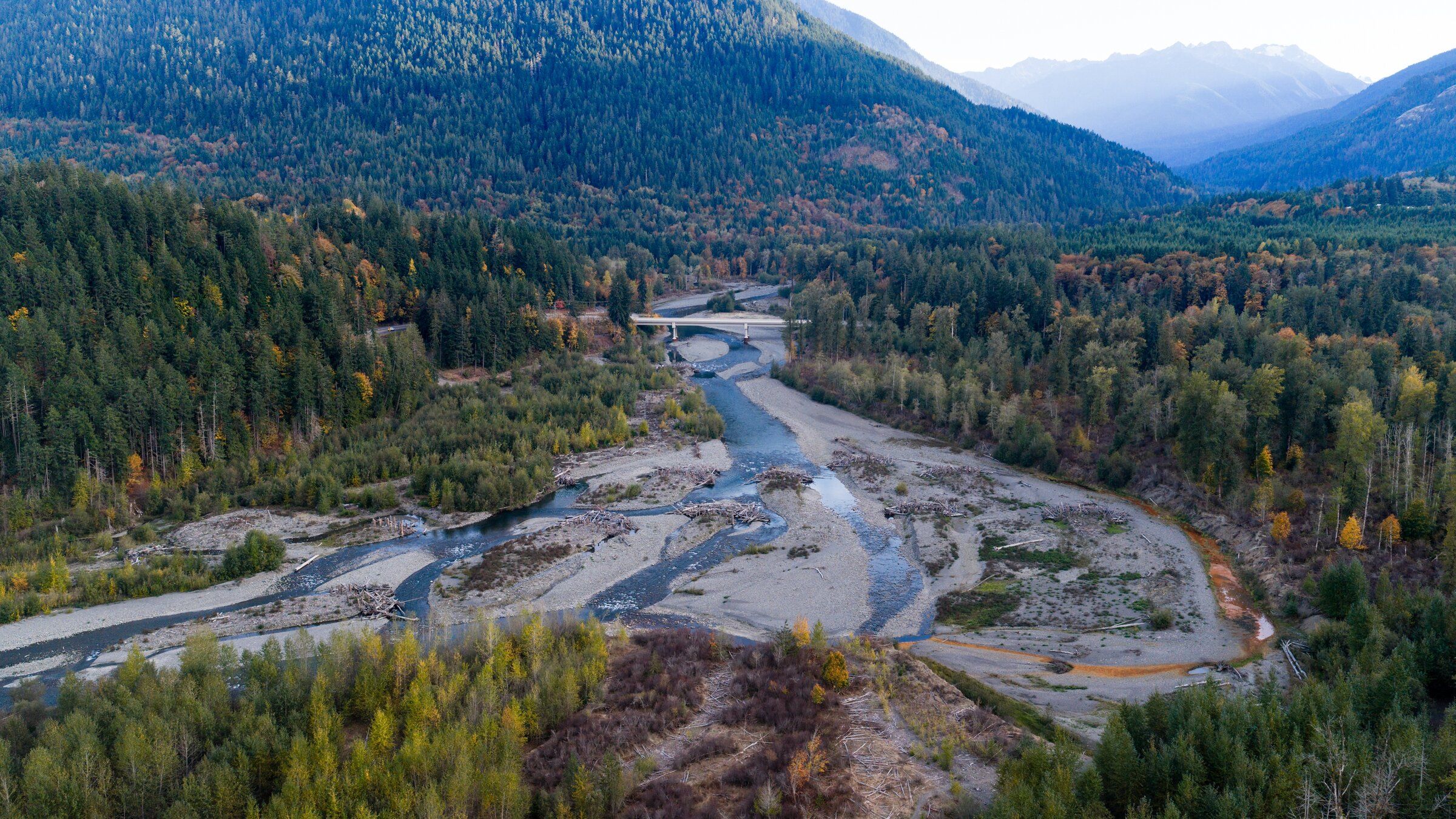
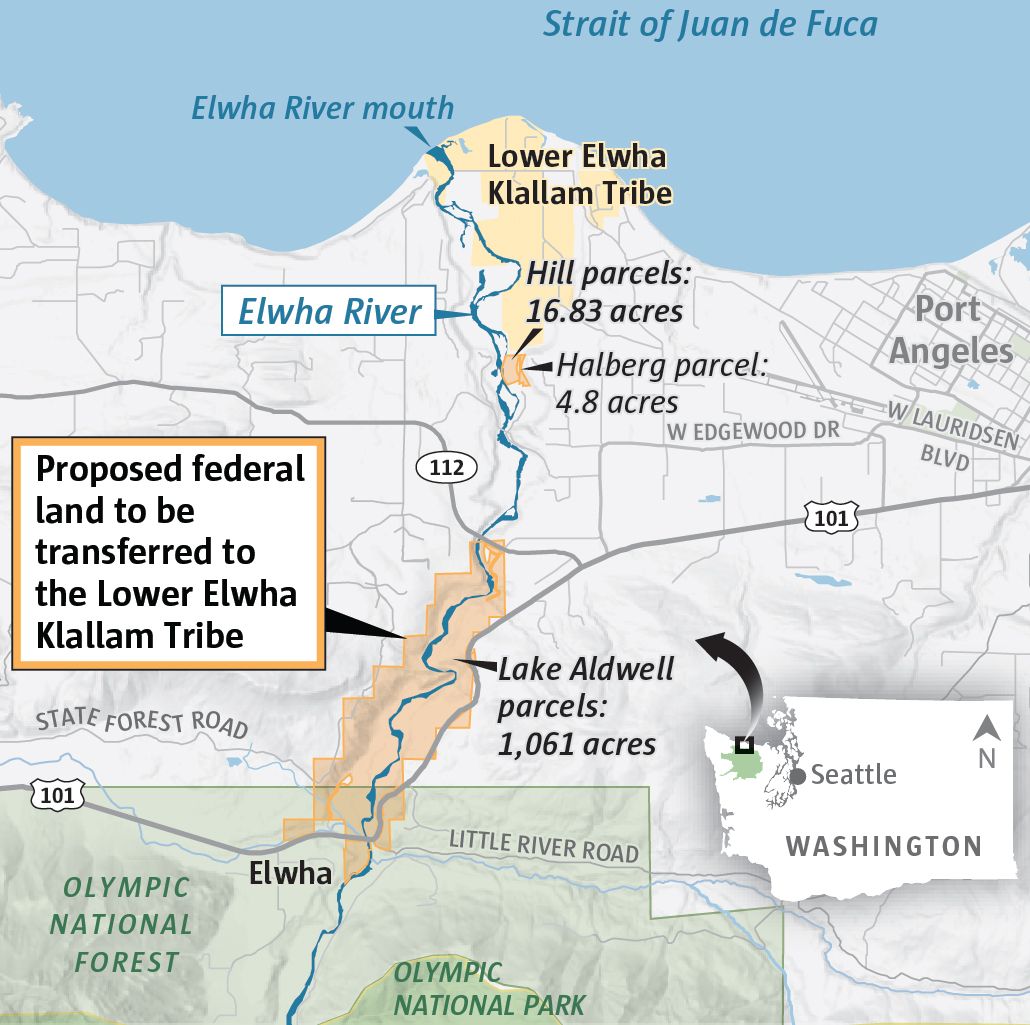
Nature is continuing to recover along Washington state’s Elwha River after the largest dam-removal project in the world at the time. Twelve years ago, the final structures of two dams that had blocked salmon migration and flooded the traditional lands of the Lower Elwha Klallam Tribe were removed. Now, about 1,100 acres of federal land used for the project are set to be transferred to the tribe.
The U.S. Congress approved the legislation in the fall, and it requires President Donald Trump’s signature to take effect. The transfer would symbolically complete the federal program and mark the first return of these lands to the tribe since the Point No Point Treaty of 1855.
Under the treaty, the tribe ceded most of its territory to the United States but retained the right to fish, hunt and gather plants on its traditional lands. U.S. law recognizes treaties with Native nations as binding unless their provisions are formally amended. As a result, these rights remain in effect even when specific territories are federally or privately owned, and they are taken into account in natural-resource management.
The $325 million project not only freed the river channel but also helped return important cultural sites to the tribe. After the reservoirs were drained, village sites, fishing grounds and the sacred creation site of the Klallam people emerged—areas that had been submerged for roughly a century. Archaeological discoveries indicate that people lived here for more than 8,000 years.
The federal government, particularly the National Park Service, directed the dam removal on land within Olympic National Park and funded a significant share of the work. Washington state participated in environmental regulation, fisheries management and coordination among federal and tribal authorities. However, state officials could not unilaterally revoke the tribe’s treaty rights.
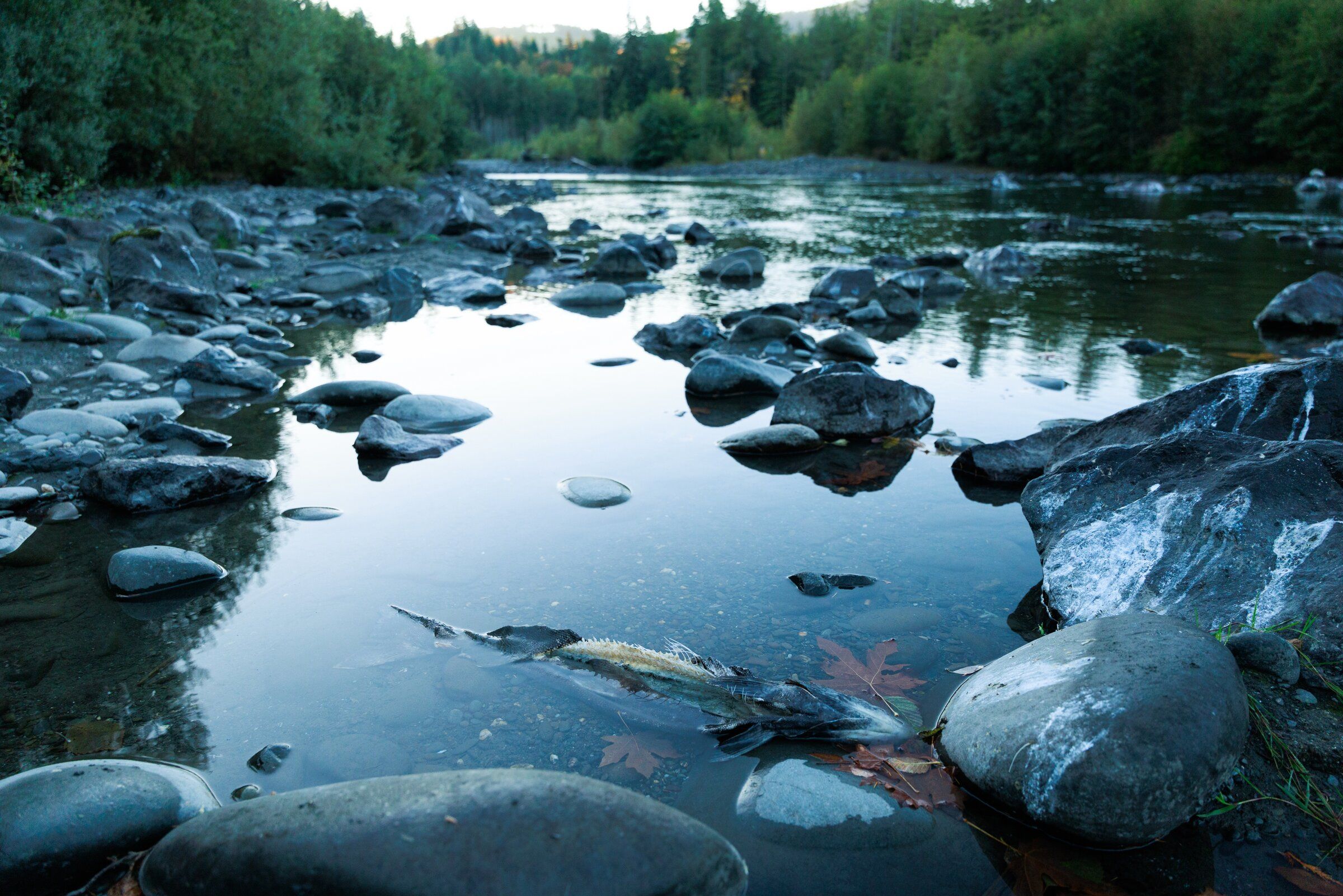
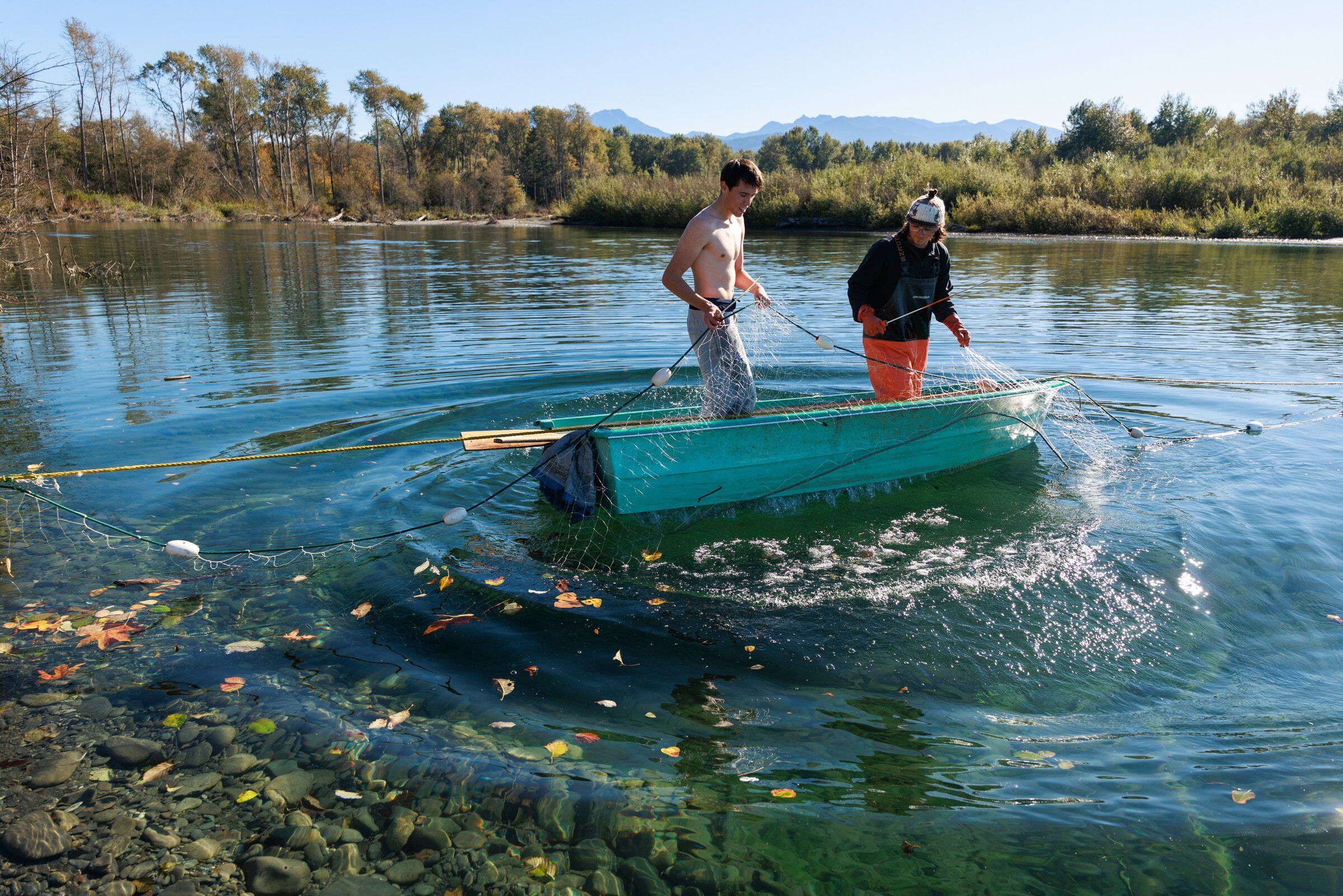
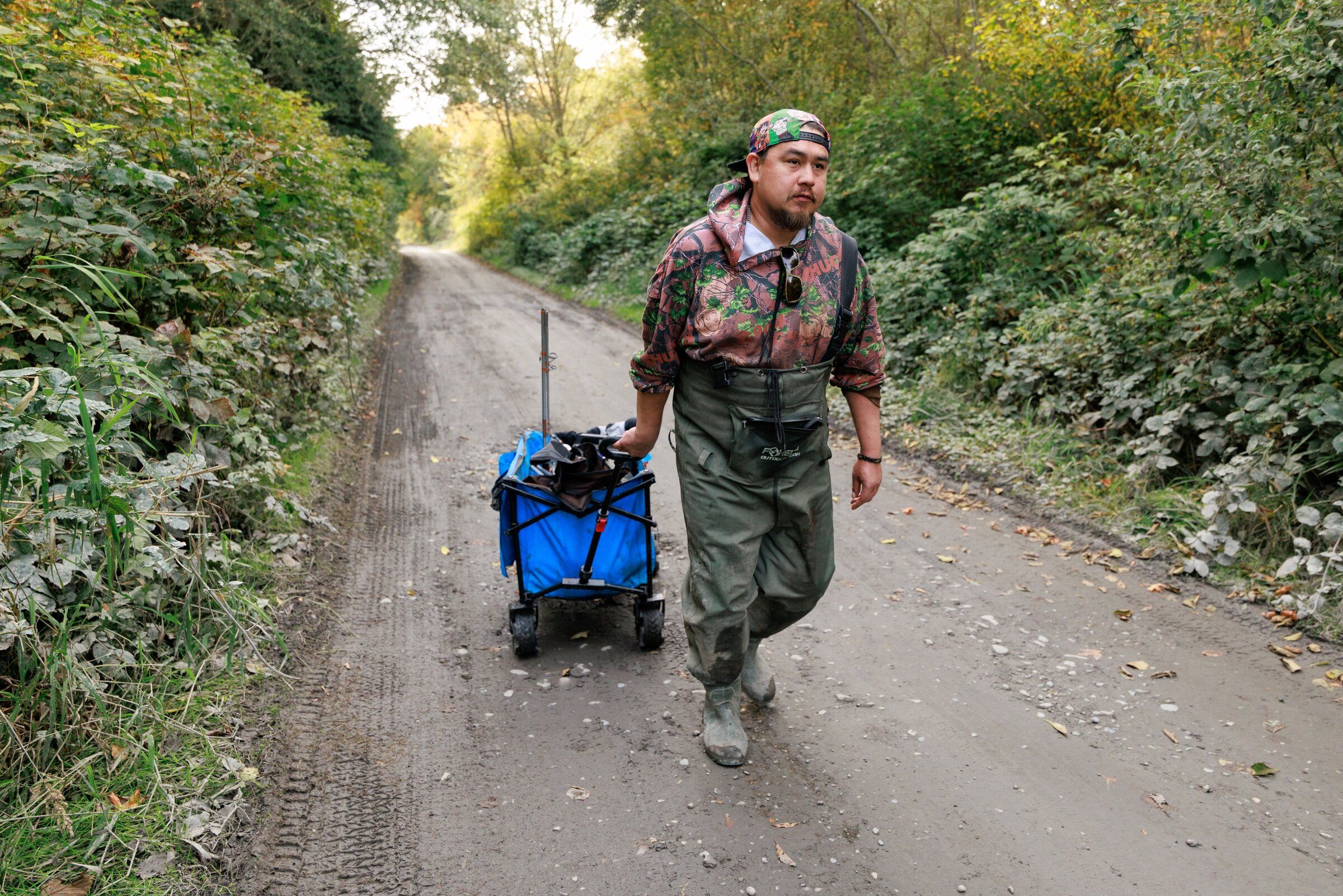
The river’s recovery is already apparent: Chinook salmon and other species are returning to its cool upper reaches, calm pools have formed among the logs, and the banks are once again covered with cedars, moss and other vegetation. Tribal families have returned along with the wildlife. Residents are fishing again, teaching children how to prepare salmon and holding ceremonies at places that were once considered part of oral tradition alone.
For the tribe, the river and salmon have not only ecological but also spiritual significance. Tribal Chairwoman Melissa Gilman says the land, river and fish are part of the people’s identity. Transferring the territory will allow the Klallam to direct the ecosystem’s long-term recovery, protect sacred places and ensure access to traditional foods and medicinal plants.
The Elwha experience has become an international example of ecological restoration and cultural renewal. Other Indigenous peoples are studying it, including communities in the Klamath River Basin in Oregon and California. The project showed that dam removal must be part of a broader program: salmon populations must be restored, access to traditional lands returned and a system for long-term river management established at the same time.
Experts also note that such projects require federal funding, scientific monitoring and preparation for temporary effects, including poorer water quality and declining fish stocks. Tribal leaders hope to involve young people in the work ahead and jointly determine the territory’s future. They say returning the land will help not only the river but also the people themselves regain a sense of home and healing.
Based on: Elwha River dam removal project nears capstone with land transfer to tribe