
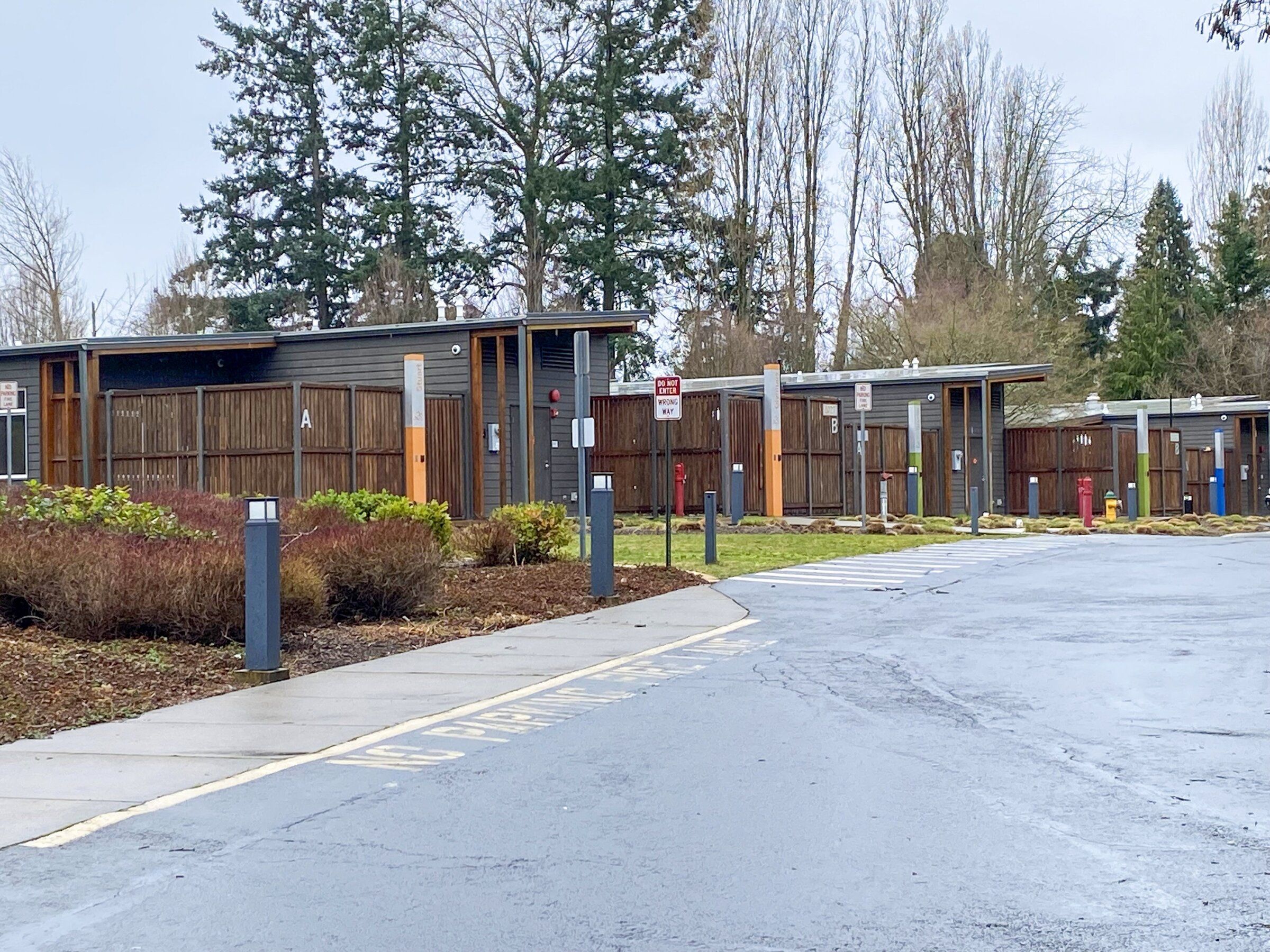
Located in Burien, the Lake Burien Transitional Care Facility is one of the few state-run mental health centers for children and adolescents in Washington state. It may soon change its official designation. Two years after opening, the facility plans to seek certification as a Children’s Long-term Inpatient Program, or CLIP. That would shift it from a model focused on adolescents with both mental health and intellectual disabilities to treating patients with more severe psychiatric disorders, including those who have been involuntarily hospitalized.
The certification would confirm that the center meets state requirements and federal standards for inpatient psychiatric care for children and adolescents. After an October inspection, Lake Burien could receive up to 50% in matching federal funding. It would also face greater oversight from the state Department of Health and The Joint Commission, the national organization that accredits hospitals.
This is especially important to the facility’s financial stability because state psychiatric centers are typically funded through multiple sources. Medicaid, known in Washington as Apple Health, pays for treatment for eligible patients through the Health Care Authority and contracts with facilities. Medicare is primarily intended for people over 65 and some people with disabilities, and is generally not a major source of payment for children’s psychiatric care. Additional funding may come from the state budget, federal grants and private insurers; the exact mix depends on the patient’s status and the type of facility.
Lake Burien currently has 12 beds, with the possibility of expansion. Stays are voluntary and typically last several months. The center was created for adolescents who need both psychiatric care and support related to autism, intellectual disabilities or other developmental disabilities. Its goal was to prepare patients to return home and connect them in advance with services for their families and local communities.
CLIP centers, by contrast, treat adolescents with severe behavioral disorders, including those who have been involuntarily hospitalized. To be admitted, treatment must be deemed “medically necessary.” Amid lengthy waitlists and the planned closure of another facility, the state risks losing a quarter of its available beds.
State officials say the changes are primarily administrative and will not affect admission rules. Families and patient advocates, however, fear that the new designation will change the center’s priorities and could reduce access to treatment for adolescents with developmental disabilities. One family said their son was unexpectedly discharged, and that his parents were initially told he did not meet CLIP requirements, although that explanation was later denied. Representatives of the ombudsman’s office found no evidence of mass discharges resulting from the change in designation, but noted that CLIP centers are secure psychiatric facilities — a significant departure from Lake Burien’s original concept.
Critics also say the center is already not doing enough to help families arrange support after discharge. Connections with schools, local clinics and other services are not always established, while therapy plans and individualized education programs are often not ready for the child’s return home. The stricter discharge timelines in the CLIP system could worsen the problem.
Transition planning usually begins before discharge. With the family’s consent, the hospital provides the family, school district and local service providers with a treatment plan, safety recommendations, medication information and details about follow-up appointments. Coordination may involve a hospital social worker, transition specialists, a school counselor and a local behavioral health organization. King County also has community clinics, crisis services and family-support programs.
After the adolescent returns to school, the school district’s team evaluates the student’s needs and develops or revises an individualized education program — IEP — together with the parents and qualified professionals. Final responsibility for the IEP rests with the school district, not the hospital or clinic.
The Department of Social and Health Services maintains that the center will retain its current number of beds, admission requirements and specialized services. Families, however, worry that community support systems will not have time to adapt to the new format.
Based on: King County youth mental health facility may soon see changes