
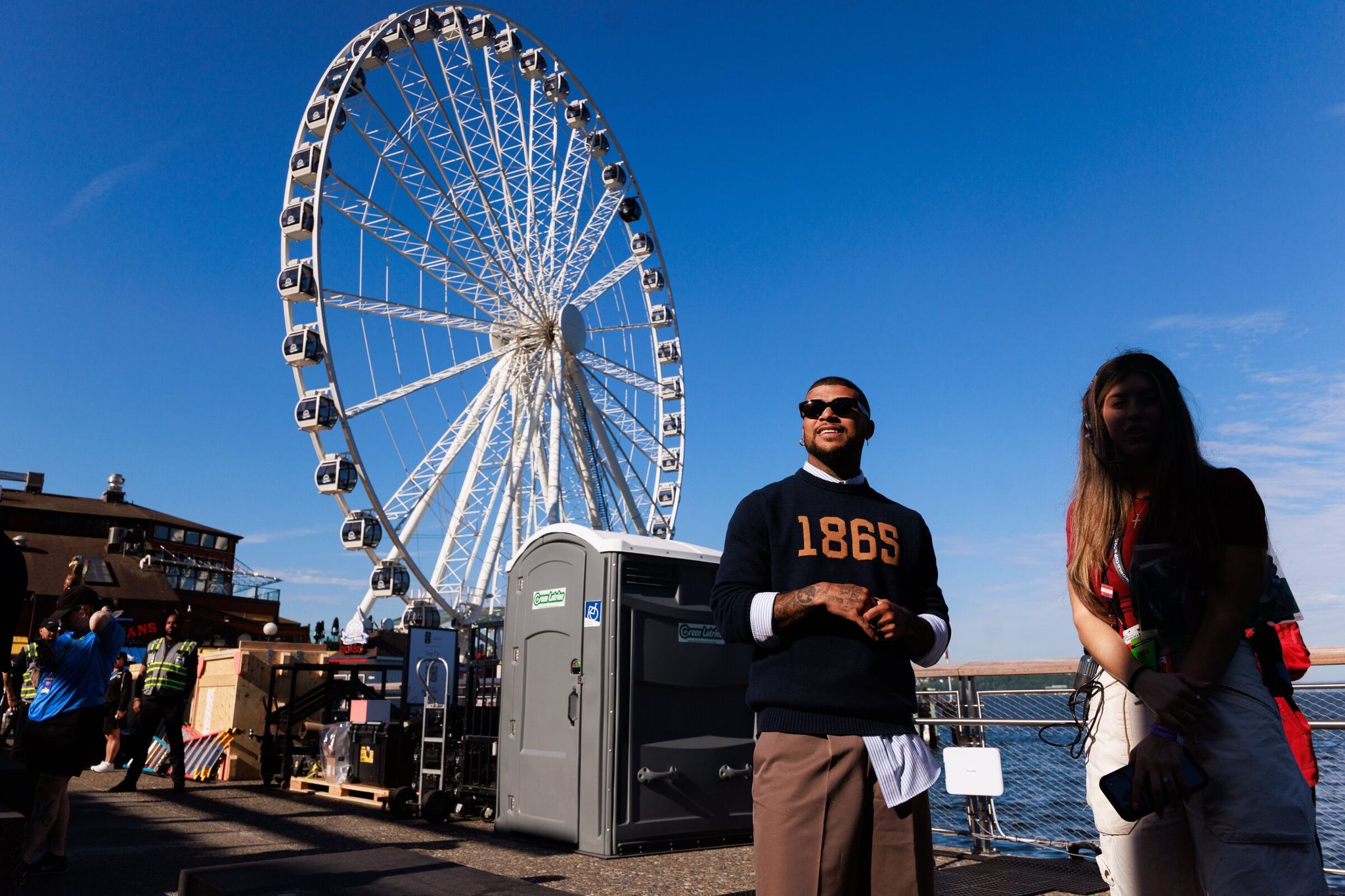
On Friday, June 19, two major events unfolded side by side in Seattle: the group-stage match at the FIFA World Cup between the United States and Australia (2–0 for the hosts) and a large-scale Juneteenth celebration — the day commemorating the emancipation of the last enslaved African Americans in Texas. By 8 a.m., Pier 58 along the city’s waterfront had turned into a unique hybrid celebration, where Black celebrities, athletes, and artists helped warm up thousands of fans, while simultaneously sharing a key chapter of American history.
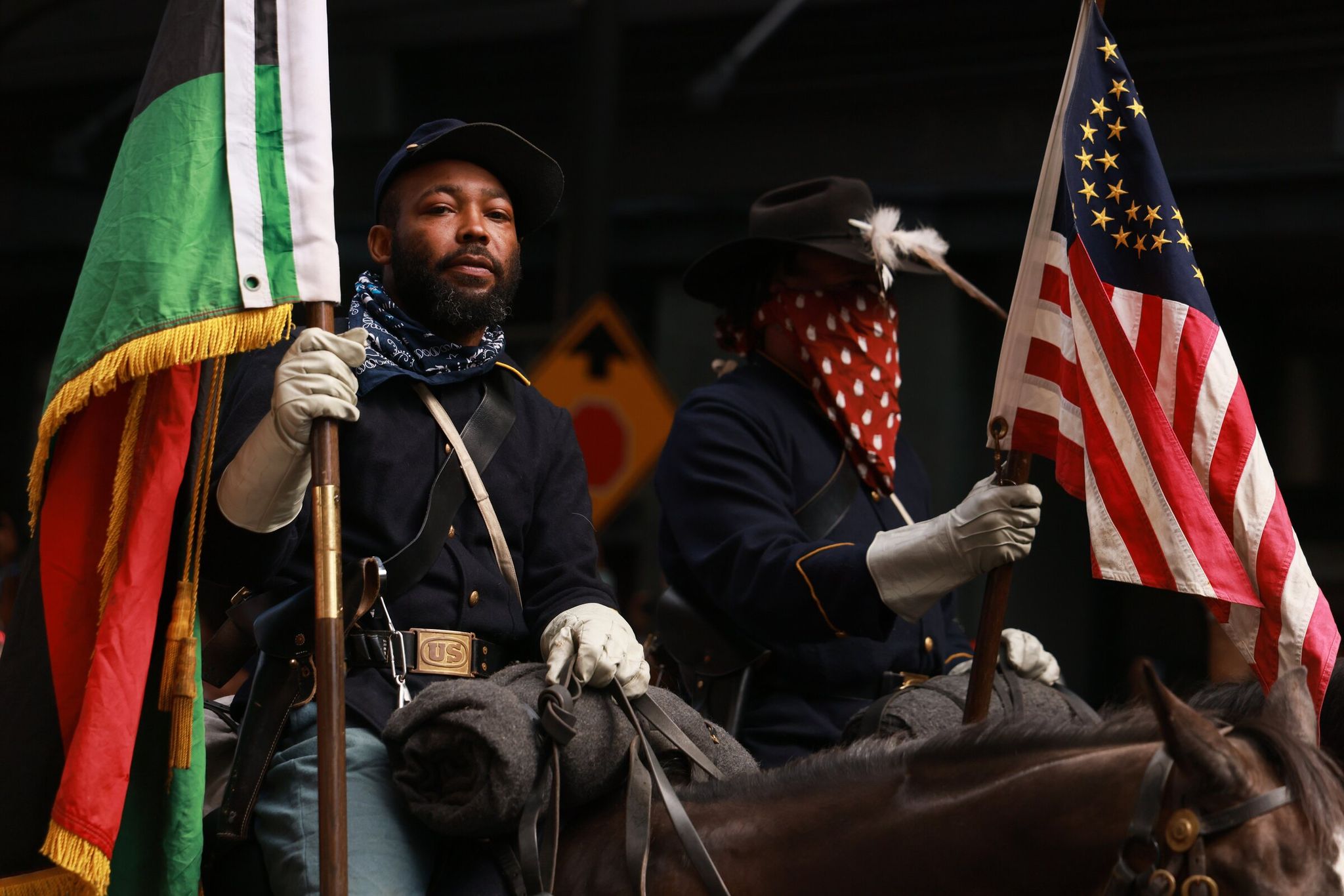
The history of Juneteenth dates back to June 19, 1865 — when news of emancipation finally reached the last enslaved people in Texas, even though the Emancipation Proclamation had taken effect on January 1, 1863. As the event’s host, Everett Fitzhugh — the first Black full-time NHL broadcaster in history, working with the Seattle Kraken hockey club — emphasized, the gap of two and a half years is a reminder that freedom does not arrive instantly. Fitzhugh, who is actively involved in youth hockey programs across all segments of society, symbolizes the league’s efforts to broaden diversity. Organizers from the nonprofit Black Players for Change and the local Juneteenth advisory committee said that the coincidence of the match date and the holiday was no accident — a “chance to tell the world a history lesson.”
The U.S. national soccer teams are traditionally known for racial diversity: many players on the men’s team have African or mixed heritage. Both the men’s and women’s teams have actively advocated for racial justice; after the killing of George Floyd in 2020, they wore shirts reading “Black Lives Matter.” MLS clubs, including Seattle Sounders, invest in youth soccer development among Black communities, donate tickets, and support local efforts.
State Senator T’Wina Nobles and Representative Brianna Thomas, both running as Democrats, said that soccer is one of the most accessible sports. “You need legs, a friend, and a ball,” Thomas said, highlighting how this makes the game open to families from all walks of life. Nobles added that local teams are constantly “coming to our youth” — not only with words of support, but with concrete actions.
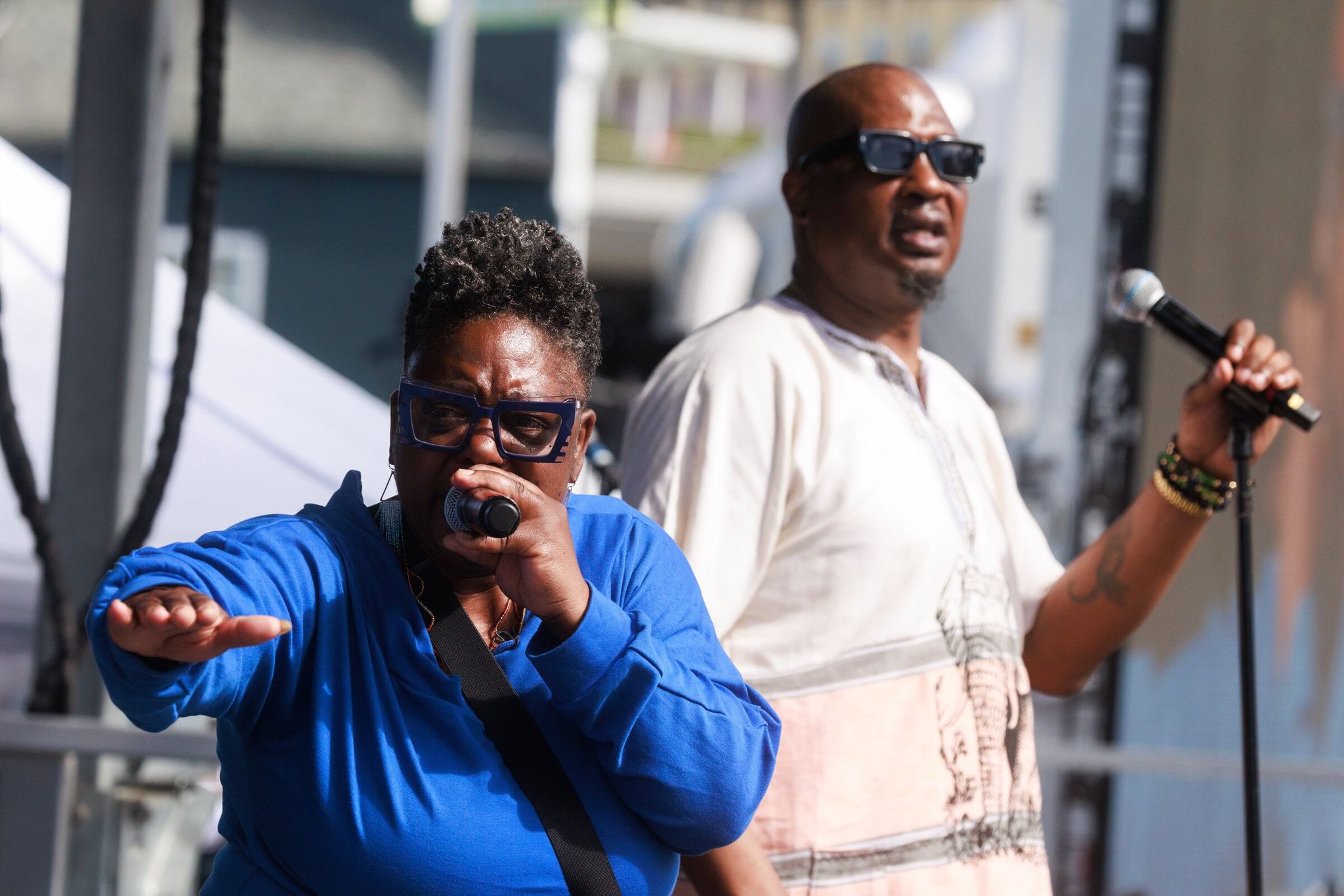
The biggest crowd excitement came from philanthropist and former NFL player Marshawn Lynch, a legend of the Seattle Seahawks. He took part in a live appearance on the popular soccer podcast “Men in Blazers” and, as someone familiar with the volume of Seattle stadiums, delivered a colorful warning to Australian fans: the noise at Lumen Field can literally bring down the stands. And it’s not an exaggeration: Lumen Field is known for its distinctive funnel-shaped acoustics, and the Seahawks fans — known as the “12th Man” — set a world record for loudness at an open-air stadium (137.6 decibels) during Lynch’s “Beast Quake” run in the 2011 playoffs, when his burst through the opposing defense caused jolts recorded by a seismograph. The morning also began with a performance of “Lift Every Voice and Sing” by local vocalist Gina Williams — often considered the unofficial anthem of Black Americans.
Ava Gibbs, a fan from Miami, admitted she didn’t expect to find a Juneteenth celebration in the World Cup program, but she appreciated how the hosts wove elements of Black history organically into the soccer show. In her view, professional soccer’s push for diversity makes such a symbiosis especially fitting.
Some Black leaders acknowledged that the cheerful soccer carnival can come into tension with Juneteenth’s darker chapters. But, according to Representative Debra Entenmen, these events should be mixed specifically now, in a harsh political climate: “It gives people from all over the world a chance to learn the real America — with all its scars and wrinkles. And any such chance should be taken.”
Based on: Juneteenth celebration brings Black history to World Cup