
A judge in the Squaxin tribal court has overturned the removal of longtime activist and educator Sally Brownfield and two of her relatives, ruling that the tribe should not have disenrolled them. Central to the decision was the principle that the burden of proving the necessity of disenrollment rests with the tribal leadership, not with the member, who is not required to reestablish their right to membership. Judge Josh Williams called Brownfield’s disenrollment “arbitrary and unreasonable.”
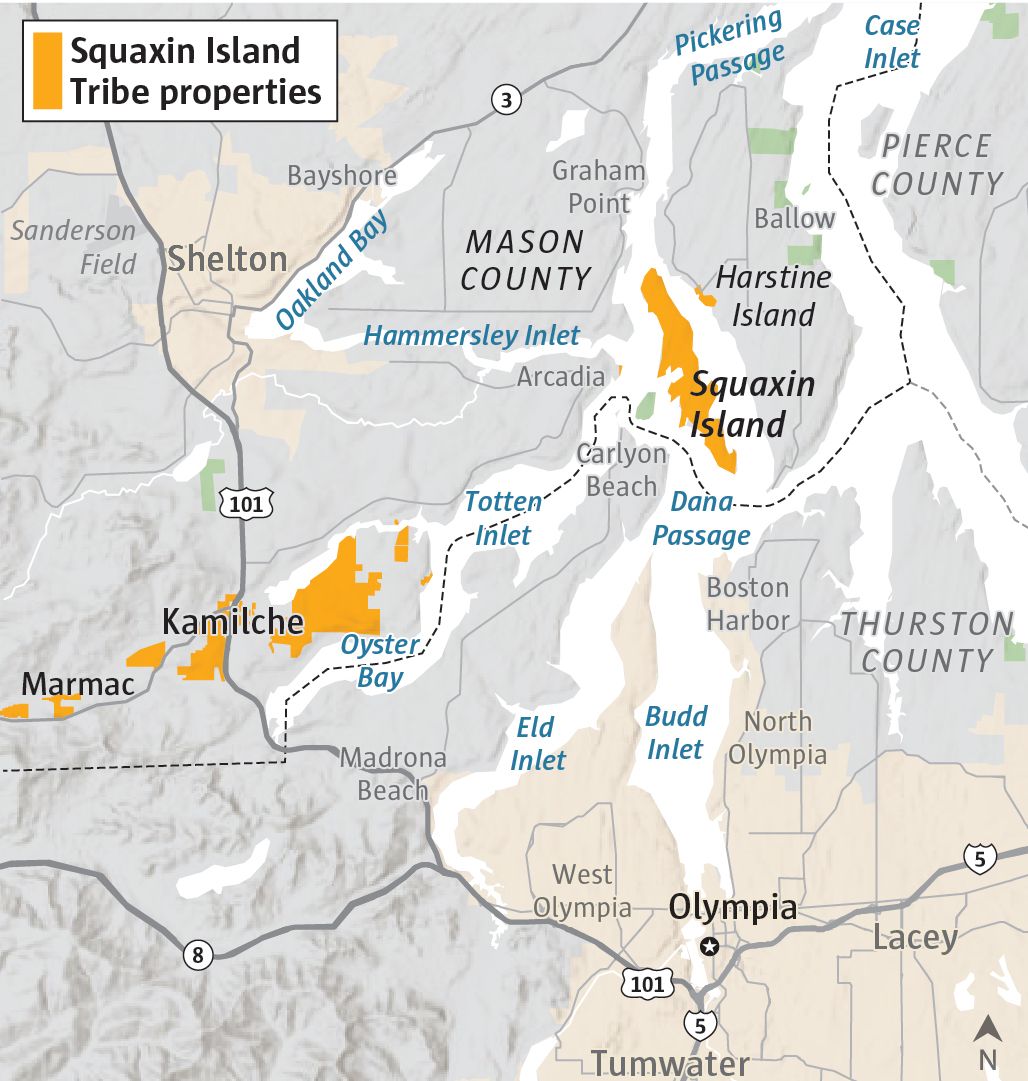
The Squaxin Tribe, historically composed of seven related communities living along the southwest shore of Puget Sound, received federal recognition in 1965. That official affirmation by the U.S. government of the tribe’s status as a sovereign political entity provided the basis for self-governance, the development of its own laws and courts, land management, and access to federal support programs. Today the tribe’s main reservation is on Squaxin Island in the southern part of the sound, near the town of Shelton, and the tribe also holds lands in Mason County.
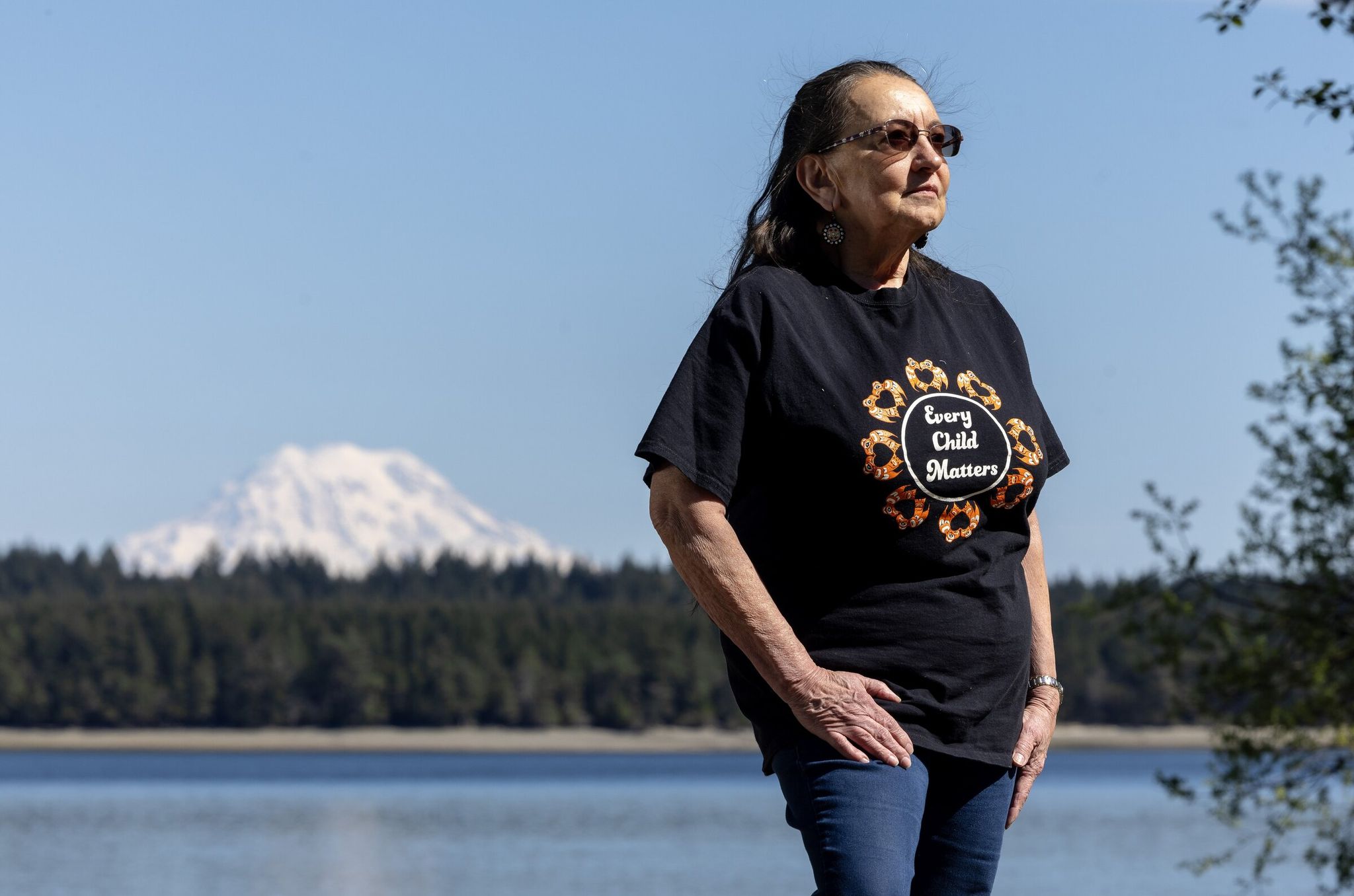
Seventy-five-year-old Sally Brownfield grew up in Washington state and says she is a descendant of a local Native woman. After the tribe received federal recognition, she and her mother were active in building its institutions. In the 1980s and 1990s they were formally enrolled in the tribe, along with a number of other people with deep community ties.
But last spring Squaxin leadership stripped Brownfield and others of membership, citing an audit and provisions in the tribal constitution that require proof of a sufficient degree of Indian blood and descent from specific historical individuals. The actions stirred unrest in the small tribe of about 1,300 people. Critics viewed the purge as a power struggle, while tribal leaders insisted they were simply cleaning up the rolls.
The case was decided in the Squaxin tribal court, which has primary jurisdiction over tribe members on the reservation and handles civil matters, family disputes and certain criminal cases. It is a separate, parallel judicial system grounded in tribal sovereignty, while federal and state courts have jurisdiction over more serious crimes and cases involving non-Indians.
In his Jan. 12 ruling, Judge Williams focused not on the dispute over Brownfield’s ancestry but on the tribe’s insufficient evidence. He noted that if the tribe once found the evidence of her descent sufficient for enrollment, it is now the tribe’s burden to prove otherwise. The judge also rejected the tribe’s argument about procedural defects in the enrollment of Brownfield’s mother.
Tribal Chair Chris Peters criticized the ruling, saying it conflicts with other orders by the same judge and with the facts, and suggested Brownfield prevailed because of public advocacy. The tribe has filed a motion for reconsideration. Brownfield herself called the verdict clear and fair, expressing frustration with leaders’ reluctance to accept it immediately.
The case draws attention to the growing issue of disenrollment in U.S. Indian tribes. Brownfield’s attorney noted that each case is unique, but none of them makes anyone happy. Experts hope the decision could set an important precedent by shifting the burden of proof in similar disputes and protecting the rights of long-standing community members.
Based on: Judge overturns disenrollment of prominent Squaxin Island Tribe member