
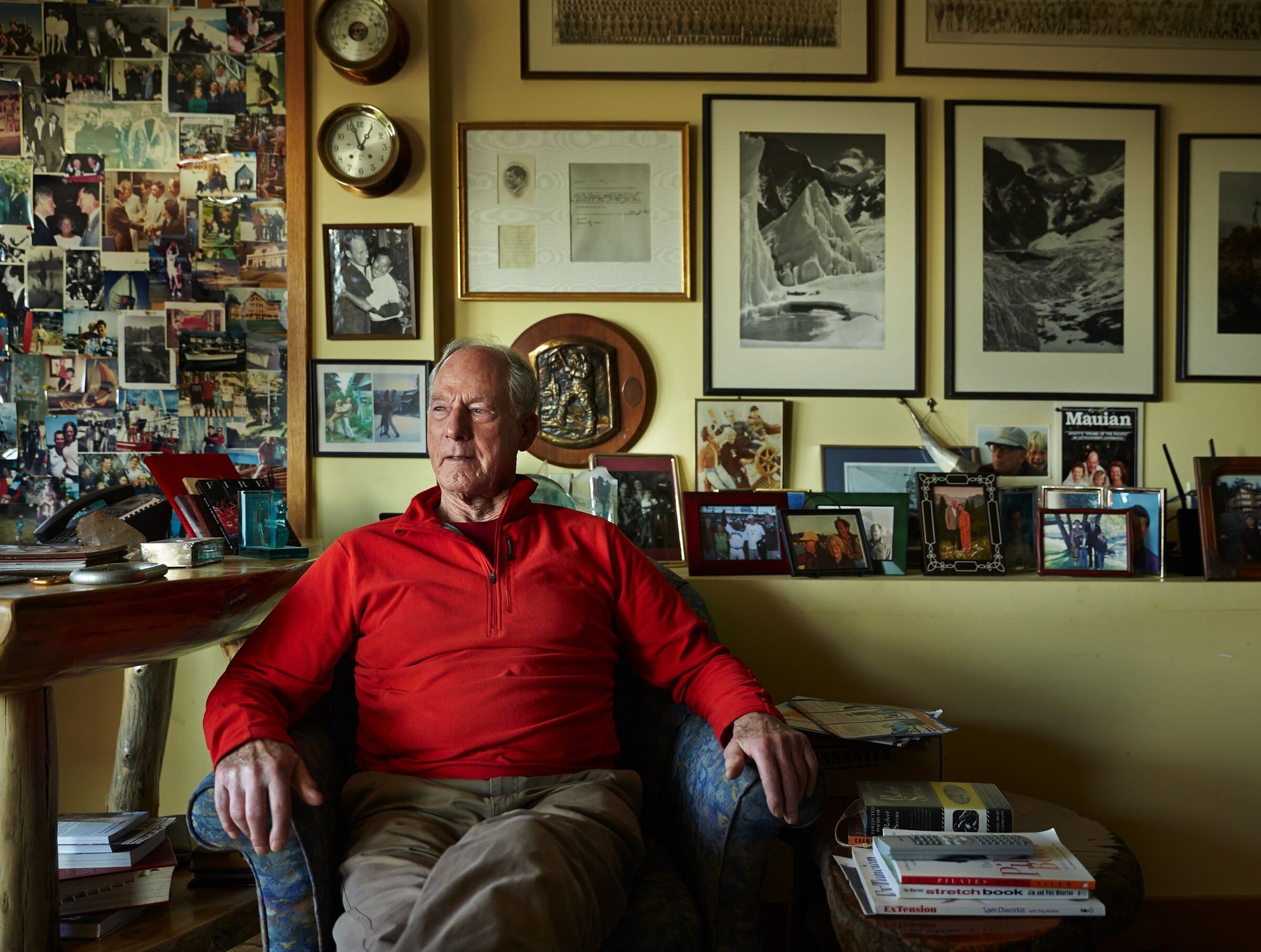
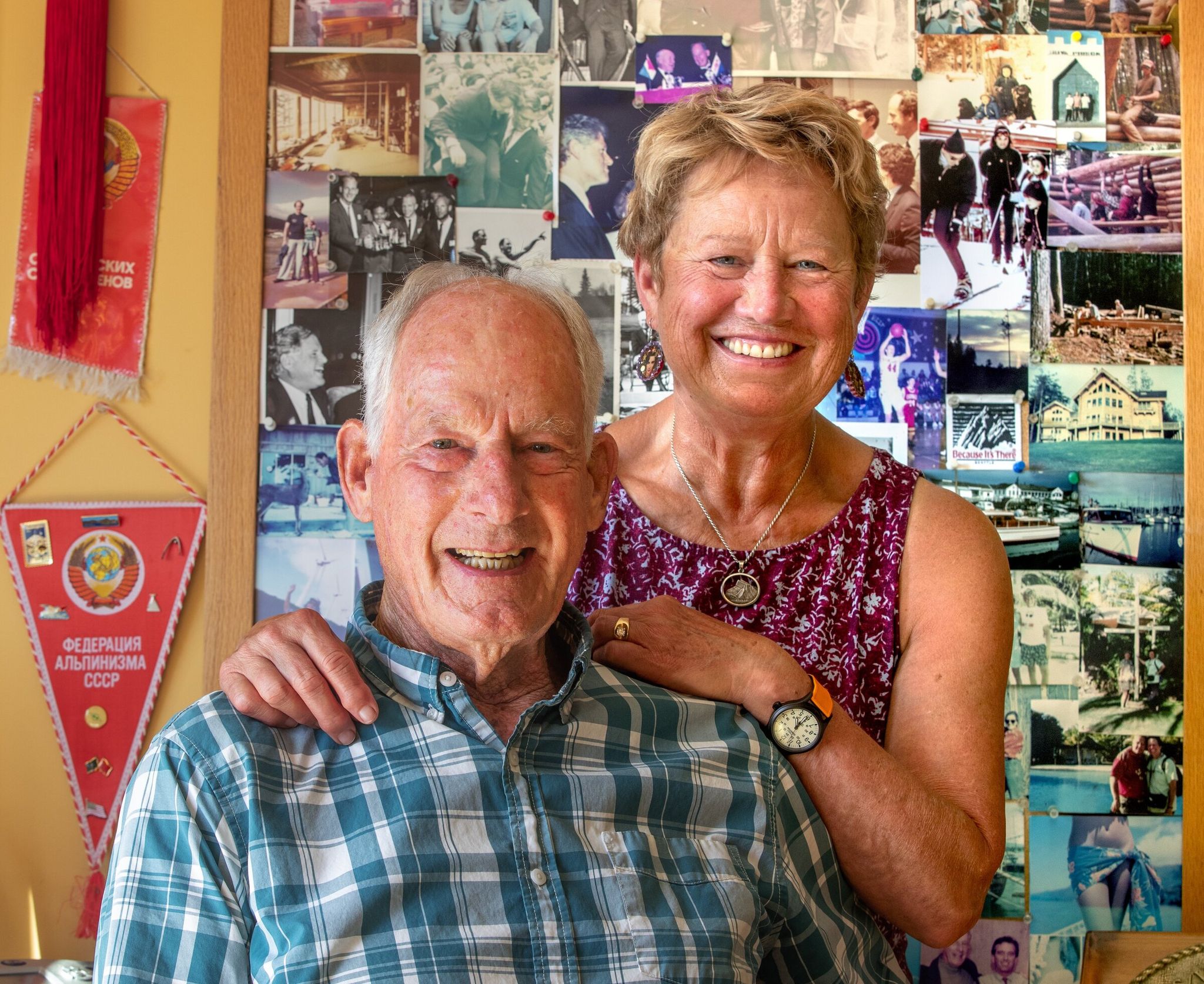
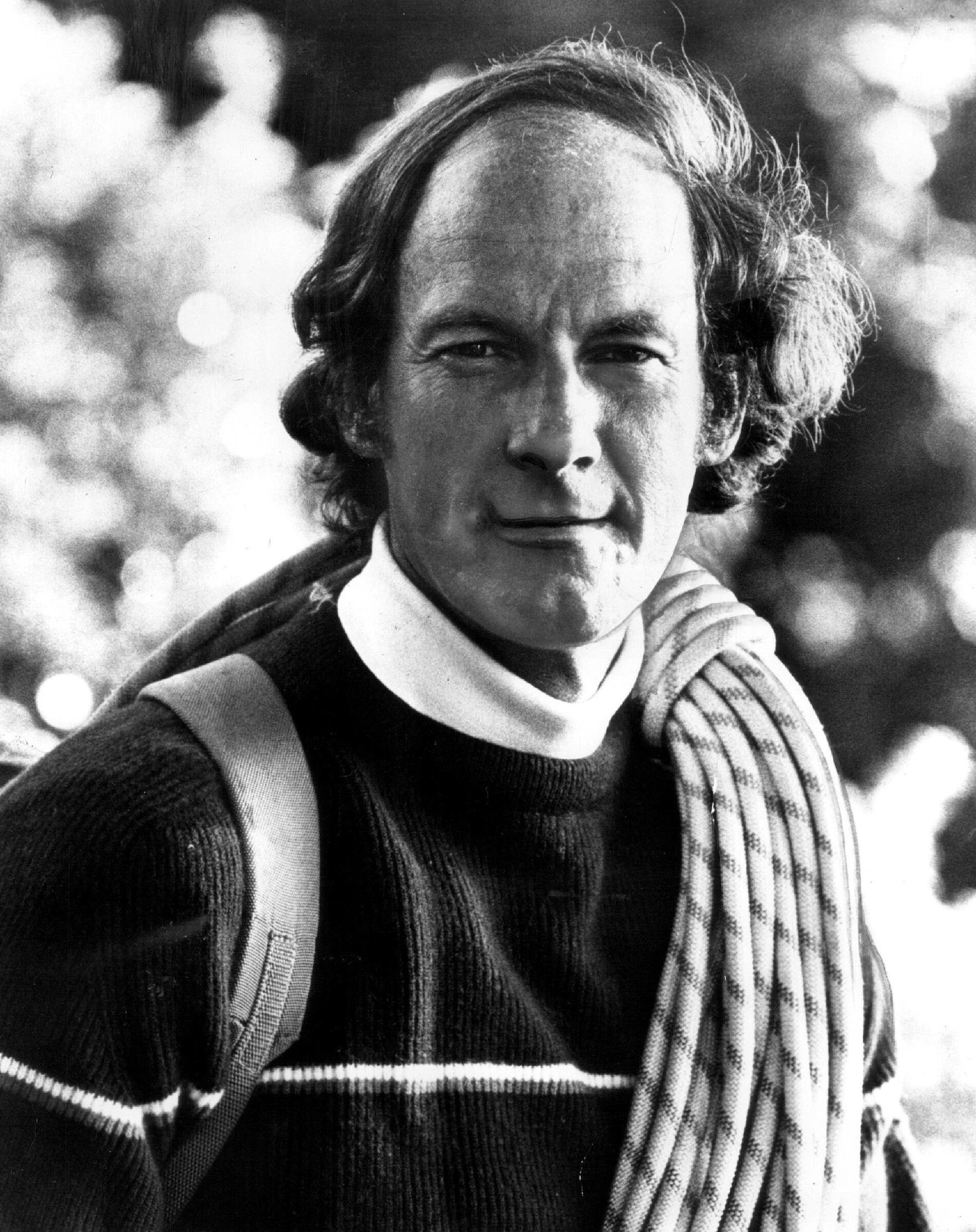
Jim Whittaker, a Seattle native and famed climber who in 1963 became the first American to reach the summit of Everest, has died at 97 in Port Townsend. His death marks the end of an era for the global climbing and outdoor community. Port Townsend, a picturesque port town on the Olympic Peninsula known for its Victorian architecture and tranquil atmosphere, often attracts retirees and well-known Seattle residents seeking a quieter life away from the city bustle.
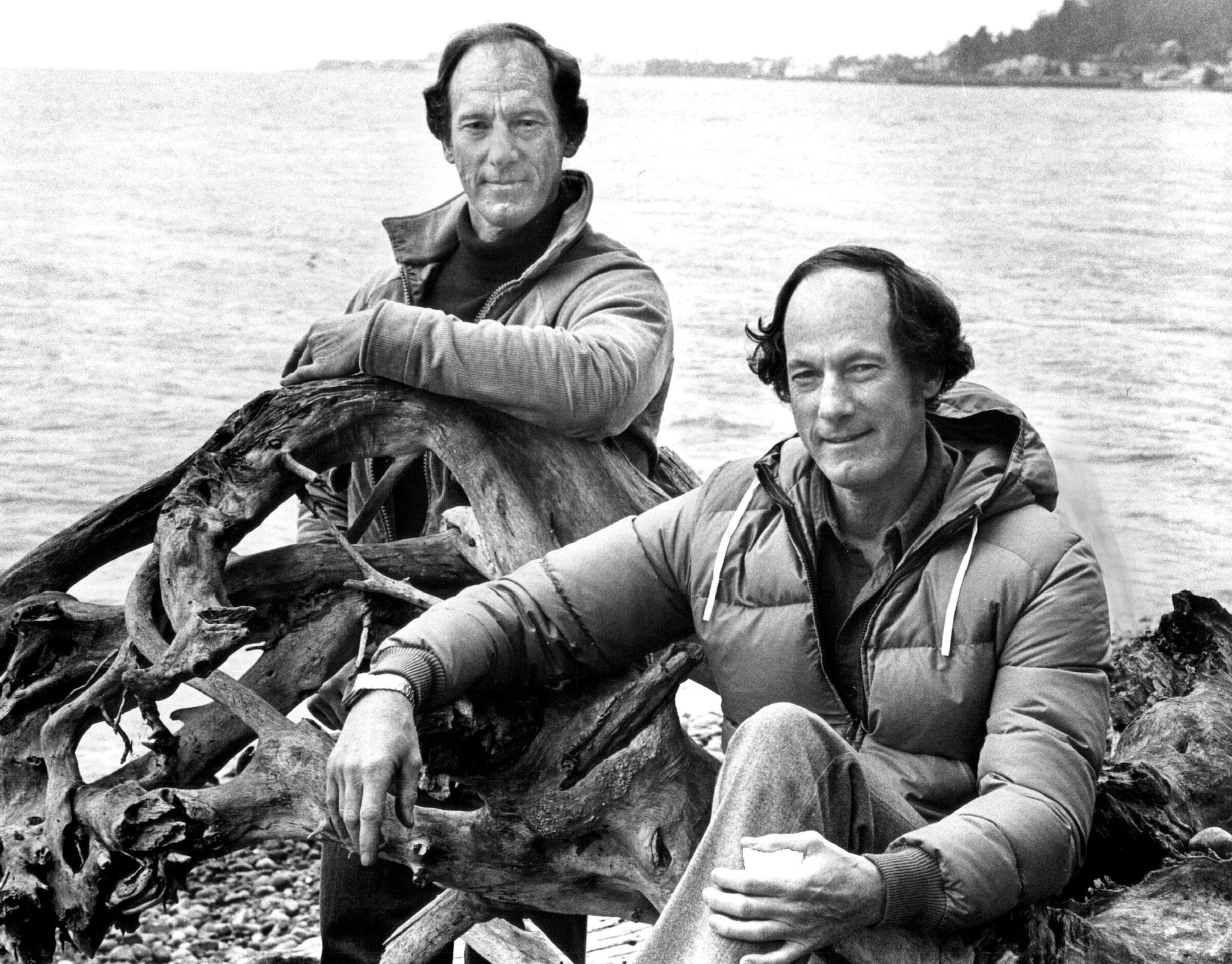
Jim and his twin brother Lou were born and raised in Seattle, where they developed a love of the outdoors from childhood. They took their first steps in mountaineering in the early 1940s through the Boy Scouts and the legendary local club The Mountaineers, of which Jim remained a member for 82 years. Founded in 1906 in Seattle, the club played a key role in popularizing and systematizing mountaineering in the region, becoming an educational center offering courses in climbing technique, safety, and conservation, and actively participating in the creation of national parks and preserves.
The brothers quickly turned their hobby into a profession, guiding clients on Mount Rainier and running a national park guide service. Mount Rainier, located just 54 miles from Seattle, is a glaciated volcano with complex weather and serves as an ideal training ground and altitude-acclimatization site before climbs of higher peaks. Both brothers served in the Korean War, where they taught soldiers mountain survival skills, then returned to civilian life.
In 1955, REI founder Lloyd Anderson hired Jim as the cooperative’s first full-time employee. Anderson was not only a co-founder of REI but also a passionate climber whose cooperative idea grew out of local climbers’ need for affordable, quality gear. REI, which began in 1938 as a consumer cooperative, became influential through its deep integration into Pacific Northwest outdoor culture, its sustainability philosophy, and environmental advocacy. It is one of several well-known companies to grow out of a small Seattle cooperative, alongside PCC Community Markets, Filson, and Outdoor Research.
Despite increasing responsibilities at the store, Whittaker continued guiding and undertaking difficult climbs, which eventually led to his invitation to the American Everest expedition. Using his REI experience, Whittaker played a key role in the logistics of the large four-month 1963 expedition. This was an era when climbing Everest remained an extremely risky undertaking without modern infrastructure.
The summit push on May 1 was a severe test: high winds, a blizzard, and temperatures below -35°C forced the team leader to turn back. Jim Whittaker and Sherpa Nawang Gombu pressed on together, fighting frostbite and oxygen depletion. After seven hours of struggle they reached the world’s highest point, where they stayed for just 20 minutes. During that time they planted the American flag and took photographs, including an iconic shot of Whittaker in a red parka with the flag on his ice axe.
The expedition’s success, which later saw four more climbers reach the summit, made Whittaker a national hero. The team was honored with a parade in Seattle — a rare distinction for individuals, as the city typically holds large parades to celebrate sports-team victories. President John F. Kennedy awarded them the Hubbard Medal from the National Geographic Society.
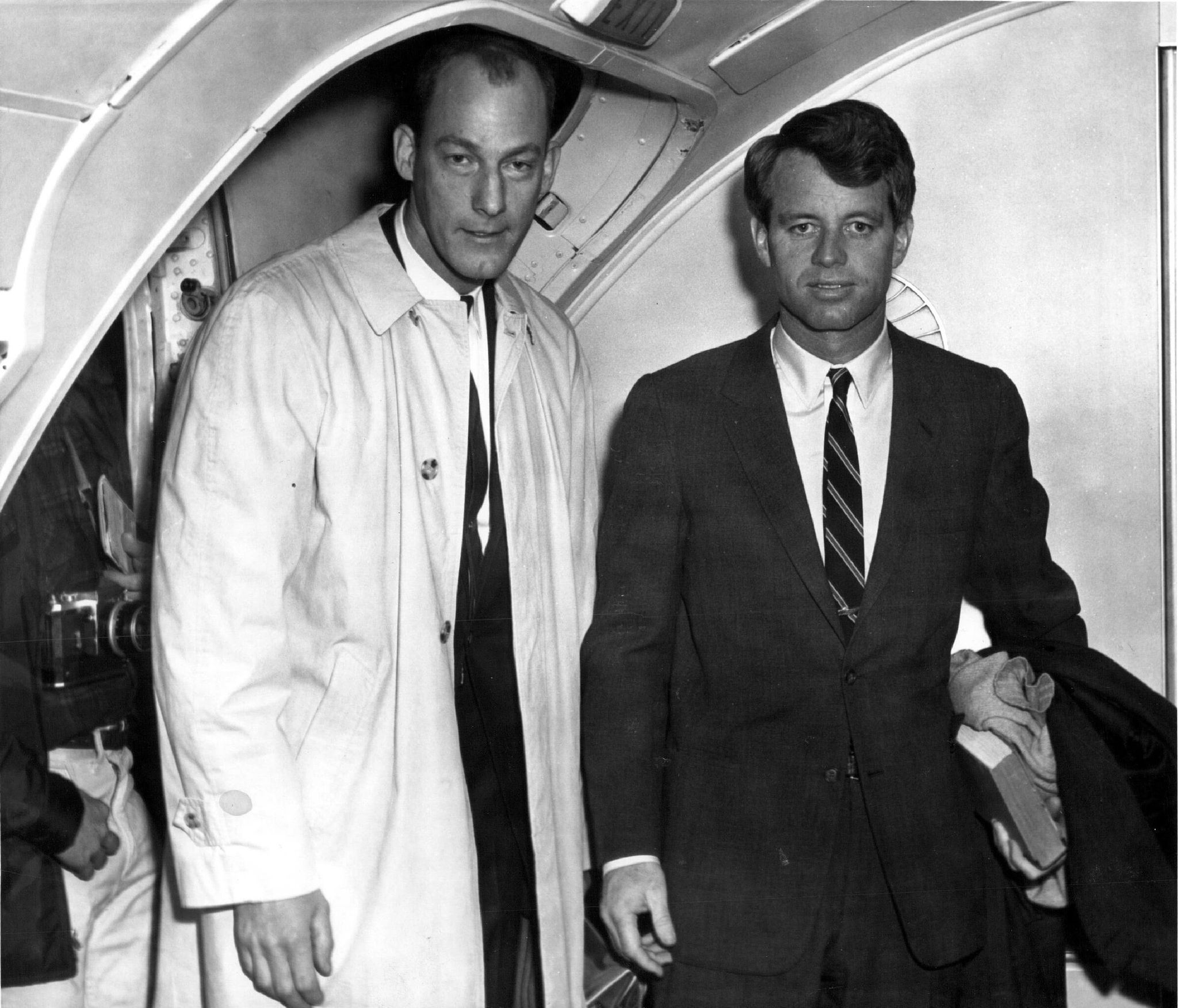
Fame brought Whittaker close to the Kennedy family. In 1965 he led the first ascent of a Canadian mountain named for the slain president, climbing with Senator Robert Kennedy. Whittaker later became a confidant of Robert Kennedy and was at his bedside after the fatal 1968 assassination attempt.
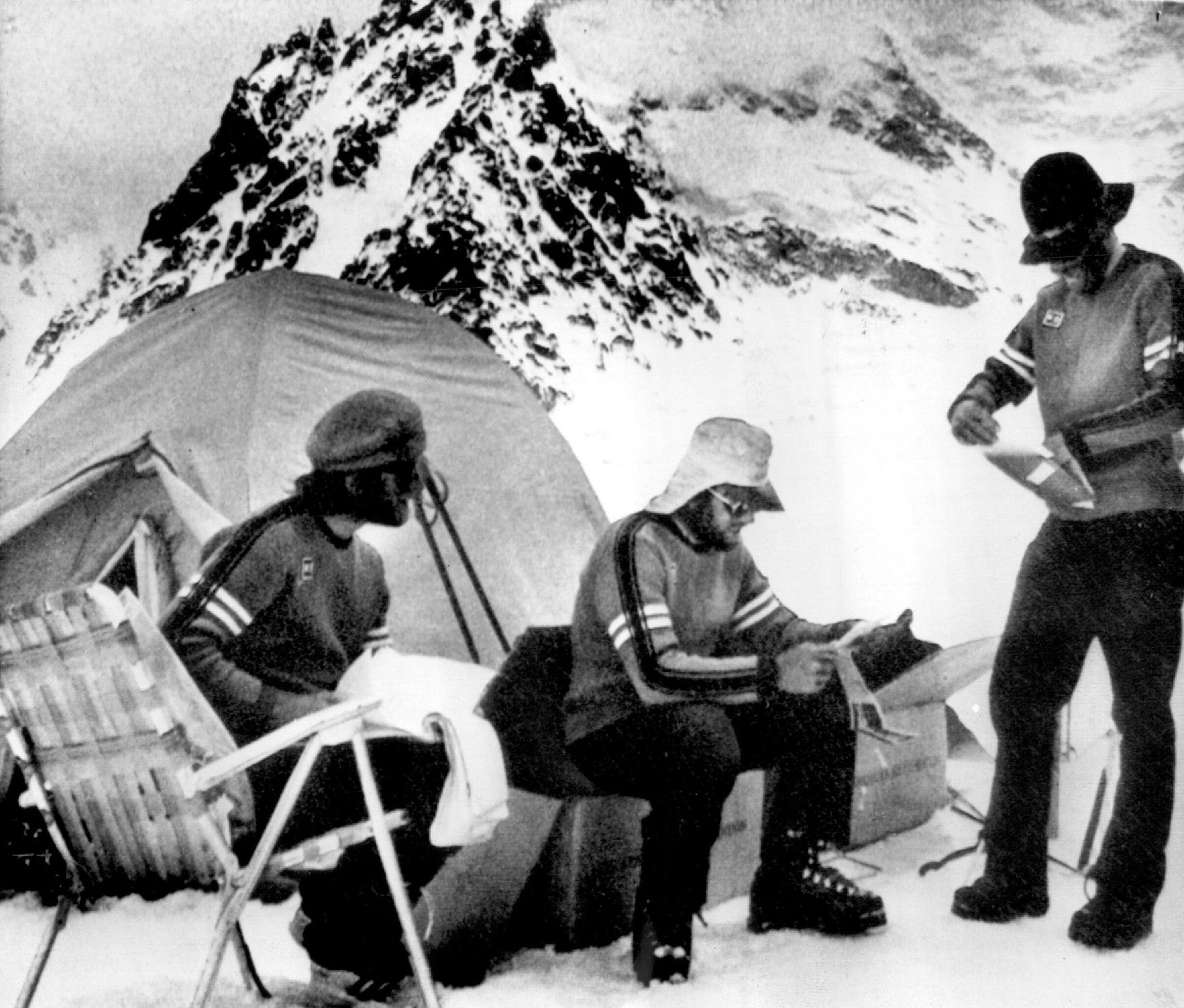
Under Whittaker’s leadership as CEO beginning in 1971, REI grew from a small cooperative into a major national retailer. However, the pressures of office work and frequent expeditions took a toll on his first family, leading to divorce. In 1978, after an earlier unsuccessful attempt, Whittaker led the first successful American expedition to K2, considered one of the world’s most difficult peaks. Later, after stepping down as CEO, he and his new wife Dianne Roberts and their sons spent four years circumnavigating the Pacific by boat.
The pinnacle of his career was the 1990 “International Peace Climb” on Everest, which brought together climbers from the United States, the USSR, and China at the end of the Cold War. The expedition was the region’s most prominent effort to use mountaineering for public diplomacy. Senator Edward Kennedy called him “our first high-altitude diplomat.” The expedition not only brought 20 people to the summit but also included a large-scale environmental effort to remove two tons of trash from the mountain. This reflected Whittaker’s lifelong commitment to conservation.
Based on: Jim Whittaker, WA mountaineer who was first American to summit Everest, dies at 97