
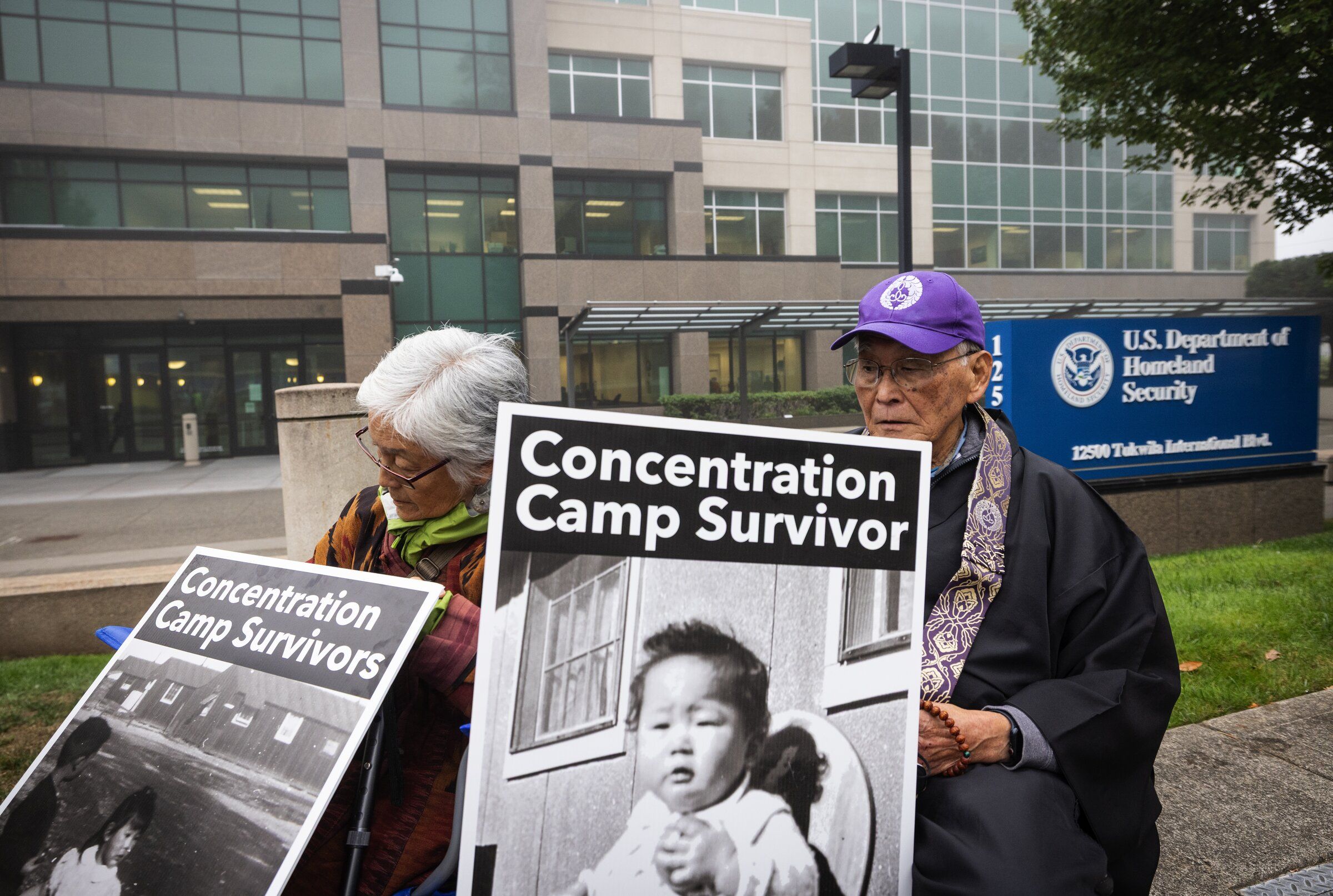
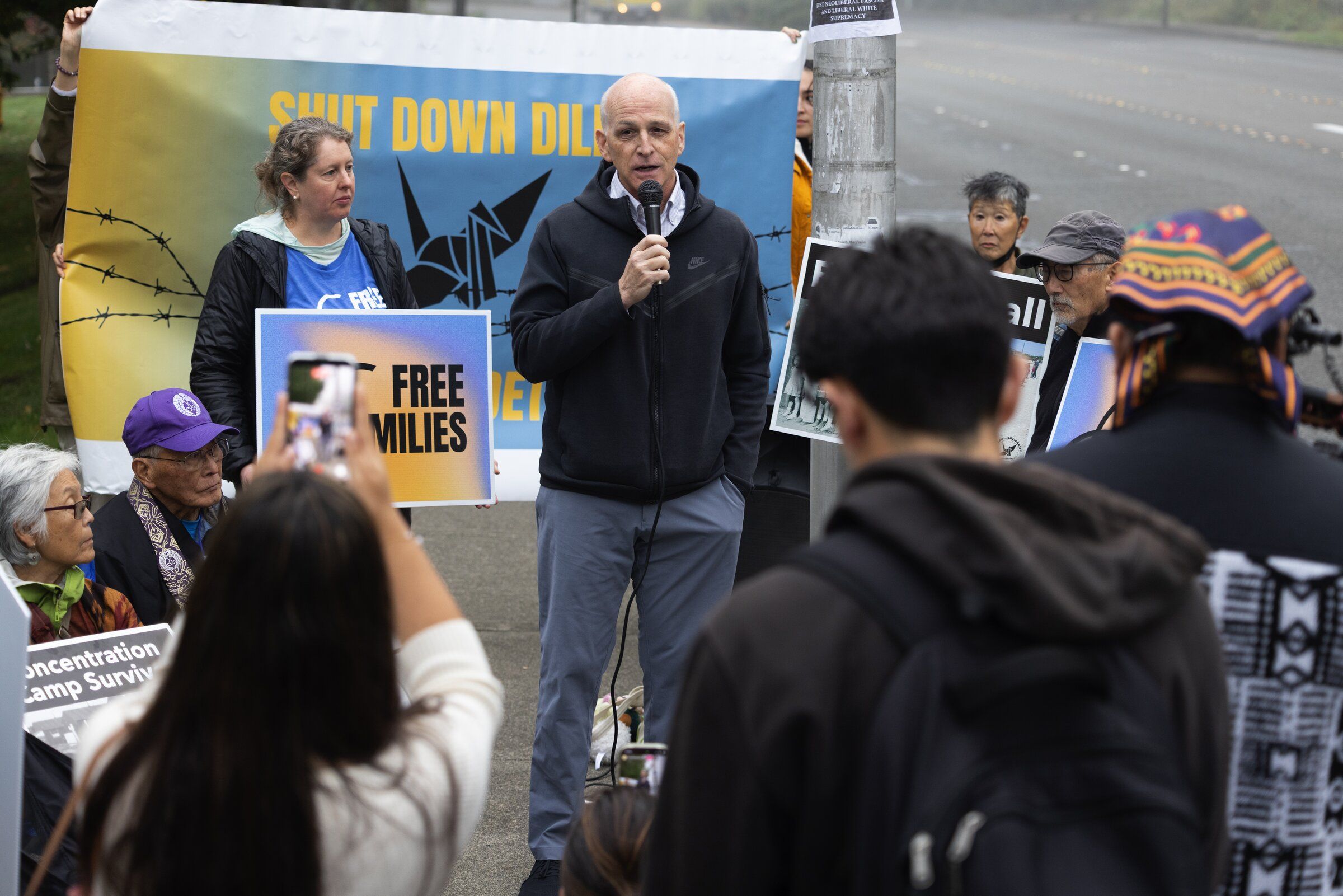
In Washington state, about a dozen activists are walking more than 45 miles over four days between immigration facilities, linking the detention of migrants today to the wartime incarceration of Japanese Americans. The march was organized by the Tsuru for Solidarity network. It began in Seattle and will end Saturday with a rally outside the Northwest Detention Center in Tacoma, a major facility where people awaiting immigration proceedings or deportation are held under contract with the federal government.
Participants are calling for the abolition of ICE, the closure of immigration detention centers and an end to family separation. They criticize the system for holding people for long periods and providing limited access to attorneys and medical care. Detainees may undergo bond hearings, immigration court proceedings or deportation; although these facilities are not criminal prisons, their physical conditions resemble those of jails.
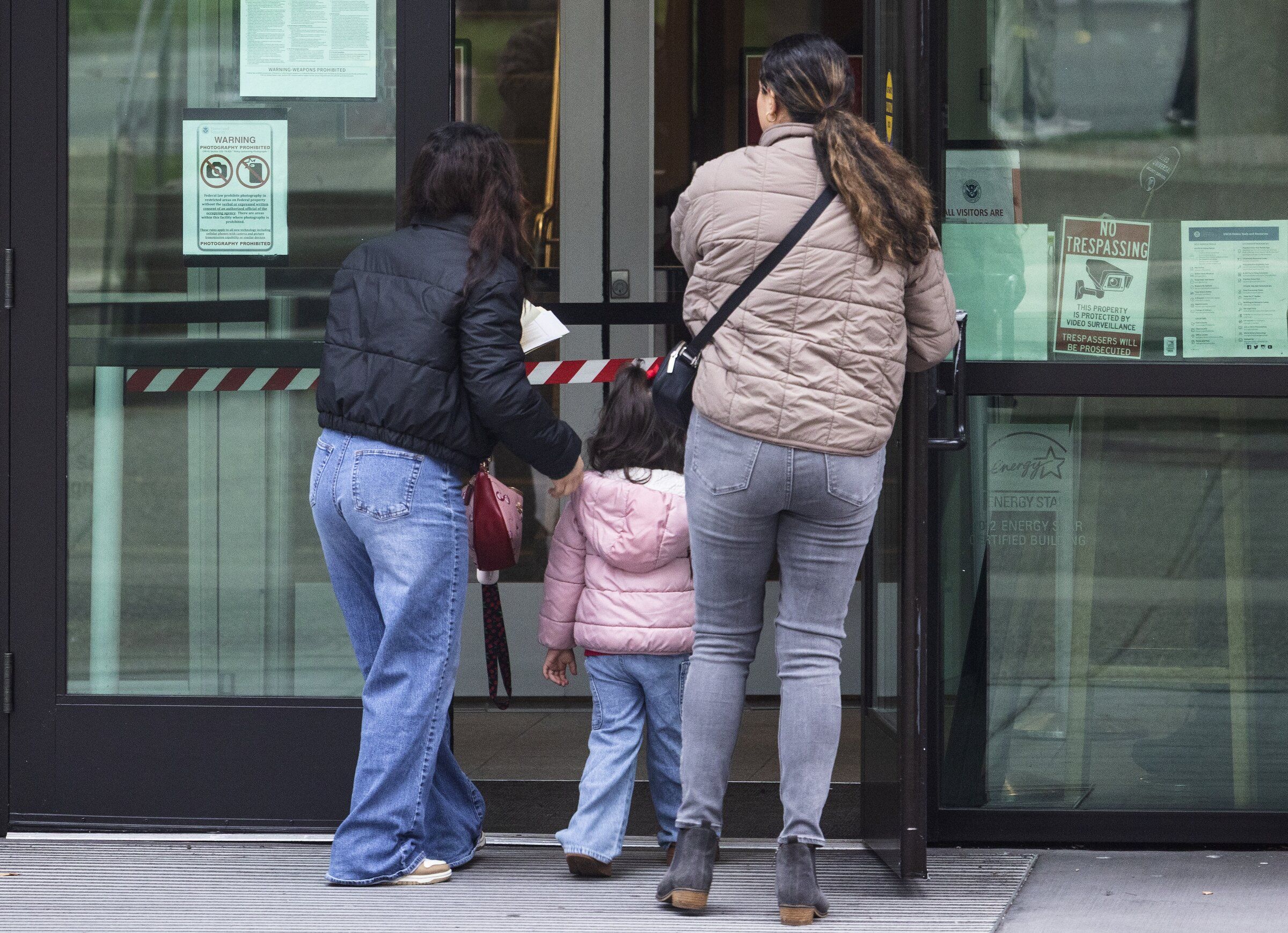
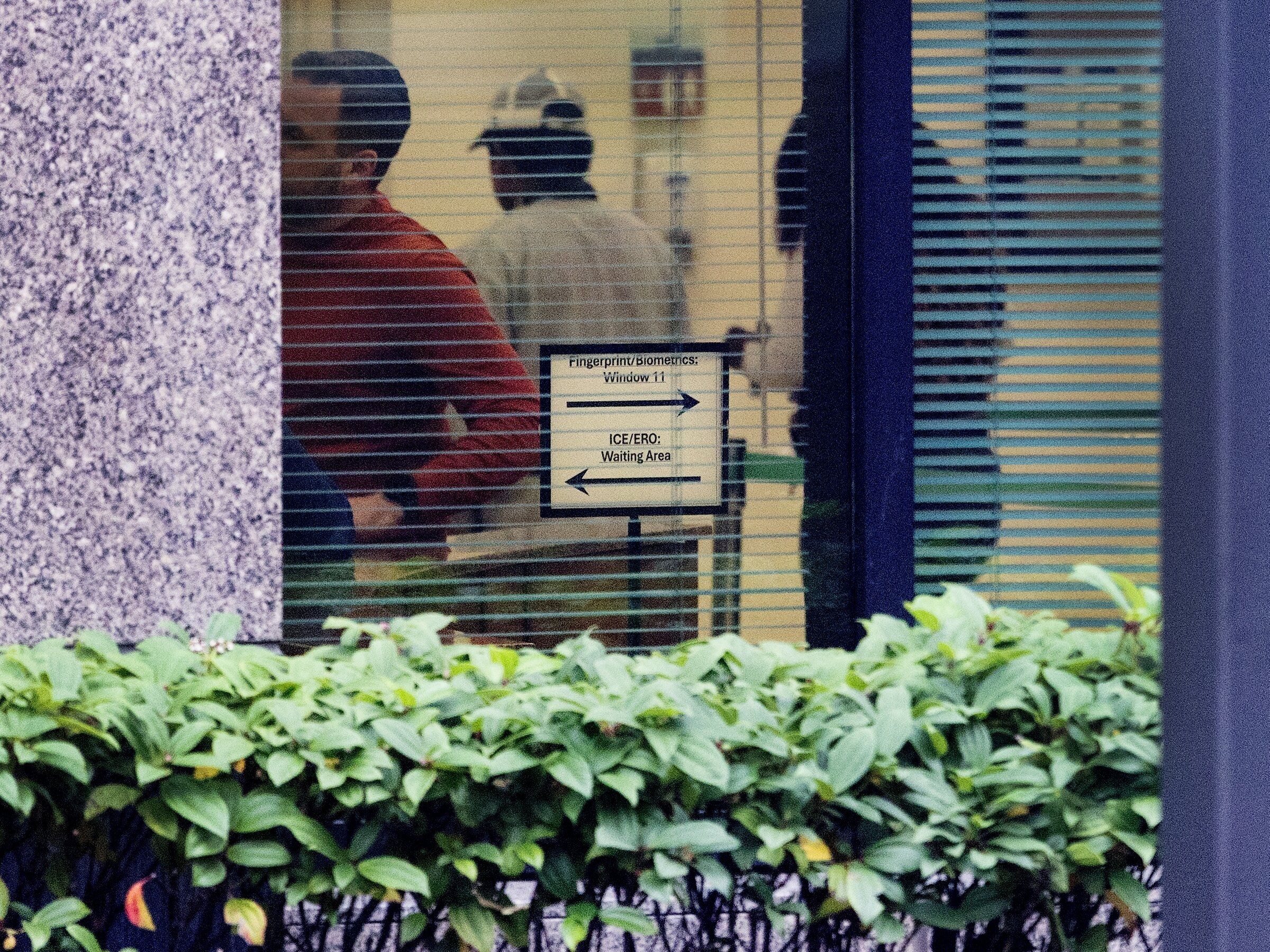
Along the way, the activists visited King County International Airport, where detainees are transported; the ICE office in Tukwila; and the Puyallup fairgrounds. The Tukwila office handles immigration cases, coordinates detentions, checks compliance with deportation orders and works with courts, local law enforcement and detention facilities. In some cities and at the state level, rules limit voluntary cooperation between local authorities and federal immigration officials.
During World War II, the Western Washington Fairgrounds in Puyallup became a temporary assembly center known as Camp Harmony. In 1942, about 7,600 people of Japanese ancestry who had been forcibly removed from the West Coast under the pretext of military security were held there before being sent to the permanent Minidoka camp in Idaho. In total, President Franklin Roosevelt’s Executive Order 9066 led to the forced removal and incarceration of more than 110,000 people of Japanese ancestry, about 70% of whom were U.S. citizens.
Today, the memory of Camp Harmony reminds local residents of the consequences of racial discrimination, mass imprisonment and emergency measures implemented without sufficient safeguards for civil rights. In debates over immigration policy, the history is used as a warning against xenophobia, family separation and detaining people solely because of their ancestry or immigration status.
The activists use the slogan “Not in 1942, not now” and sing the Japanese phrase “For the sake of the children,” an expression of resistance that emerged after Roosevelt’s order. The organizers are also inspired by the nonviolent marches of the civil rights movement, including Martin Luther King Jr.’s march on Selma.
Satsuki Ina, who survived incarceration at Tule Lake, says childhood trauma can last a lifetime. In 2017, while visiting an immigration detention center in Texas, she saw frightened children clinging to their mothers despite a playroom prepared for them. She said the scenes reminded her of her own past and showed that similar tragedies continue to recur.
Another participant, the Rev. Kenji Akahoshi, was a two-week-old infant when he was sent to the Amache camp and later joined the fight for immigrant rights after families were separated along the U.S.-Mexico border. Erina Shigaki, whose parents survived incarceration at Minidoka, is also motivated by a sense of responsibility to her ancestors. After the Washington marches, the activists plan to hold similar actions in San Francisco and Honolulu.
Based on: WA Japanese Americans make 4-day pilgrimage to ICE detention center