
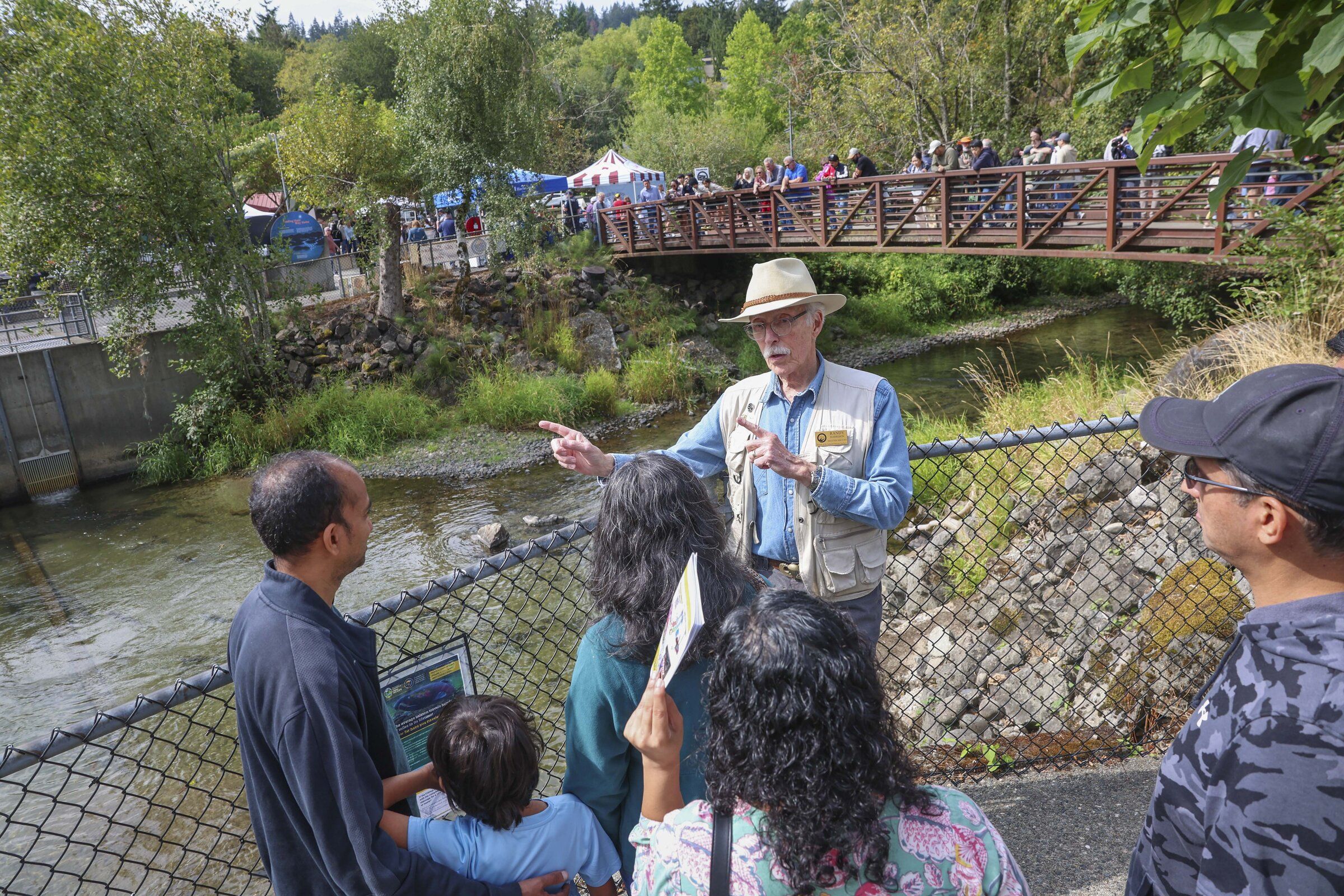
Salmon are one of the defining symbols of the Pacific Northwest and a vital part of its ecosystem. So a salmon hatchery in the heart of Issaquah seems perfectly natural: Issaquah Creek begins in the surrounding mountains, runs through the city’s historic district and flows into Lake Sammamish. The creek serves as a natural migration route for sockeye and other salmon that travel upstream from the lake to their spawning grounds.
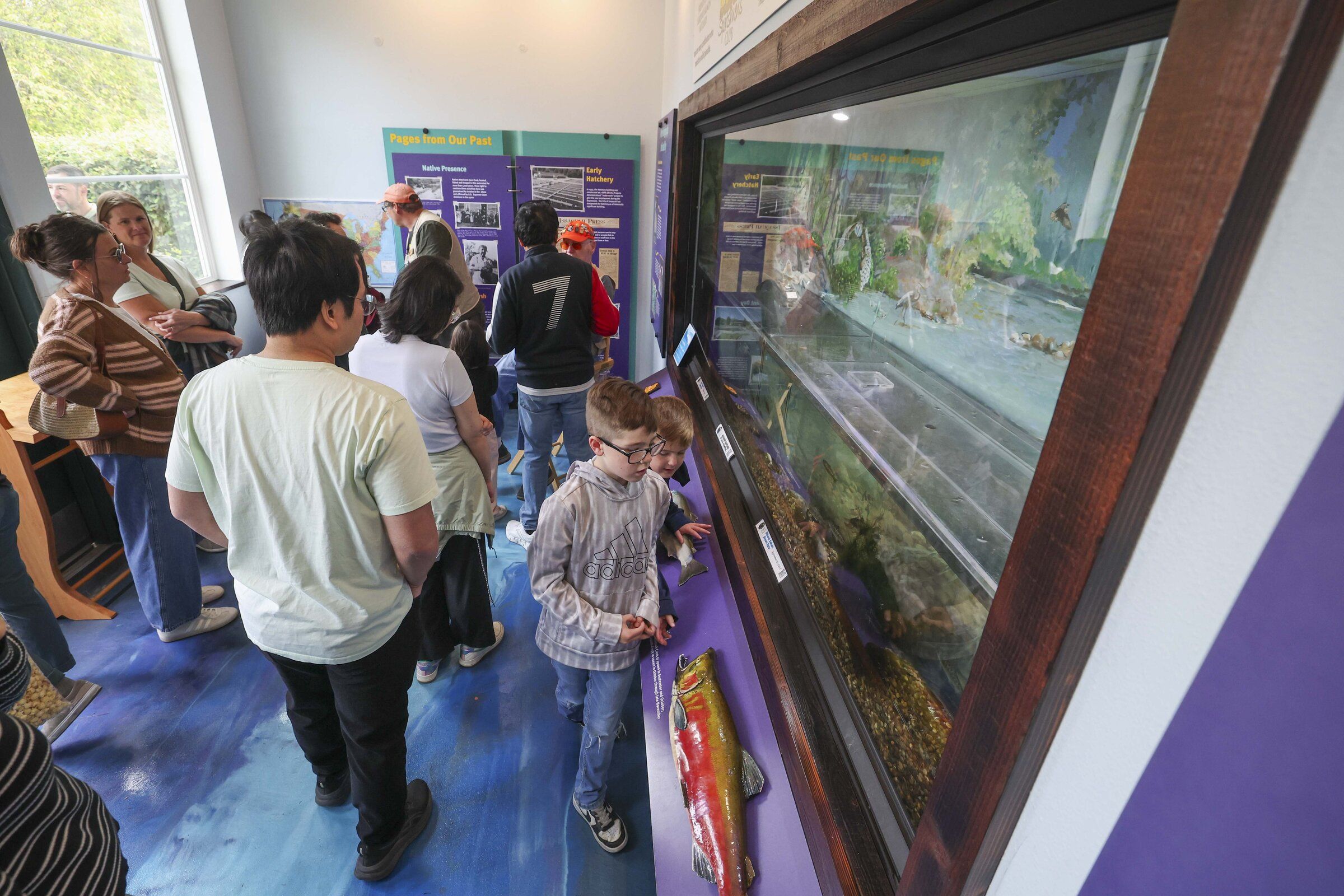
However, dams, diversions and other structures, along with changes to the channel and declining water quality, have made migration more difficult and reduced the available spawning habitat. Founded in 1936 as part of the Works Progress Administration, the hatchery helps sustain the population by raising juvenile fish and releasing them into the Issaquah Creek basin. The hatchery does not replace the restoration of natural habitat but complements those efforts.
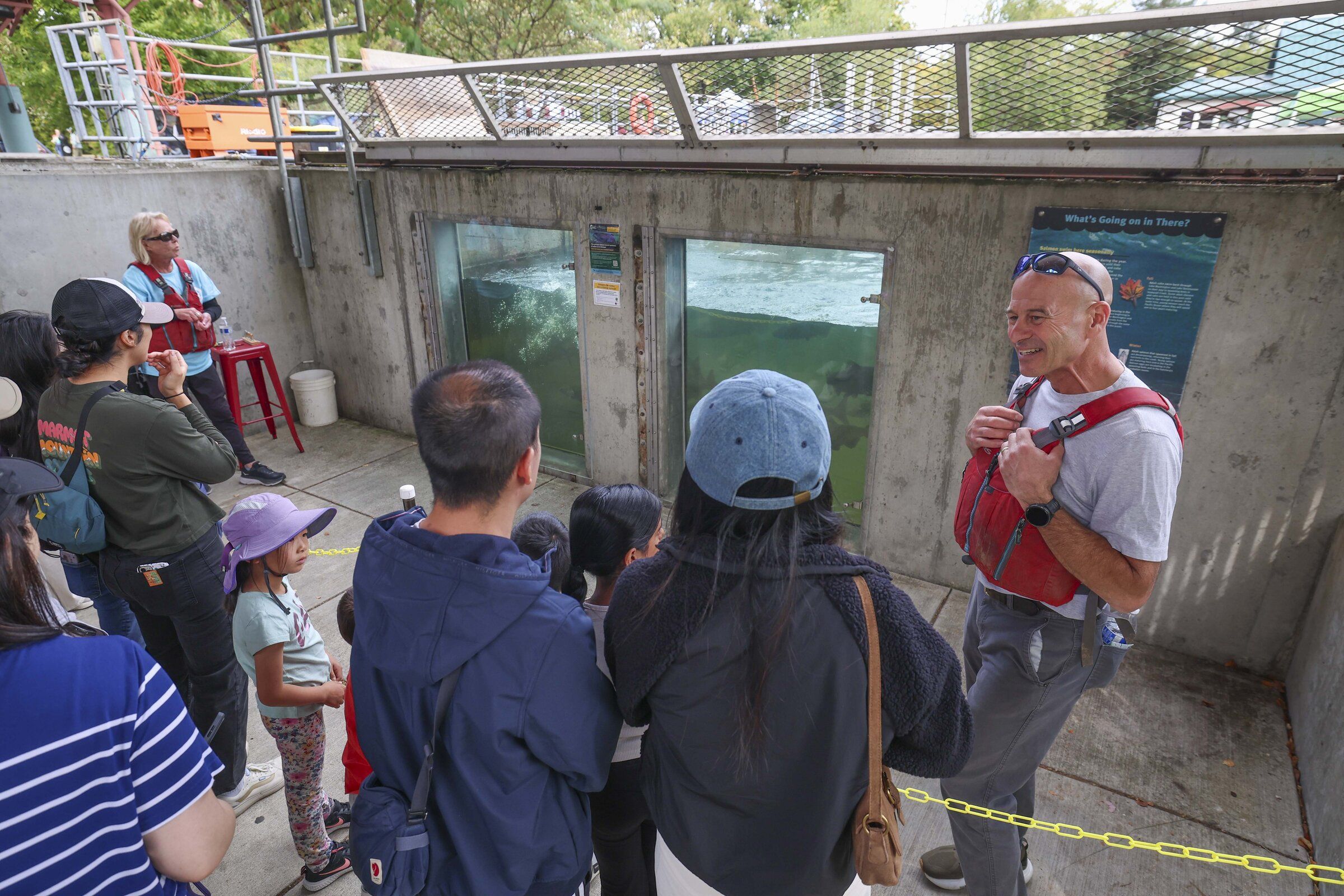
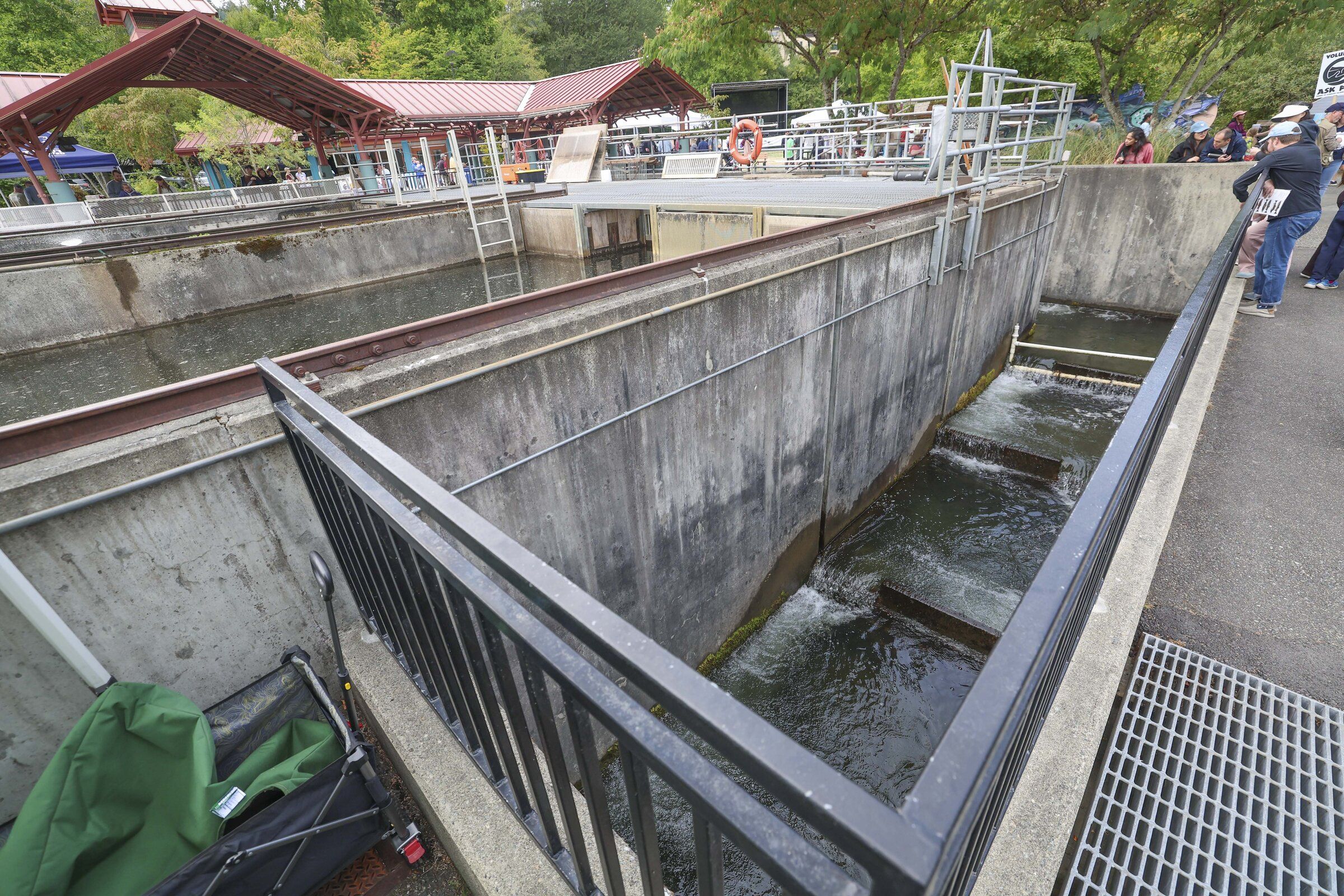
The facility’s infrastructure mimics the fish’s natural environment. In long, flowing pools called raceways, salmon grow in water from the creek, while a special fish ladder with a series of gradually elevated pools helps the fish overcome obstacles and reach the holding tanks. The hatchery stores millions of eggs. It raises coho and Chinook, or king salmon, and then releases them into the wild. The hatchery also raises trout.
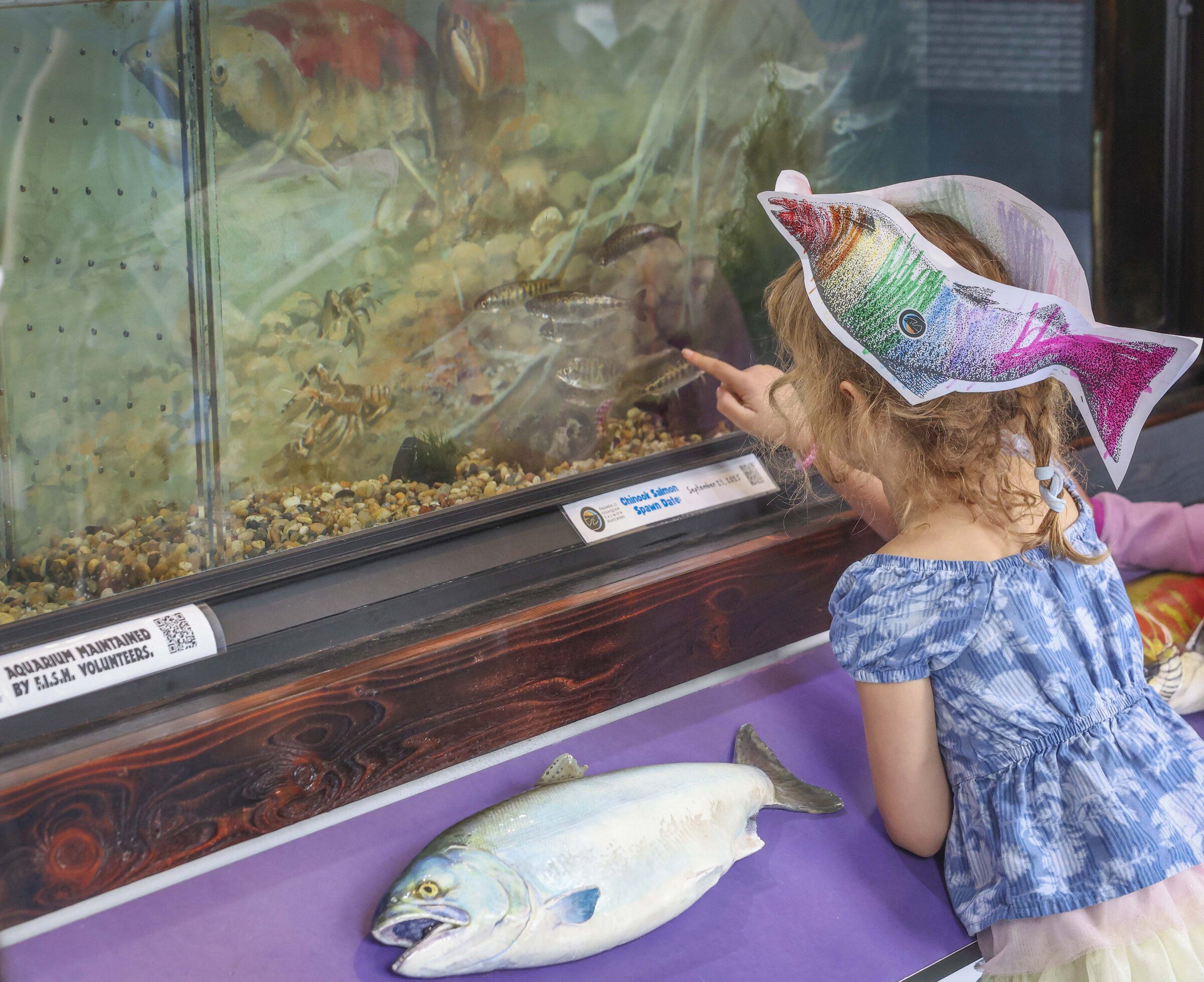
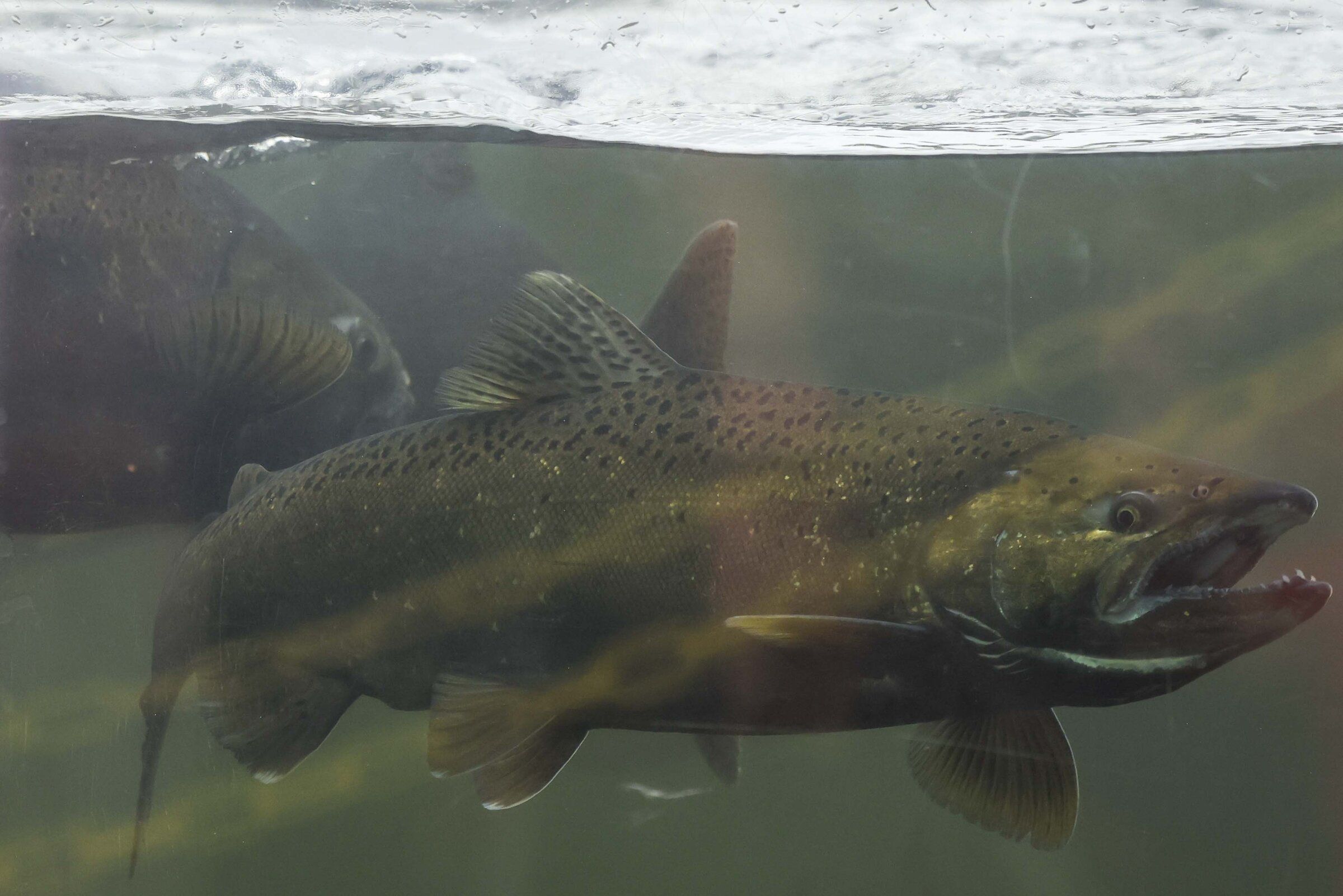
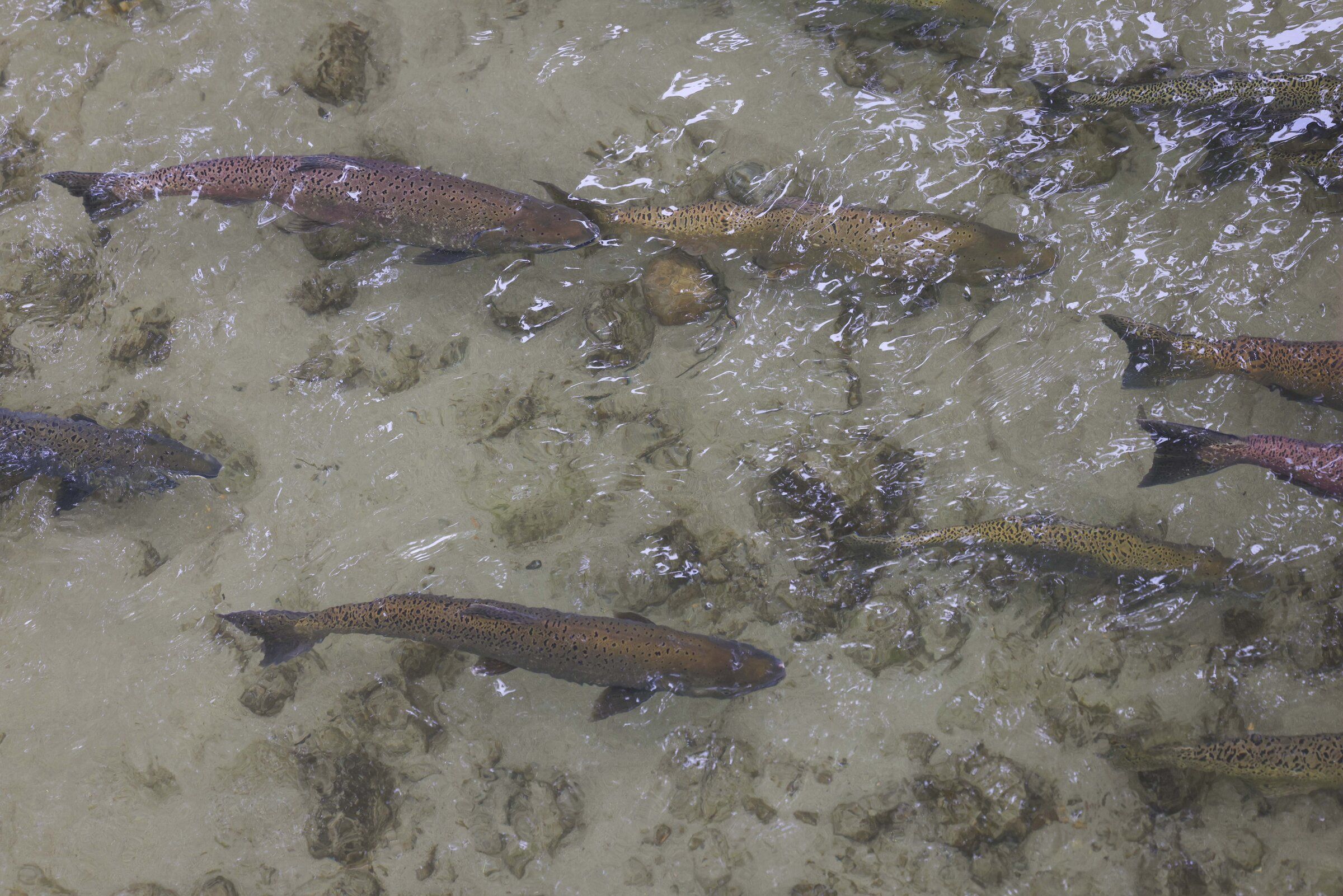
The life cycle of local salmon begins with eggs collected from fish that return upstream in the fall to spawn. Once the young fish have grown, they are released into rivers, from which they travel to the ocean for two to seven years. After reaching maturity, the salmon return to the same waterway, spawn and soon die. In the fall, Issaquah Creek experiences a massive natural die-off: decomposing fish return nutrients to the ecosystem, although the smell can be very strong.
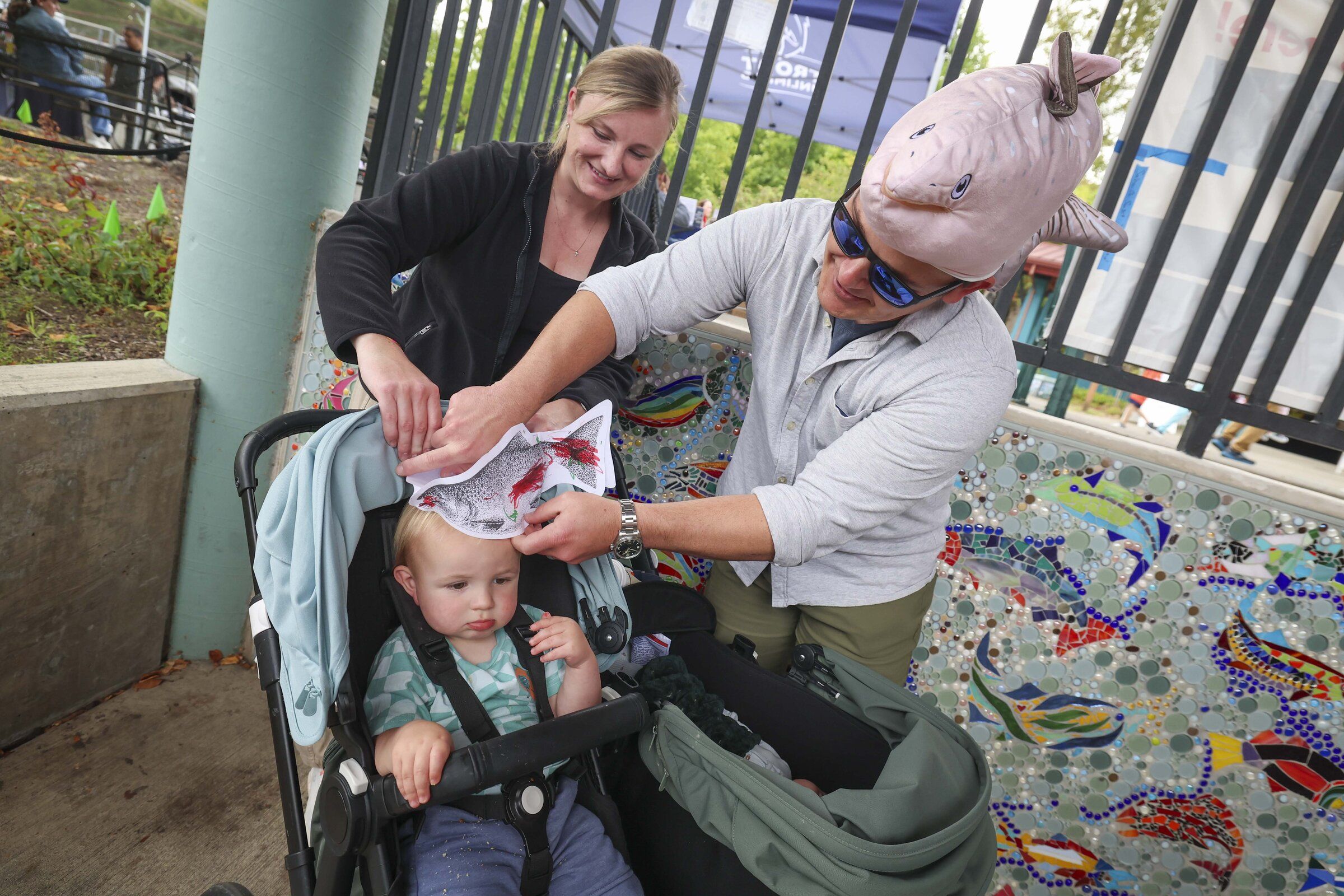
That is why the hatchery is especially popular with tourists, schoolchildren and nature lovers in the fall. During this period, visitors can observe the mass salmon run, spawning and the natural death of adult fish. Visitors are encouraged to remain on designated trails and viewing platforms, stay out of the water, avoid touching or feeding the fish, not interfere with them and follow staff instructions. Dogs must be kept on leashes, and neither litter nor natural objects, including fish, may be left behind or removed.
Specialists and volunteers capture some of the returning salmon to collect their eggs. In 2025, the hatchery plans to collect about 4.5 million eggs. They are sorted by hand: clear eggs are considered viable, cloudy eggs are dead, and green or black eggs are spoiled; unusable eggs are removed so they do not damage the others. This year, the hatchery expects to collect 3.5 million eggs and release about 3 million fish. The facility receives approximately 250,000 visitors each year, while Chinook salmon spend about seven months there. Native-plant gardens and the equipment are accessible to visitors year-round, and free daily tours are offered in the fall.
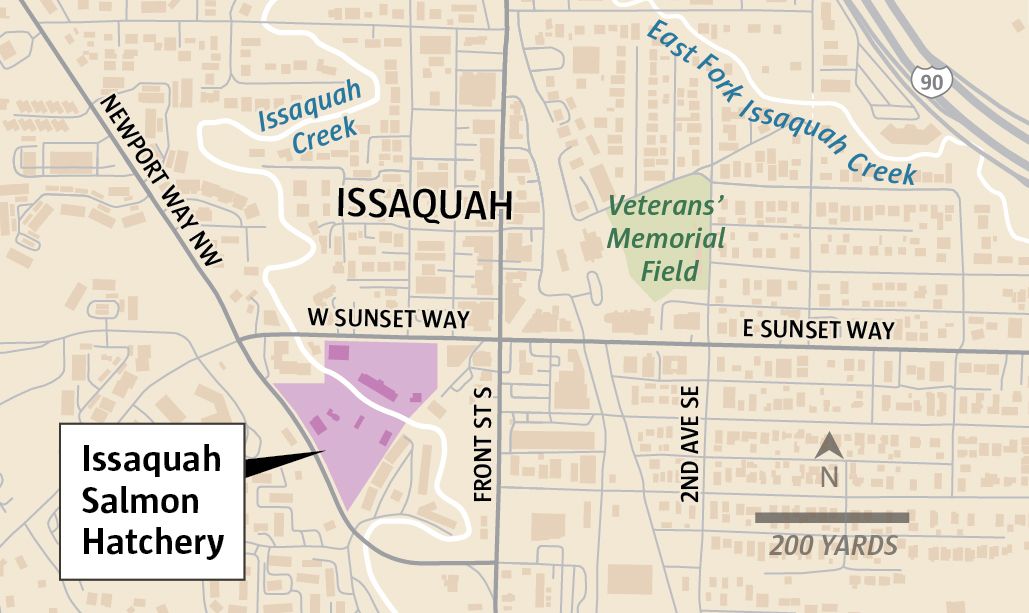
Based on: Issaquah Salmon Hatchery supports fish population, gives public a view