
U.S. authorities have eased restrictions for the Iran national football team, allowing the side to enter the country two days before its next match, which will be played in Seattle. Previously, the Iranian delegation was allowed to arrive only one day before the game, a move that drew serious complaints from the coaching staff and players. According to a representative of the Department of Homeland Security, after the match the team will still need to leave U.S. territory.
Iran head coach Amir Ghalenoy has repeatedly complained that a one-day limit puts the team at a disadvantage, especially given the long flights from the training base in Tijuana, Mexico. After a goalless draw with Belgium, he stressed that the team needs more time to recover. Captain Alireza Jahanbakhsh also urged people to treat the Iranians the same as the other 47 tournament participants.
Logistical difficulties are compounded by distance: the flight from Tijuana to Los Angeles (127 miles) took up to five hours due to border procedures. Traveling to Seattle is another 1,200 miles. The Iranians hope that the extra day will help them prepare properly for the match and recover from previous games. The game itself is likely to be at Lumen Field, Seattle’s main football stadium, which hosted 1994 World Cup matches and can seat about 69,000 spectators.
The political backdrop remains tense. U.S. Homeland Security Secretary Marqueine Mallin said Iranians had tried to bring into the country a person linked to the Islamic Revolutionary Guard Corps. Iran’s Football Federation categorically denied this, calling the allegation false. Players and coaches are trying to keep their distance from politics, but they are not silent about tragedies.
On the kits of the Iranian players since their arrival in Mexico, there have been gold badges with the number 168, in memory of victims of a rocket strike on a school in the Iranian city of Minab, which claimed mostly girls’ lives. After the match against Belgium, the team left a note in the locker room calling for peace, along with the hashtags #168 and #minab. During the final training session in Tijuana, four flags bearing the same number were stuck into the pitch.
A similar request from the Egypt national team—to arrive in Seattle two days earlier—was rejected by FIFA. After their victory over New Zealand in Vancouver, Egypt wanted to fly directly to Seattle, but the organization cited a lack of security resources for such an emergency change. The team returned to its base in Spokane, Washington. Egypt chose Spokane because conditions were calmer, the training facilities were excellent, and it is farther from Seattle’s media noise.
The decision on Iran is a rare case of easing visa arrangements in the absence of diplomatic relations between the countries and amid the ongoing conflict in the Middle East. The Iranians insist they are interested only in football, but symbolic gestures with the number 168 and pacifist messages serve as a reminder of the cost of war. Given the political tension, Seattle authorities have implemented an enhanced security protocol: heavy police presence inside and outside the stadium, coordination with the FBI and the Department of Homeland Security, screening at entrances, monitoring via cameras and drones, and patrolling public transportation. The World Cup continues, and now all attention is focused on the match in Seattle.
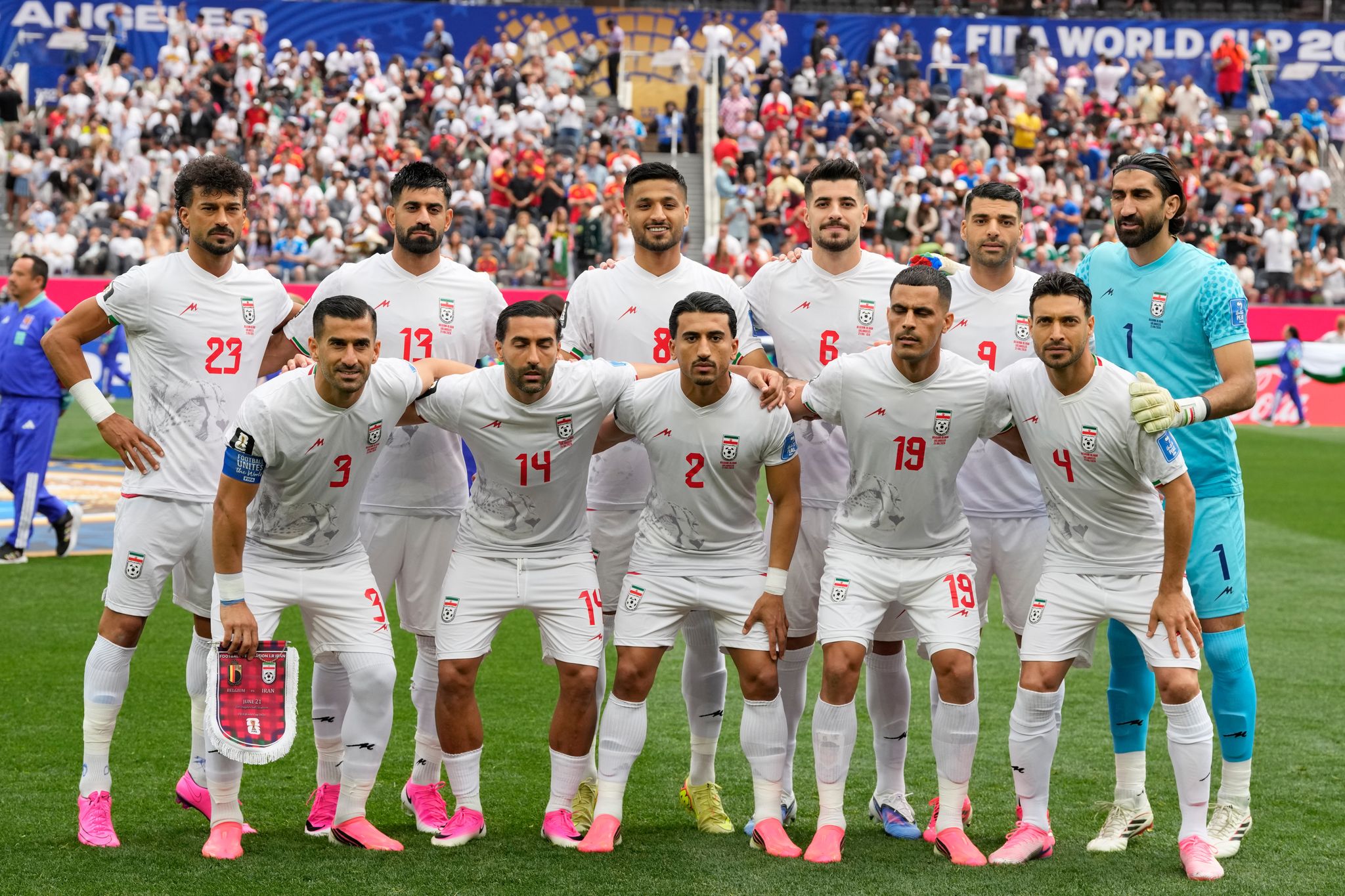
Based on: US eases restriction on Iran’s World Cup team, allowing travel 2 days before next match