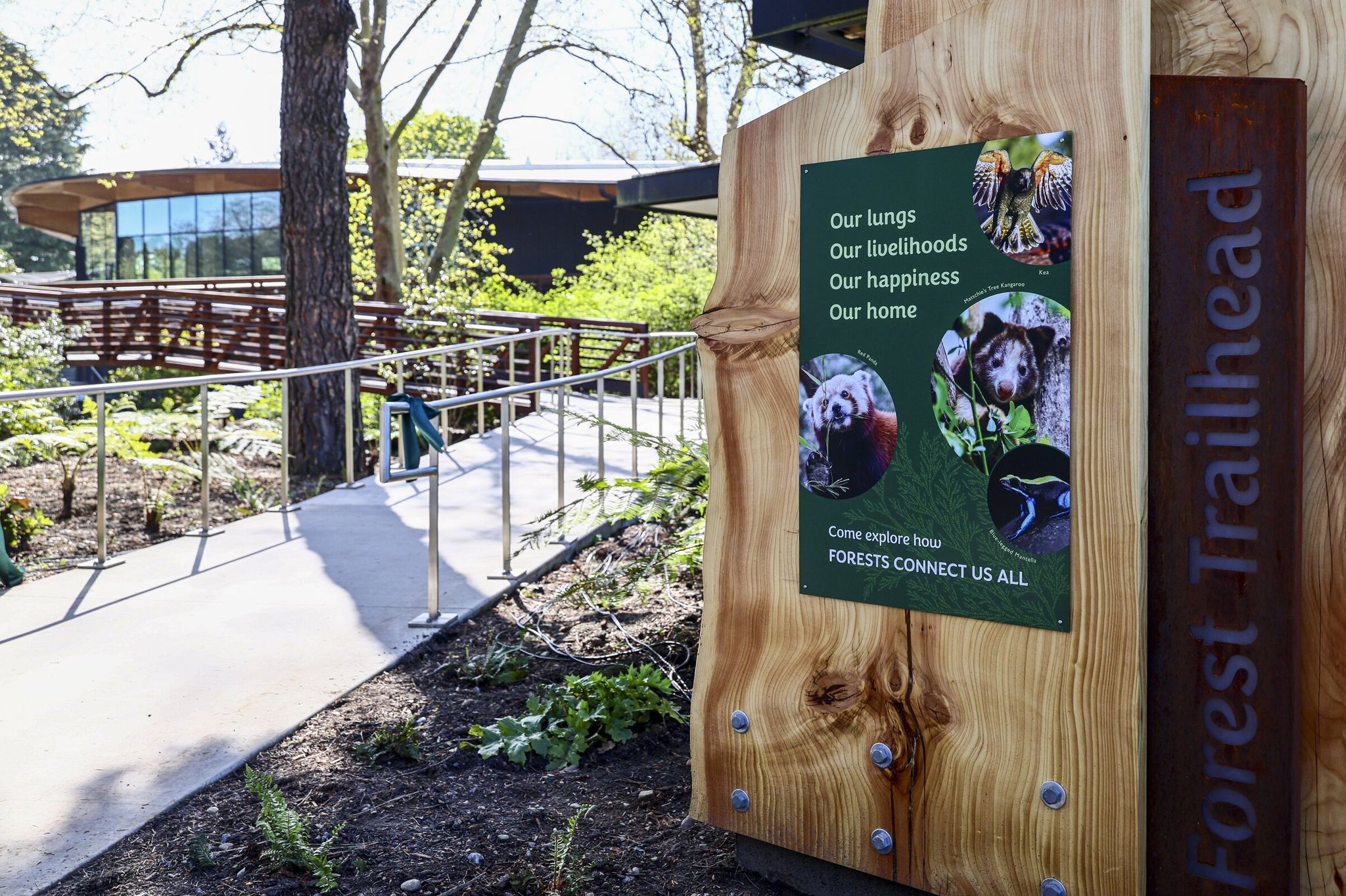
In Seattle on July 4, good weather is expected along with plenty of holiday events, including fireworks and parades. At the same time, Woodland Park Zoo was evacuated due to a false bomb threat that turned out to be “swatting.” Police did not find any explosive devices, and the zoo resumed operations.
Good Weather and Plenty of Events in Seattle for America’s 250th Birthday
On Saturday, July 4, weather around Seattle will please residents and visitors—forecasters promise “fairly pleasant weather” for celebrating the country’s 250th birthday. As noted in an article by The Seattle Times, the morning may begin with clouds, but then the sun will come out, with temperatures rising to 24...25°C (mid-70s Fahrenheit), and a light breeze in the evening. By the time fireworks begin, the air will cool to 15...20°C—so it’s worth bringing a light jacket to avoid getting cold. As Seattle National Weather Service meteorologist Anna Lindemann said, this is “a fairly calm day,” almost an ideal scenario for celebrating.
Celebratory events are planned across the region. In Seattle, thousands of people will gather at Gas Works Park and Lake Union Park for the annual Seafair show, featuring live music, sack races, and pie-eating contests—the program starts at 3:00 p.m., and the fireworks begin at about 10:20 p.m. Free tickets are required for entry to Gas Works Park, though organizers suggest a $10 donation; tickets are available online at seafair.org/tickets/4th-of-july. Lake Union Park has free admission, and free Amazon parking is available for motorists.
In Everett, a parade with floats and marching bands will start at 11:00 a.m., and the “Freedom Colors” festival will run from 3:00 p.m. to 10:45 p.m. at Legion Memorial Park. Shuttle service from Everett Community College and Everett Station is free. The fireworks over the Snohomish River and Port Gardner Bay will begin at 10:15 p.m., and can be heard in sync with KXA 96.9 FM or 1520 AM radio. Tacoma also won’t be left out: from noon on, Ruston Way waterfront will host “Summer Blast,” with 150+ vendors, live music, and kids’ activities, and at 10:00 p.m. there will be a 20-minute fireworks show at Cummings Park, visible from Dune Peninsula Park to Jack Hyde Park. An ADA-accessible area is also set up there for people with disabilities.
Organizers say the great weather should draw even more spectators. The article also notes that all of the listed events, except one, are free, and advises planning your route and parking in advance to avoid traffic. For those who can’t attend in person, Fox 13 will air a live broadcast of the Seattle fireworks. Overall, as the journalist emphasizes, it’s a great opportunity to celebrate the national holiday with family and friends, enjoying both the weather and the variety of entertainment.
Woodland Park Zoo in Seattle Evacuated After a Bomb Threat: Details of the Incident
On Friday morning, Woodland Park Zoo in Seattle was closed and evacuated after a bomb threat was reported. As reported in a The Seattle Times article, the threat call came shortly after 11:00 a.m., after which the zoo’s administration immediately contacted the Seattle Police Department. Law enforcement conducted a thorough sweep of the area, found no explosive devices, and allowed the zoo to resume operations. The park reopened to visitors at 2:00 p.m.
The evacuation affected a significant number of people: staff escorted about 3,500 guests and 200 children who were participating in the zoo’s summer camp. A representative for the institution emphasized that although similar threats had come in over the past few weeks to many zoos and aquariums across the country and were later turned out to be false “swatting” attempts, Woodland Park Zoo treated the situation with full seriousness. “Regardless of the false nature of these threats, we considered this threat to be real and, above all, focused on the safety of our staff, guests, and animals,” the zoo representative said in a statement.
The term “swatting” itself (swatting) refers to a false call to emergency services—usually a police SWAT team—based on a fabricated report of a serious crime, such as a hostage situation or a bomb threat. The goal of such actions is often to cause distress, provoke a large-scale evacuation, or amuse the perpetrator. In this case, the zoo, like other institutions around the country, fell victim to exactly this kind of scheme. Notably, incidents like these cause not only financial damage due to forced closures, but also serious stress for staff, animals, and visitors—especially children.
Even though the threat was not confirmed, the zoo took all necessary steps: the website first reported the closure and apologized for the inconvenience, and later announced that operations would resume. The summer camp, which was interrupted by the evacuation, will continue on Monday. The incident once again brought attention to the problem of false threats and the need for clear safety protocols in public places where many people gather at the same time.
Evacuation of Seattle’s Woodland Park Zoo Due to a False Bomb Threat
Seattle’s Woodland Park Zoo was evacuated on Friday morning after a phone message reported a bomb. The facility’s administration promptly contacted police and began removing all visitors, staff, and even animals. Fortunately, no explosive device was found, and by two hours into the day the zoo had resumed operations. The incident occurred amid an increase in false calls across the country known as “swatting,” when perpetrators report fake threats in order to trigger a large response from special services.
According to information from FOX 13 Seattle, the call came shortly after 11:00 a.m. Staff immediately began the evacuation, and police conducted a thorough sweep of the grounds. Although in recent weeks many zoos and aquariums around the country have been targeted by similar “swatting attacks,” zoo representatives said they took the threat seriously and followed the protocol for a real emergency until the investigation was fully concluded. The zoo was closed for the remainder of July 3, but later announced it would reopen at 2:00 p.m. after law enforcement gave the “all clear.”
It’s worth clarifying that the term “swatting” (swatting) means a false call to special units—often a police SWAT team—with the aim of causing panic and forcing emergency services to respond to a threat that doesn’t exist. In recent times, such incidents have increased specifically targeting public places, including educational institutions and cultural facilities. This Seattle case was no exception, though both the zoo and the police acted as quickly as possible to minimize risks. The key takeaway from what happened is that despite a wave of fake messages, every threat requires a full check, because the cost of a mistake can be too high. This also adds extra pressure on police and can heighten anxiety among the public, who are getting accustomed to new forms of psychological pressure.