
State authorities in Idaho are finishing the conversion of their death chamber to make execution by firing squad the primary method of carrying out death sentences. Under a new law that takes effect July 1, 2025, a team of shooters will be ready to act, and execution by firing squad will take precedence over lethal injection.
The state Department of Corrections initially planned to implement a button-operated mechanism so that corrections staff would not have to pull the trigger themselves. However, department spokesperson Ryan Mortensen said that proved infeasible, and a "manual process" is now being prepared. If necessary, law enforcement officers will be brought in for the firing squad, and the chamber renovation is estimated to cost more than $900,000.
Idaho’s changes come against the backdrop of the U.S. Department of Justice under the Trump administration announcing plans to streamline federal executions. The department is not only restoring lethal injection but also adding the firing squad to the list of authorized methods. Acting Attorney General Todd Blanche emphasized that the goal is to restore the "ultimate penalty" for terrorists and murderers.
Idaho Attorney General Raul Labrador has strongly backed the federal initiative, writing on social media that “terrorists, pedophiles and child killers deserve swift justice.” Labrador authored the 2023 bill that reinstated the firing squad as a backup method, and in 2025 lawmakers made it the primary method. Governor Brad Little signed both laws, although he previously said he preferred lethal injection.
The switch to firing squads was hastened by a failed lethal injection in 2024, when the procedure broke down. Both the governor and prison officials have expressed concern about the psychological impact on staff who might be involved in a firing squad. Department of Corrections director Bri Derrick said that, if necessary, police officers “specially trained and psychologically prepared” for the task will be used.
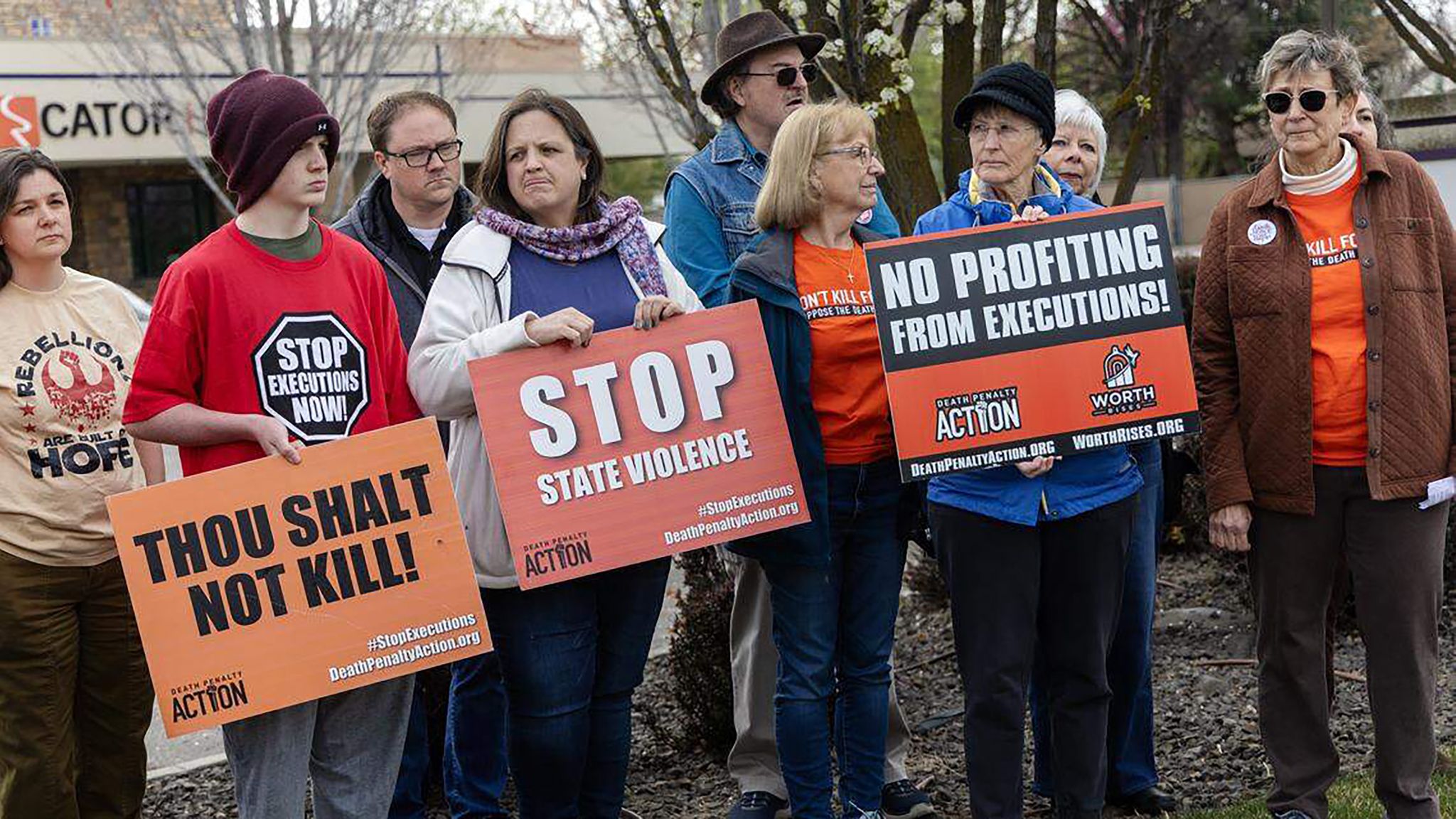
Currently, Idaho is under a moratorium on executions imposed by a federal judge because of restrictions on press access. That ban is being appealed in the court of appeals. However, once the renovation is completed and the law takes effect on July 1, the moratorium is expected to be lifted, and Idaho would become the only U.S. state where execution by firing squad is the primary method of carrying out death sentences.
Idaho’s decision could increase pressure on neighboring states, such as Washington, where the death penalty was officially abolished in 2018. In conservative circles this may be seen as a signal to toughen policy, while the liberal population of the Pacific Northwest will likely view it as a step backward, potentially reinforcing local moratoriums. Delays in carrying out death sentences nationwide are driven by lengthy appeals, legal challenges to the constitutionality of execution methods, and shortages of drugs for lethal injection. The moratorium in Idaho, instituted because the state could not obtain those drugs, forced the state to seek alternatives like the firing squad. Such pauses often occur when states face legal or logistical obstacles, delaying executions for years.
The Pacific Northwest, including Seattle and the state of Washington, is dominated by liberal opinion: the death penalty was abolished by law in 2018, and most residents support alternatives like life imprisonment. In conservative Idaho, by contrast, capital punishment is popular—especially in rural areas—and the decision to introduce the firing squad reflects a desire for “efficient” justice. Thus the region is divided: the progressive West versus the traditionalist East.
Based on: Idaho eyes restart of death row executions as firing squad draws near