
Seattle, which will host six matches of the 2026 FIFA World Cup, has faced an incredible surge of people wanting to volunteer. Of 35,000 applications submitted to the city committee, only 2,000 were selected. That competition is part of a global record: FIFA said the total number of volunteer applications for the tournament exceeded 1 million, the highest figure in the history of sporting events.
The only stadium in Seattle hosting World Cup matches will be Lumen Field — the home of the Seattle Seahawks and Seattle Sounders. Around it a "last-mile zone" will be organized — a special perimeter where vehicle traffic will be restricted and security measures tightened. It will cover the area from the SoDo neighborhood south of downtown to Pioneer Square and the International District, including pedestrian routes from the light-rail Stadium Station.
The selection process included several stages: online questionnaires, invitations to in-person "trials" (interviews) and mandatory security vetting. Of the 35,000 applicants, about 3,500 were invited to interviews at the SeattleFWC26 headquarters in January. This executive committee, created to coordinate tournament preparations, brings together representatives of the city, state, the FIFA organizing committee and local sports organizations. Its headquarters is located in downtown Seattle in the Washington State Convention Center building at 705 Pike Street.
As Thomas Kismarton, head of the volunteer program at Washington Youth Soccer (a nonprofit that runs youth and children's soccer in the state of Washington, representing more than 100,000 players and 20,000 coaches and volunteers), notes, organizers were looking for people with years of experience, language skills and a genuine love of the game.
"The trials were an incredible stage to see how passionate people are about this sport," Kismarton says. "It was hard to choose among the candidates." In the end FIFA selected 1,400 volunteers, and Washington Youth Soccer recruited another 600, which will be responsible for the "last-mile" zone — the pedestrian perimeter around the stadium.
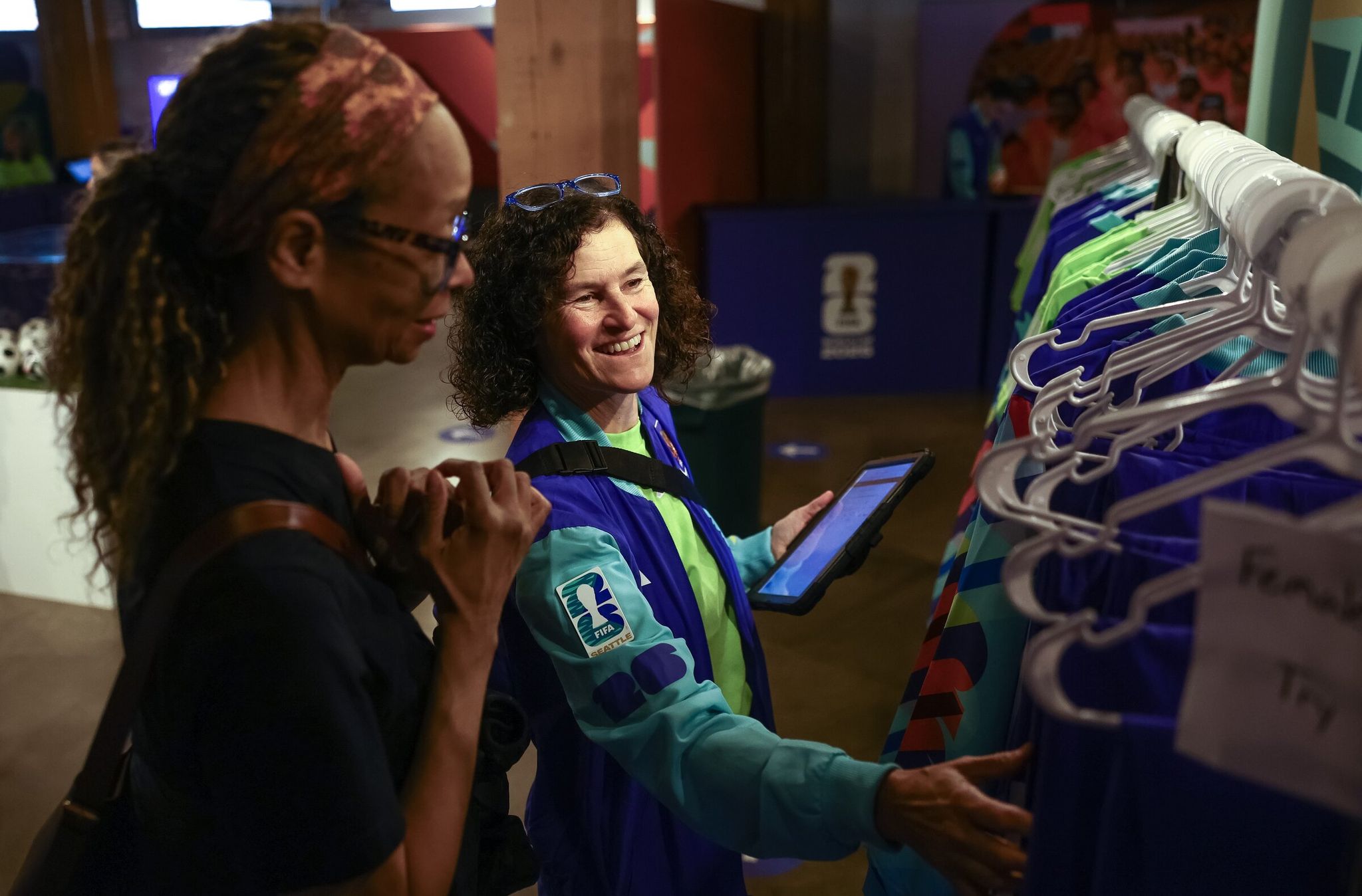
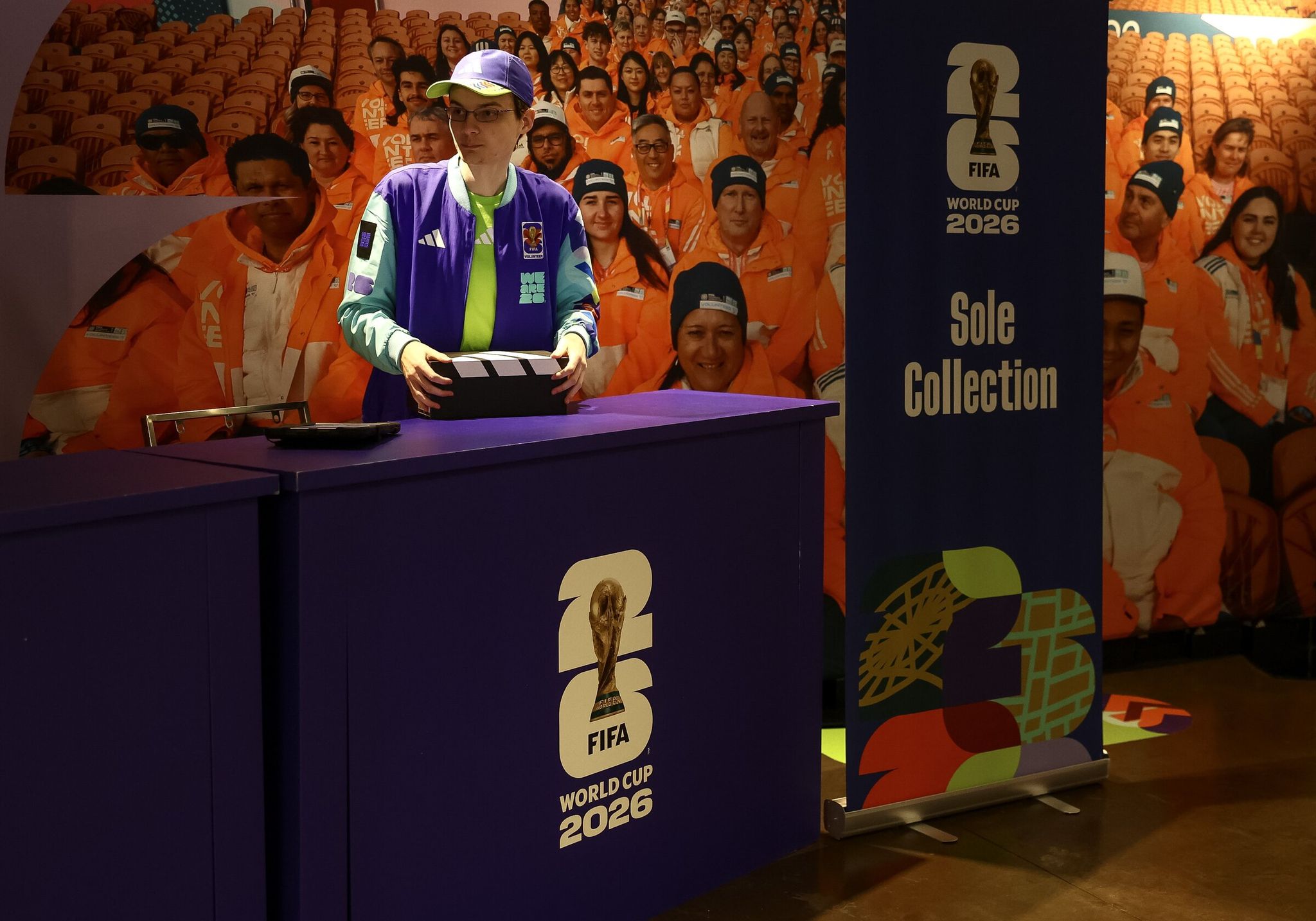
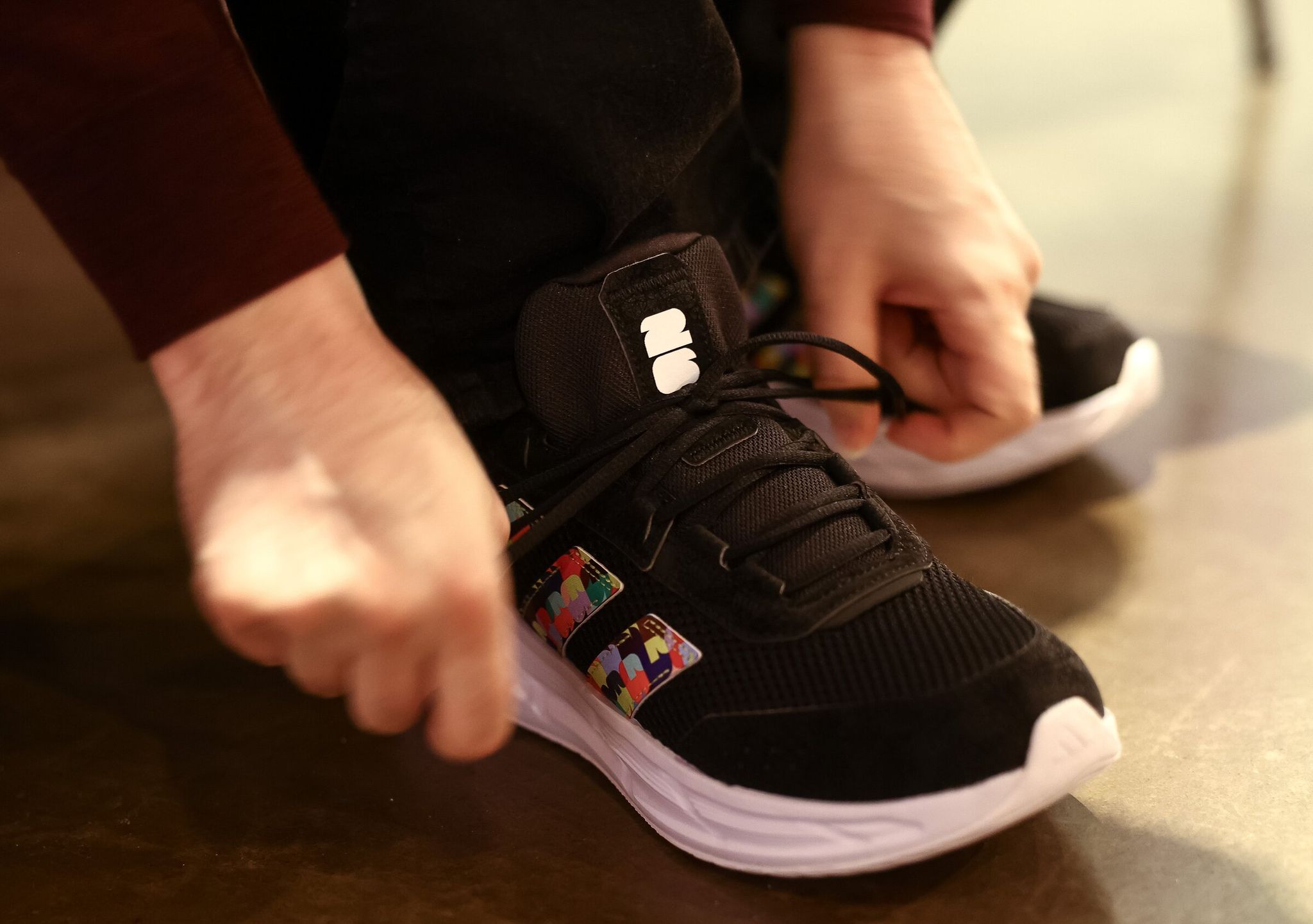
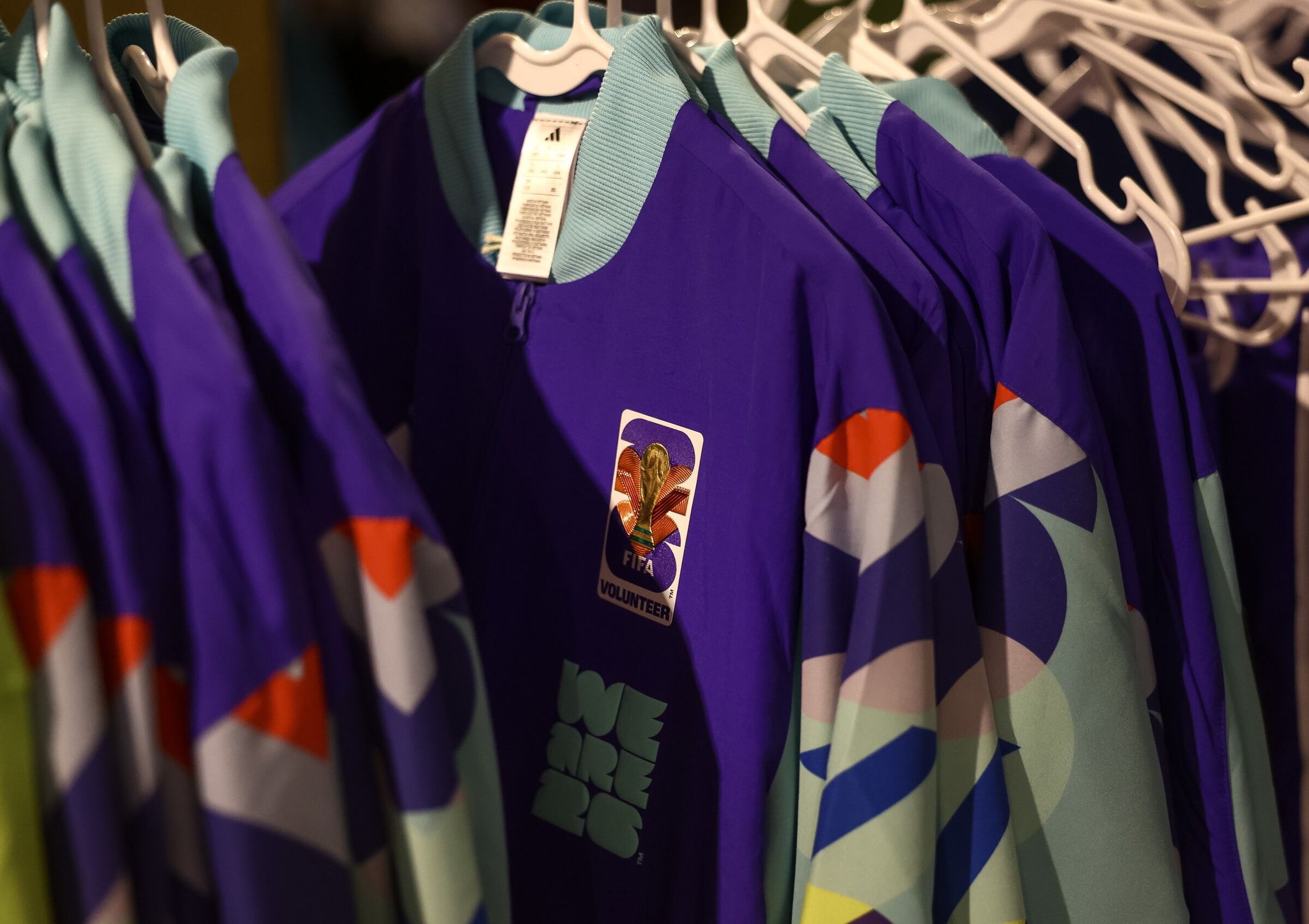
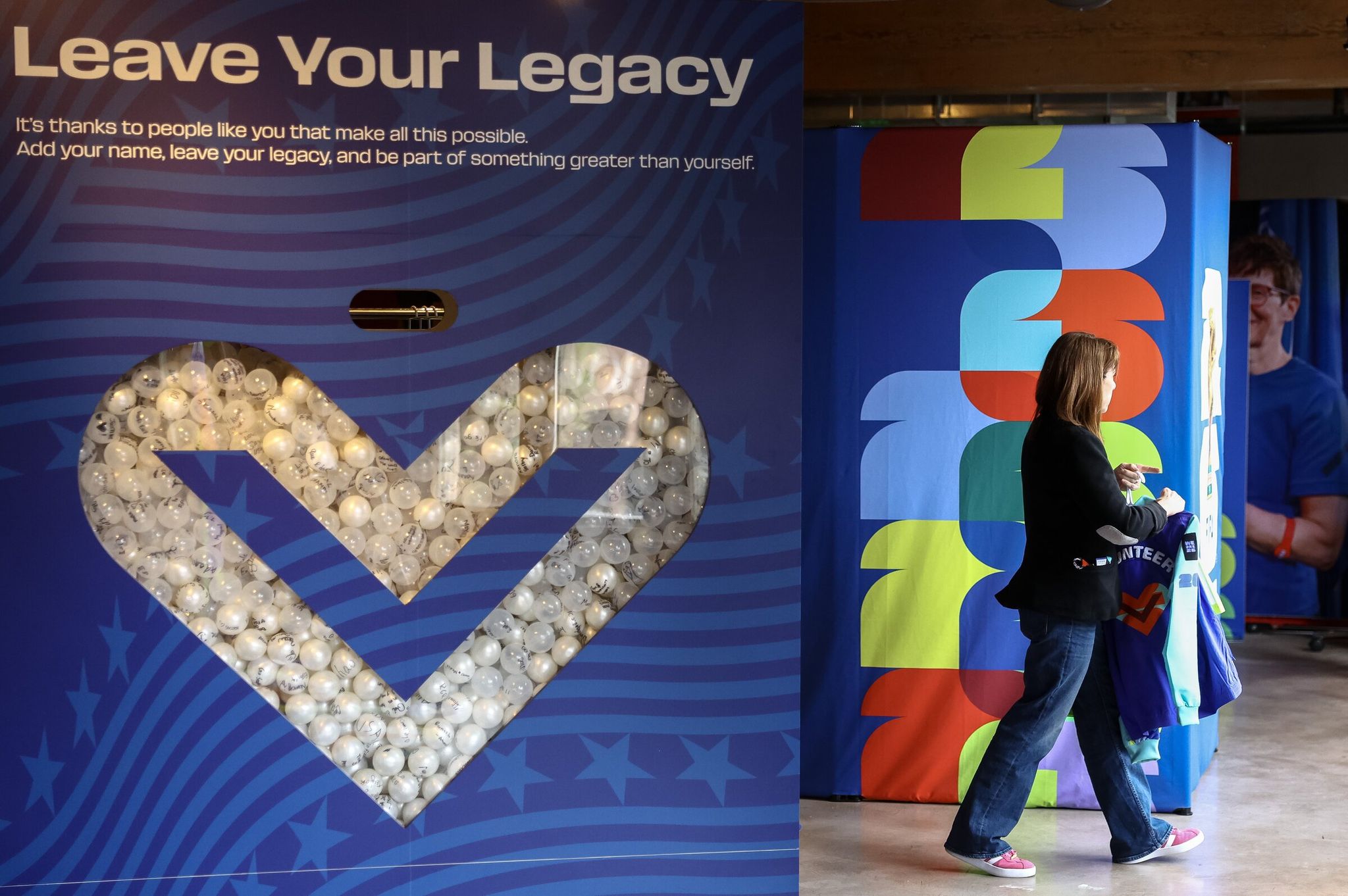
George Featherstone, who grew up with soccer and now works as a referee, has already started his duties. In May he helped distribute uniforms to other volunteers at the SeattleFWC26 headquarters. "To participate in the largest World Cup is a once-in-a-lifetime experience," he says as he hands out boxes of Adidas sneakers specially designed for volunteers.
Laura Salas moved to Seattle from Argentina two years ago, where soccer was part of her life since childhood. This time she will hold flags and banners at the opening ceremonies of matches. "For me, just being part of the World Cup is an amazing event I'll remember forever," says Salas, who waited four years for this chance.
Mariana Cubillán, who lives in Portland (a three-hour drive from Seattle), applied as soon as she learned of the city's host status. Although Portland is not one of the tournament host cities, volunteer programs are open to anyone regardless of residence. She dreamed of working in media operations to "be on the field where everything happens," but in May she was turned down. Still, Cubillán remains hopeful: "It would have been an experience I'd tell my grandchildren about. If another opportunity from FIFA appears, I'll apply again without hesitation."
Leticia Cortes from Vancouver, Washington (a suburban city north of Portland with a population of about 190,000, not to be confused with the Canadian Vancouver, which is hosting World Cup matches at BC Place) originally applied to guarantee herself entry to games if she couldn't buy tickets. Now she works on accreditation for staff, players, media and other volunteers. "If the tournament weren't taking place in the U.S. or specifically in Seattle, I probably wouldn't be able to attend a match," Cortes admits; she and her family bought tickets for the Belgium vs. Egypt game on June 15.
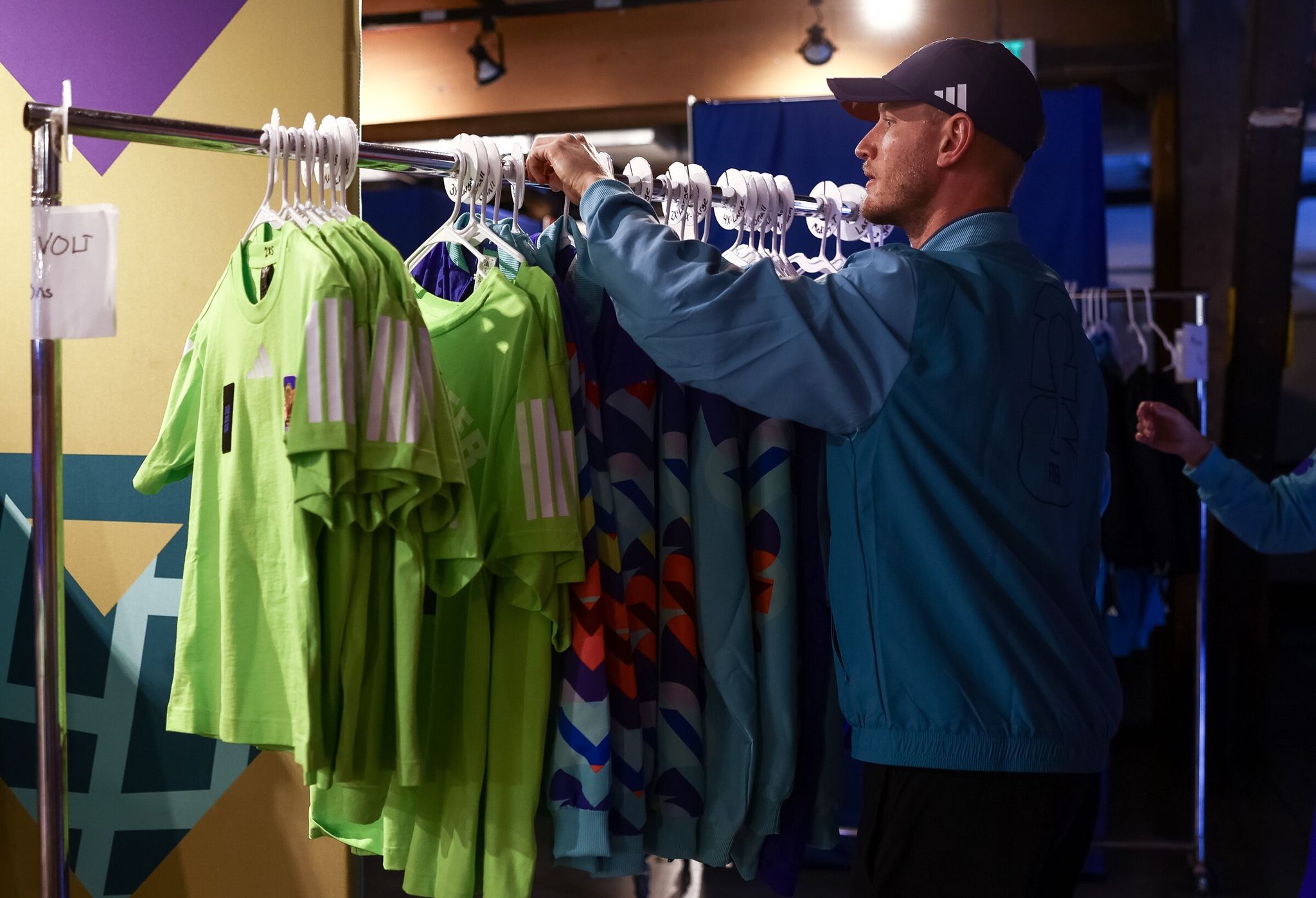
Jennifer Hayes, retired, remembers the volunteers who helped her at the 2006 World Cup in Germany. Now she is on the volunteer team herself, handing out uniforms to FIFA staff. "It was very nice to be selected and to represent the city," says Hayes, who played soccer in college. "I hope to see many guests from around the world."
Volunteers can pick up their uniform — sneakers, socks, pants, a shirt, backpack, cap and jacket — after the tournament ends. FIFA does not pay volunteers' expenses, but provides food and drinks during shifts and issues a certificate of program completion. Each volunteer must work at least six shifts.
Seattle is preparing to welcome soccer fans from around the world from June 15 to July 6. For many residents of the city and region, the chance to be part of this event is not just a way to get into matches, but a chance to bring the community together, share a love of the game and create memories that will last a lifetime.
Based on: What it takes to be a World Cup 2026 volunteer in Seattle