
Seventy-eight-year-old Allen Horne, a former Marine air traffic controller, thought the infection on his right pinky toe would go away on its own, but last December the gangrene spread across his foot and he collapsed on a sidewalk in downtown Seattle. "I tried to get up, but I couldn't," he recalls. At Harborview Medical Center, the public county hospital funded by local taxes and required to accept all patients regardless of their ability to pay, surgeons amputated his leg to save his life. Immediately after the operation the team faced a pressing question: where should the patient go next? Horne lived in Skyway, an unincorporated King County suburb without its own major hospital, so he was admitted to the nearest trauma center — Harborview in Seattle, which serves the whole county.
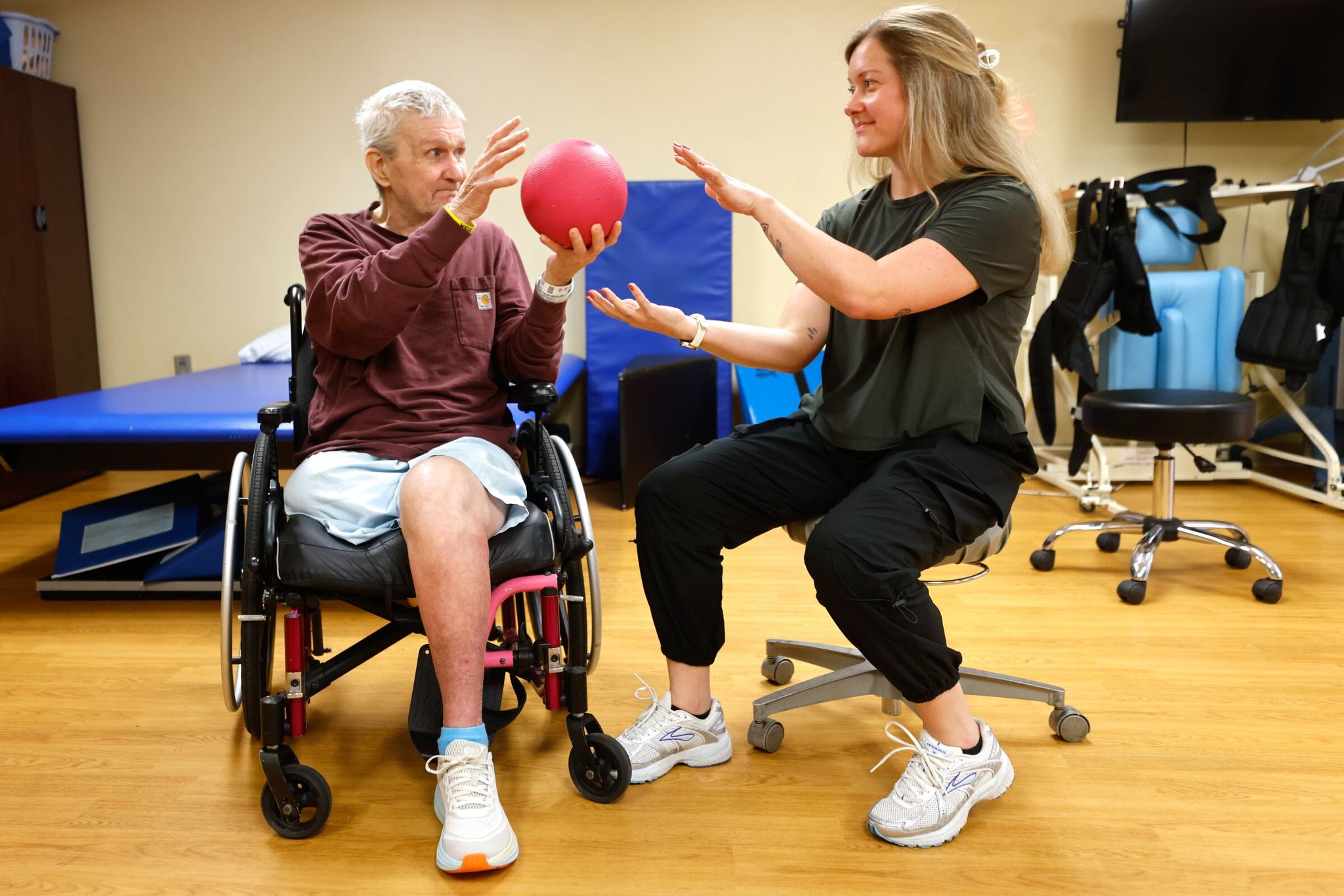
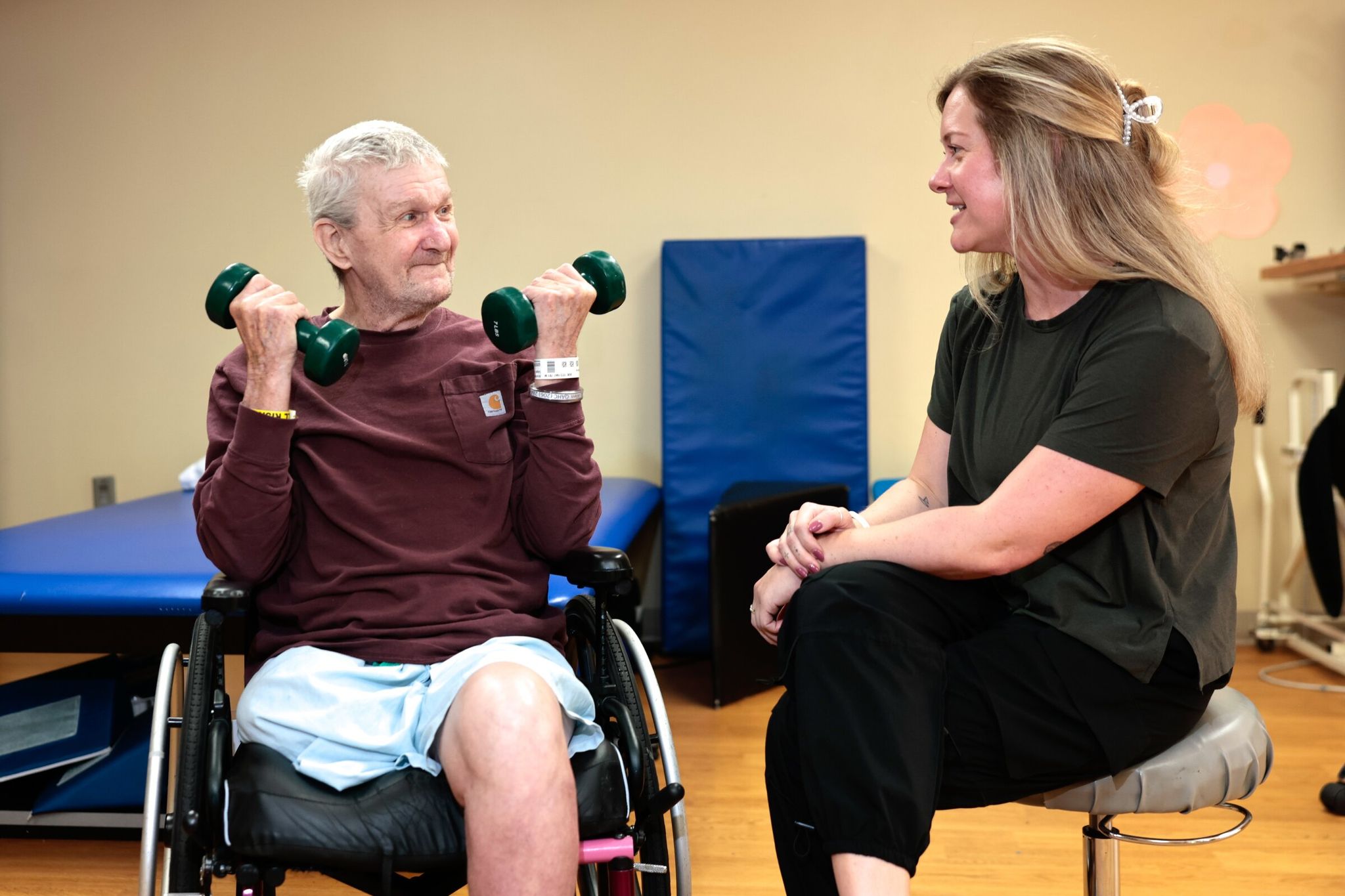
For four months Horne, who has both Medicaid and Medicare, recovered at the Queen Anne nursing and rehabilitation center. Medicaid — the state-and-federally funded program for low-income people — covers long-term care, including nursing homes, unlike Medicare, which does not cover extended stays in nursing facilities. Private insurance often limits length of stay or requires prior authorization, and lack of insurance means a patient cannot be discharged to a facility without a payment agreement. Horne became part of a unique partnership between that center and Harborview that speeds transfers from hospital to long-term care by providing support for uninsured or underinsured people that their coverage may not fully cover. Having lost his Skyway apartment while hospitalized, he received help from physical therapists, social workers, insurance specialists and other experts. "That's the secret — having people who help with what needs to be done so you can just keep getting better," he says.
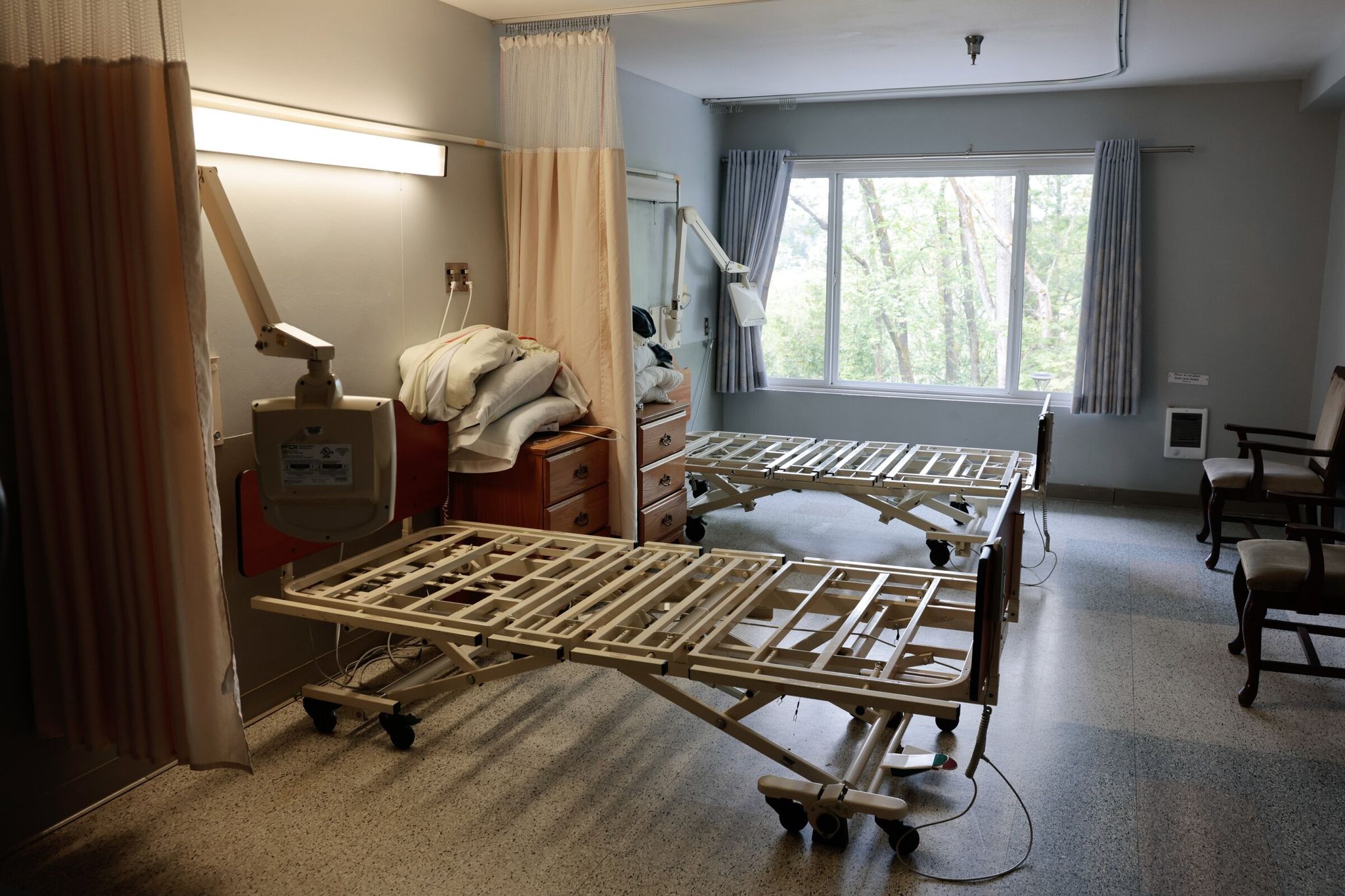
Washington state officials estimate that about 850 patients are ready to be discharged each day but remain in hospitals because of shortages in long-term care staffing, lack of insurance and low Medicaid and Medicare reimbursements. That has serious consequences: patients stay for weeks or months under psychological and physical strain, other patients in need wait for beds, and hospitals incur huge costs caring for people who no longer require hospitalization. "It's not because of anything the patients are doing, but because the system lacks capacity or faces barriers to moving a person to the next setting," explains Zosia Stanley of the Washington State Hospital Association (WSHA). The nonprofit represents hospitals before lawmakers and regulators, lobbies for policy changes, runs trainings, collects data and coordinates pilot programs, acting as a bridge between hospitals and state government.
State officials have tried to address discharge delays for more than a decade and recently launched a pilot program modeled on Harborview. It emphasizes coordination among fragmented medical, behavioral, social services and long-term care providers, and it pays for additional care not fully covered by insurance. In addition to this model, the state is rolling out other pilots: the Bridge program in Snohomish and Tacoma counties, where social workers help find nursing-home placements; a Hospital to Home project in Spokane focusing on discharge coordination for people experiencing homelessness; and an Everett initiative using telemedicine consults to assess patients before discharge. The state allocated $26 million to the described program in 2023, and a January report showed savings of about $28,000 per patient, or nearly $14 million in total. "Most of the time it comes down to money," says Queen Anne Healthcare administrator Erin Doss. "Almost everything can be overcome with a little extra funding."
At Queen Anne Healthcare, one of seven pilot centers, the additional funds allowed staff to immediately purchase needed medical equipment without waiting for lengthy insurer prior authorizations. Money also went to staffing increases, covering expensive medications and reimbursing other types of care patients might need. Without this model, nursing homes often decline uninsured or underinsured patients. "The program created a way for us to afford to care for people," Doss notes. According to the January report, the pilot reduced average hospital length of stay from 28 to 11 days, and nursing-home length of stay from 77 to 19 days.
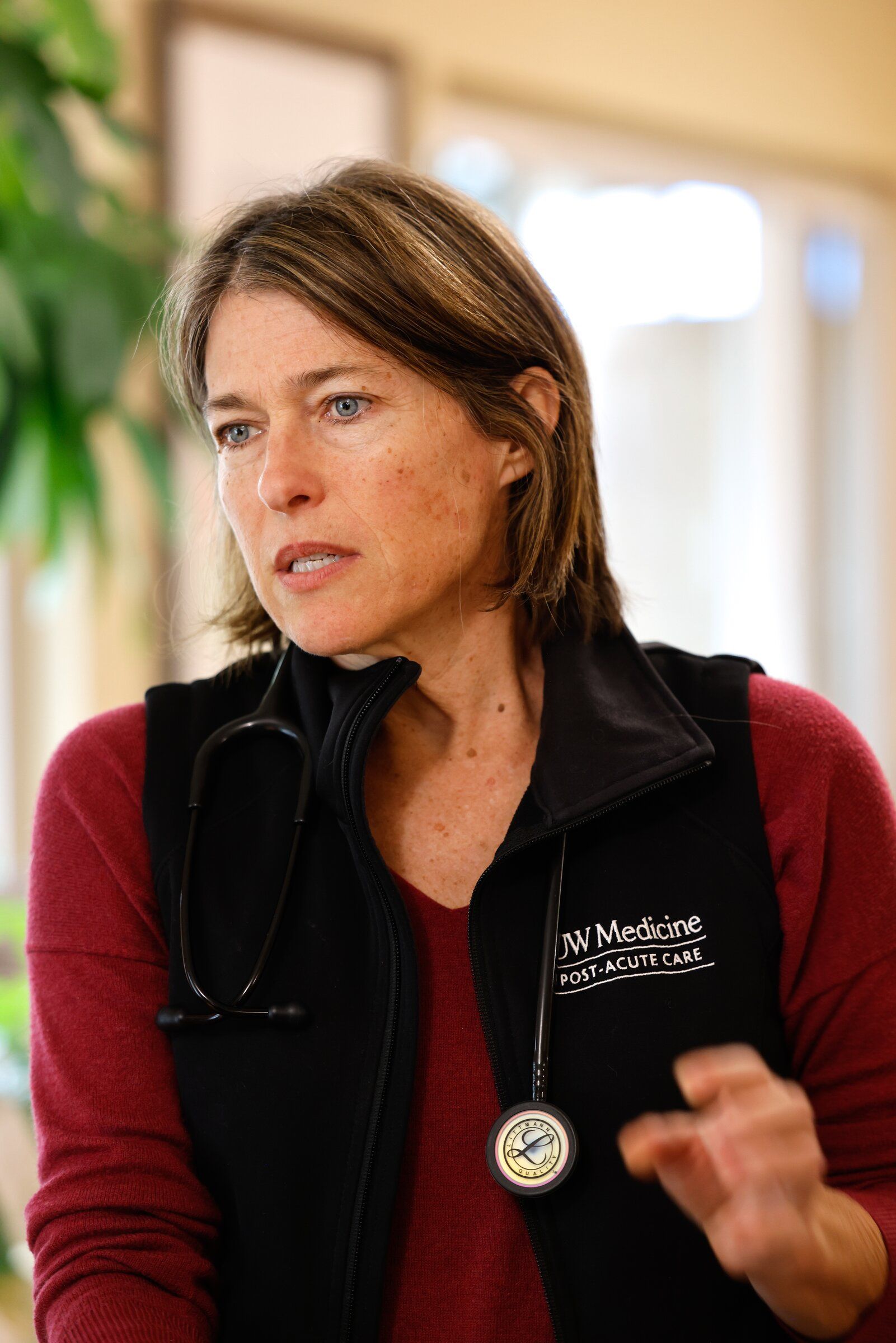
The program also showed a 37% lower likelihood of 30-day readmission compared with similar Medicaid groups, expanded access to long-term supportive services and demonstrated high patient satisfaction. Harborview nurse Janice Ingham, who treats patients at Queen Anne, was thrilled with the results. She believes the added community resources, including social workers and specialists from the state's Department of Social and Health Services (DSHS), played a crucial role. DSHS is the main payer: it covers nursing-home stays under Medicaid, but only after an application is approved. Under the pilot, the department provided extra staff to expedite reviews of such hospital-based applications and coordinates nursing-home bed allocations and licensing issues. "It definitely helped get people discharged faster," Ingham says. "Medically I did nothing different."
Years before the state pilot began, Harborview had already run its own project known as the bed-readiness program. The hospital leases about 100 beds at two nursing homes — Queen Anne Healthcare and Seattle Medical Post Acute Care — guaranteeing that certain patients who have recovered from injuries or illness but still need support will be placed. Since 2017 the aim has been to place patients who no longer need hospitalization, particularly the uninsured, underinsured, or those covered by Medicaid/Medicare. The public county hospital spends about $40 million a year caring for these patients, roughly two-thirds covered by Medicaid, with unpaid-care losses absorbed by county budgets and higher rates charged to commercial insurers.
In 2023 lawmakers approved expanding the Harborview model and created a task force to oversee the new pilot. The state initiative started at Harborview and Queen Anne Healthcare, then spread to hospitals and long-term care centers in Vancouver, Tacoma, Spokane and Everett. As the model grew, so did funding and resources: hospital and community social workers, rehabilitation medicine specialists, outpatient mental-health and substance-use disorder support, says B

Based on: How WA is tackling chronic hospital overcrowding