
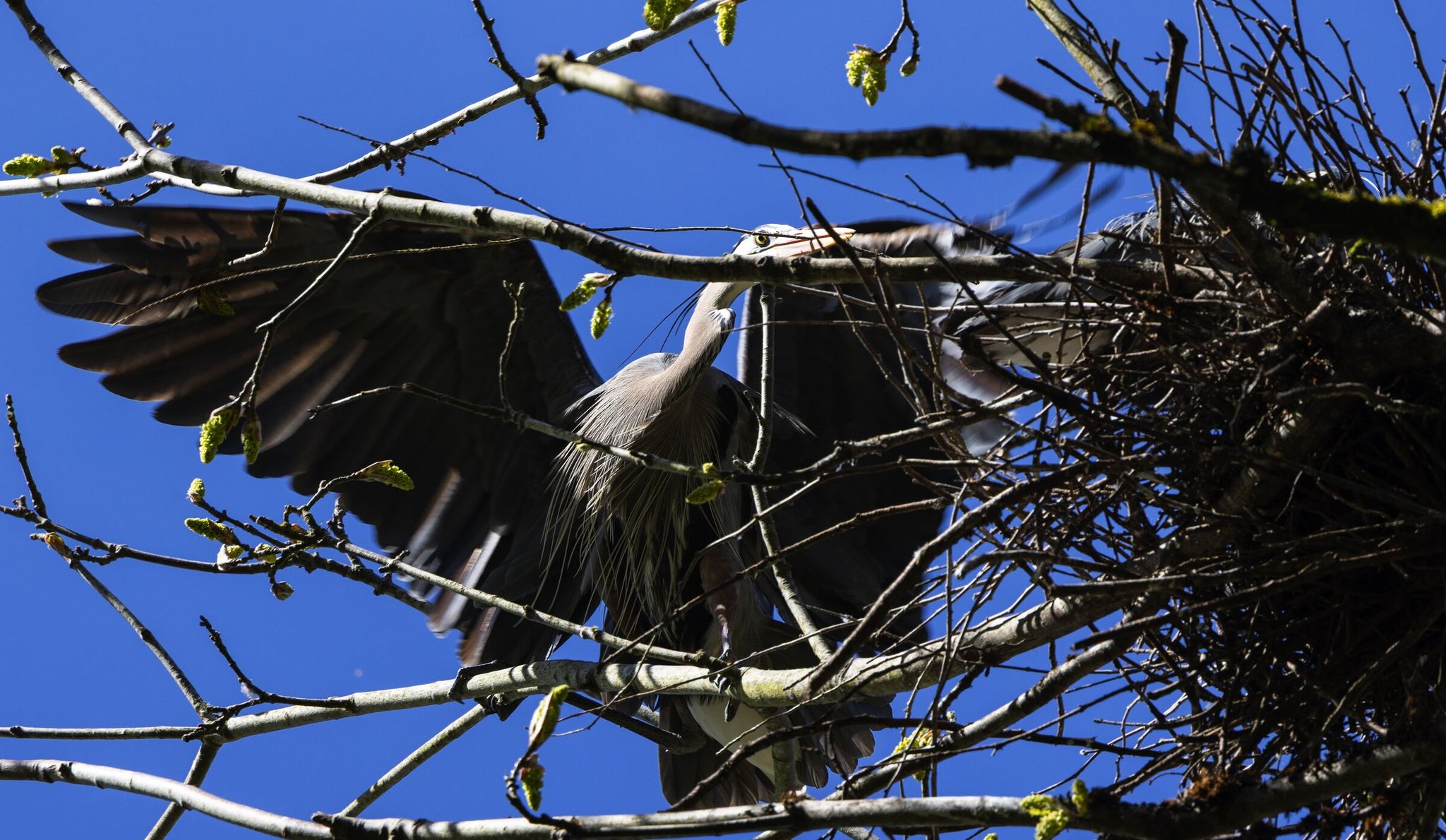
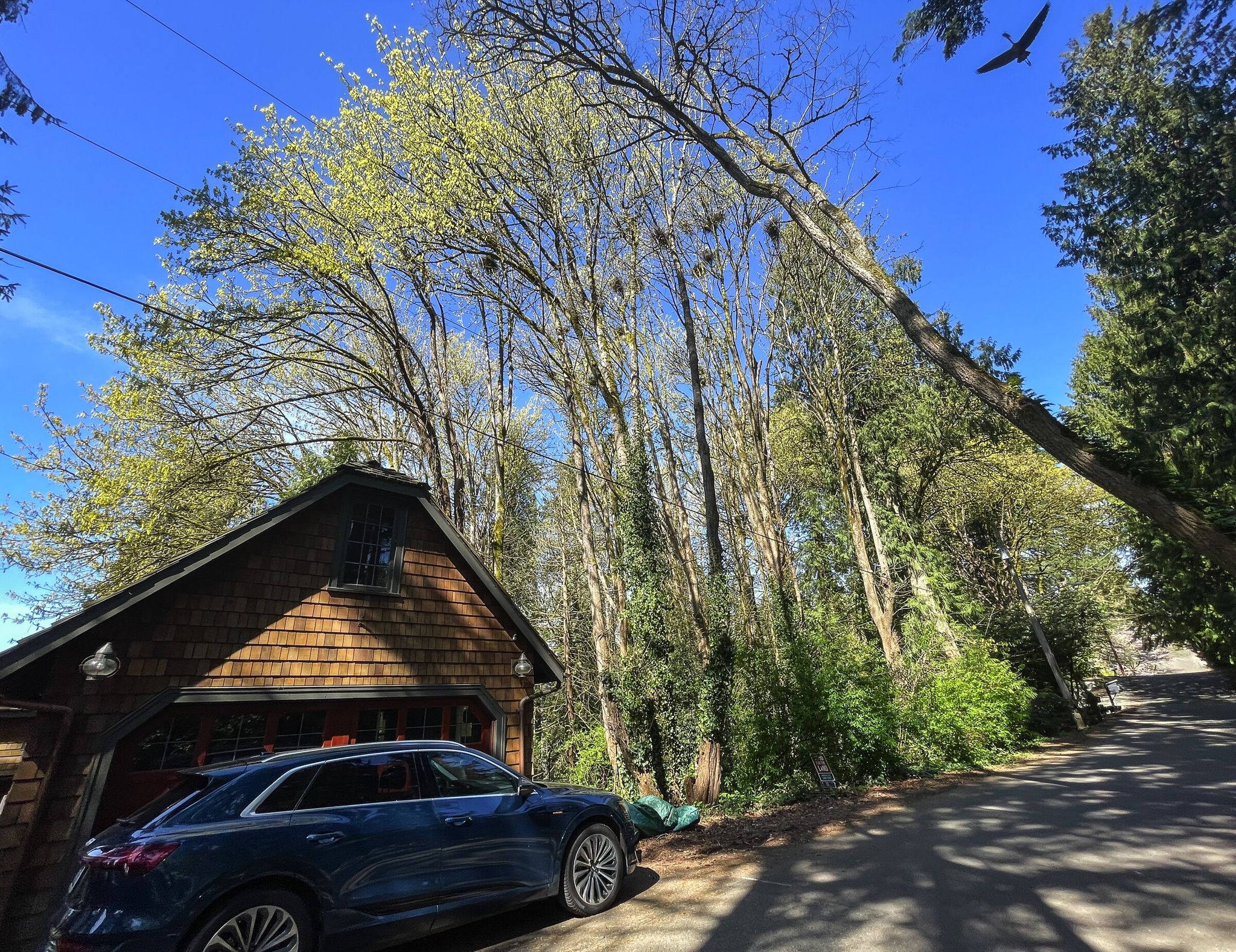
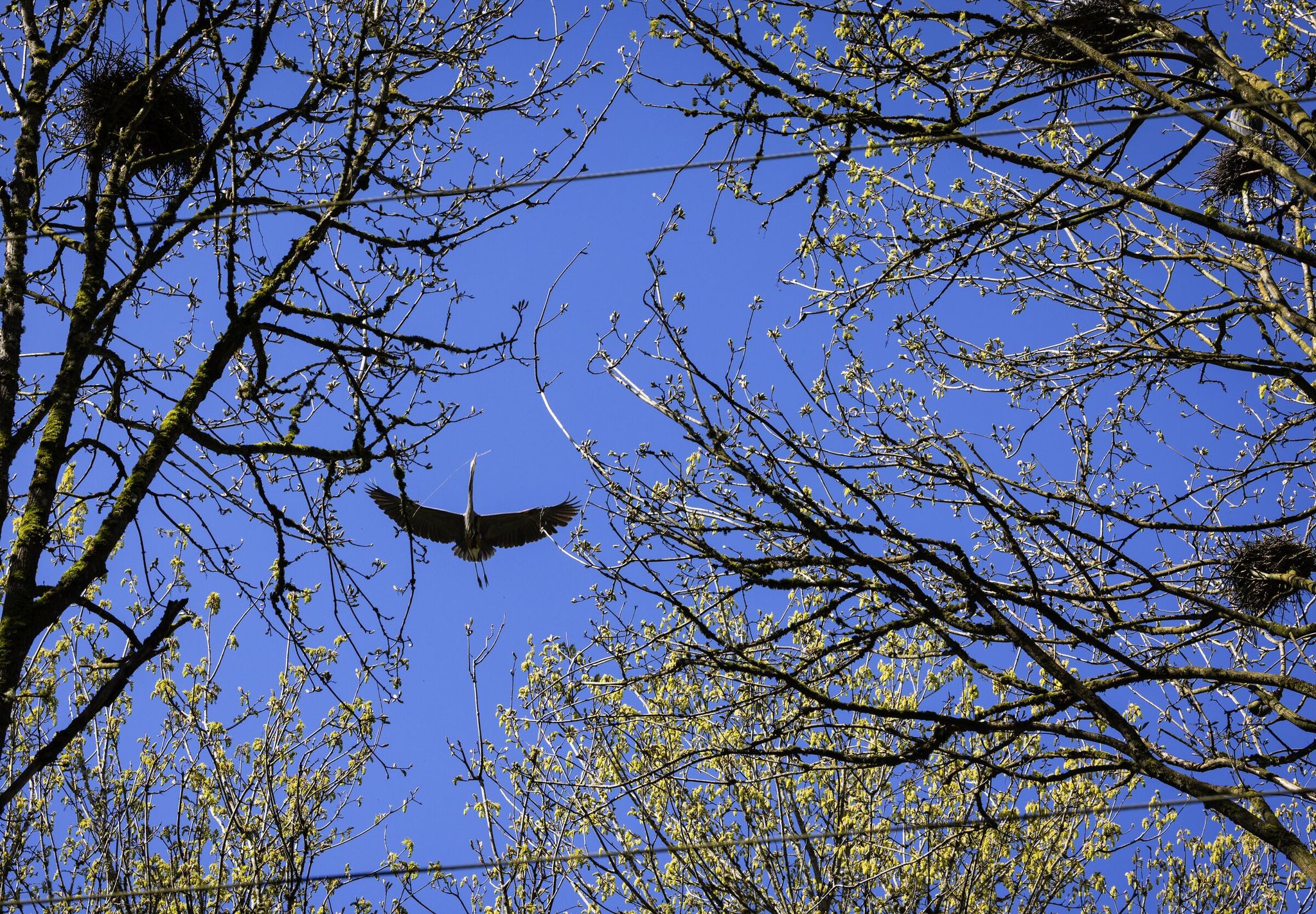
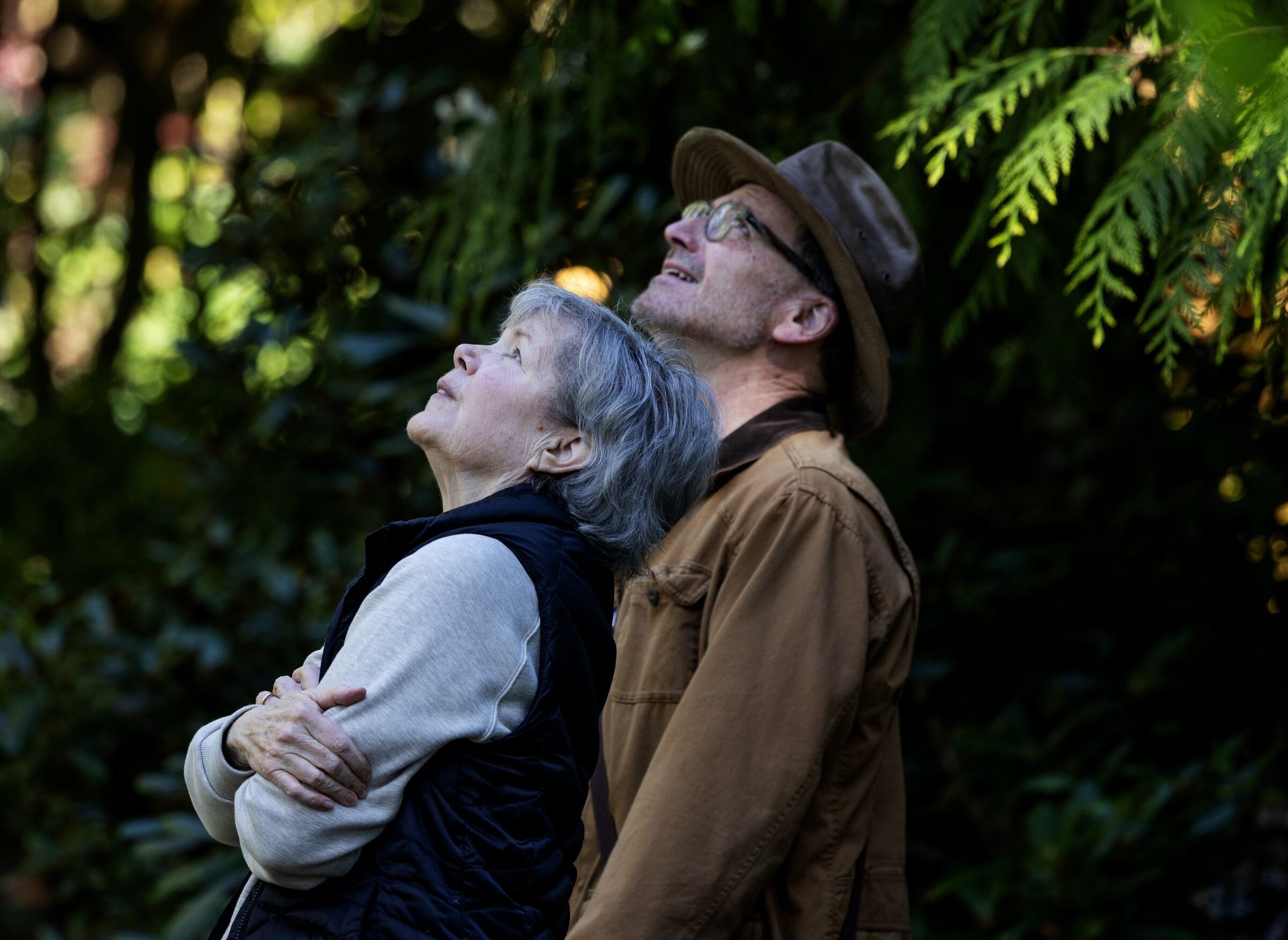
Just a few minutes’ walk from the busy center of Bainbridge Island, near Seattle, nine pairs of great blue herons nest high in the crowns of maples along the shore of Eagle Harbor. This small parcel, known as the Winslow Rookery, has become a rare pocket of wildlife amid urban development. Staff from the local Land Trust, such as Megan Rorssen, lovingly watch the birds and even jokingly “interpret” their behavior for visitors.
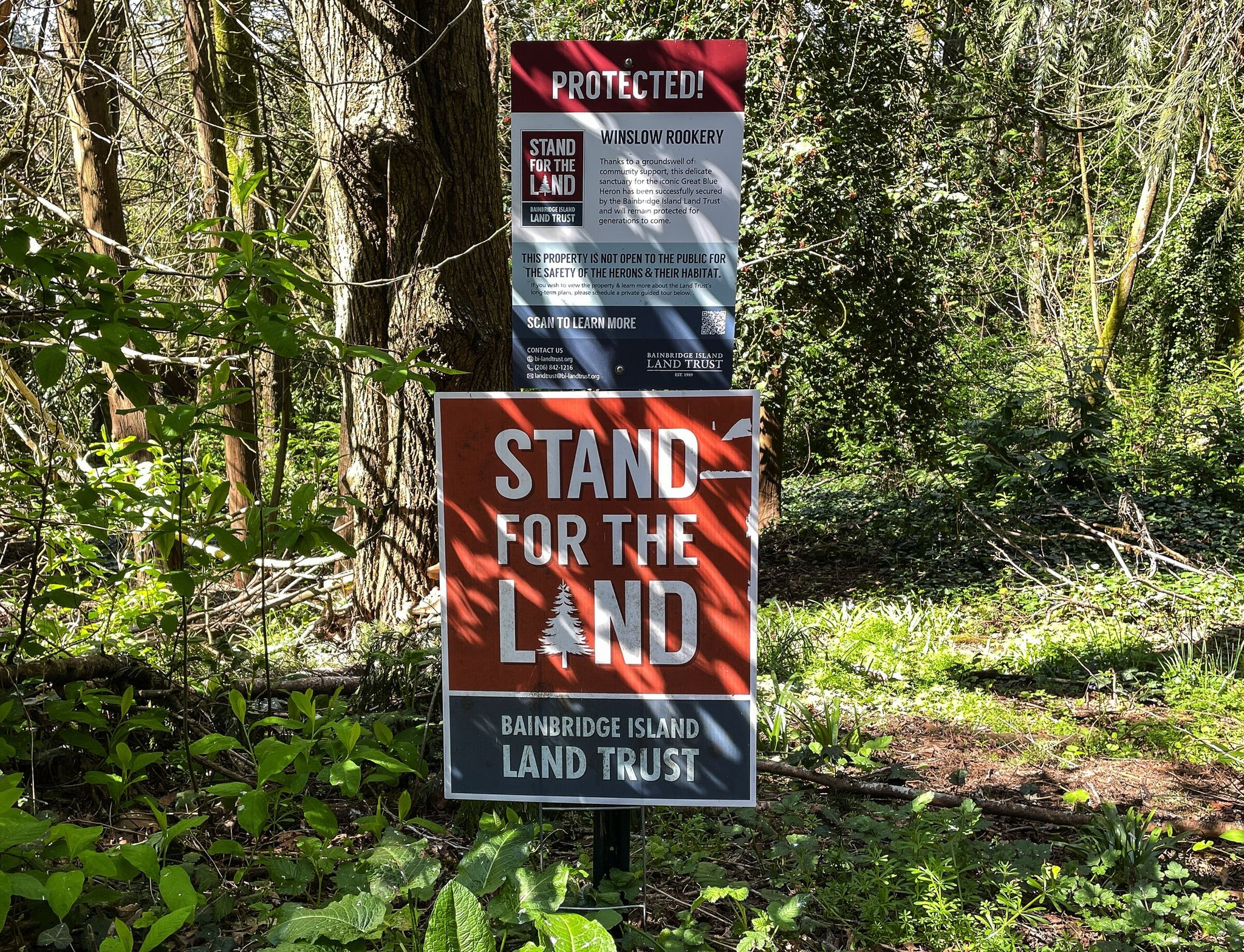
In April 2023, the Bainbridge Island Land Trust, a Washington state nonprofit, purchased the property for $250,000 with a simple goal: to protect it permanently from development and preserve a long-standing heron nesting site. The Trust, which since 1989 has protected more than 1,600 acres (about 9% of the island), typically works on projects that benefit many species, including people. But preserving land specifically for one species was a first for the organization, setting it apart from more narrowly focused groups and prompting active involvement from a community deeply invested in conservation.
Historically, Bainbridge Island was an important center for logging and shipbuilding. Today it serves as a popular suburb for Seattle residents seeking a quieter life surrounded by nature, and as a cultural hub with art galleries and wineries. Development pressure here is constant and reflects a broader trend in the Seattle area: population growth and high urban housing costs are pushing people to the suburbs, increasing strain on infrastructure. “You won’t find a place on the island that hasn’t been touched by the Trust’s work,” notes executive director Callen Brady. The Trust does not plan to alter Winslow Rookery; its main achievement is ensuring the trees and shoreline won’t be turned into housing or commercial developments.
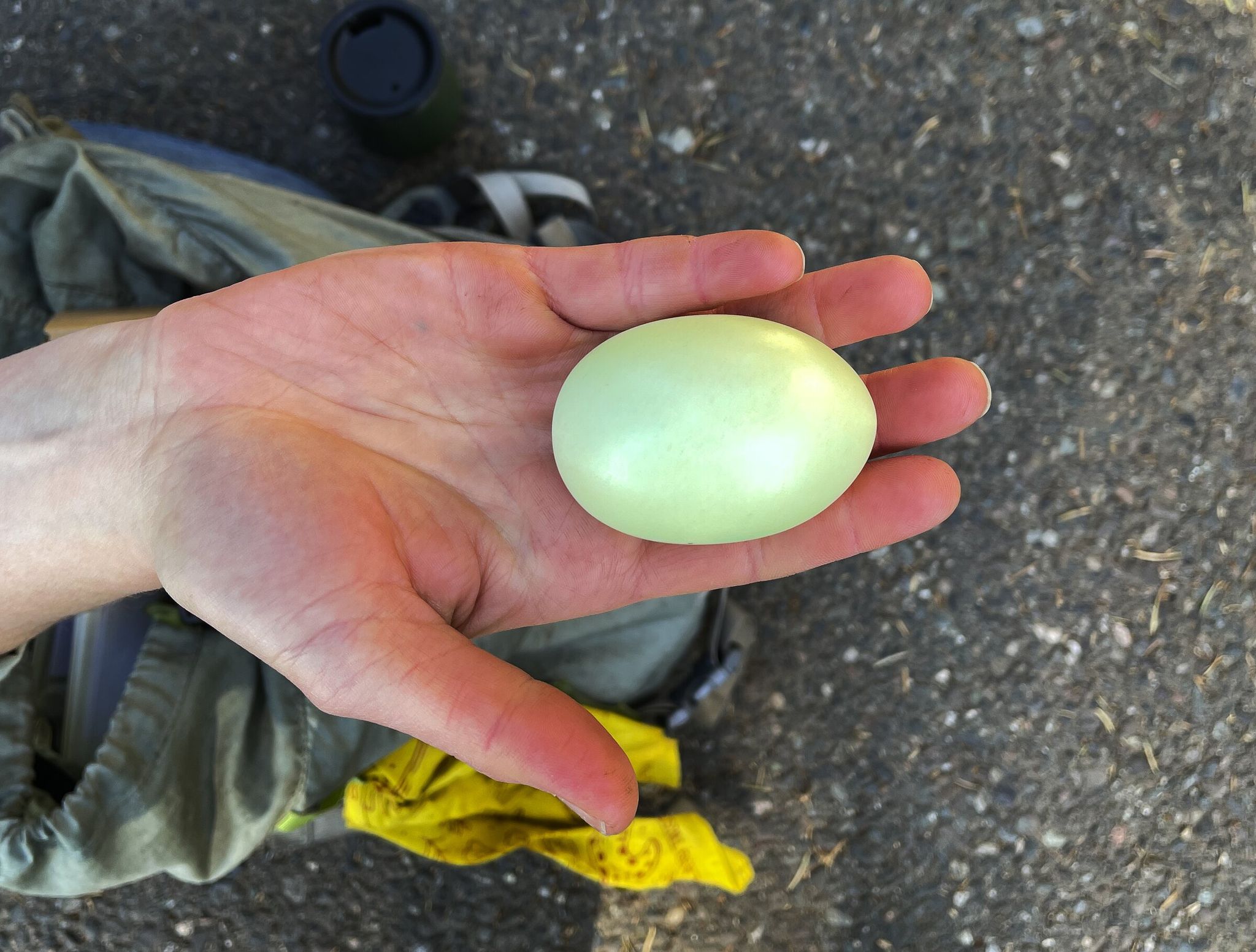
Although the threat of development has been removed, the colony still faces dangers. Bald eagles, natural predators, can raid nests while hunting for chicks. Everyday human activity — the noise of lawnmowers, cars on the narrow street below, or simply intense human attention — also disturbs these sensitive birds. In addition, invasive ivy that wraps tree trunks threatens the trees themselves. Eagle Harbor and its surroundings also confront other environmental problems, such as water pollution from runoff off roads and residential areas, which poses risks to salmon and oysters. Successes include shoreline restoration, creation of wildlife preserves, and volunteer-led water-quality monitoring programs.
Trust staff closely monitor the herons’ behavior to understand what level of activity the colony can tolerate. They plan careful habitat improvements that won’t disturb the birds: removing ivy, checking soil health, and selecting plants that can tolerate heavy guano deposits. The guiding principle is to keep the nesting area as quiet and undisturbed as possible, allowing people to view it from a respectful distance.
Other Trust projects include the Springbrook Creek and Rockaway Bluff preserves. The Trust also played a key role in keeping popular spots such as Grand Forest and Howley Cove Park available for public use. These areas are easily accessible by footpaths and roads and are beloved by residents for walks, bike rides, and wildlife viewing, integrated into island life as places for recreation and community gatherings. Ferry connections between the island and Seattle, on the one hand, increase tourist traffic and human pressure, and on the other, help conservation efforts by easing volunteer access and raising awareness of the island’s environmental issues.
The herons chose this site themselves years ago, and now they have a guarantee they can remain here into the future. It is a genuine oasis of calm in the midst of a bustling area, preserved through coordinated efforts to protect the island’s unique ecosystem.
Based on: Amid the bustle of Bainbridge, herons find a haven