
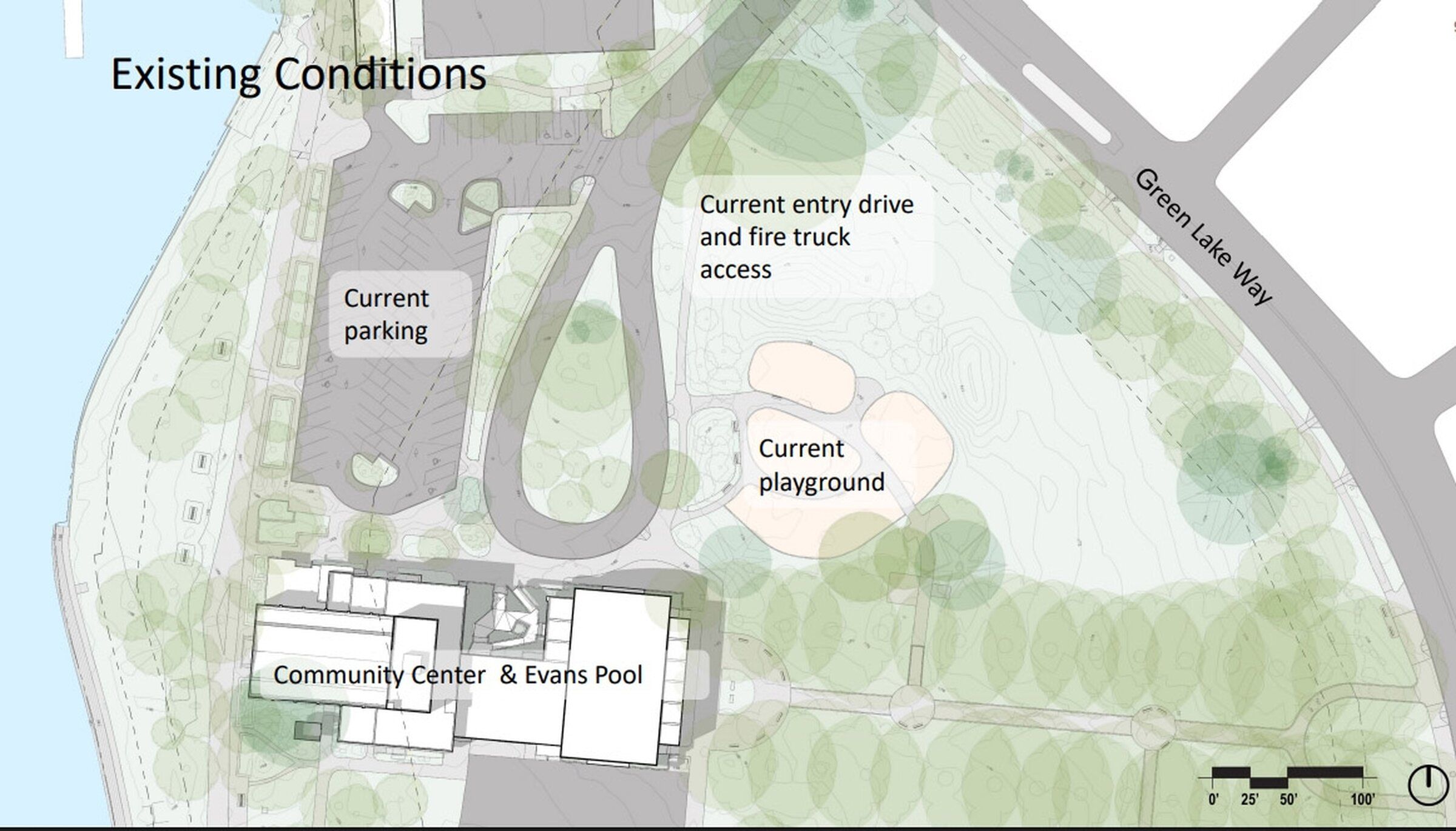
On the eastern shore of Green Lake, where generations of Seattle residents learned to swim, made pottery and played basketball, the city is once again rethinking the site. A new $88.5 million proposal to renovate the Green Lake Community Center and Evans Pool calls for demolishing the current community center, extensively renovating and expanding the pool in its historic building, and constructing a new center next door with a full-size gym. If the plan clears the remaining reviews, construction will start no earlier than late 2027 and finish in 2029.
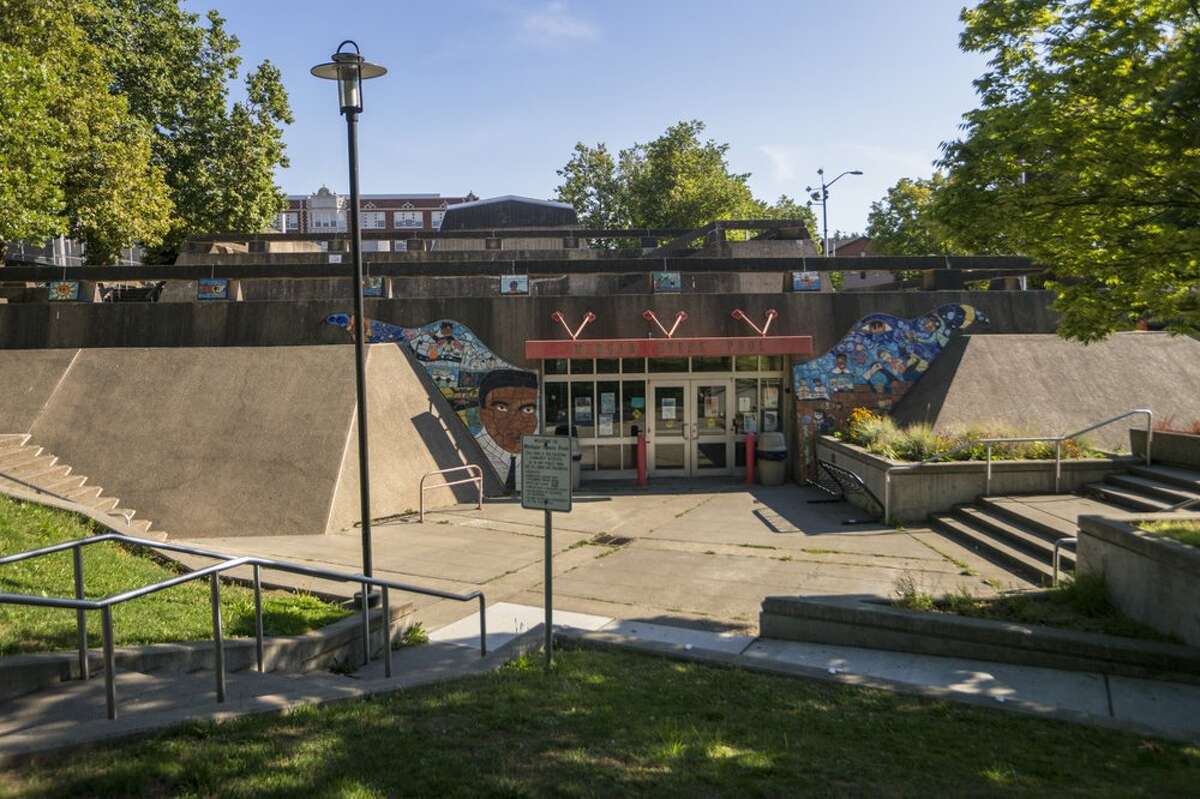
This is not the first attempt to update one of Seattle Parks and Recreation’s oldest community complexes. The two-story building, with its gym and pottery studio, opened in 1930; Evans Pool, with a new entrance lobby, was added in 1955. By the beginning of this decade, city officials acknowledged that both buildings were nearing the end of their useful lives, although repairs to their heating and ventilation systems had kept them operating.
In 2020, the city unveiled a particularly ambitious proposal: a new, two-story complex covering about 90,000 square feet. A public survey gave the project an important mandate: of more than 3,200 respondents, roughly three-quarters wanted the community center to remain on its current lakeside site. But the price tag soon became the main obstacle. Early designs were estimated at more than $77 million in 2020 dollars, and later projections for the new complex reached $100 million to $120 million. The cost fell after the project was scaled back and its engineering redesigned, but the city still could not find the money to build it, and the project was put on hold in July 2022.
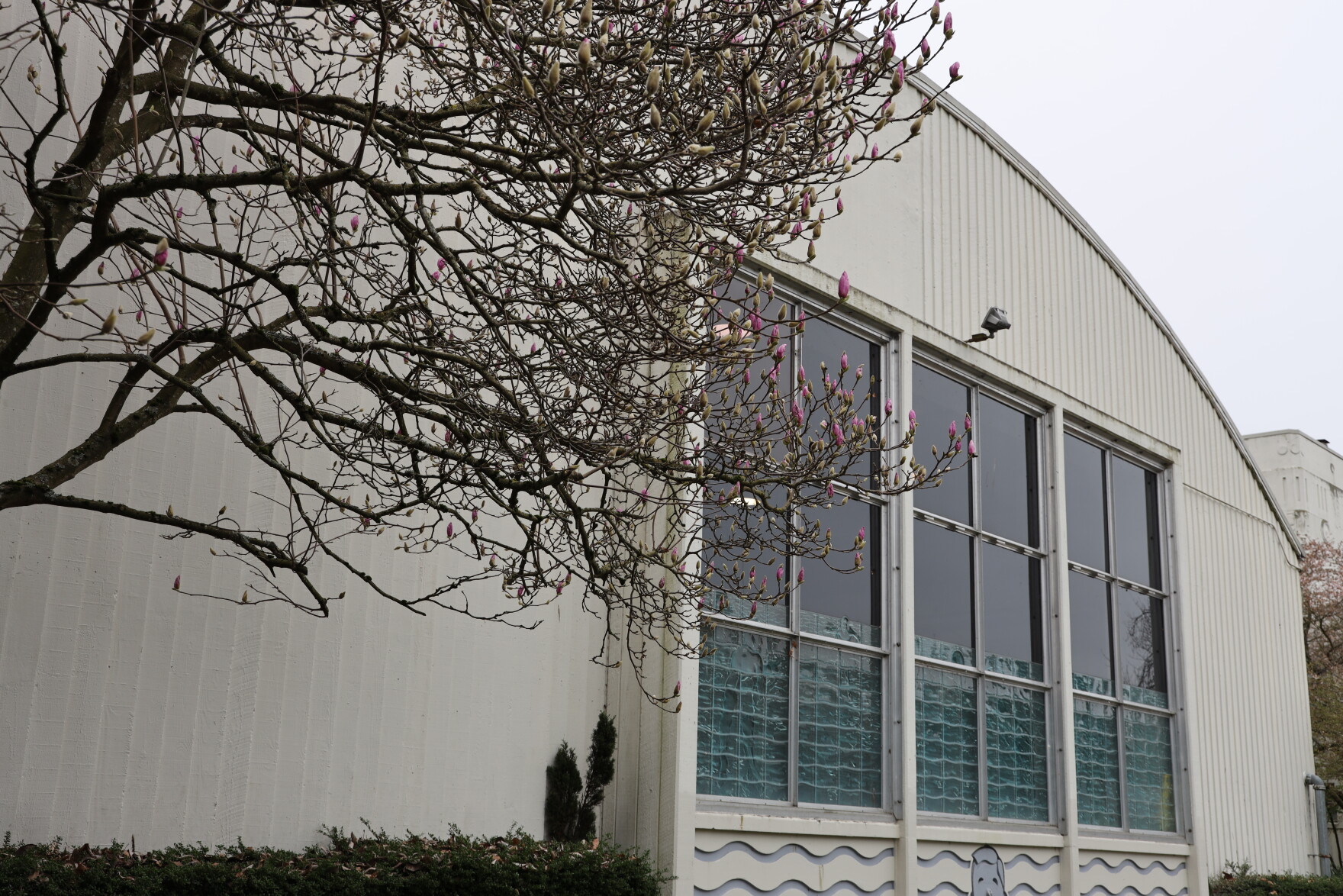
Meanwhile, the city faced another, more subtle constraint. On November 24, 2021, Evans Pool was designated a Seattle landmark. Protection covers not only the building’s distinctive concrete roof shell, but also its exterior and the surrounding strip of land. For architects, that means the straightforward option—demolishing the old pool and starting from scratch—is no longer viable. Any substantial changes require consultation with the city’s Landmarks Preservation Board.
The current proposal aims to make that constraint the foundation of the project. The historic pool would essentially be rebuilt inside its existing shell: mechanical systems, the pool basin, coping and gutters would be replaced, and accessible routes, locker rooms and a community room would be added. Plans call for a six-lane, 25-yard pool. The possibility of adding a warmer-water pool for lessons and therapeutic activities will depend on funding. A new community center would replace the building slated for demolition, with a gym large enough for a regulation-size court, along with spaces for children’s programs, teens, fitness, pottery and games.
The space between the buildings and the water would also change. The city promises to open a new lakeside area, improve pedestrian connections across the campus, upgrade the playground for two age groups and add restrooms. The word “campus” recurs throughout the designers’ documents: rather than one bulky structure, they envision a collection of connected places—a pool beneath its familiar concrete roof, a new center, a play area and paths leading to the loop trail around Green Lake.
The project now has a clearer financial foundation as well. The city’s proposed 2027–2032 capital spending plan allocates about $86.4 million for the community center and Evans Pool renovation; the city puts the overall budget for the pool, center and playground at $88.5 million. Funding includes Seattle Park District funds, a King County grant for aquatic facilities and future municipal bonds. But the budget does not eliminate the usual risks of major urban construction: detailed design, permits and final review of the changes to the landmark still lie ahead.
Residents are invited to discuss the new plan on December 2 at 5:30 p.m. in the Green Lake Community Center gym, and again on December 12 at the Pathway of Lights festival near the center. These meetings will mark another chapter in a story that began with a promise to build a new facility by 2025. Seattle is now choosing a slower, more complicated path: not to replace the past, but to weave it into the future—and to see whether that compromise can withstand both budget pressures and public scrutiny.
Based on: Seattle has yet another new plan for Green Lake community center, pool