
A statement from the Trump administration on Friday morning that green card applicants already in the U.S. must now leave the country to file their applications sent shockwaves through the immigration community. Immigration attorneys in Seattle — one of the main hubs for foreign talent — instantly found themselves at the center of the storm, trying to grasp the scope of the changes. "This is probably the most radical thing they could have done," said Tahmina Watson, a Seattle immigration lawyer, predicting a sharp rise in separated families and workplace chaos.
Seattle and the state of Washington have historically become a tech hub thanks to the presence of giants like Microsoft, founded in 1975 in Redmond, and Amazon, headquartered in Seattle. Engineering offices for Google, Facebook, Apple and dozens of other companies later joined them. That created a steady demand for highly skilled foreign workers. Amazon and Microsoft rank among the top five U.S. employers sponsoring H-1B visas. Boeing, in aerospace engineering, and T-Mobile US, headquartered in Bellevue, also heavily rely on the program. The region offers high salaries, quality of life and a tolerant atmosphere that attract talent from around the world.
The new rules break a decades-old practice of "adjustment of status," where people legally present in the U.S. could obtain a green card without leaving the country. Over the past ten years nearly 160,000 people in Washington state obtained lawful permanent residence through this route, mostly via sponsorship from U.S. citizen relatives or employers. Traditionally, this process allowed applicants to avoid prolonged family separation and job loss.
However, read in its strictest form, the new directive threatens serious consequences. According to Matt Adams, legal director of the Northwest Immigrant Rights Project — a nonprofit founded in 1984 that provides free or low-cost legal services to immigrants in the "sanctuary state" — applicants who lose legal status now risk being placed in removal proceedings or even detained. "Either we will file a lawsuit, or help someone else file one," Adams said, predicting a wave of litigation. NWIRP is considered a key player in Washington due to its proximity to the Canadian border, which creates unique cases, and the organization often participates in high-profile lawsuits challenging federal policy, including H-1B restrictions.
The most frightening scenario for many will be forced departure, which can trigger three- or ten-year bars on reentry to the U.S. As Jay Gerson, a law professor at Seattle University — which has a strong law school and is traditionally active on human rights and immigration policy issues — explains, such bars take effect if an applicant accumulates more than six months or one year of unlawful presence. Moreover, even without a statutory bar, applicants risk being stuck abroad for years because of monstrous backlogs at embassies and consulates.
By midday, however, some lawyers concluded that the announced consequences might not be as catastrophic. Seattle attorneys Abtin Bahador and Jen-Ya Chen noted that the six-page memorandum itself is much milder than the press release. Unlike the headline announcement, it does not require "extraordinary circumstances" for exceptions, but instructs officials to "weigh all positive and negative factors," including family ties and the moral character of the applicant.
The new rules create particular uncertainty for H-1B visa holders — a key category of foreign specialists in Washington’s tech sector. According to 2023 data, Amazon and Microsoft sponsored thousands of such visas each year, enabling them to hire foreigners with rare technical skills in artificial intelligence and cloud computing. On one hand, the memorandum acknowledges that such temporary workers may be eligible for a green card from within the U.S., since their visas contemplate immigrant intent. On the other hand — a footnote reminds — they too could be denied, which drew criticism from the American Immigration Lawyers Association: "It seems like they're saying one thing and implying another." Tougher scrutiny of "specialized knowledge" and wage requirements could make hiring economically unviable even for the giants, hurting the region’s entire ecosystem — from startups to global corporations.
USCIS spokesperson Zach Caler tried to soften the impression, saying in a comment that the agency will assess each case individually. "People whose applications deliver economic benefit or align with national interests will likely be able to continue on their current path, while others may be advised to apply from abroad," he explained, but he did not clarify how the new policy will affect already-filed applications or current H-1B holders.
Until clarity arrives, thousands of families, workers and employers in Washington remain in limbo. Attorneys advise clients not to panic but to prepare for delays and more thorough document scrutiny. One thing is clear: the "shock and awe" of Trump’s announcement is only the beginning of a long process of legal battles and clarifications that will determine how dramatic the real consequences will be for people’s lives and the region’s economy.
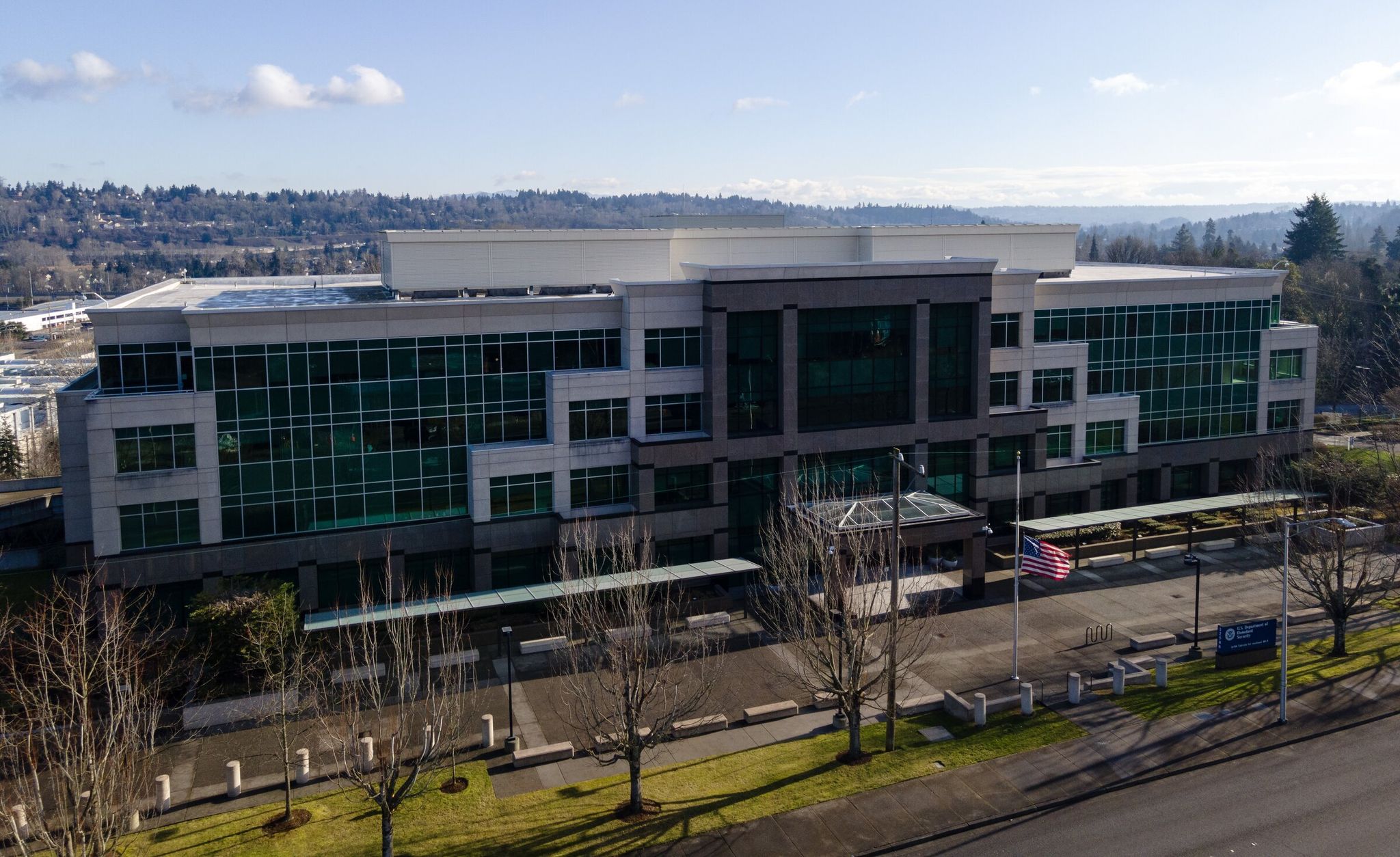
Based on: What Trump’s dramatic green card announcement means for WA