
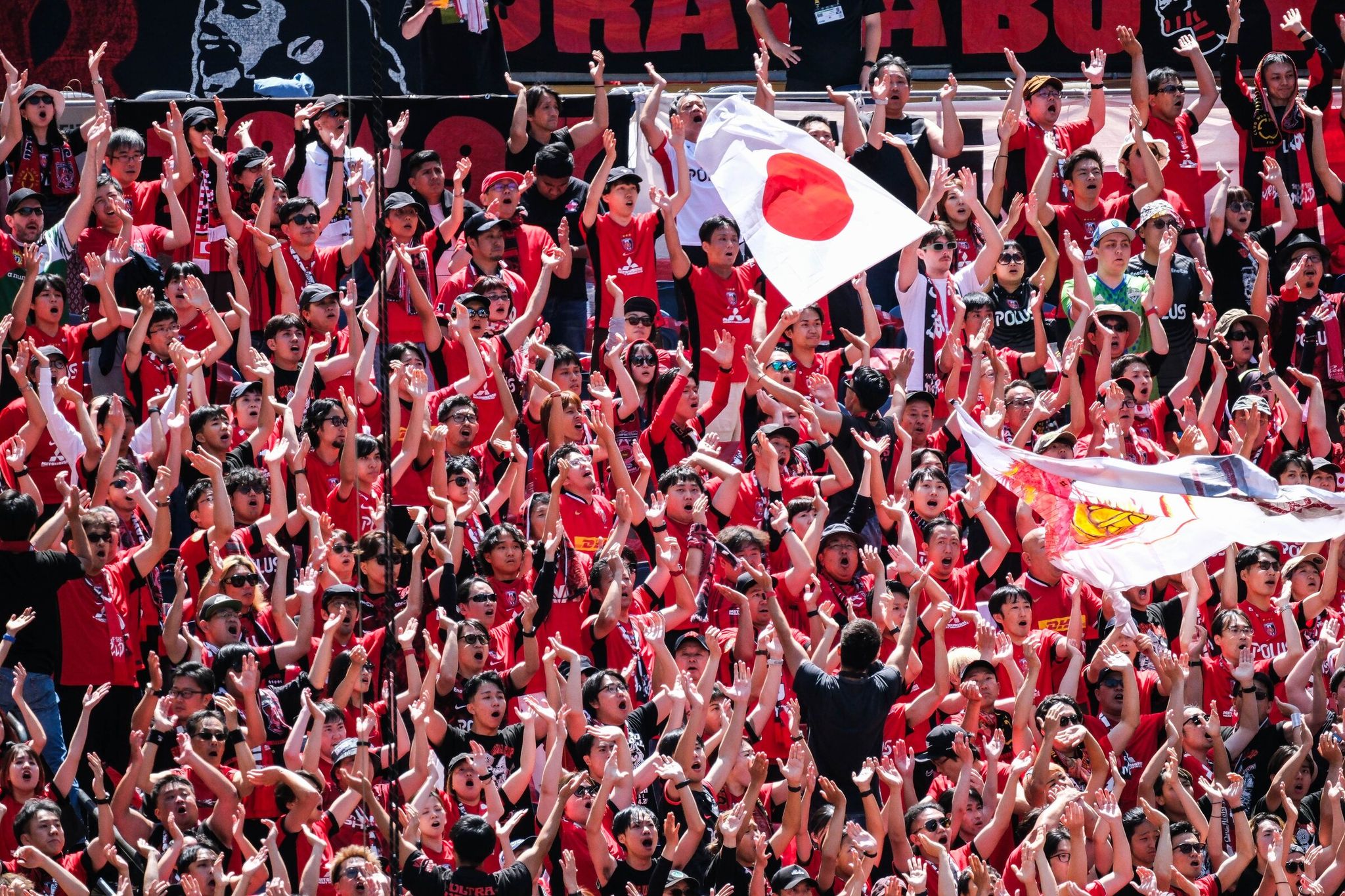
Seattle residents have a unique chance to boost their income by renting out their homes during the 2026 FIFA World Cup matches. About 150,000 fans are expected to arrive in the city, and hotels will be fully booked, creating huge demand for alternative accommodations. The city’s transit system, including the Link light rail, is already preparing for the influx: operator Sound Transit plans to increase train frequency and length, and introduce event schedules to ensure access to Lumen Field and the suburbs.
According to analytics platform AirDNA, demand for short-term rentals in Seattle will rise 55% on non-match days and a staggering 185% on match days. Airbnb is even offering a $750 bonus to those who list their entire home in a host city for the first time before the end of July.
Rental prices are surging. Some listings will cost twice as much as usual, especially on key match days, such as when the U.S. plays Australia on June 19. Homeowners are already feeling the buzz.
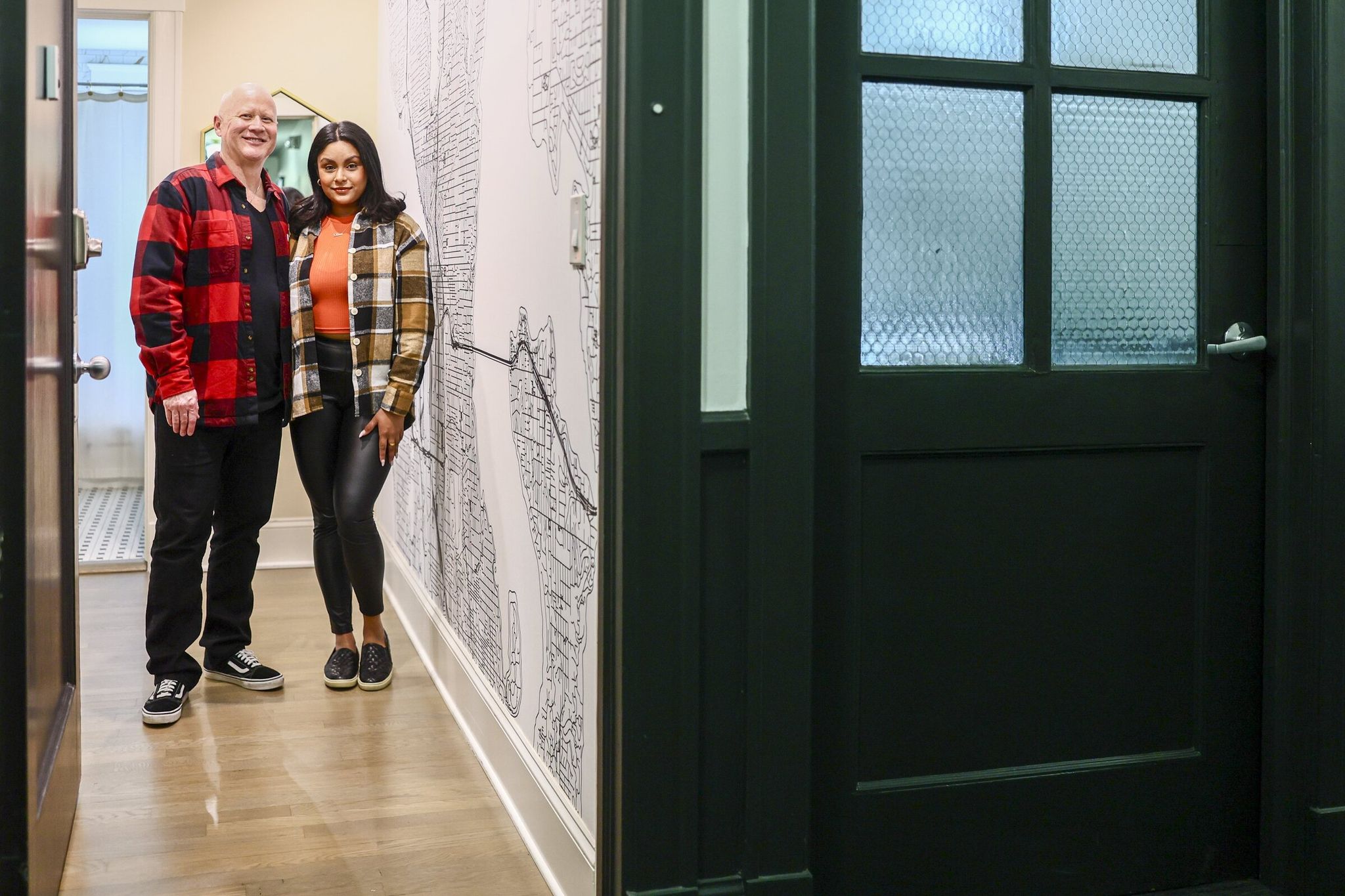
Christopher John, owner of a downtown Seattle condominium, fully booked his apartment within a week of FIFA releasing the schedule, even after raising the price by 30% to about $500 a night. He admits he could have asked for more given the uniqueness of the event.
Some offers are downright shocking. A homeowner in Lynnwood found that Airbnb recommended nearly $1,000 a night for her three-bedroom house. This isn’t an isolated case — some suburban listings are indeed priced that high, especially if they are near the multiuse Lumen Field, which hosts concerts and major festivals in addition to soccer, or if they have many bedrooms. Suburbs like Lynnwood or Shoreline, with their quieter, family-friendly atmosphere and relatively affordable housing, are also drawing interest, despite being more car-dependent compared with Seattle’s more developed public-transit network.
Reports of high prices are persuading even those who’ve never rented out their homes to try it. On social media, Seattle residents are actively offering their homes to fans, seeing an opportunity to go on vacation and come back with a profit.
Some are considering more modest options. For example, Shoreline resident Rachel Belfield plans to rent out a separate studio in her house for $250 a night to partially offset the cost of tickets she bought for the matches.
However, experts warn of potential risks such as theft, property damage, or problematic guests. Marcus Vaughn, co-founder of niche platform Rumbl Rentals — far less well-known than global giants like Airbnb and focused mostly on longer-term rentals — advises newcomers to lock valuables in a safe and create a “host’s closet.”
It’s also important to remember the law. In Seattle, renting out a property for less than 30 days requires two mandatory licenses: a business license ($50) and a short-term rental license ($75). Operating without a license can result in fines over $1,000. Similarly strict rules apply in other host cities, such as New York or Los Angeles, though specific regulations vary.
The legalization process, however, isn’t as complicated as it may seem. According to Beth Geppert of the city’s Department of Consumer Protection, which also handles business licensing and investigates complaints, the entire procedure can take as little as three business days, and her team is ready to help anyone confused about the requirements.
Thus, for responsible Seattle homeowners, the upcoming World Cup is a real and legal opportunity to earn significant additional income — provided they prepare for both the financial upside and possible pitfalls.


Based on: Seattle FIFA World Cup 2026: What it takes to rent your home on Airbnb