
In 2026, King County residents reported losing at least $12 million to various scams, including $4.6 million lost through schemes involving gold bars. The largest known case involved a 78-year-old Shoreline woman who lost about $3 million over five months after believing people who claimed to work for banks and government agencies.
It began not with gold, but with fear. One spring day, while sorting through old emails on her computer, the woman saw alarming warnings on her screen claiming that her accounts had been hacked. The messages urged her to call immediately at numbers presented as bank and tech support lines. The people on the other end were neither bank employees nor Apple specialists. Step by step, they turned a chance phone call into a lengthy operation to take nearly all her savings.
The scammers convinced the woman that her money had been compromised and that she was supposedly helping with a real investigation. First, they told her to withdraw funds and buy cryptocurrency, then gift cards, and finally gold bars. Gold proved an especially convenient tool: it is valuable, compact, requires no bank transfer and can be taken from a victim in a matter of minutes.
Couriers came to collect the bars. The woman said one handoff took place in a church parking lot, another behind a Verizon store. The courier showed her a password written on a dollar bill, and she had to say it to the person who remained on the line. Afterward, she received fake documents and receipts claiming that the gold was being held securely by the government and was even earning a return.
The most important part of the scheme was not the technology, but the isolation. The woman was told not to tell anyone—not friends, relatives or bank employees. She kept silent for months, fearing for her loved ones, though she said she was never directly threatened. Only when one of the callers unexpectedly gave her permission to speak with a friend did she call an acquaintance and almost immediately hear the advice she should have received much sooner: contact the police.
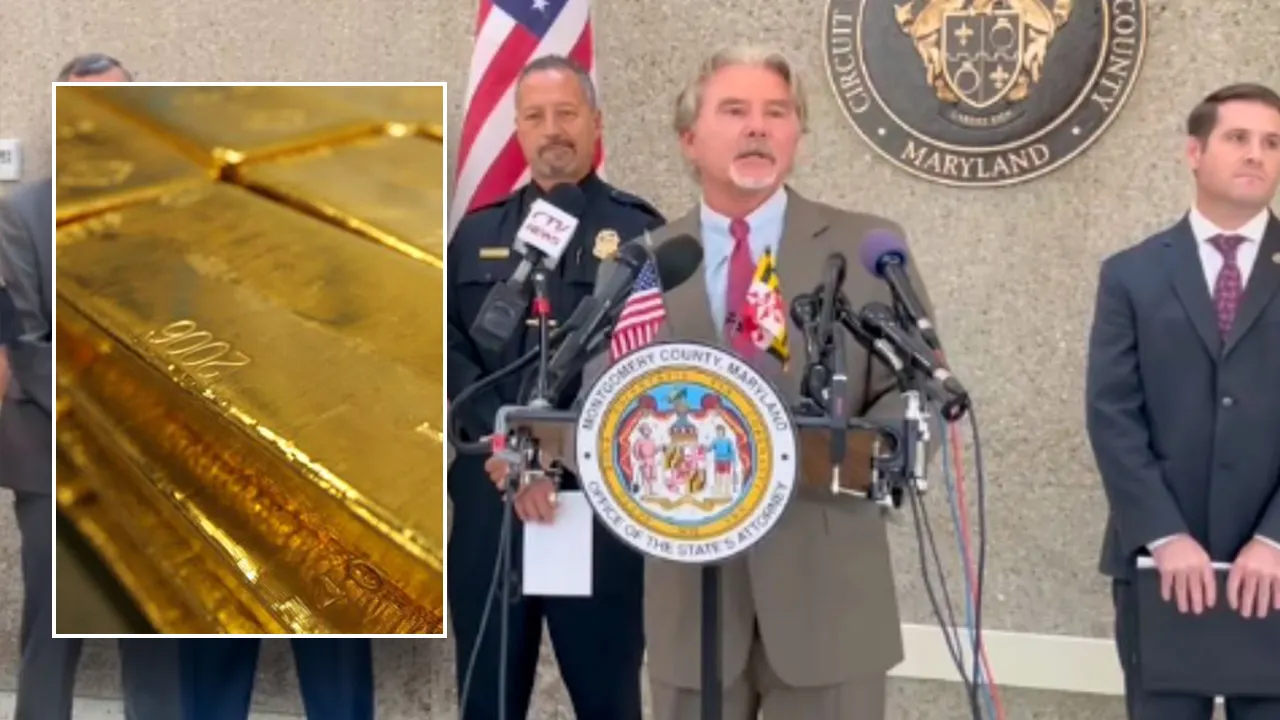
At a Nov. 5 briefing, officials from the King County Sheriff’s Office, the FBI and the prosecutor’s office stressed that these crimes often target older people and those for whom English is not their first language. More than 300 scam reports have already been filed in the county, and schemes involving gold bars account for a significant share of the total losses. Investigators believe the organizers often operate from overseas, using local couriers to collect cash, gold and other valuables.
King County Prosecutor Leesa Manion called demands for secrecy one of the main warning signs. Equally alarming are demands to act immediately, liquidate savings, or buy cryptocurrency, gift cards or precious metals. Government agencies, police, the FBI, tax authorities and banks do not ask people to hand gold to a courier to “protect” an account or help with an investigation.
Money lost to these schemes is difficult to recover: gold is quickly resold, and the organizers may be outside the United States. But law enforcement urges victims to report what happened, even when the shame feels overwhelming. For the woman from Shoreline, telling her story publicly was an attempt to take away at least one last thing from the scammers: their ability to make victims stay silent.


Based on: King County residents scammed out of $4.6 million in gold bar schemes