
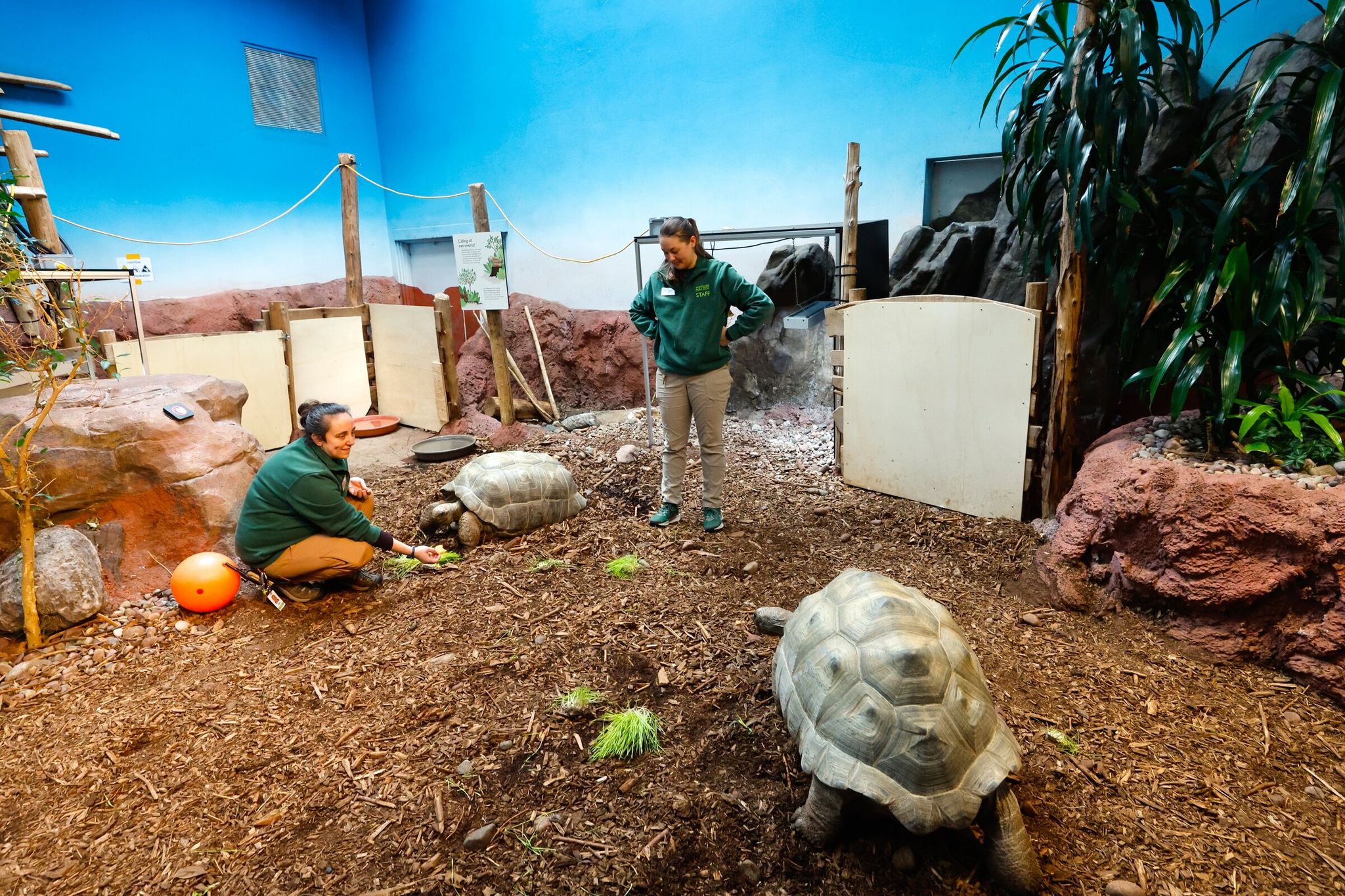
Two giant Aldabra tortoises, Mary and Eliza, are beginning a new life at Woodland Park Zoo in Seattle, one of the oldest and most respected zoos on the U.S. West Coast, founded in 1899. It is known for innovative naturalistic exhibits and active programs in endangered species conservation, research and education. The tortoises moved from the closing private Reptile Zoo in Monroe, about 25 miles northeast of downtown Seattle, which will cease operations on Feb. 16. Their arrival marks the end of an era for both the animals and their former owner.
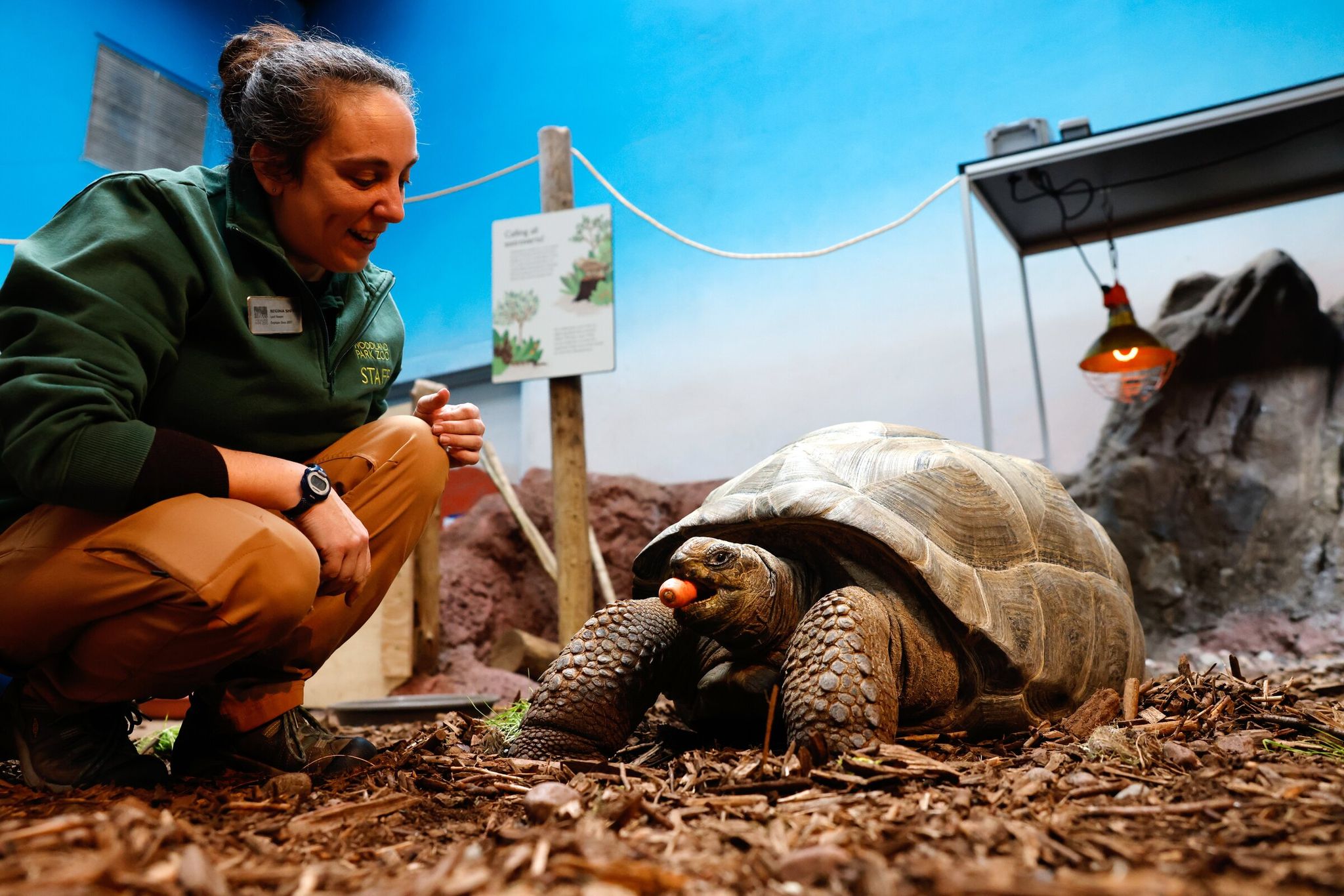
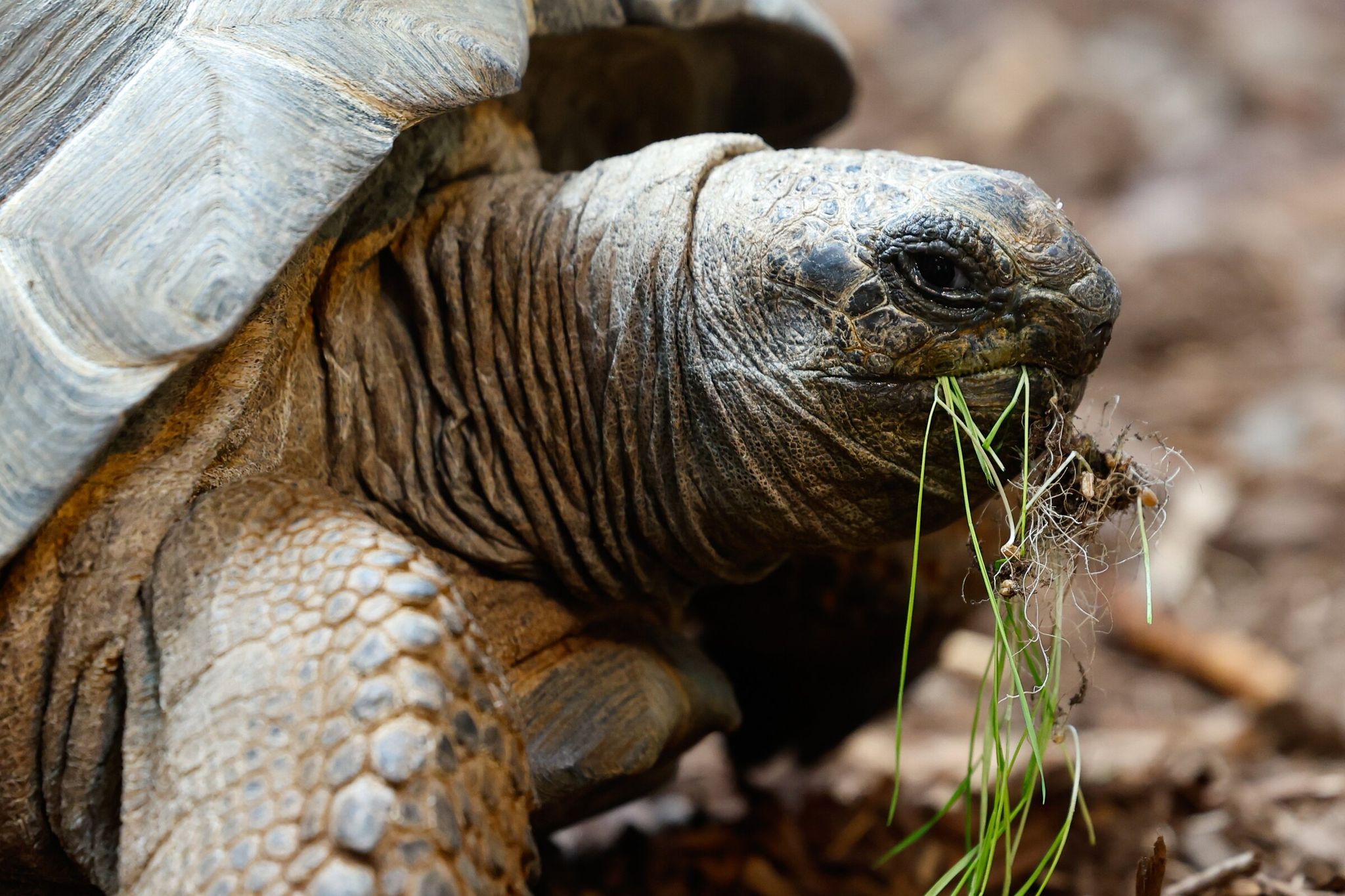
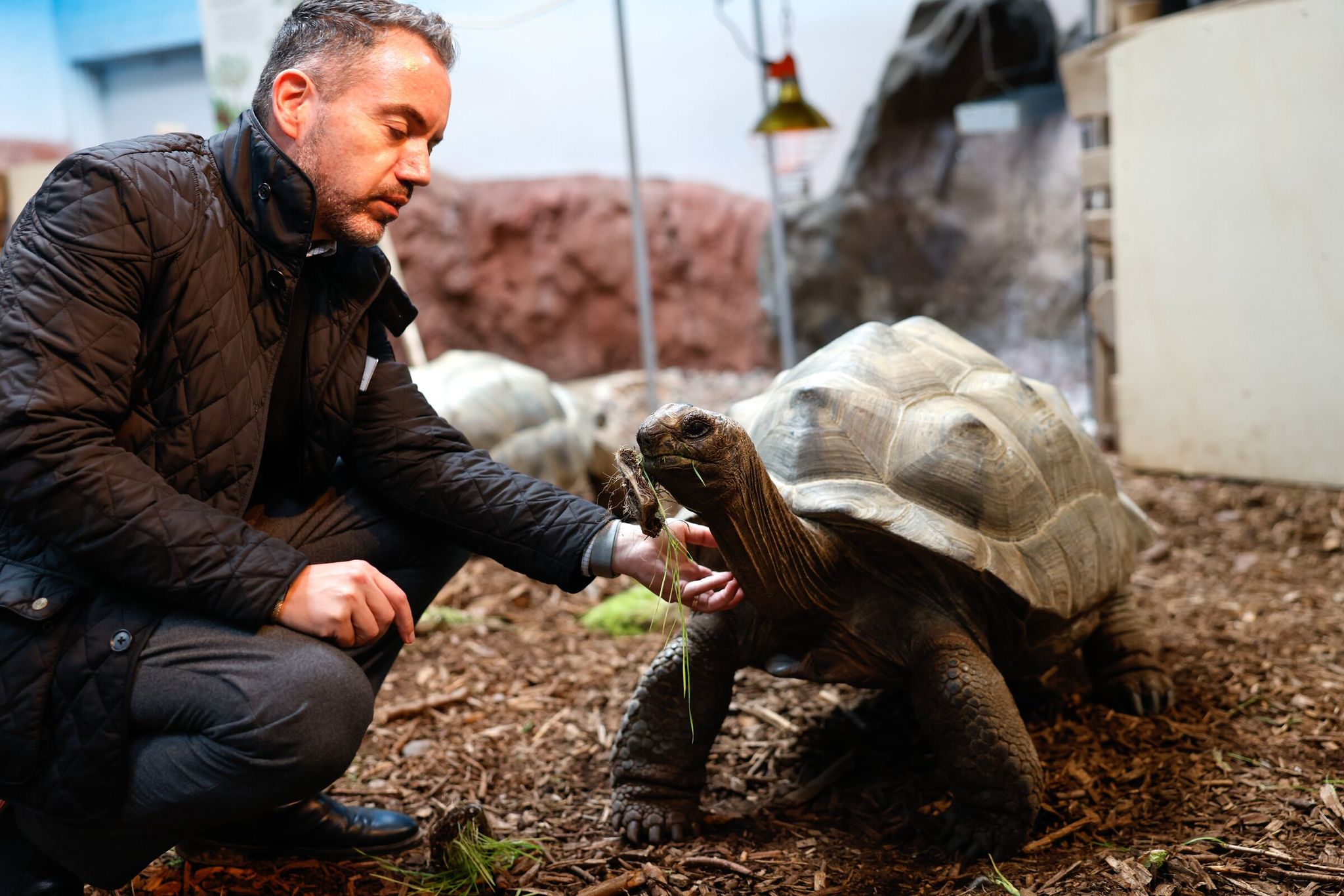
The tortoises are about 15 and 23 years old and weigh 200 and 258 pounds, respectively. After a three-month quarantine they are now in a temporary enclosure. Zoo visitors should be able to see the reptiles for the first time in May or June, and in the future may even be able to feed and pet them. Mary and Eliza will be central figures in a new interactive space.
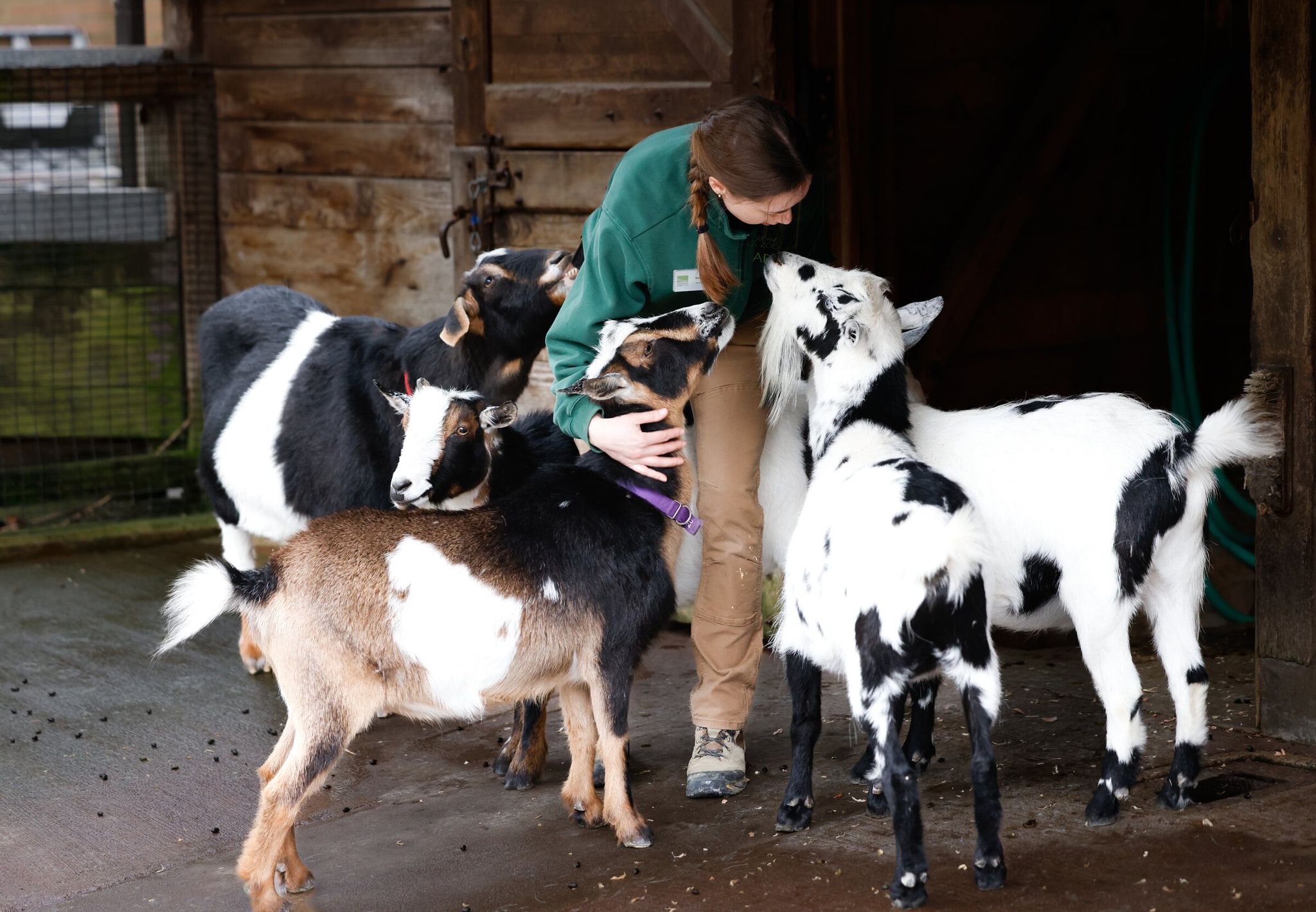
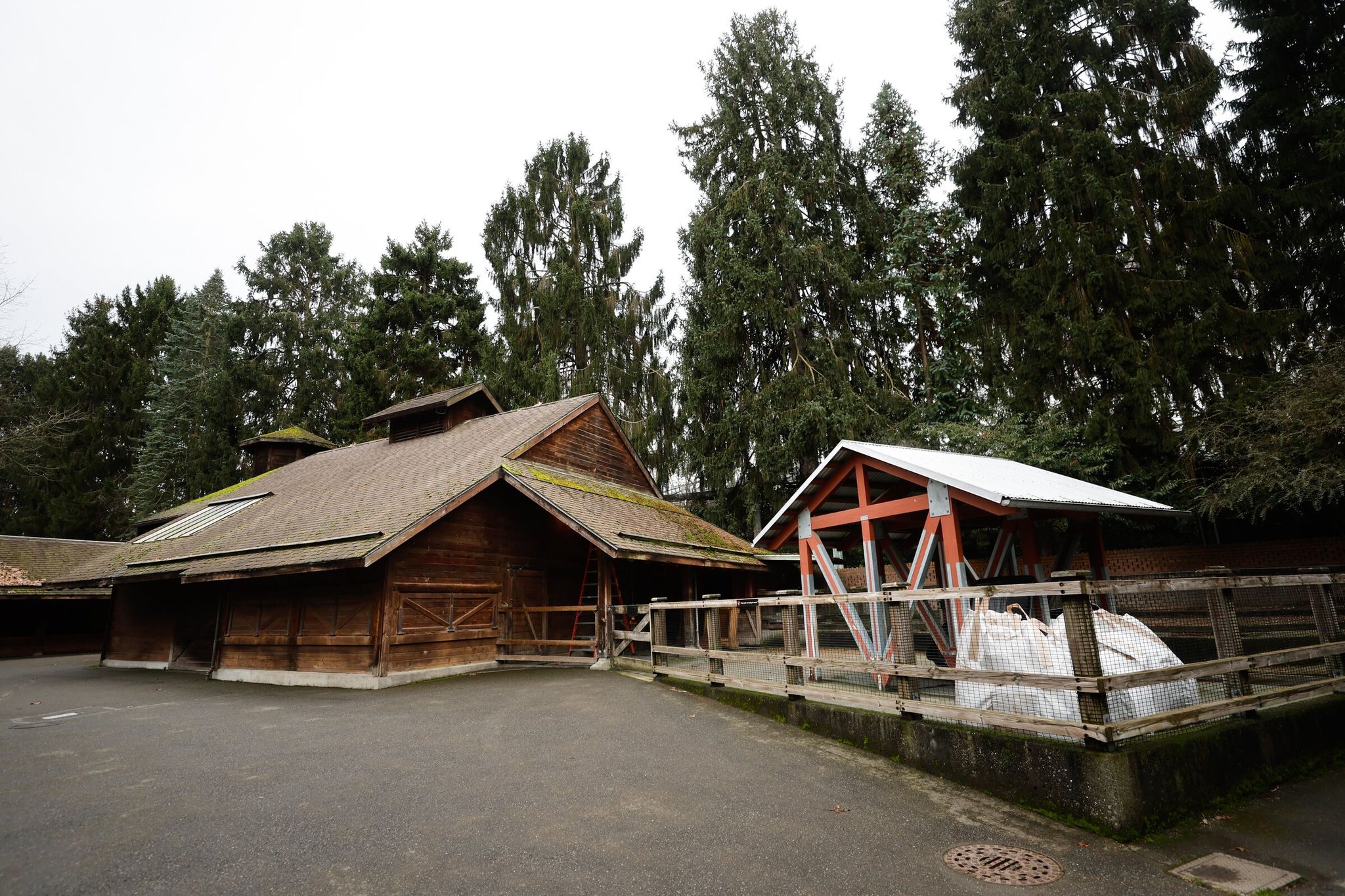
The space, called "Wild Encounters," is being created on the site of the zoo’s former Family Farm, a popular hands-on exhibit where visitors could get close to domestic animals. The decision to replace it was made as part of an overall modernization and reimagining of the zoo’s educational space in line with its strategic goals. The new area is intended for visitors of all ages and will include an aviary with lorikeet parrots that can be fed. The project aims to foster empathy for animals through close contact, which is especially important for often-underappreciated reptiles.
Transferring the tortoises to a large public zoo was a strategic decision given their incredible longevity. Female Aldabra tortoises can live more than 100 years, sometimes reaching 150. To ensure they receive stable, qualified care for their lifetimes, longtime Woodland Park Zoo donors — private individuals, families and foundations whose funding is critical to making such initiatives possible — purchased them from the former owner for $55,000.
The previous owner, Isaac Petersen, bought the tortoises three years ago for $33,000. He rescued them from unsuitable conditions: one was kept at a livestock facility, the other by a private owner in San Diego in a cramped pen with no outdoor access. Petersen initially named them after dinosaurs from the animated movie The Land Before Time.
The decision to close the Reptile Zoo after 30 years was difficult for Petersen. Despite a temporary uptick in interest in the fall, the business suffered from low attendance and high costs for supplies and animal care. "It's sad. It was my dream," he said. "But it's the right decision for my family."
Petersen is finding new homes for roughly 130 reptiles from the closing zoo. About 35 animals, including an albino alligator, will go to the namesake zoo in California; about 10 more will go to Cougar Mountain Zoo in Issaquah, a city about 12 miles east of Seattle, which — like Monroe — is part of the regional network of conservation institutions. Most of the reptiles will go to new private owners in the state, whom Petersen is carefully vetting for experience and suitable conditions.
Petersen has not yet visited the tortoises in their new home, not wanting to interfere with their adjustment. He is also considering transferring his Monroe facility to another private zoo specializing in mammals and birds, which could open as early as March.
When Mary and Eliza settle in permanently, they will live in a spacious two-level enclosure of nearly 1,600 square feet, created on the site of the former donkey pen. They will have mud wallows, heat lamps, soft substrate and, of course, many awestruck children amazed by their prehistoric appearance.
Based on: Woodland Park Zoo gets giant tortoises from soon-to-close Reptile Zoo