
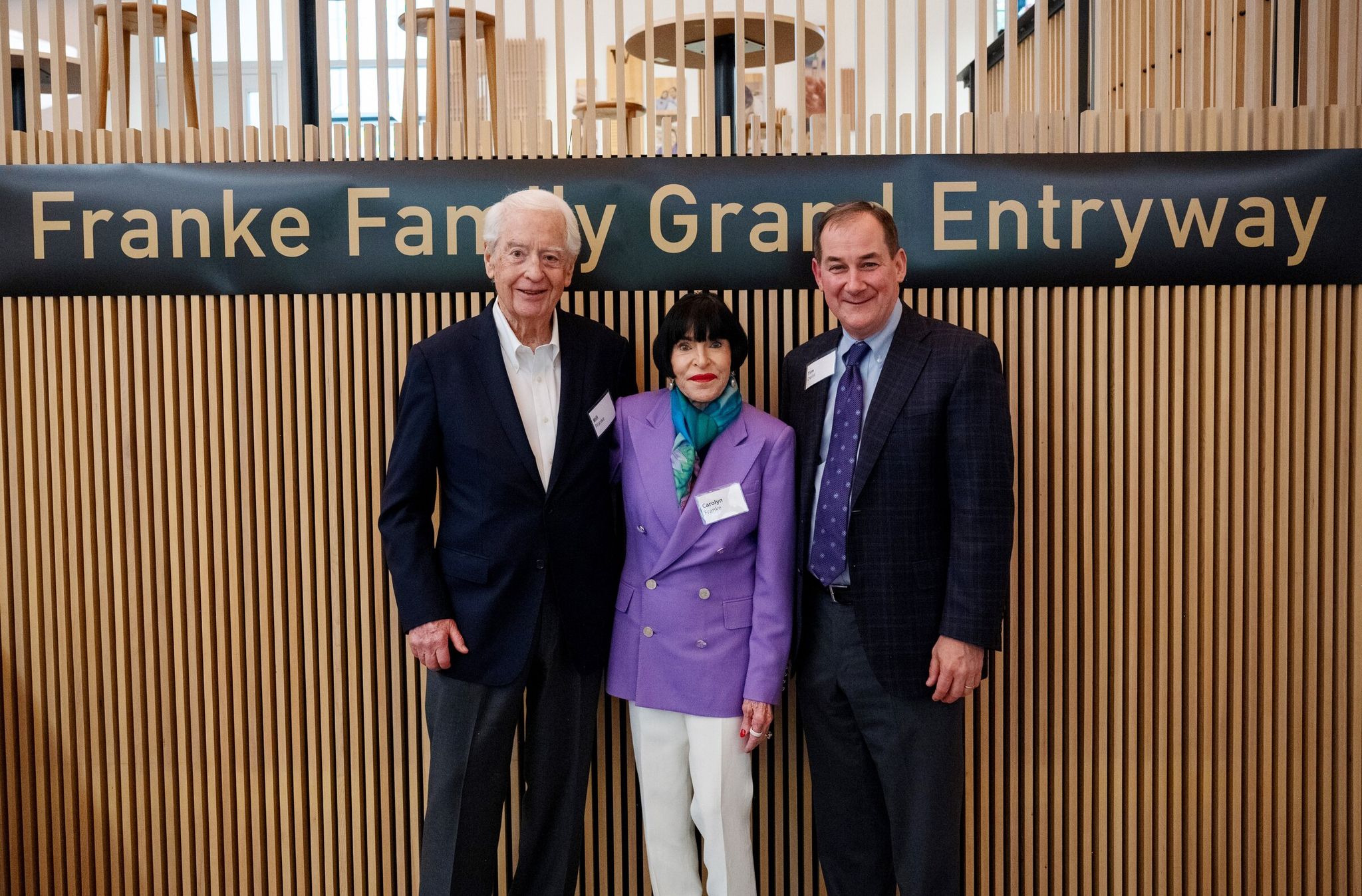
The University of Washington School of Medicine received a historic $25 million donation from philanthropists Bill and Caroline Franke and their family. The funds will support students who aspire to practice medicine in rural communities and Native American reservations. As dean Dr. Tim Dellit noted, this is the largest gift in the institution’s history specifically designated for training future physicians.
The bulk of the funds — $20.5 million — will cover half the tuition for 30 medical students in the school’s unique WWAMI region program — a regional partnership that includes Washington, Wyoming, Alaska, Montana and Idaho. The model was created specifically to address disparities in access to medical education and workforce between urban Seattle and the region’s vast rural areas. Students receive part of their education in their home states and then return there for clinical practice, increasing the likelihood that physicians will stay to work in those regions. Scholarships will be awarded to those who demonstrate financial need and commit to working in rural areas or in Native American communities. Preference will be given to students from low-income backgrounds and to those who are the first in their family to attend college.
Rural areas and Native American reservations in the Pacific Northwest face a triple barrier in attracting medical personnel. Geographic isolation means it often takes hours by car to reach hospitals and clinics, which deters physicians accustomed to urban infrastructure. Financial constraints at rural hospitals limit their ability to offer competitive salaries. In addition, working in reservations requires understanding traditional healing practices and building community trust, and clinicians from other regions often experience cultural shock and leave. The situation is worsened by chronic underfunding of the federal Indian Health Service.
The Franke family knows the challenges of rural medicine from personal experience. Bill Franke, an aviation investor, grew up in rural Texas and now spends part of the year in Montana. “We see firsthand that the shortage of physicians in remote areas remains acute,” Franke said. “And we decided to do our part to help address it.” Dave Franke, president of the family company, added that the scholarship should show students: “If you have a dream of becoming a doctor but it seems impossible — it is possible.”
UW’s educational program is unique in that since the 1970s it has allowed students to complete clinical training across the WWAMI states. The system was created to combat rural physician shortages, and, according to Dean Dellit, that problem remains relevant today. A separate $4.5 million will go toward recruiting and retaining students, including holding an annual medical education summit.
School leaders hope the Franke gift will amplify existing successes: statistics show that 60–65% of UW graduates return to work in the WWAMI region. “This donation will affect not only our students but, we truly believe, improve the health of the entire region by supporting future generations of physicians,” Dr. Dellit emphasized. After the pandemic and amid an ongoing workforce shortage, such support is especially valuable for the Northwest’s remote communities.
Based on: UW School of Medicine gifted $25 million for rural health scholarship