
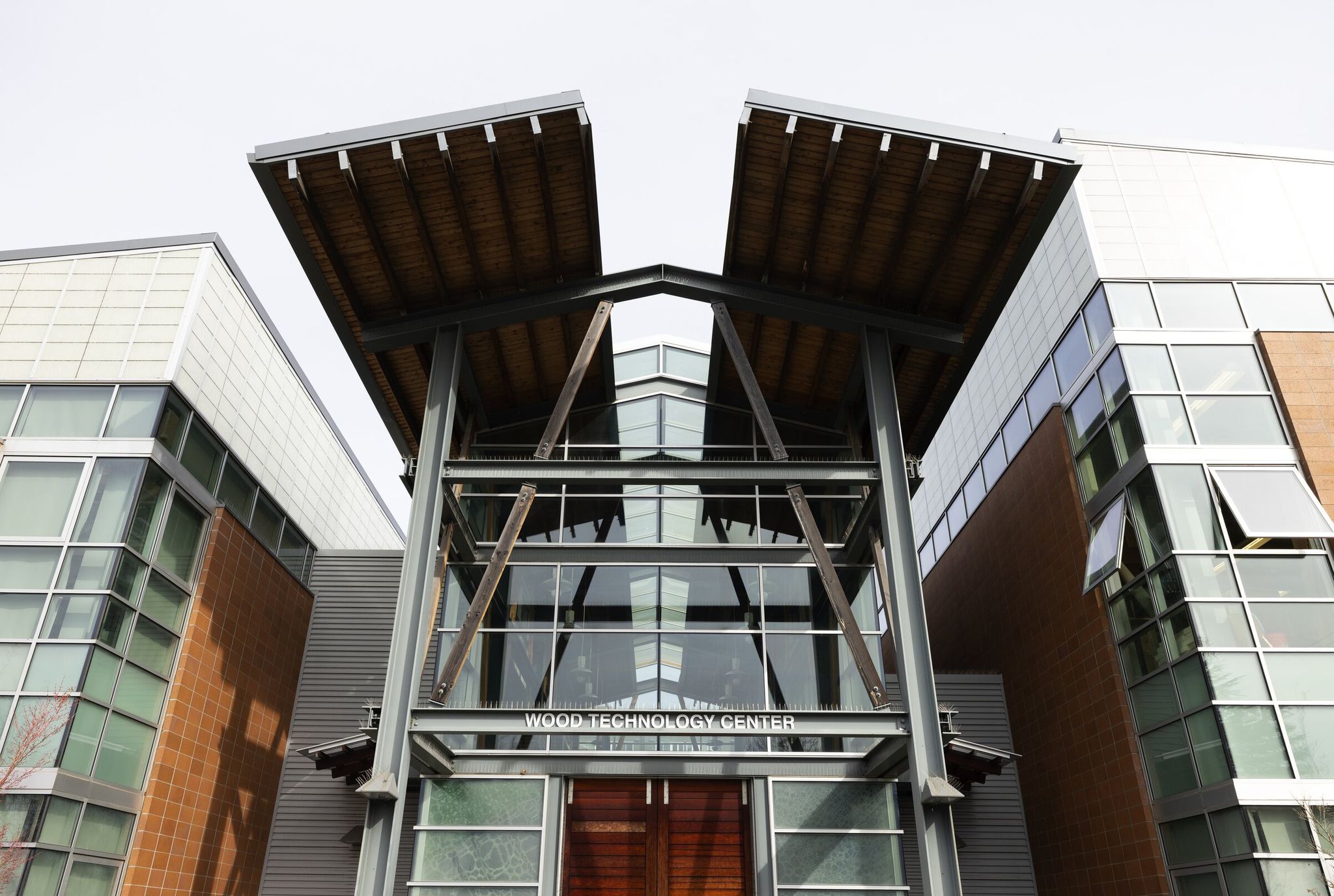
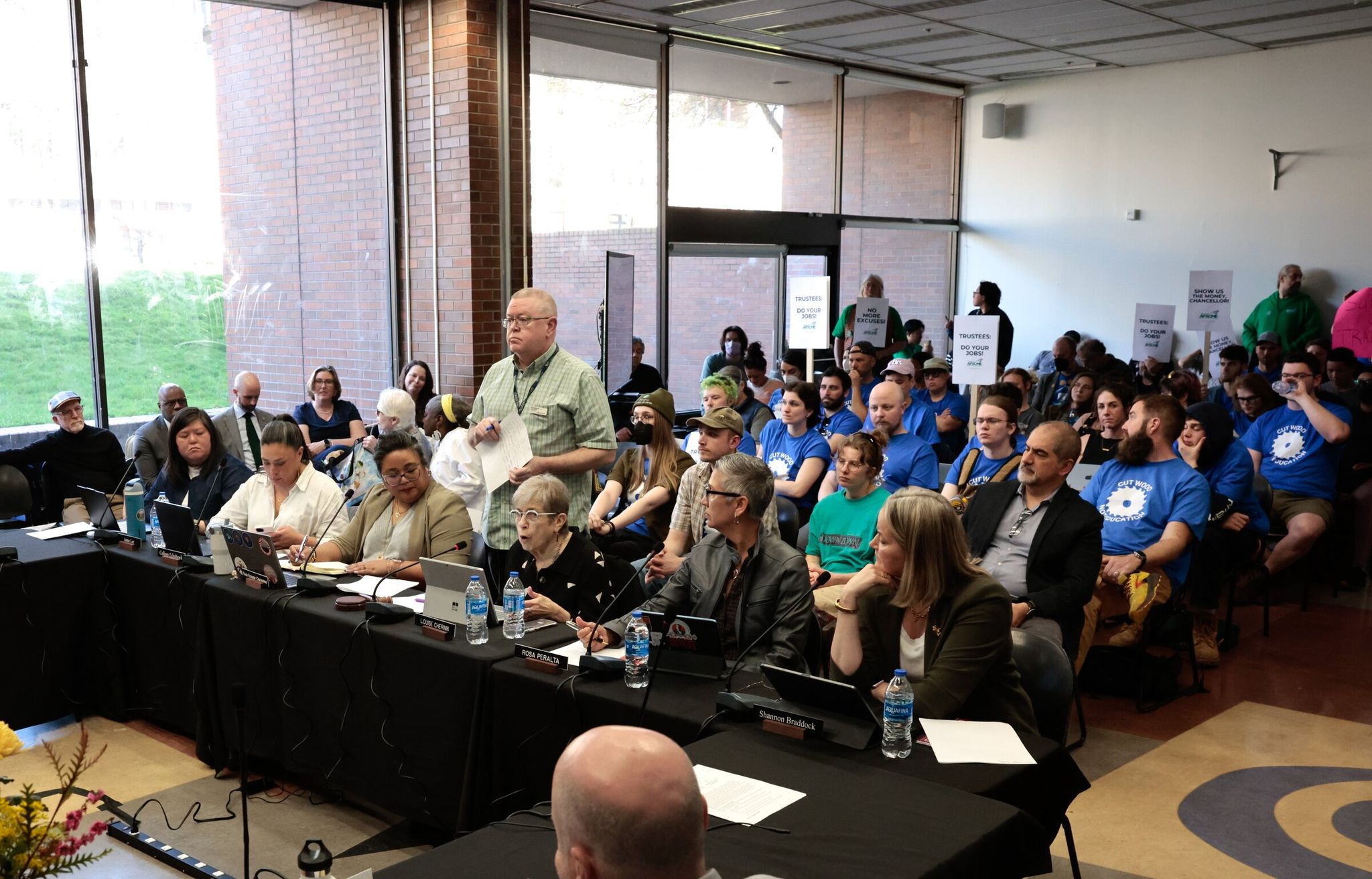
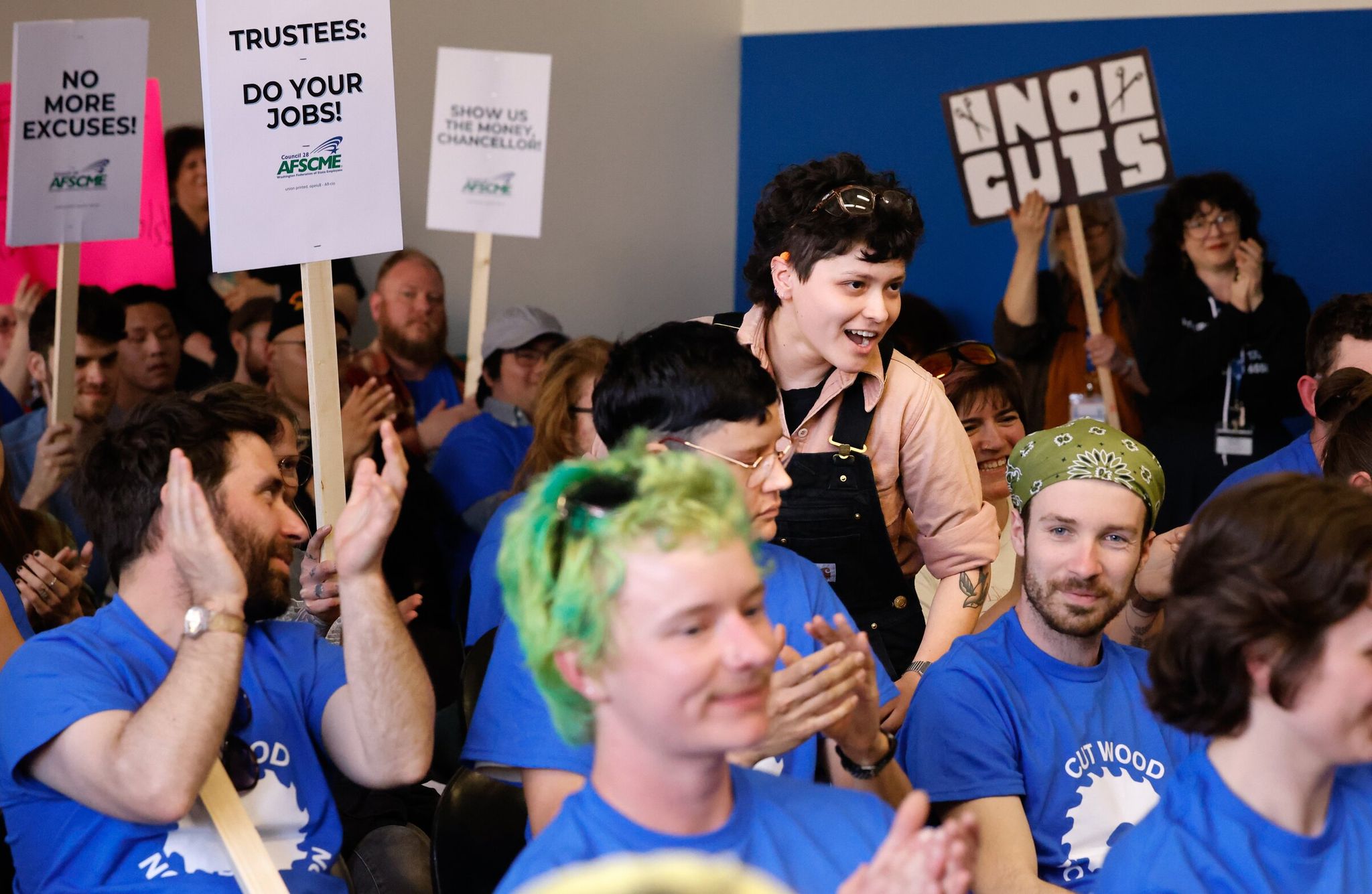
Students and faculty on Thursday demanded clarity from the Seattle Colleges district leadership about the fate of the Wood Technology Center — a unique Seattle Central College program that trains carpenters, builders and shipwrights in a purpose-built facility. So many opponents of a possible sale packed the board meeting, which sets policy for the system that includes Central, North and South Seattle campuses, that only standing room remained in the chamber.
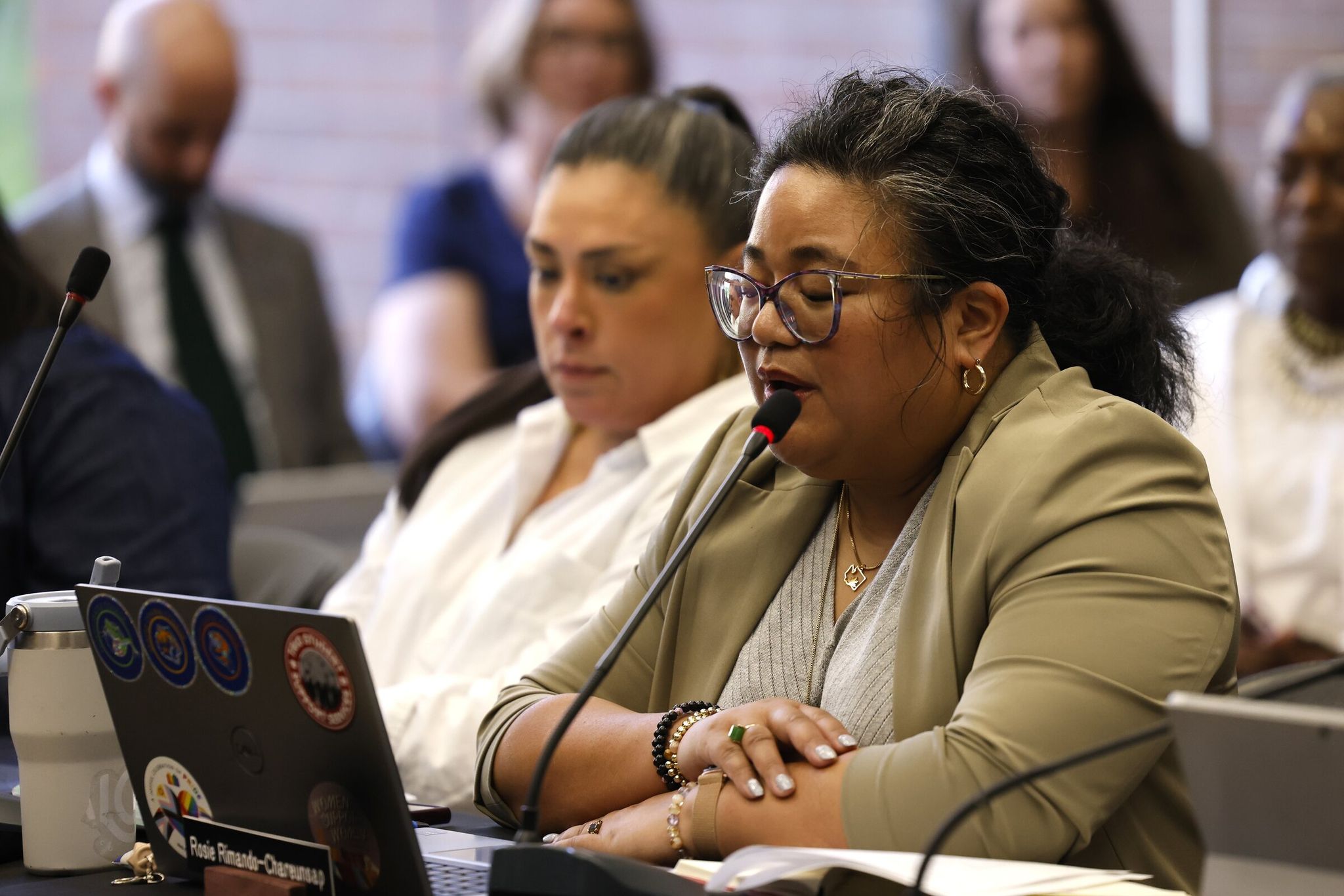
The consideration of selling the valuable property stems from a severe budget deficit facing the entire district. Like many similar institutions across Washington state, the colleges are suffering from declines in state funding even as enrollment grows. Chancellor Rosie Rimando‑Chareunsap, the system’s chief executive, described selling the building as a long-term cost‑saving strategy.
The Wood Technology Center, located in the Ballard/Interbay industrial area, has for decades been one of the few programs in the region offering comprehensive training that combines traditional woodworking skills with modern technology. Its uniqueness and regional value stem from directly responding to the needs of a local economy historically tied to maritime industries, forestry and a construction boom. Graduates of the center — especially sought after in shipbuilding and repair, marine structure construction and specialized wood construction — find work at numerous nearby shipyards, construction firms and woodworking businesses located just minutes away. Demand for the program consistently exceeds available slots. Seattle Colleges spokesperson Barb Childs emphasized that these programs are vital to local industry, and training for maritime trades in Seattle will not cease.
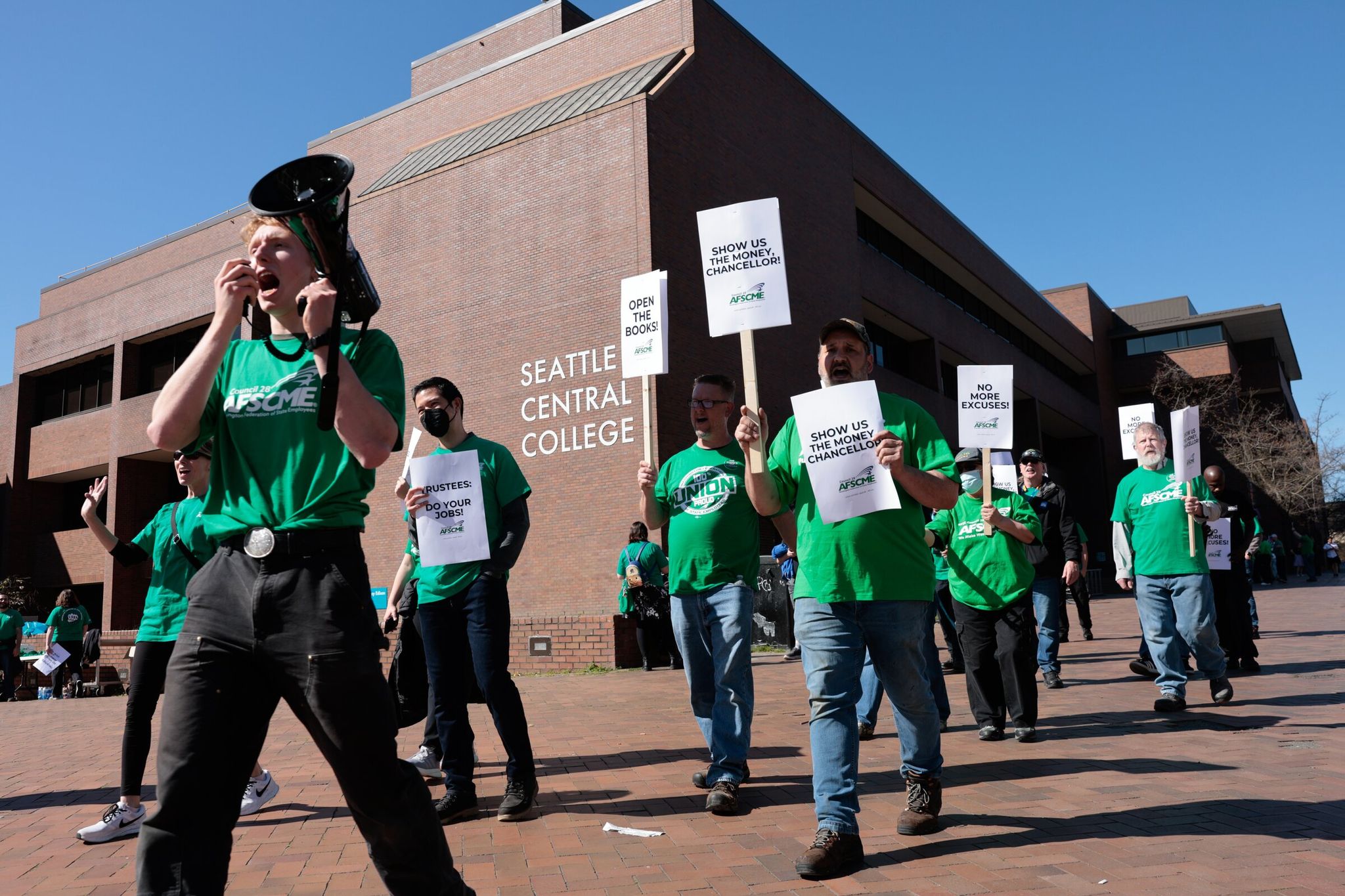
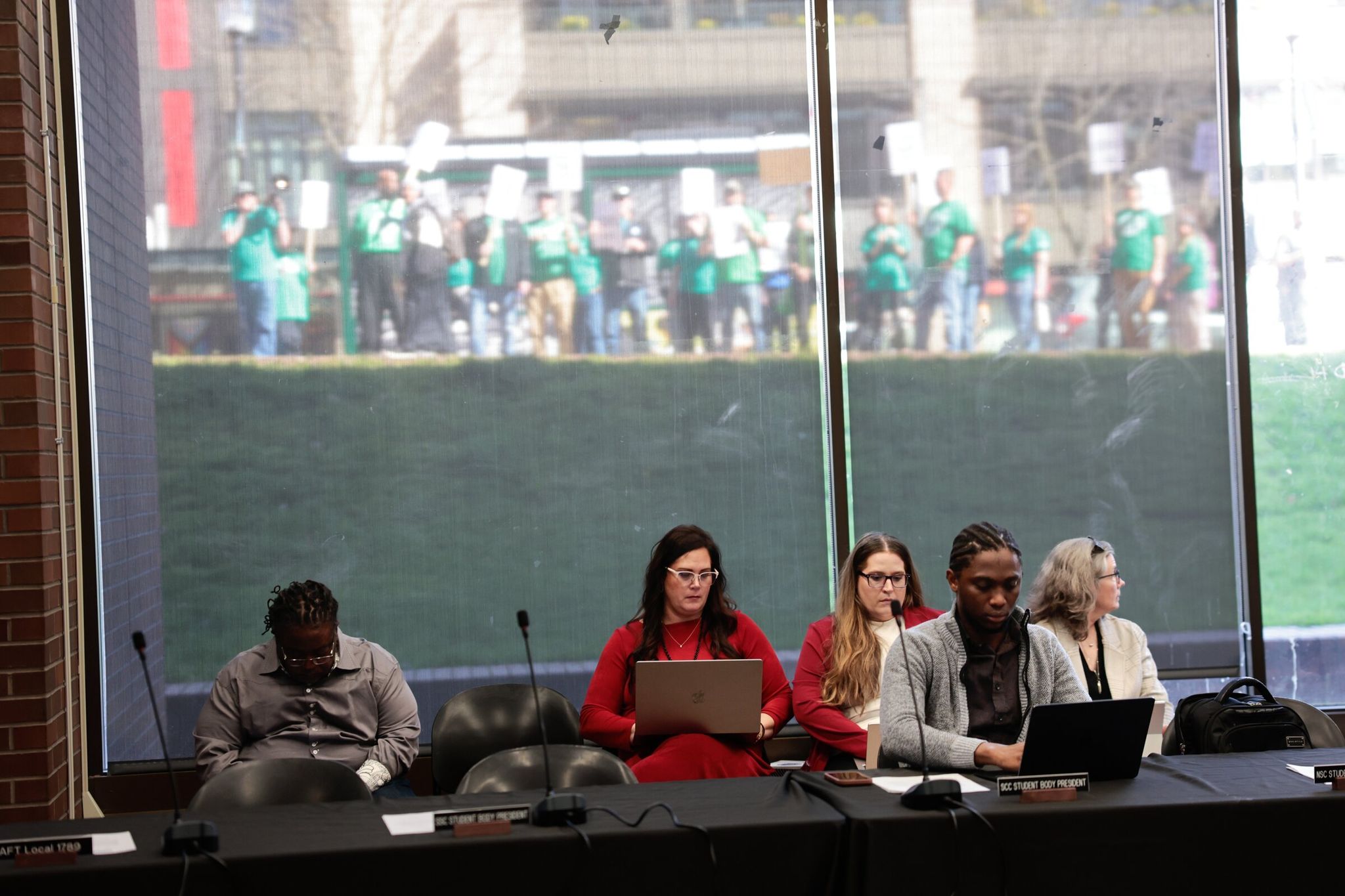
News of a possible sale, which leaked late last month, sparked alarm and protests, especially because this is already the second attempt to shutter the program in three years. At the public hearing many speakers called the idea of selling the building short‑sighted, saying it would strip the city of a critical pathway into skilled trades. Outside the building, college employees picketed, demanding financial transparency.
College leaders have tried to reassure the community, saying the program will not be shuttered even if the building is sold. Rimando‑Chareunsap said fall 2026 enrollment is open and all current students will be able to complete their programs. But she acknowledged that any decision to sell public property is a multi‑year, multi‑step process. It would require approvals from several entities, including the State Board for Community and Technical Colleges (SBCTC), and possibly the state legislature, with involvement from the attorney general’s office and the department of finance — meaning appraisal, public hearings and multi‑layered bureaucratic sign‑offs.
The budget crisis is not unique to Seattle. Many community colleges across the state have had to take tough measures: Shoreline College instituted a hiring freeze, Green River College fired its president amid a deficit, and Walla Walla Community College is considering mass layoffs. These are the result of cumulative budget problems that began during the pandemic.
Students and alumni are demanding a clear financial rationale from the administration. Student government president Lizbeth Chaydes said decisions should be made based on the full picture and accurate numbers, not by shifting blame onto previous leadership as, speakers said, is occurring now.
Thus, while immediate program closure is not planned, the future of the Wood Technology Center and its specialized building remains in question. The underlying problem — chronic underfunding of community colleges — has not gone away, and it is unclear how the district plans to address it in the long term.

Based on: Students urge Seattle Colleges to keep carpentry program building