In Seattle, gasoline prices have surged sharply due to tensions in the Middle East, and the NBA may vote on bringing the SuperSonics back to the city.
Seattle gas prices surge to $5 a gallon amid Middle East escalation
Residents of Seattle and the entire state of Washington are facing a sharp spike in fuel prices that is hitting consumers’ wallets and adding strain to the economy. The average price per gallon of gasoline in the city has now crossed the psychologically significant $5 mark, reaching $5.06. This is not merely a seasonal uptick — over the past week the price jumped by more than 28 cents, and compared with last month the increase is already 75 cents. That pace far outstrips national numbers, where the weekly average rose by 23.2 cents to $3.68 per gallon, according to data from analytics firm GasBuddy, which analyzed more than 11 million weekly reports from 150,000 stations.
Experts link this spike directly to the worsening geopolitical situation in the Middle East, which has disrupted key logistics chains. In particular, as noted in a previous KOMO piece, the conflict has reduced tanker traffic through the Strait of Hormuz — a critical artery for global oil shipments. Patrick De Haan, head of petroleum analysis at GasBuddy, explains that "until significant flows of oil through the Strait of Hormuz resume, pressure for higher fuel prices will likely persist." He also points to an additional factor — the seasonal switch to summer-grade gasoline, which creates a "double headwind" that could push pump prices even higher in the coming weeks.
The numbers speak for themselves. Price variation within Seattle is wide: yesterday the cheapest station offered a gallon for $4.25, while the most expensive charged $6.09. Across Washington state the picture is similar: the gap between the low ($3.69) and high ($6.09) reaches $2.40 per gallon. Neighboring cities have been affected as well: in Tacoma the average price was $4.87 (up 32.7 cents for the week), and in Yakima it was $4.51. Diesel price dynamics are also cause for concern: the national average for diesel rose by 34 cents over the week and approached the $5-per-gallon mark ($4.951).
Historical context from GasBuddy shows that the current Seattle price level is among the highest in recent years. On March 16, 2025, the average was $4.22; a year earlier it was $4.46; and at the height of the inflation surge in 2022 it was $4.91. The current $5.06 is well above those figures. The consequences of such a rise go far beyond filling up. Analysts warn that higher fuel prices inevitably raise transportation costs, which can soon be reflected in the prices of almost all goods — from groceries to household items — increasing overall inflationary pressure. For ordinary residents this means higher commuting costs, greater delivery and service charges, and ultimately reduced purchasing power, posing a serious strain on household budgets in an already difficult economic environment.
Return of a legend: NBA schedules vote on expansion for Seattle and Las Vegas
For fans of the legendary Seattle SuperSonics, this is a day they have waited 18 long years for. According to an exclusive report by Shams Charania, ESPN’s respected insider, the National Basketball Association plans to hold a key vote at its Board of Governors meeting on March 24–25. The goal is to officially begin exploring the possibility of adding new teams, with a targeted focus on Seattle and Las Vegas. If the process proceeds as planned, new clubs could begin play as early as the 2028–29 season.
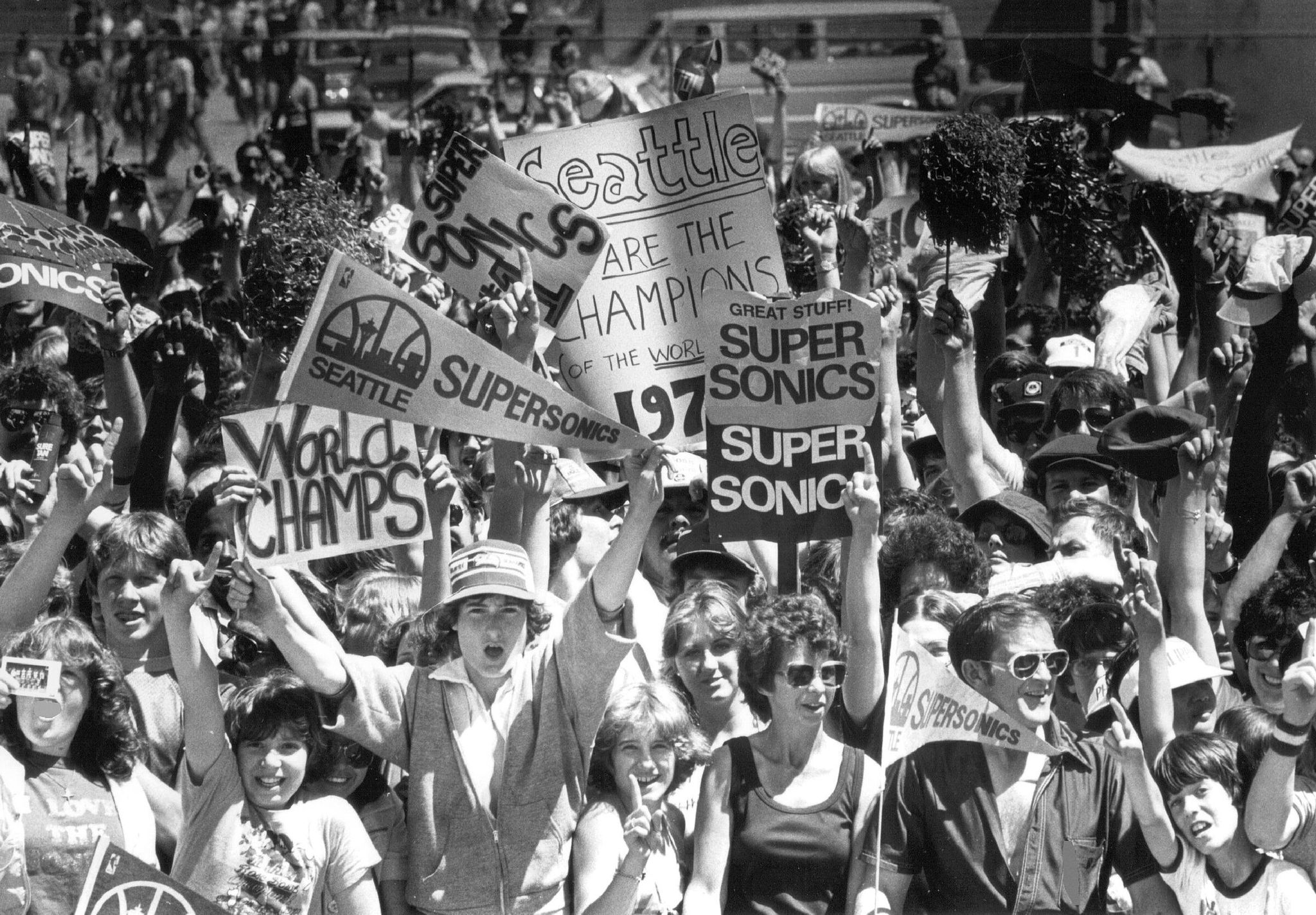
Charania reports in his ESPN piece that support among current team owners for expansion specifically in those two cities is growing. Their market appeal, along with a new, more balanced collective bargaining agreement with players, has created, in the insider’s words, "a lively market for franchise purchases." For Seattle, this is a chance to reclaim top-tier basketball it lost in 2008, when the team — purchased from former owner Howard Schultz — relocated to Oklahoma City and became the Oklahoma City Thunder. Since then the city took a major step by opening Climate Pledge Arena in 2022 on the site of the old KeyArena. That modern arena, already home to the NHL’s Seattle Kraken, was originally built with the hope of an NBA return. The SuperSonics’ history is an integral part of Seattle’s sports identity: that team brought the city its first major professional title by beating the Washington Bullets in the 1979 NBA Finals.
The March vote would be the first formal step toward expanding the league to 32 teams. It would allow the league to focus on Seattle and Las Vegas and start a competitive process for prospective owners. A final vote would follow later this year. Approval at each stage requires the backing of 23 of the 30 governors (team owners). The fact that expansion is on the agenda is not a surprise. Commissioner Adam Silver has repeatedly said a decision to add one or two new franchises would be made by the end of 2026. "It’s no secret we’re looking at the Vegas market. We’re looking at Seattle," Silver said in December while in Las Vegas for the NBA Finals. He emphasized the league does not want to raise false hopes, acknowledging the conversations have been ongoing for a long time.
One of the thorniest questions remains the size of the expansion fee for a new franchise. It is expected to be in the billions, with some in the league believing the price could exceed $6 billion. That is understandable given the current valuations of existing clubs and the league’s rising revenues. Beyond the financial side, the league is carefully assessing the sporting impact of expansion. Owners, as Silver noted last July, want a "deep analysis" of how adding teams would affect dilution of playing talent across the league, as well as the pros and cons of selling a share of the league to new partners. If both Seattle and Las Vegas receive teams, to maintain balance one current Western Conference team would likely need to move to the East in order to form two conferences of 16 clubs each. Geographically, the most logical candidates for such a move are the Minnesota Timberwolves, Memphis Grizzlies, and New Orleans Pelicans. The return of the SuperSonics would be more than a nostalgic gesture; it would be a major business event capable of reshaping the league’s map and injecting new life into Pacific Northwest basketball history.
Basketball’s return to Seattle: a key step on the horizon
A development is brewing in professional basketball that could bring Seattle its legendary team back. According to the latest reports, NBA leadership is preparing for an important vote that could open the door to official league expansion and the return of the SuperSonics two decades after they left.
ESPN reports that NBA team owners could vote next week to begin the official expansion process, specifically targeting Seattle and Las Vegas. This Board of Governors meeting would be a pivotal moment because it would open the negotiating window and could potentially lead to final approval of two new franchises later this year. As The Seattle Times notes, this would be the most significant move to bring a team back to the city since the failed Sacramento Kings relocation attempt in 2013.
Commissioner Adam Silver has previously said that expansion will be actively discussed at the upcoming meeting, though a direct vote to award franchises is not expected. The goal, he said, is to "go to market" and identify investor groups interested in creating new teams. However, owners’ permission to take the next step — the start of a negotiation or competitive process with potential owners — is a critical procedural milestone.
Insiders have noted that momentum on this issue has accelerated in recent weeks, and a Seattle franchise has become more likely. Additional attention came from a virtual meeting between Washington Governor Bob Ferguson and Adam Silver in early February. Public documents show Ferguson contacted the owners of the Seattle Kraken about a potential NBA return. The documents also indicated that a new state tax — the so-called "millionaires tax," awaiting the governor’s signature — could create challenges for "attracting top players," and that building a practice facility might require "state assistance."
The ESPN report sheds light on details that had previously been only rumored. It indicates that new teams could begin play in 2028–29 and that the expansion fee might range from $7 billion to $10 billion. That figure far exceeds expectations from a few years ago when expansion rumors first surfaced. The range reflects rising NBA club valuations: in the past year the Boston Celtics were valued at more than $6 billion in a sale, and the Los Angeles Lakers were valued at $10 billion. But such high sums raise questions about where the money would come from, especially since the NFL’s Seattle Seahawks are also in the middle of a sale that could command a comparable price.
Launching new franchises in 2028–29 would be symbolic: it would occur exactly 20 years after the SuperSonics’ relocation to Oklahoma. Bringing the team back to Seattle would be both a sporting and emotional event for a city that still cherishes its basketball history.