
Tarek Salaway, the former CEO of Oregon Health & Science University’s (OHSU) health system, has filed a $15.5 million lawsuit against the university. He alleges that he was fired after reporting concerns about patient safety, discrimination and the improper use of public funds.
OHSU is Oregon’s public academic medical center, bringing together hospitals and clinics, a medical school, training programs, research institutes and laboratories. Its divisions provide medical care, train health professionals and conduct basic and clinical research at the same time. Although individual entities may have their own leadership and budgets, they are connected as part of a single system.
Salaway held the position for less than four months and was paid about $1.4 million a year. In April, the university dismissed him, citing “professional and communication issues” while denying serious misconduct. OHSU President Shereef Elnahal had previously called Salaway’s claims about patient safety and the workplace atmosphere completely false.
In the lawsuit, Salaway says he began working to address long-standing problems soon after taking the job. Among them, he cites a situation in which more than 40 patients regularly waited for hospital beds in the emergency department, as well as shortcomings in respiratory therapy that he says seriously harmed children. He also says he raised concerns about discrimination against women and Black executives.
The former director also challenged the university’s financial decisions. In particular, he questioned a planned renovation of the medical center in Hillsboro costing about $3 million, while the institution was losing more than $1 million a month. Salaway says he acted as a whistleblower reporting misconduct and that his dismissal was retaliation for taking that position.
Oregon law generally prohibits employers from retaliating against employees for making good-faith reports of legal violations, threats to patient safety, fraud and other problems. Protection may extend to reports made to management and government agencies, and federal laws, including the False Claims Act, may also apply in cases involving possible fraud involving public funds. To prove retaliatory termination, an employee generally must show that they made a protected report, the employer knew about it, an adverse decision followed, and there was a causal connection between the events. An employer may, however, cite documented performance problems or other legitimate reasons. If successful, a plaintiff may seek reinstatement, compensation for lost wages, damages, punitive damages and reimbursement of legal fees.
The conflict escalated in March after Salaway reprimanded a departing executive for questioning the qualifications of a Black colleague responsible for patient relations. Salaway was later accused of threatening to slit that executive’s throat. He denies making the threat and says the allegation was based on accounts from third parties. In his view, portraying him as aggressive and dangerous reflected racial and anti-Muslim stereotypes; Salaway is gay, Muslim and a member of a racial minority.
OHSU launched an investigation and collected employee complaints describing Salaway as aggressive, arrogant and overconfident. He submitted a 19-page response, rejecting the allegations and restating his concerns about discrimination and patient safety. Three days later, the university fired him, saying it had lost confidence in his ability to lead, although according to the lawsuit, Elnahal said the alleged threat did not influence the decision.
As evidence supporting his concerns, Salaway points to a subsequent federal inspection. According to him, the Centers for Medicare & Medicaid Services (CMS) identified significant deficiencies at OHSU and required the institution to take corrective action on some of the problems he had reported. CMS examines whether hospitals comply with federal standards required to participate in Medicare and Medicaid. Inspections may cover patient safety, quality of care, infection control, record-keeping, staff qualifications, patient rights, emergency care and billing rules.
If an institution fails to correct violations, it may be required to submit a corrective action plan and undergo follow-up inspections. Payments may be restricted or suspended, improperly received funds may have to be repaid, and fines may be imposed. In extreme cases, a hospital may be excluded from Medicare and Medicaid, which could seriously threaten its finances because the programs pay for a substantial share of medical care.
The university is separately seeking to prevent the release of internal investigation materials, fearing that disclosure of the documents could hinder future cooperation from employees and whistleblowers.
Salaway says the scandal has harmed his career: Former employers allegedly consider him an unacceptable candidate for comparable leadership positions. He is seeking up to $13 million in compensation for lost earnings, another $2.5 million for emotional distress and reputational harm, as well as legal fees and interest. OHSU has not yet filed an official response to the lawsuit.
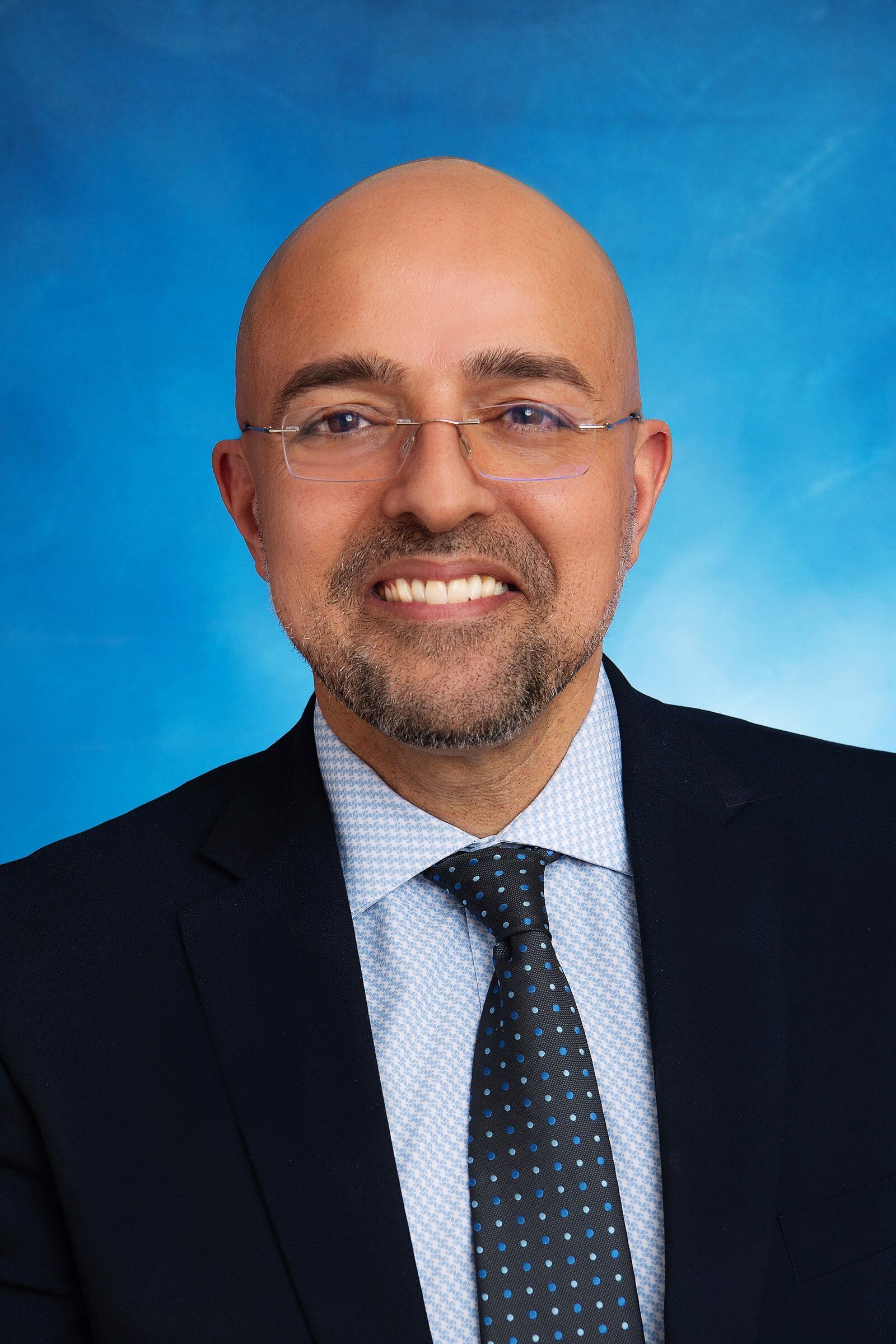
Based on: Former Oregon health system CEO sues for $15.5 million
***.