
For many years the isolated community of Stehekin, at the northern tip of Lake Chelan in the Lake Chelan National Recreation Area, drew visitors with its remoteness and beauty. Lake Chelan, stretching 81 miles and plunging to a depth of 1,486 feet, is the third-deepest lake in the U.S., a legacy of glacial carving in the Cascade Range. Although the community lies within Chelan County, it sits inside North Cascades National Park and is managed by the National Park Service (NPS). After a catastrophic December flood driven by an atmospheric river — a powerful plume of tropical moisture common to the Pacific Northwest — tensions between residents and federal authorities have reached a breaking point.
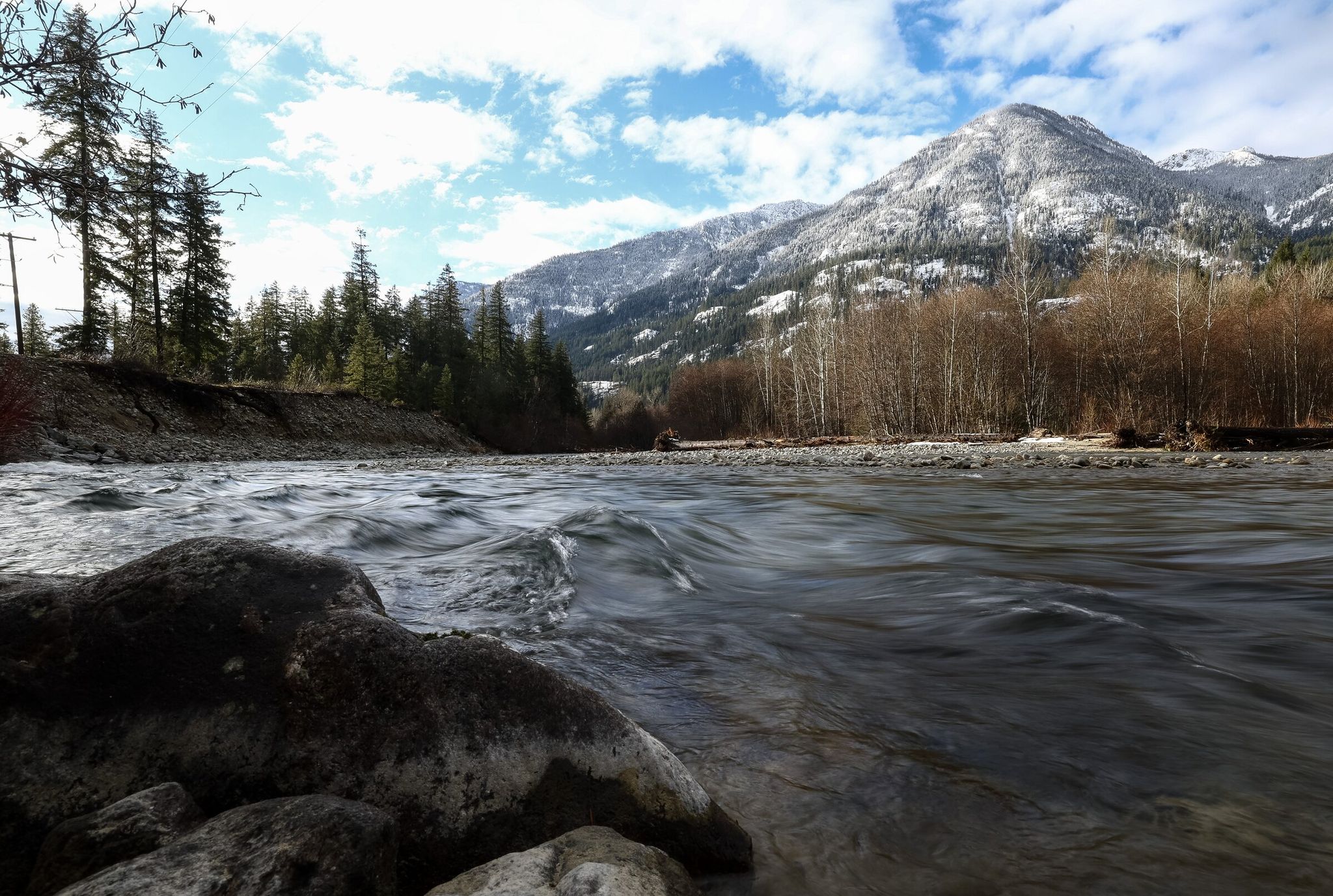
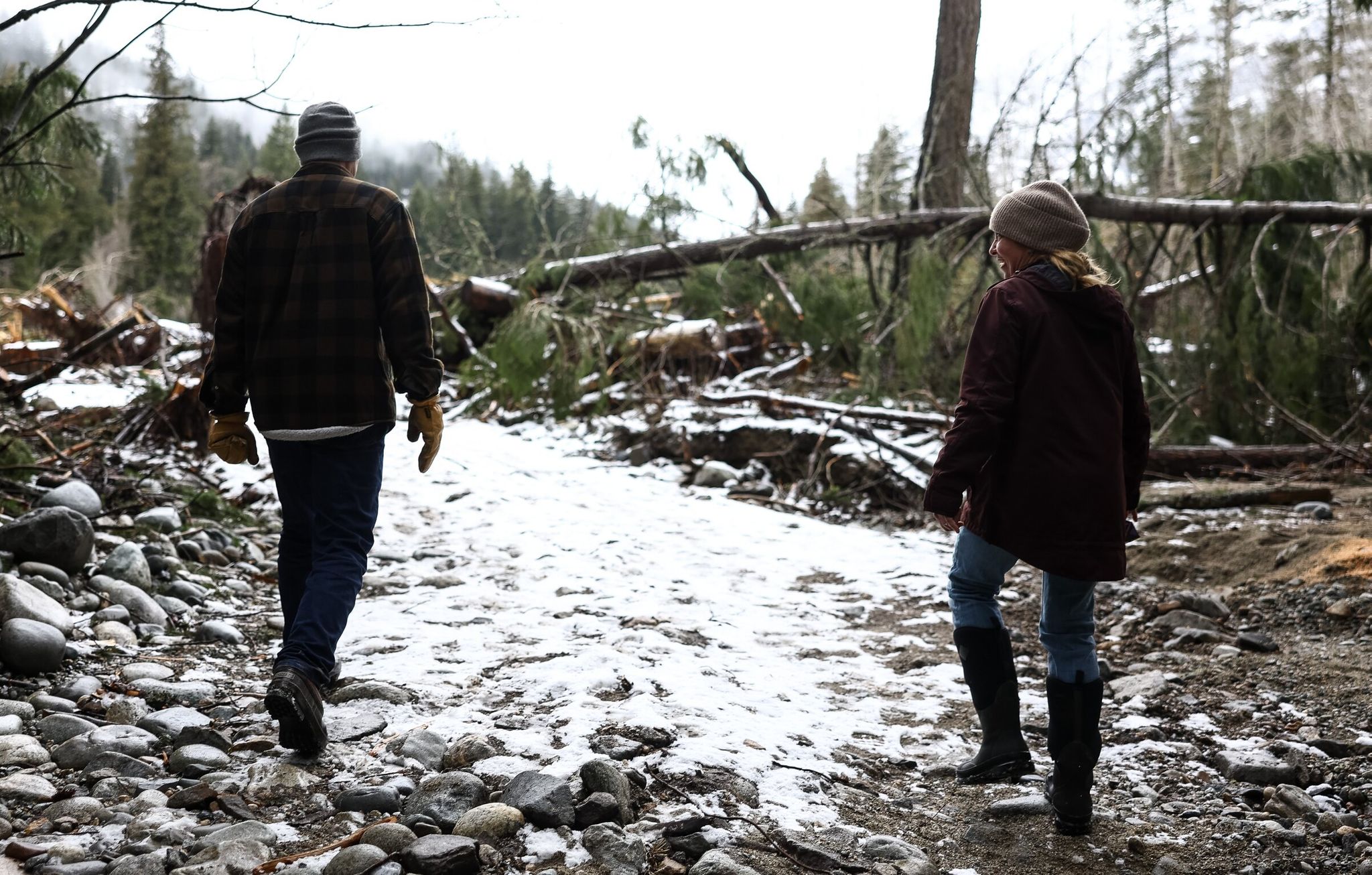
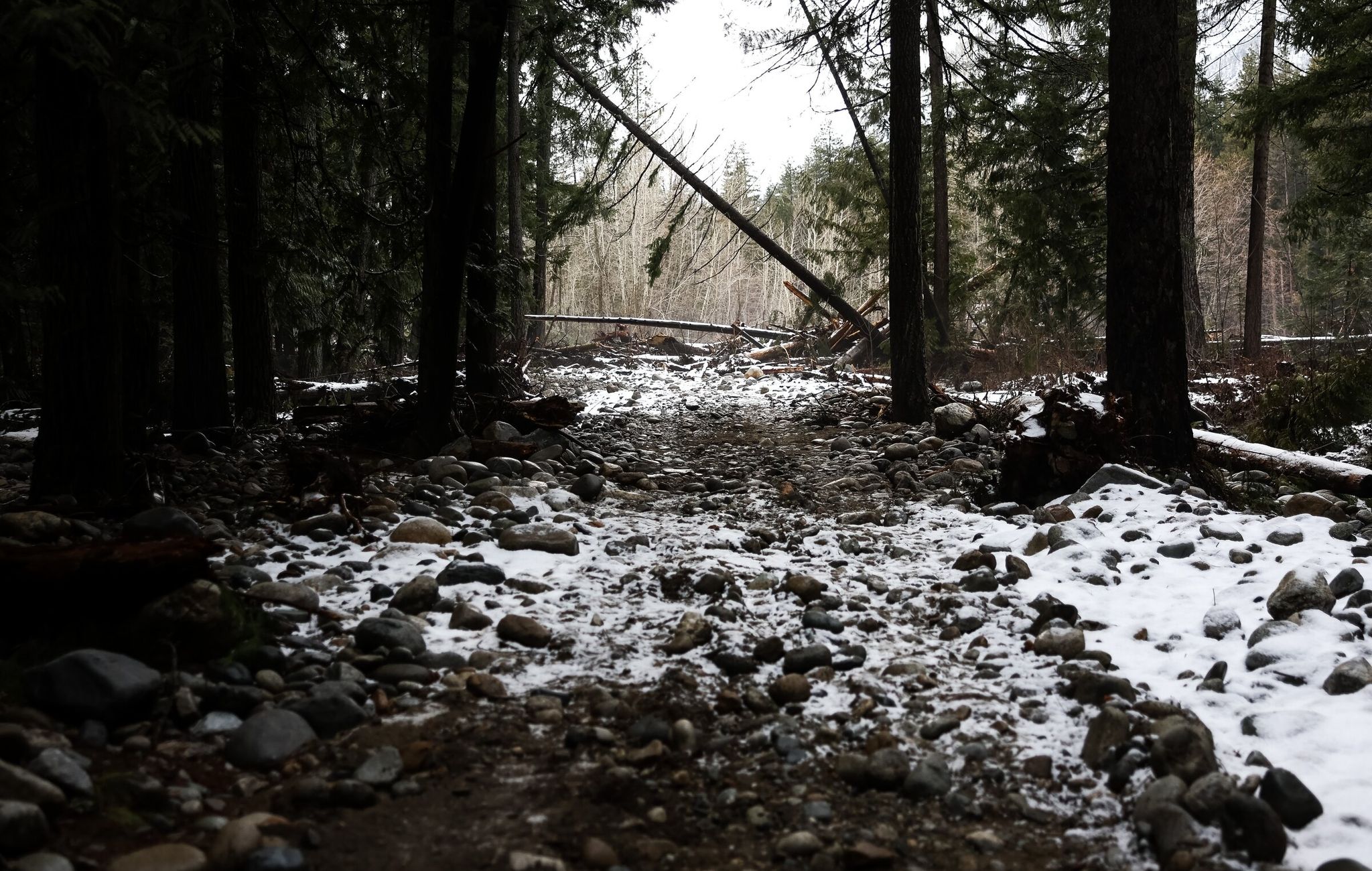
December’s flooding breached a berm along Company Creek Road, and the Stehekin River changed course, washing out a stretch of the road. More than two dozen residents lost access to their homes; some were stranded for weeks, able to leave only by walking down a hillside. In a community of fewer than 100 year-round residents, typically reachable only by ferry or air because of rugged terrain and protected status, the loss of that key road was devastating.
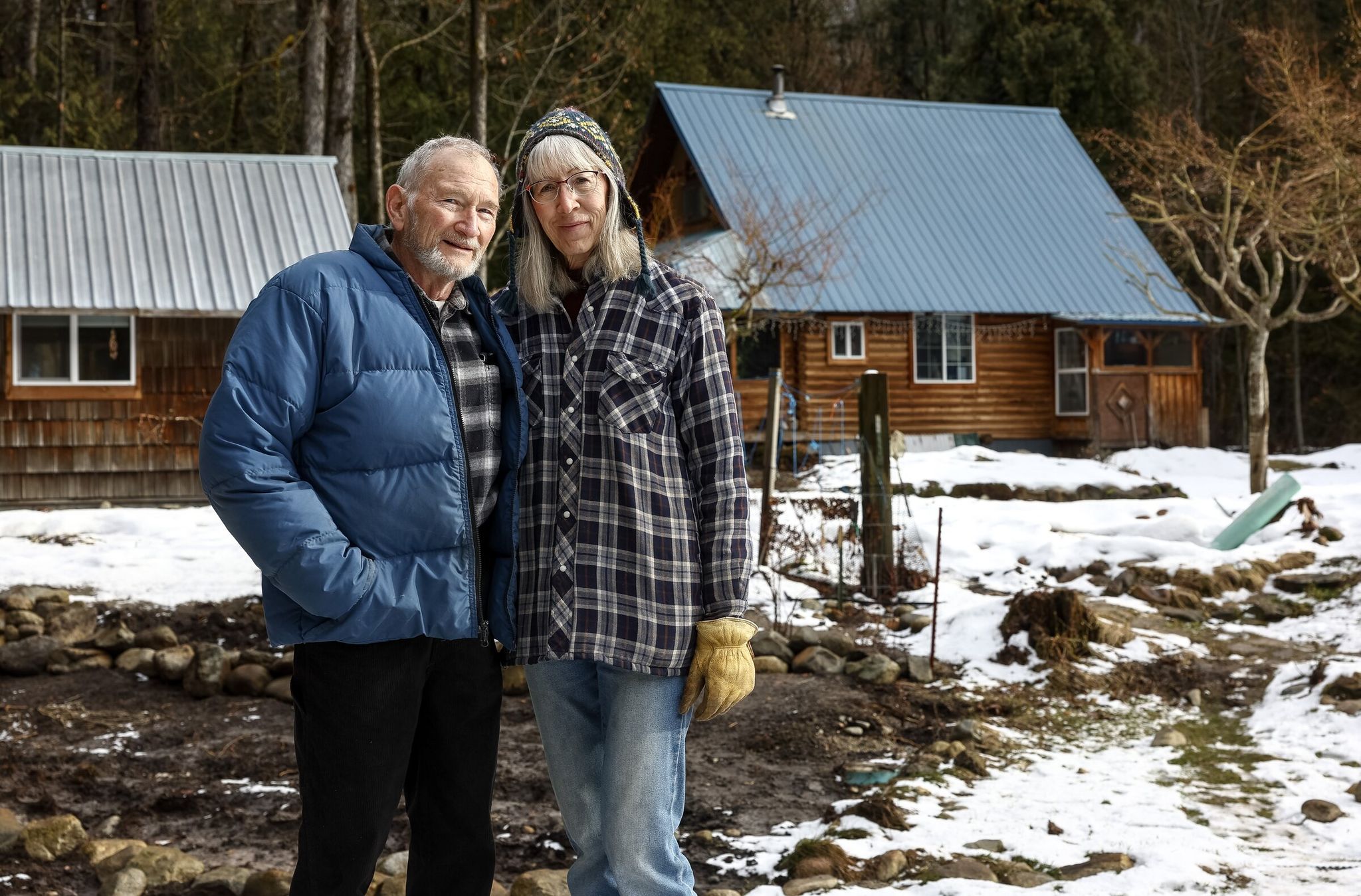
When the waters receded, residents acted on their own: they built a temporary path of logs and packed earth so people could walk out while the river remained low. They also wrote to NPS and other agencies, warning that without quick action before spring runoff, flooding would recur. “This is a very self-reliant community,” resident Krissa Jester said in February. “We can’t always wait for government resources, because it’s hard for them to move fast.”
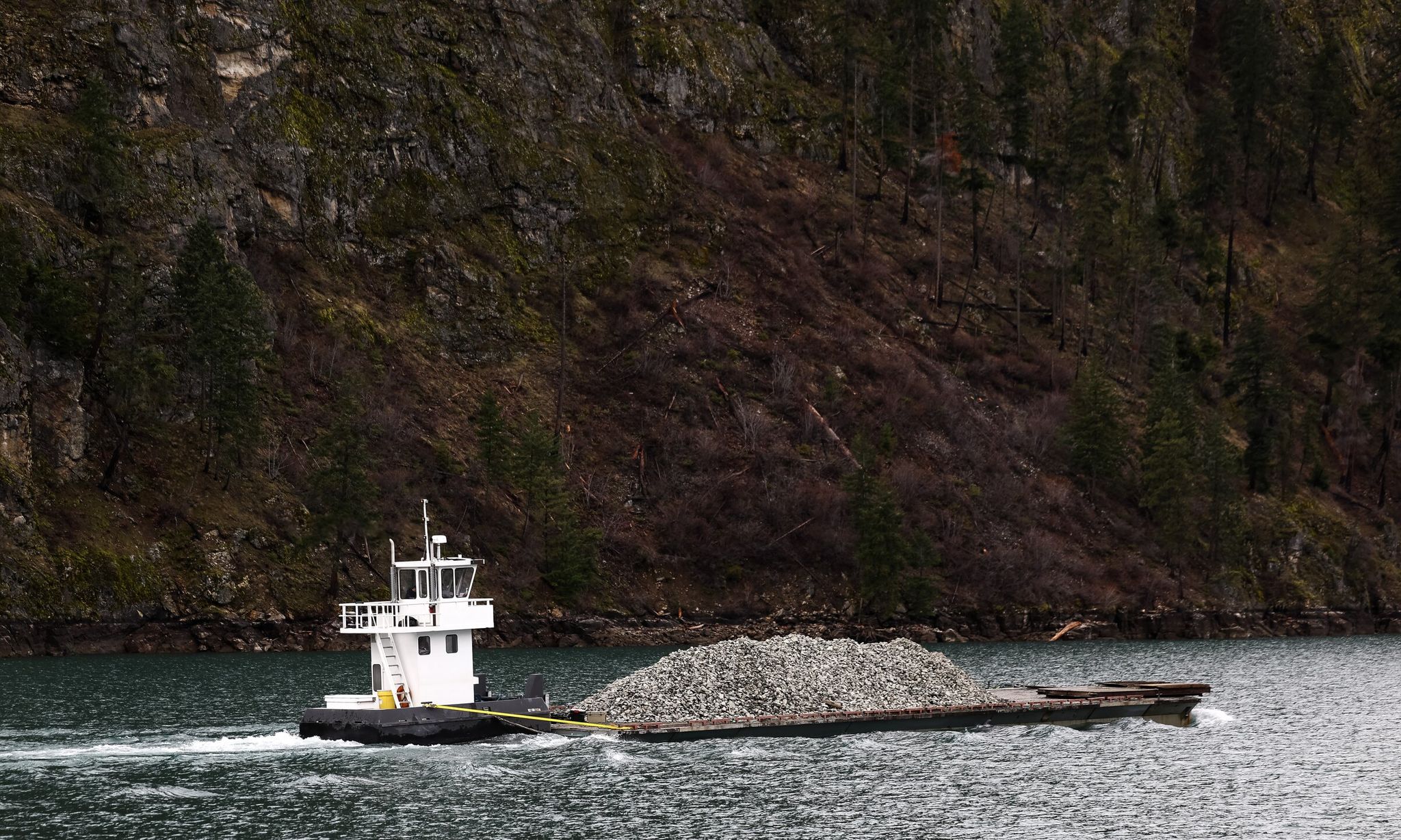
Chelan County tried to take a coordinating role, even though it has no jurisdiction over Stehekin. County officials convened meetings that included NPS staff, and the county agreed to pay a $522,500 bill for barges carrying materials for repairs. Residents demanded a clear plan from NPS, criticizing the slow response and saying the town’s future was at risk without river management.
In early March NPS announced federal funds to build a temporary road along the destroyed section of Company Creek Road. The project called for a road without berms or protective works, with an estimated cost of $1.5 million to $2 million. Many residents reacted with anger and skepticism, calling the plan temporary and unsafe.
At meetings, residents criticized not only the lack of river protection but also issues connecting the new road to the existing one: doing so would require crossing 200–300 feet of private land owned by two landowners. NPS said federal funds cannot be spent on private property, and even suggested the road might never be fully connected. “We just want to say we don’t consider this an adequate solution,” said John Wilsey of the nonprofit Stehekin Heritage.
Water rose again in late March, inundating work areas and delaying construction. The U.S. Army Corps of Engineers didn’t begin work until mid-April. An NPS spokesperson said the project would be finished in a matter of weeks, but residents doubted it would help without a permanent protected route.
The parcel owned by Joe Kitchell, through which the road would have to pass, became a sticking point. Kitchell refuses to allow construction without a satisfactory agreement, setting two conditions: he won’t pay for the road himself, and it must be placed in the river channel along his boundary. “I want my land back,” he said. “My goal is to show that you can work in the river, and it’s completely legal.”
The dispute over long-term river management has intensified: residents demand the berm be rebuilt, citing promises from NPS, while environmental groups, including the North Cascades Conservation Council — a nonprofit founded in 1957 to protect ecosystems and which helped in the creation of North Cascades National Park — insist the river should not be restrained. “Moving the river for a road is excessive and unlawful,” said council president Phil Fenner.
Carolyn McConnell, the council’s vice president and a third-generation property owner at the end of Company Creek Road, believes the river should not be moved. She wants a solution that ensures safety without interrupting natural processes. Locals fear losing their homes and the services that make Stehekin special.
The conflict reached Washington: on April 29, U.S. Senator Maria Cantwell, the senior senator from Washington known for her work on energy and natural resources committees, demanded commitments from Interior Secretary Deb Haaland to finish the road and find a long-term solution. Haaland agreed, acknowledging difficulties with multiple landowners. For many in Stehekin, it’s only a first step, and skepticism remains: “We’re fighting for our home,” longtime resident David Kurth said. “We want to trust the government, but until we see it, we’re afraid.”

Based on: Stehekin’s future remains uncertain as damaged road gets federal help