
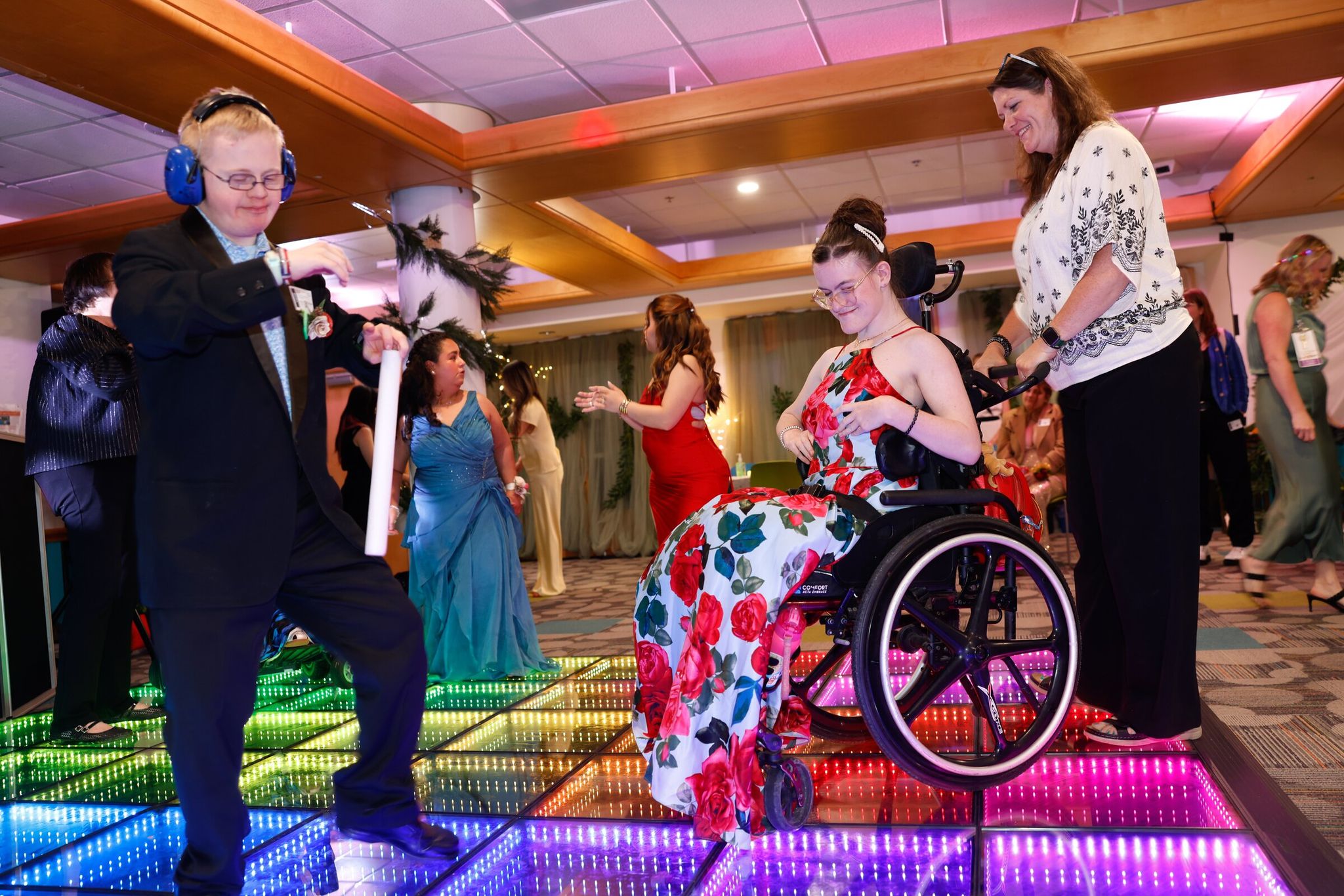
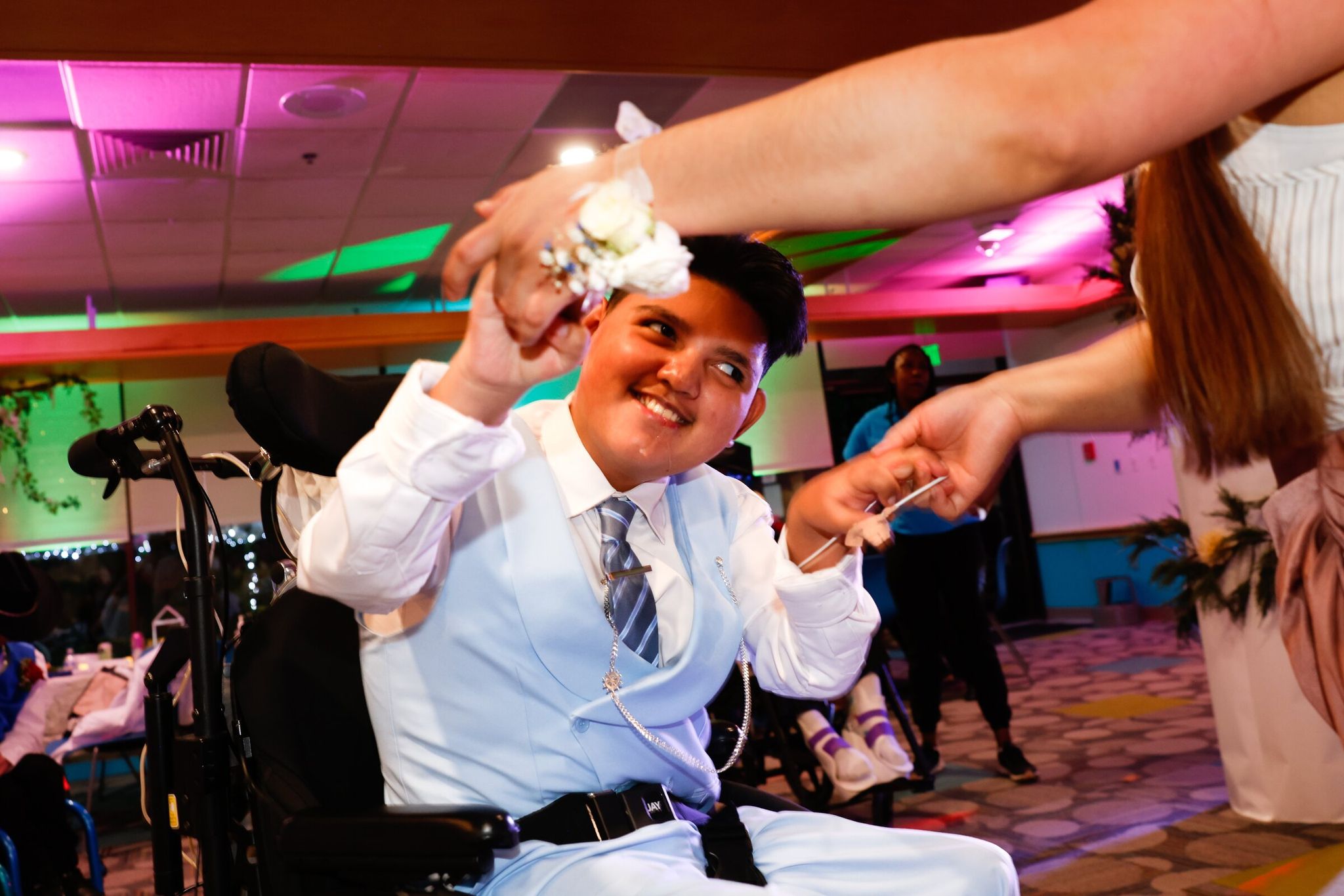
For the first time, patients at Seattle Children’s Hospital looked forward to coming to the medical facility. Many had spent years being treated for rare diseases, cancer and developmental disorders, but on a warm May evening they arrived with excitement — to celebrate a prom organized just for them.
In the U.S., the high school prom is the culmination of senior year and a symbol of the transition to adulthood. It includes elements like renting limousines, selecting a prom “king” and “queen,” and buying special dresses and tuxedos, so the hospital decided to recreate this important social ritual for patients who otherwise wouldn’t be able to experience it because of illness.
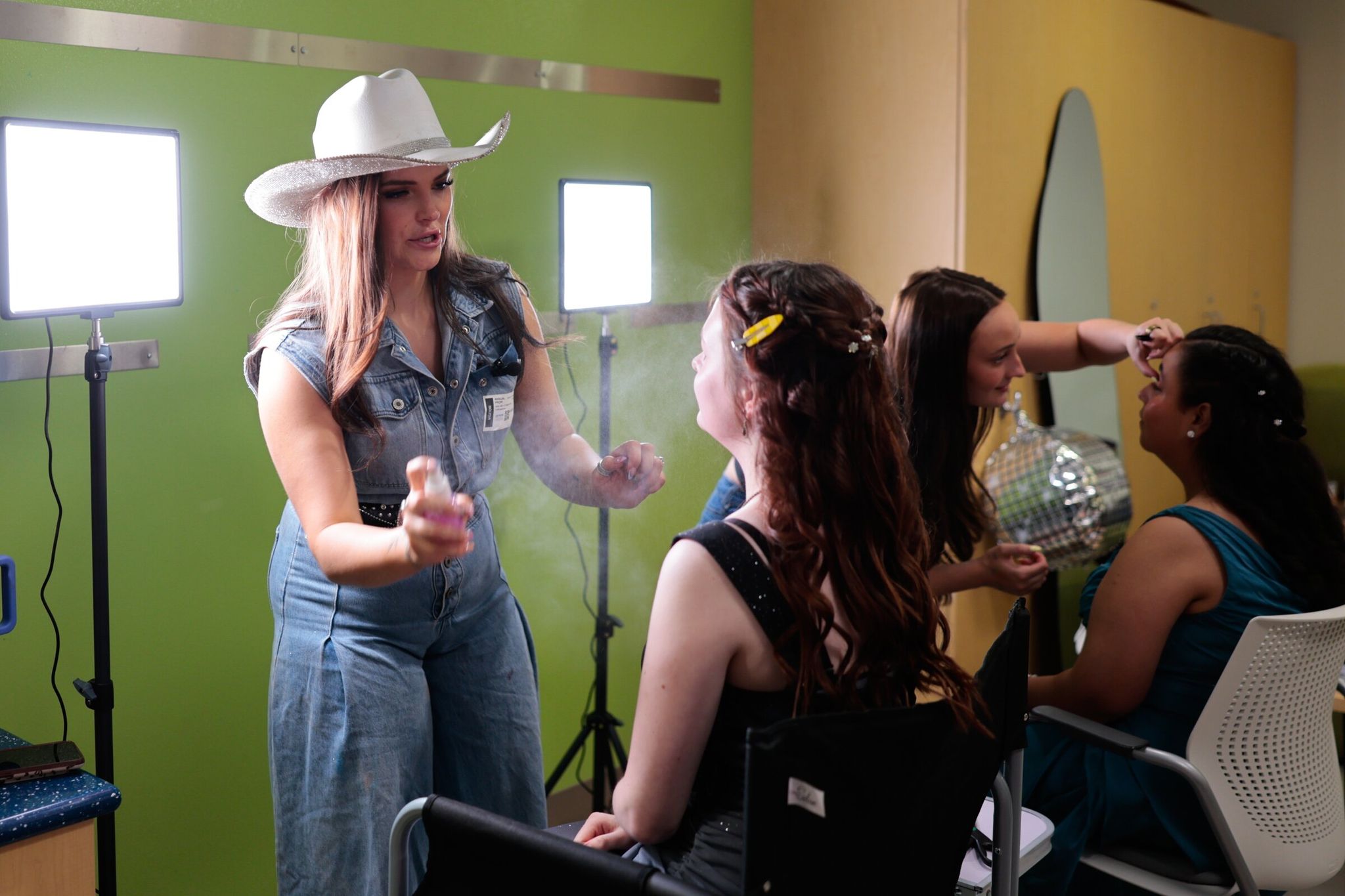
Nineteen-year-old Annika Dixon missed her school prom two years ago because of a flare-up of a rare pain disorder. When she learned the hospital was hosting its own prom for patients, she was thrilled. “I have a lot of traumatic memories here,” she admitted as she prepared for the evening. “But this is a chance to make good memories and find friends who will understand me.”
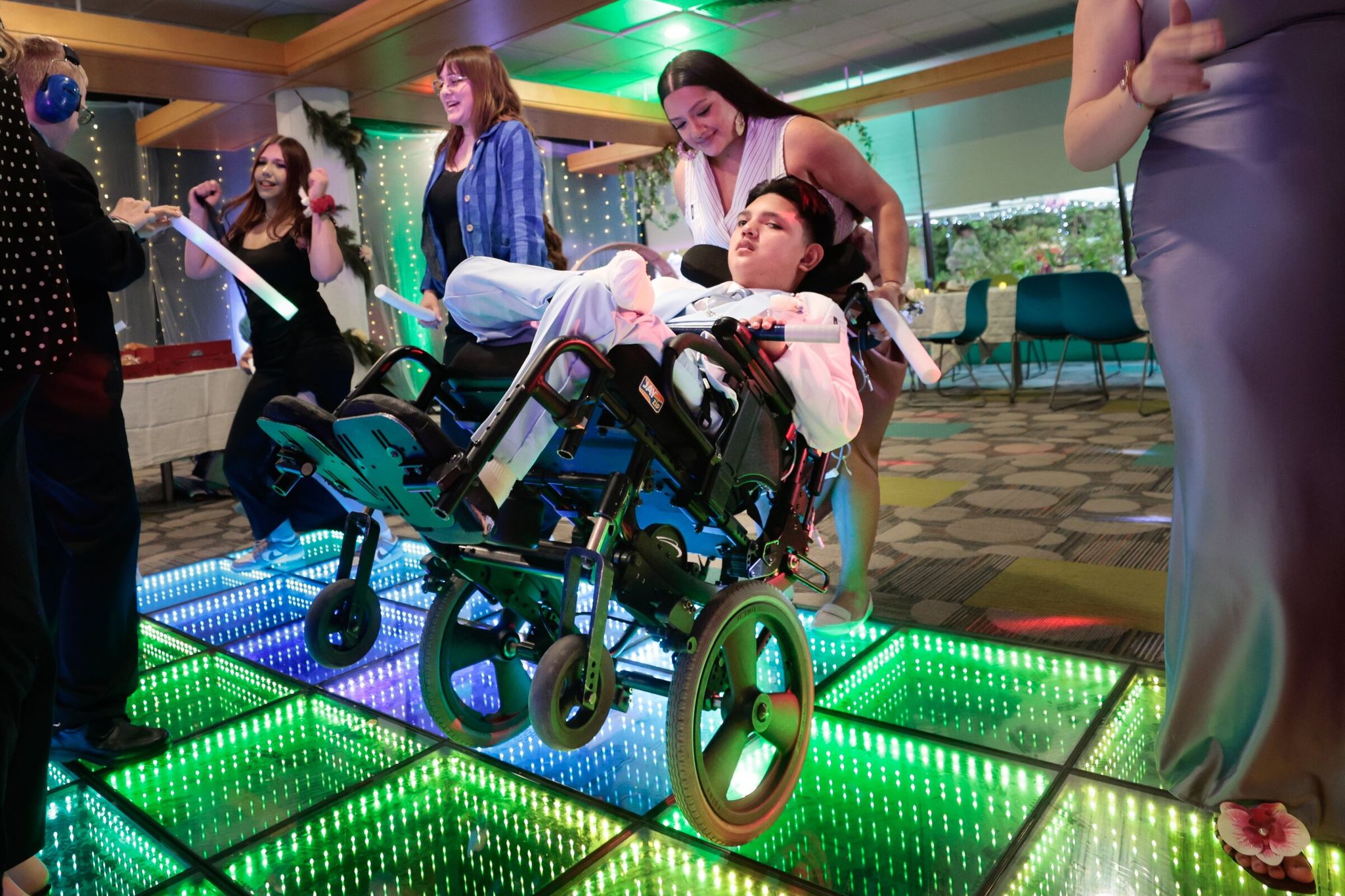
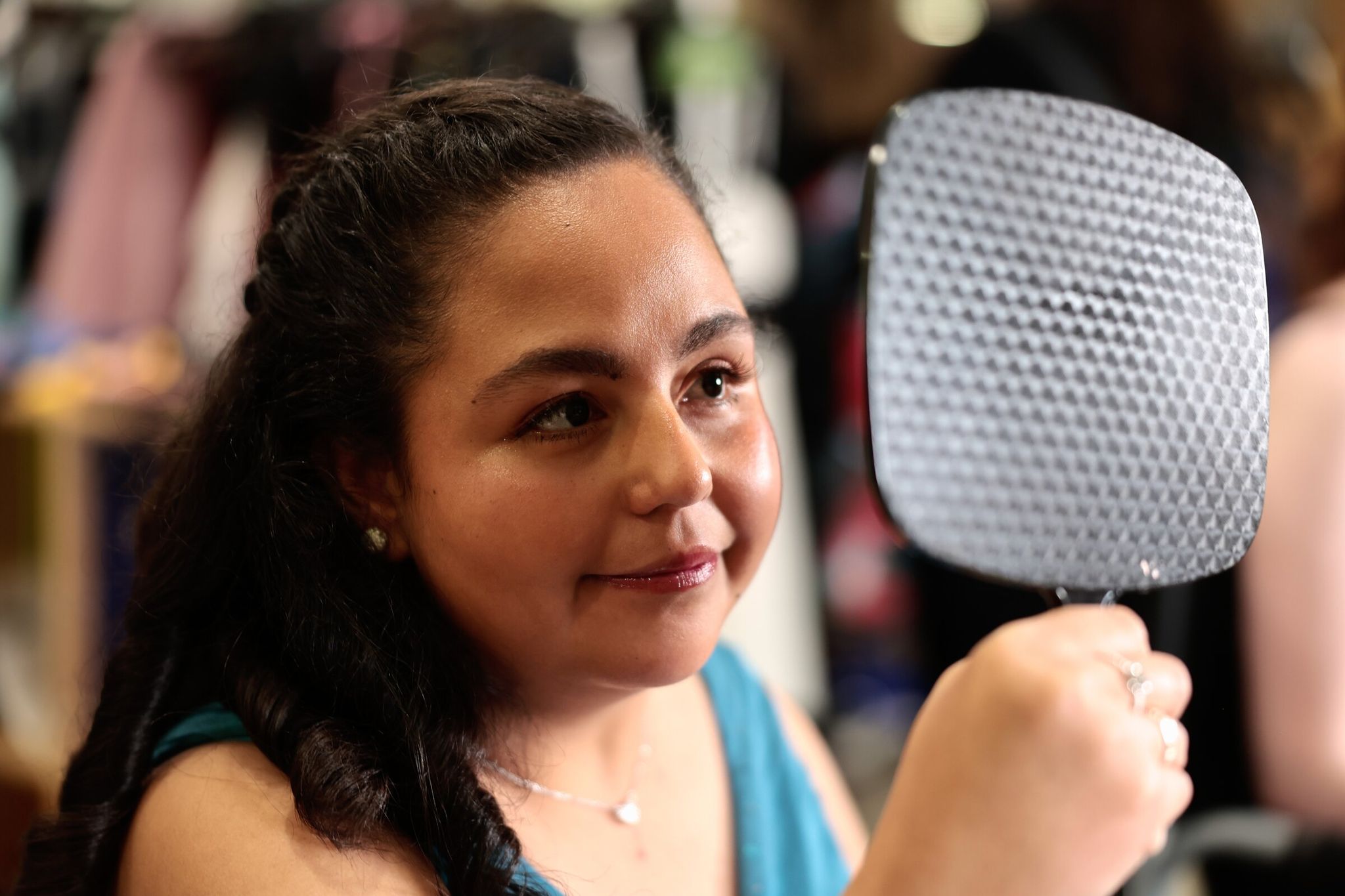
Organizers — medical staff and volunteers — staged a sparkling celebration for thirty teens and their guests, for whom a traditional school prom was out of reach. Some were receiving treatment, others couldn’t attend large events because of compromised immune systems, and still others were homeschooled or taking classes online. “We wanted to give these teens a sense of normal life,” explained Chloe Reichert, a child life specialist at the hospital. This profession is rare outside the U.S. and Canada, but in major American children’s hospitals it’s standard: certified professionals help children and their families cope with the stress of hospitalization using play, education and procedure preparation to make the hospital experience less frightening.
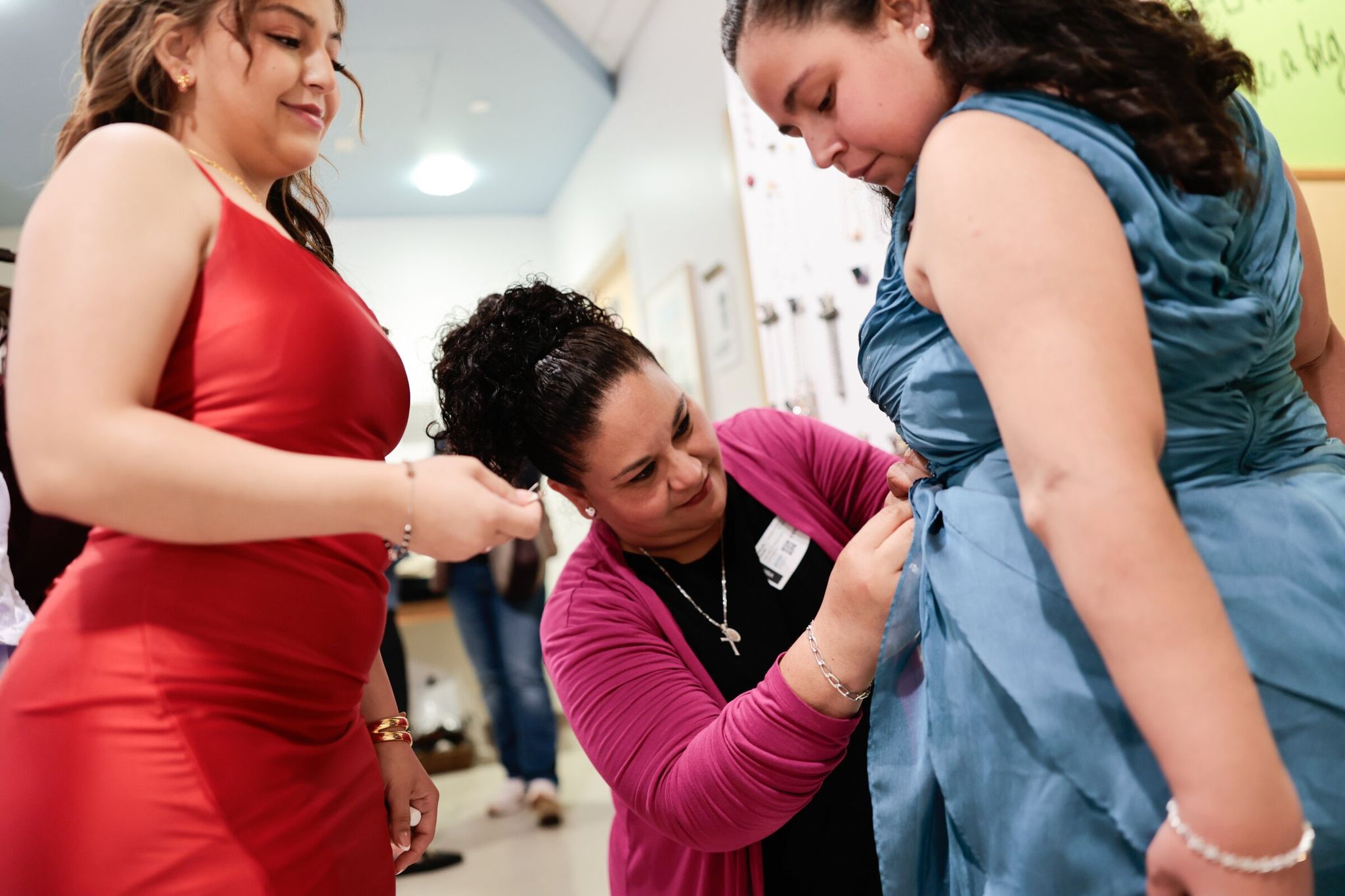
Fourteen-year-old Monica Medina Lamas arrived with her sister Mary Anita — both girls suffer from the same kidney condition. Monica received a transplant at age four and is celebrating a decade with her new organ, but she still gets sick easily. “I do school online, so I didn’t have a school prom,” she said. “When I heard about the hospital prom, I was so excited.” Her scarlet dress, donated to the hospital, matched her favorite red perfectly.
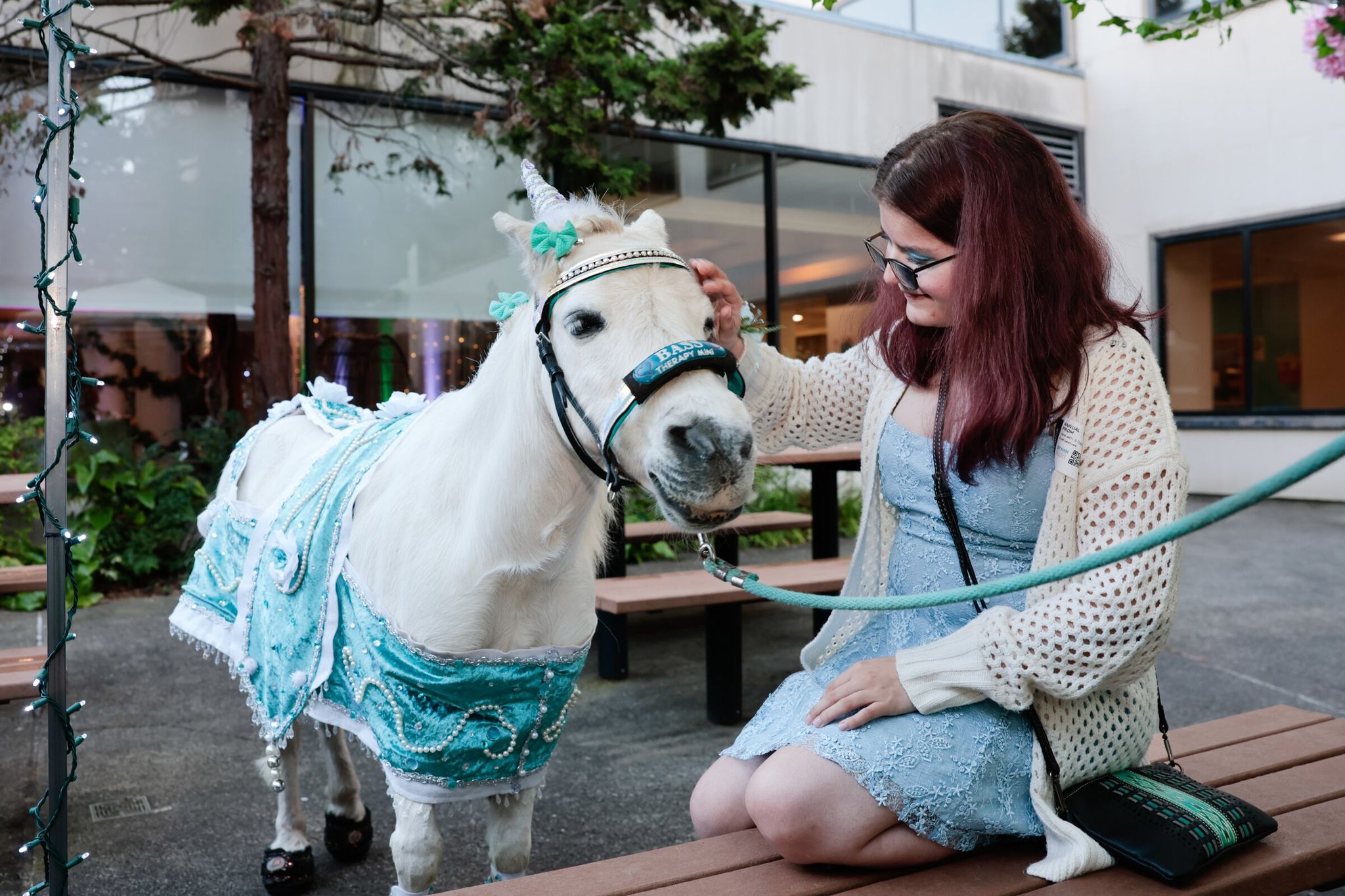
The event was made possible by generous donors and volunteers, Reichert said. The Seattle area is home to headquarters of tech giants Amazon and Microsoft, as well as major Boeing manufacturing. These companies traditionally give large donations to local institutions, including Seattle Children’s Hospital, funding building projects, research programs and educational initiatives for patients. It’s these philanthropic contributions that help the hospital hold unique events. Guests enjoyed forest-themed decorations, a photo booth, a glowing dance floor, a DJ, and a mini-horse named Bass in glittering tack. The forest theme was chosen deliberately: it reflects Washington State’s natural identity, known for its dense coniferous forests and unofficial nickname the “Evergreen State.” For patients, many of whom live in the region, the decorations create a sense of connection to familiar home landscapes and help distract from the hospital setting.
“It’s really inspiring to see an entire community come together for these kids,” Reichert said. Her role involves helping young patients recognize and cope with their illnesses. For small children that may mean play, but for teens — events like prom. “Even if it looks a little different, it still matters,” she added.
Eighteen-year-old Brooke Novak, diagnosed with leukemia in February, missed her own graduation because of treatment. “At first I wasn’t too upset, but once the opportunity was taken away, I missed it more,” she admitted. “Being around other kids going through the same thing makes you feel better, even if you don’t notice it right away.”
Debbie Dixon, Annika’s mother, said her daughter has received three diagnoses in the past five years that mean she rarely leaves the house. Favorite activities — horseback riding and trips to the mall — had to be put on hold. “She’s sick, but people don’t see it,” Debbie said. “They don’t understand how much ordinary things mean to her.”
As the prom wound down, Annika exchanged contact information with new friends and picked up gifts — lotions and stickers. “How was the evening?” someone asked. She smiled broadly in response: “Mission accomplished.”


Based on: Patients find connection, community at first Seattle Children’s prom