
The December floods that struck western Washington were among the most destructive natural disasters in the state's history. The breach of two dams in King County — the administrative area that includes Seattle and its suburbs — caused widespread devastation, yet the amount of financial assistance reaching those affected falls far short of the actual losses. In December 2023, a powerful "atmospheric river" caused the Green River to overflow, and old dams built for agriculture in the Pacific area failed due to years of erosion and a sudden rise in water. "Atmospheric rivers" are long, narrow bands of moist air that carry huge amounts of water vapor from the tropics to the midlatitudes, and on the Pacific Northwest they regularly produce multi-day rain events. In December, one of these rivers stalled over the region, dumping record rainfall, and climate change is making these events more intense and frequent, increasing flood risk.
As of April, payouts from state, federal and insurance sources totaled about $28 million — only a fraction of the damage, which is counted in the hundreds of millions. State officials estimate public infrastructure damage exceeded $182 million. There is still no official estimate of damage to private homes, businesses, vehicles and personal property. That leaves a large gap in understanding the true scale of the disaster, largely because damage assessment in the U.S. is decentralized: local governments conduct initial assessments, the state coordinates resources, and the federal agency FEMA steps in only after a disaster declaration. Washington state lacks a single system because law historically left the matter to local jurisdictions. Creating such a system would require action by state government — the governor and the legislature.
Most of the payouts came from the Federal Emergency Management Agency (FEMA), which approved $1.8 million in assistance for 597 applications. The application deadline is June 10, but the amount is capped at $44,800 per household, which often does not cover all losses. The state's own assistance has been even more modest: $1 million was allocated for emergency needs, divided among 2,600 families — just $384 each. Of an additional $2.5 million for recovery, only $154,000 had been paid out by mid-April. In King County, of 513 applications only 13 were approved, totaling $9,262.
Insurance payments were the largest source of compensation. The national flood insurance program run by FEMA received 776 claims and paid $25 million on closed cases. But only about 44,600 state residents have flood insurance policies — federal or private. By comparison, the Department of Ecology estimates 2.6 million people live in at-risk zones. A key problem is outdated floodplain maps that do not account for extreme weather events that have become more frequent due to climate change. Federal insurance is required only for property owners with federal loans in mapped zones, leaving most residents in those areas unprotected.
Collecting data on private losses is hampered by the lack of a unified standard. According to Karina Shagren of the state's Emergency Management Division, information is sometimes collected at the county level, but not always. Filing for FEMA assistance also does not give a full picture, because many people affected simply do not apply for help.
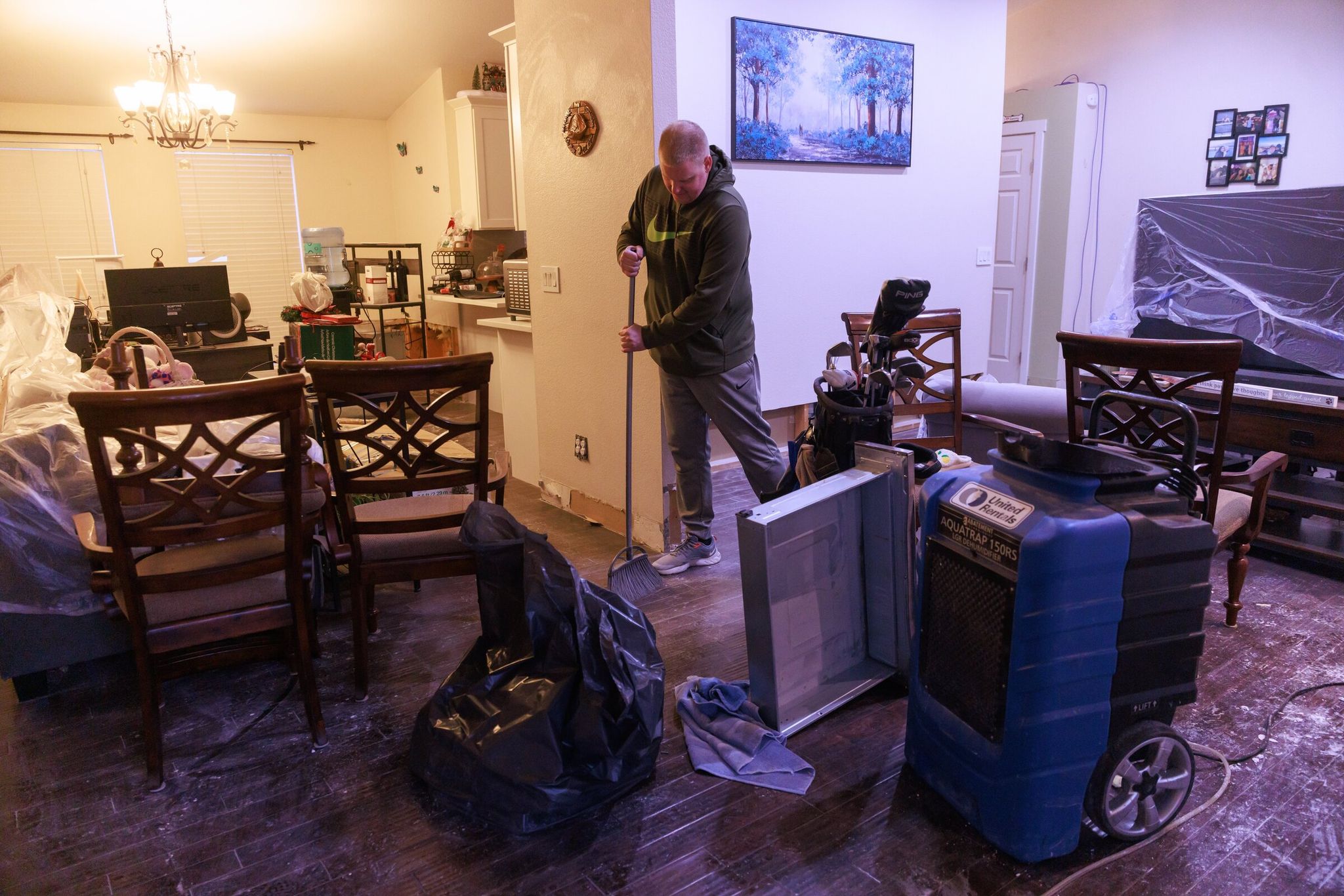
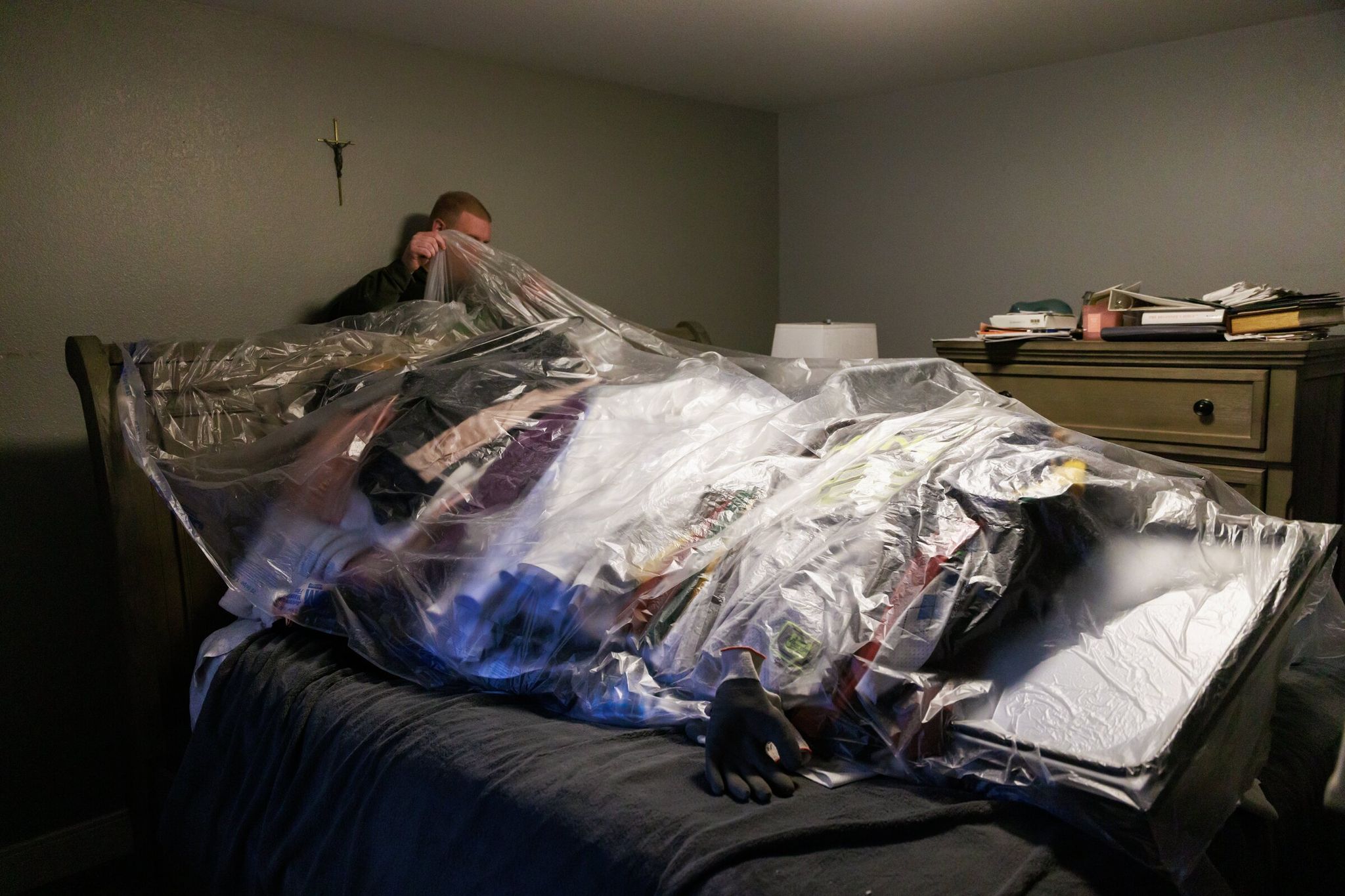
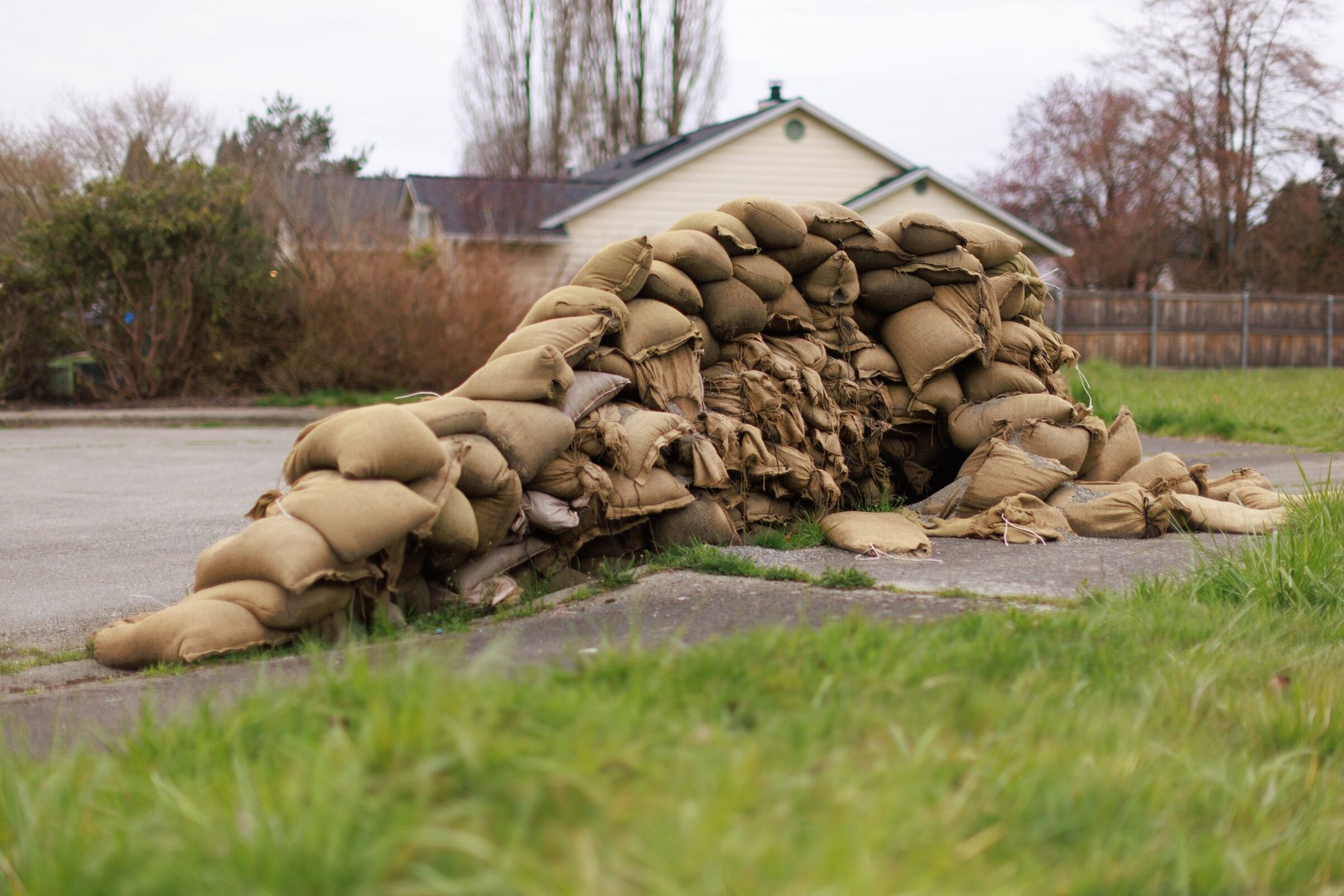
The county flood control board has requested additional funds to repair infrastructure and to buy out a dozen destroyed homes. For context: in the city of Pacific — a small community of about 6,000 people located in the Green River floodplain — 220 homes were forced to evacuate because of the dam breaches. The city lies in a low area behind old levees that originally protected farmland and later saw residential development. In December 2023 the river broke through the levee at Pacific because the river curves there and the levees were in the worst condition. The flooding affected 220 homes — almost all the residential structures in the area directly hit by the disaster. Low-interest loans from the U.S. Small Business Administration are also available — more than $8 million has already been borrowed.
The situation underscores the widening gap between climate threats and preparedness. Increasing atmospheric rivers require a rethinking of insurance and public support systems. For now, thousands of Washington families remain on their own to deal with the aftermath of the disaster, and political disagreements over federal aid are only worsening the crisis.


Based on: Financial aid lags massive damage from WA’s December floods