
The Federal Emergency Management Agency (FEMA) announced nearly $1.5 million in funding for local flood-mitigation projects in the state of Washington, but denied a request for large-scale, statewide preventive funding. Neighboring Oregon, meanwhile, was approved for more than $19 million for long-term projects. The decision drew sharp criticism from local politicians.
The funds were divided among three projects: nearly $930,000 will go to the city of Enumclaw to replace culverts to protect against flooding, about $300,000 to Snohomish County to study flood-control infrastructure, and $180,000 to the State Department of Ecology to develop a risk-reduction strategy. The denial under the Hazard Mitigation Grant Program, for which the governor applied in February, can be appealed within 30 days.
Culvert replacement is important but contentious in the state. Pipes under roads often block salmon from reaching spawning grounds. lawsuits by Native tribes, based on treaties from the 1850s, have established the state’s duty to ensure fish passage through road infrastructure. Replacing thousands of outdated culverts — at a cost of billions of dollars — requires massive state spending and can create conflicts with private landowners. For the tribes, however, it is a matter of survival — they hold treaty rights to fish for salmon, which is both a traditional food source and a cultural symbol.
“The announcement of assistance helps recover from the last flood, but mitigation helps survive the next one,” said Congressman Rick Larsen, calling the denial “an unacceptable decision.” If approved, Washington could have received up to $36.6 million — 20% of total damages. The funds were intended for building protective levees and other capital structures.
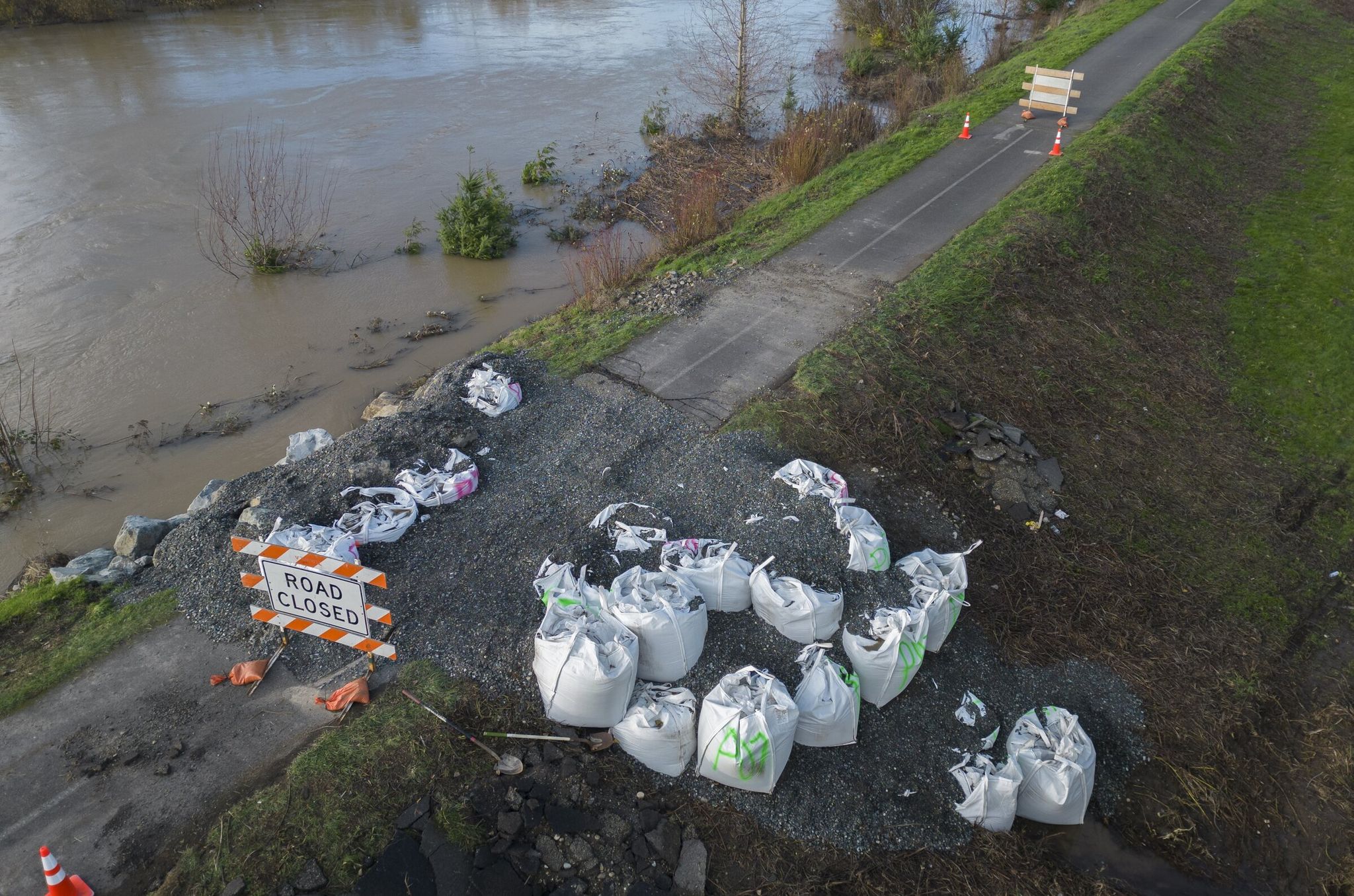
The FEMA decision is especially painful coming after the catastrophic December floods, when an atmospheric river brought 18 days of continuous rain to Western Washington. That region is particularly vulnerable because of its geography: mountain rivers with rapid flows, such as the Skagit and Stillaguamish, are fed by snowmelt in the Cascade and Olympic ranges. Atmospheric rivers — huge streams of moisture-laden air from the Pacific — bring torrential rains that rapidly melt snowpack, causing rivers that run from the mountains through narrow valleys to surge over their banks. The region is also prone to “rain-on-snow” winter flooding, when rain falls on already saturated ground. As a result, three rivers set historical high-water records; roads, levees and power lines were destroyed. Earlier, President Donald Trump approved major-disaster declarations, which allowed funds to be allocated for debris removal and infrastructure repairs.
The denial of preventive funding fits a broader Trump administration pattern of cutting FEMA assistance to Democratic states. According to Politico, since returning to office Trump has approved only 23% of requests from states governed by Democrats, compared with 89% in Republican-led states. Residents of affected areas can apply for individual assistance through disasterassistance.gov.
Based on: FEMA funds some WA flood mitigation, denies statewide funds