
The U.S. House-passed farm bill directs nearly $1 billion toward supporting "specialty crops" — fruits, vegetables, nuts and berries. For Washington state, where those crops form the backbone of the agricultural sector, it’s a significant win. But the bill, which has split the parties over food assistance, risks stalling in the Senate.
Rep. Dan Newhouse, a third-generation farmer from Yakima — the heart of one of the state’s largest agricultural regions, known for apples, hops, cherries and wine — has long pushed for increased funding for specialty-crop research and promotion. "We’re often forgotten when the farm bill is written," he admitted, "but this time we secured record budgets." His efforts paid off: the bill provides substantial investments in marketing, pest protection and expansion of export markets.
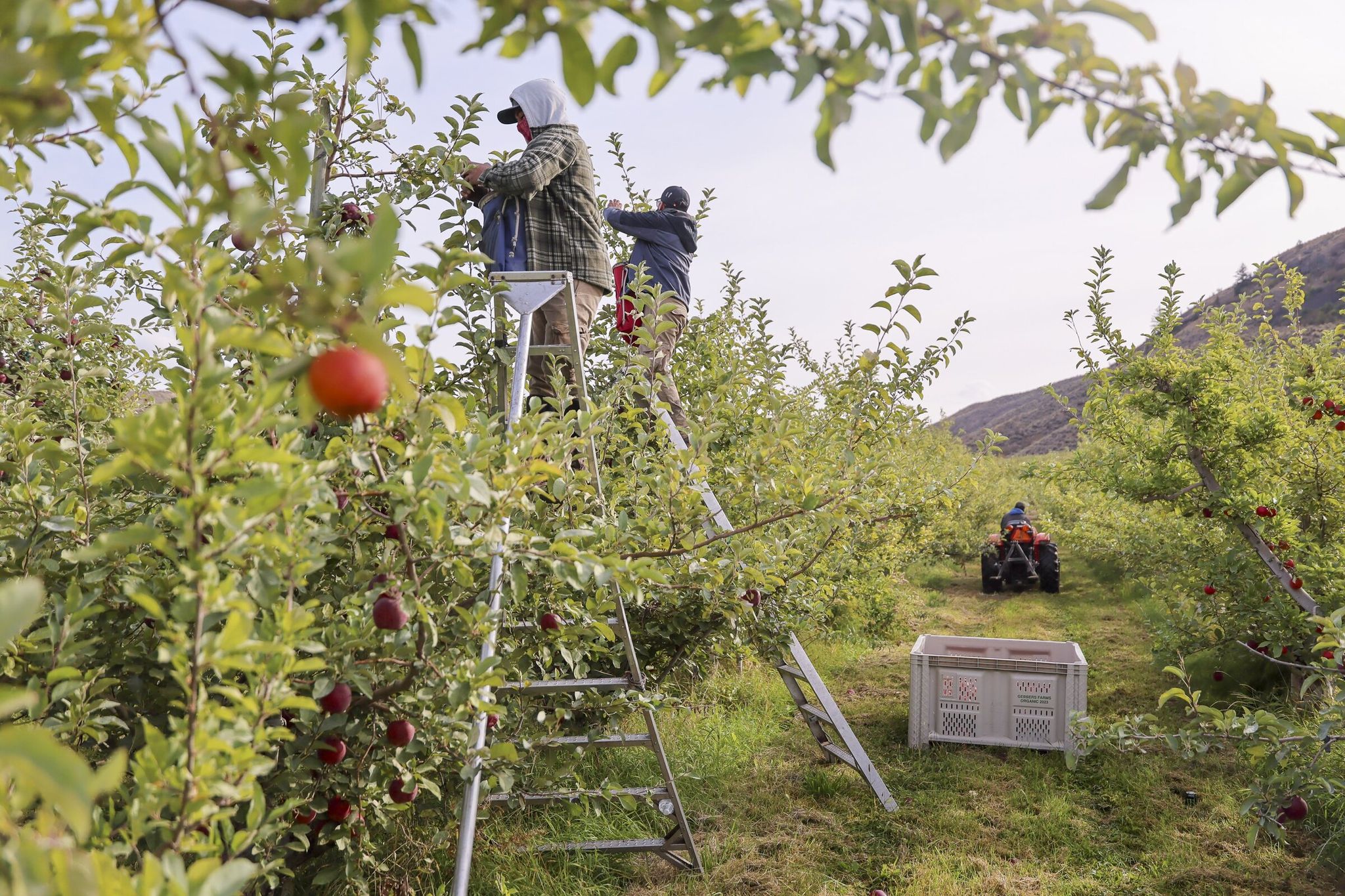
For Washington, which grows two-thirds of all U.S. apples as well as tons of cherries, potatoes, hops and grapes, those measures are critically important. Unlike corn and soy, which dominate traditional farm subsidies, "specialty crops have usually been left with crumbs," Newhouse emphasizes. That imbalance is historical: federal subsidies began in the 1930s to support large farms growing grain and oilseed crops considered "strategic" for food security. Fruits and vegetables long relied solely on market mechanisms, and only in recent years have standalone support programs appeared — still far smaller than funding for corn and soy.
Updating the farm bill, which hasn’t been revised since 2018, is becoming more urgent. In five years Washington lost nearly 4,000 farms out of 32,000. The average age of a farmer in the state is 59, and fewer than 6.5% of growers are under 35. "This is about long-term stability for conservation, trade and research," explains John Paul Driver of the Washington Farm Bureau.
The main stumbling block is cuts to the SNAP food stamp program that Republicans included in the budget. Sen. Patty Murray, a Washington Democrat who chairs the Appropriations Committee and oversees federal spending, called the move "outrageous": "My family relied on these stamps when I was a kid — SNAP is not charity, it’s an investment in the country’s future." She vowed to block the bill unless Republicans compromise.
Democrats demand that the SNAP cuts be removed, saying they would hit millions of families amid rising prices from Trump-era tariffs. Republicans don’t hold a Senate majority, so the bill can’t pass without bipartisan support. "When they’re ready to sit down at the negotiating table, I’ll be there," Murray said.
The bill also includes measures to support farmers: creation of an advisory council on specialty-crop insurance and $30 million a year for automation to address labor shortages. Newhouse, who has actively lobbied for local growers’ interests, including H-2A visas for seasonal workers, hopes the bill will provide a foundation for a Senate compromise: "They’ll take this base and build on it."
For now the clock is ticking: outdated farm programs are being extended by short-term measures, but an industry in decline needs stability for years ahead. For Washington, where agriculture accounts for about 10–12% of the economy, is a key employer in rural areas and a leading export sector, passage of a new bill is a matter of survival for thousands of family farms.


Based on: House farm bill gains win for WA specialty crops, but Senate fight looms