
In May 2025, King County Metro resumed fare inspections on buses after a long pause prompted by the pandemic. Inspections were suspended in 2020 to reduce contact between drivers, inspectors and riders and to avoid crowding at fare gates. Although fare collection was formally restored in October 2020, officials decided not to impose fines or carry out enforcement to avoid placing additional burdens on vulnerable populations, including people experiencing homelessness and low-income riders. Full reinstatement of enforcement was delayed until 2025, as the region first focused on restoring ridership and addressing social needs rather than on revenue collection.
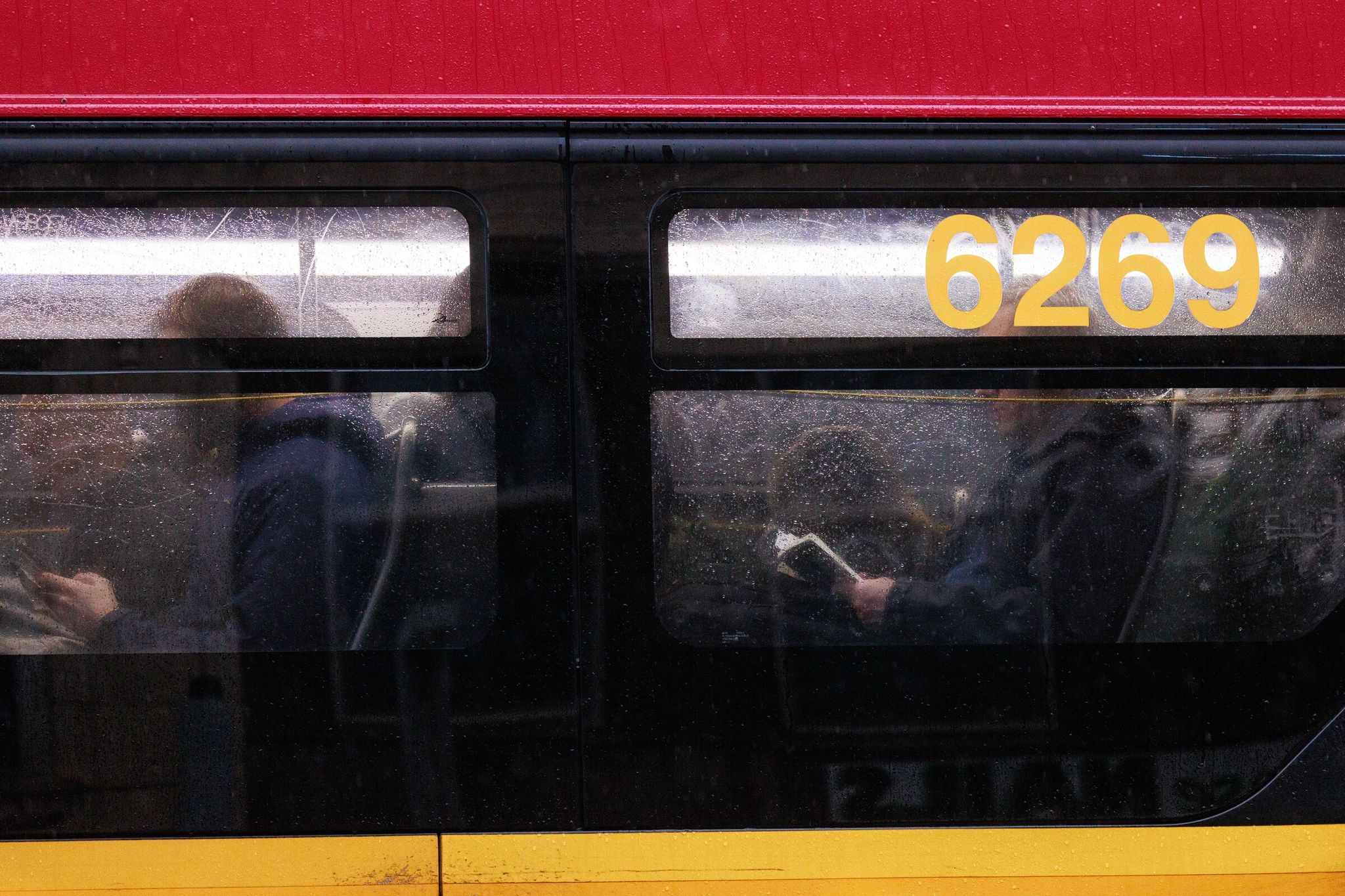
Over the year, 30 inspectors checked nearly 79,000 riders and issued 2,186 warnings to those riding without a fare. But there were only eight actual citations issued, and none of them were paid or otherwise settled. Despite hundreds of thousands of daily trips across Seattle, transit leadership says the system is working as intended: most riders pay, and compliance is increasing.
King County Councilmember Reagan Dunn sharply criticized the program, calling it ineffective. “Just eight tickets, and none paid — that is deeply concerning,” Dunn said, insisting fines must be an effective deterrent. “You need to punish people so they don’t violate the rules. Here — zero effect.” By contrast, Councilmember Stephanie Feinstown, who chairs the Transportation, Economy and Environment Committee, took a more measured stance and scheduled a hearing on the report for June 16.
Inspections focused on the 10 busiest routes, including RapidRide lines A–F and several regular bus routes. RapidRide is King County Metro’s network of bus rapid transit with increased frequency (every 10–15 minutes during peak hours), dedicated lanes, traffic signal priority and modern stops with real-time signs. Unlike regular buses, RapidRide makes fewer stops, only at key locations, which speeds trips, and uses a proof-of-payment system to speed boarding. On peak weekdays, more than 900 vehicles operate on the network, and there are 139 routes in total. Metro estimates the fare evasion rate on targeted routes fell to 3–6% — a sharp improvement from an overall rate of 35% a year earlier. High fare evasion in Seattle (up to 30–50% on some routes) had previously been linked to many people experiencing homelessness and low-income residents using transit as temporary shelter or as a way to travel without funds. Social inequality and the affordable housing crisis force people to cut costs on everything, including transit.
David Eldred, Metro’s chief administrative officer, explains the small number of citations as an intentional strategy. “We’re pursuing two objectives: first rider education, and then working with those who don’t want or can’t pay,” he says. According to him, “education is effective, and our data bear that out,” and he adds that the agency is not afraid to issue citations when necessary. The approach is meant to encourage voluntary compliance without immediate punitive measures.
The system provides two warnings before a citation. A third offense carries a $20 fine, which doubles to $40 after 30 days. Instead of paying, a rider can load value onto an ORCA card, apply for reduced fares, perform two hours of community service, or appeal the citation. ORCA (One Regional Card for All) is the unified electronic fare card for all public transit in the Seattle region: King County Metro buses, Link Light Rail, Sounder commuter trains and ferries. The card works on a pay-as-you-go basis: you add value or buy a pass, and tap the card on a reader when boarding and exiting. It automatically calculates trip costs including transfers, and once daily or monthly caps are reached further trips become free. This structure reflects Metro’s shift toward a less punitive model prompted by concerns about equity in pre-pandemic enforcement.
A 2018 audit found the prior system disproportionately punished people experiencing homelessness and conflicted with the county’s equity goals. Of 3,911 citations issued in 2016, only 94 were paid, signaling the ineffectiveness of high fines. Since then Metro has reoriented enforcement around “community values,” emphasizing that fare payment supports service frequency and accessibility rather than simply punishing riders. Inspectors now do not carry weapons and undergo 80 hours of training.
The inspection program is part of a transit safety budget of $24.3 million, of which $3.1 million goes to inspector salaries. Most of the funding supports 260 transit safety staff who are unarmed, unlike Metro Police. Inspectors are trained in first aid, CPR, use of automated external defibrillators and in administering naloxone for overdoses. Social equity trainings are being reviewed after contracts were transferred to private firm PalAmerican.
Dunn remains skeptical. He says he never agreed with Metro’s approach, arguing that near-absence of enforcement breeds disorder. “It encourages problems on buses, including widespread drug use, and undermines the financial sustainability of the system,” he says. Farebox recovery plunged after the pandemic, and some fear the system could become financially unviable.
In December 2024, the County Council lowered the target for farebox recovery from 25% to 10% of operating costs, with a goal of 15% instead of the previous 30%. Before the pandemic Metro typically met or neared the higher targets, but since 2020 revenues have remained below 10%, tied to lower ridership and increased subsidies. Eldred insists inspections are working, and Metro is now discussing expanding enforcement raids to other routes.
Fare inspections on Metro buses date to 2010, when off-board payment was introduced on RapidRide A. Over time the model changed: ORCA terminals and card readers were added at all doors. The 2018 audit found the old system had clogged courts: more than 10,000 fare-evading cases remained unresolved. County executive Dow Constantine (now head of Sound Transit) pushed to move citations into the administrative realm to avoid criminal charges.
Based on: Fare inspectors are back on King County buses, but tickets aren’t